





The weaponization of chemical, biological, radioactive, nuclear and explosive (CBRNE) materials could have catastrophic consequences for entire nations or regions. The threat is rare but real and INTERPOL helps member countries to embed the skills to fight it in their own national response programmes.
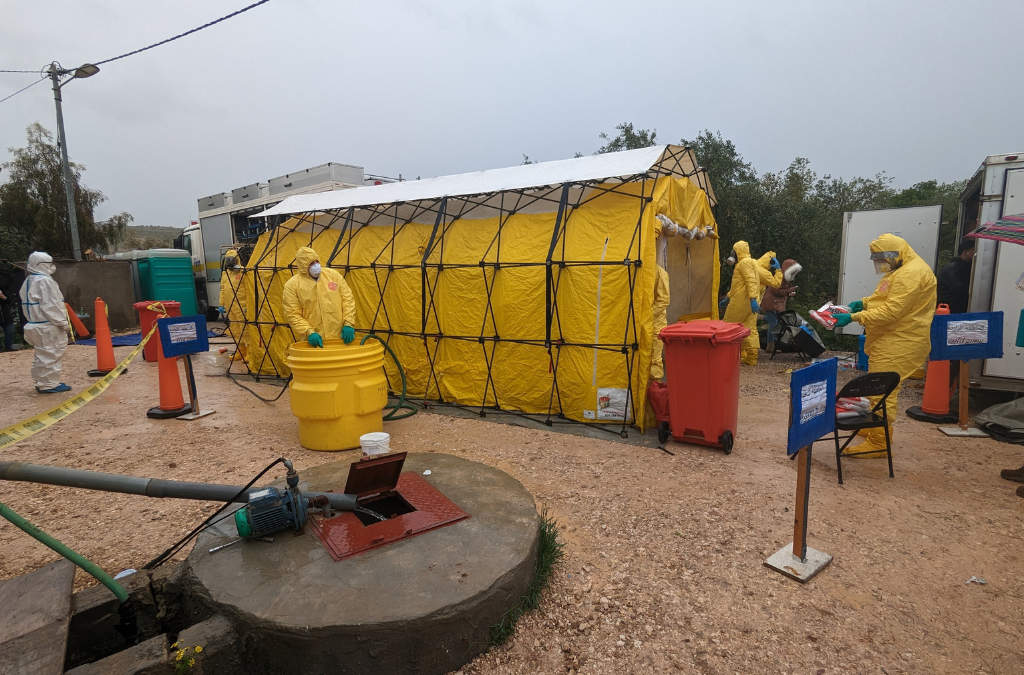
Responding to the malicious use of CBRNE materials involves risks and technical skills that are very different from those facing law enforcement professionals fighting other forms of crime. The deliberate release of infectious biological agents or toxins, the misuse of toxic industrial chemicals, chemical warfare agents and explosive precursor chemicals, the detonation of a radiological dispersal device, or the placing of a radiological exposure device. All could cause serious harm to human and animal health and to the environment, as well as extensive damage to infrastructure and buildings. And all are likely to create panic and instability on a national or international scale.
Prevent, prepare, respond
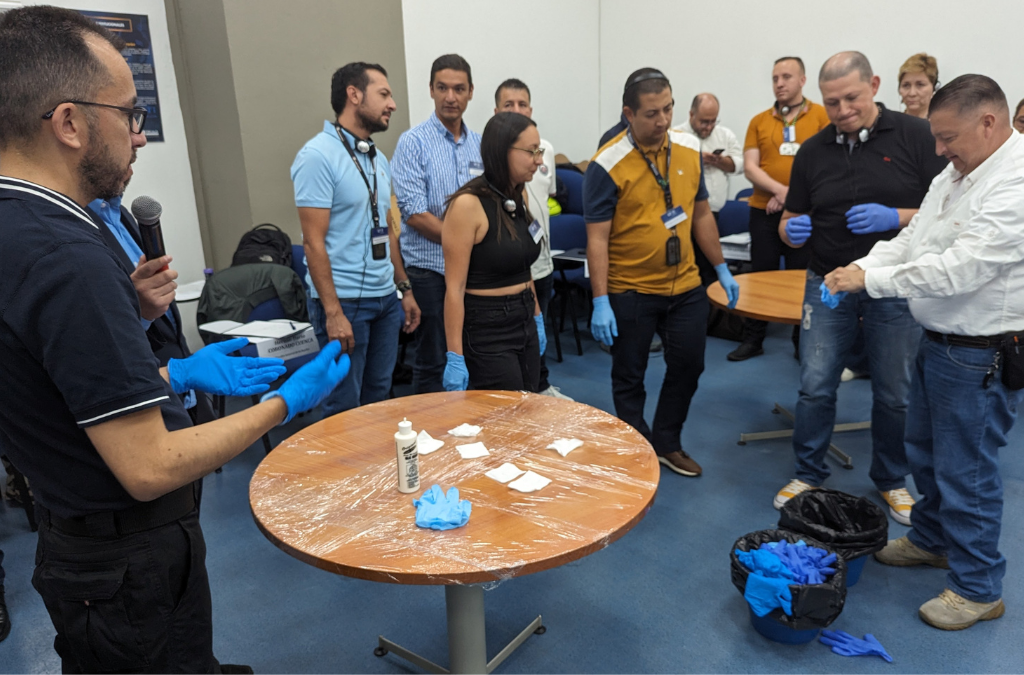
INTERPOL’s specialist CBRNE teams support member countries in preventing, preparing for and responding to such incidents, through information sharing and intelligence analysis, operational support and capacity building and training. The latter is delivered through tailored programmes that focus on a specific type of CBRNE material. Since preventing, preparing for and responding to CBRNE incidents requires a multi-agency approach, law enforcement officers, first responders, judicial authorities, regulators, health authorities, environmental agencies and more are also the target audiences for our programmes, which are designed to empower the country concerned to take the lead going forward, with INTERPOL providing ongoing long-term support.
From capacity building to national action
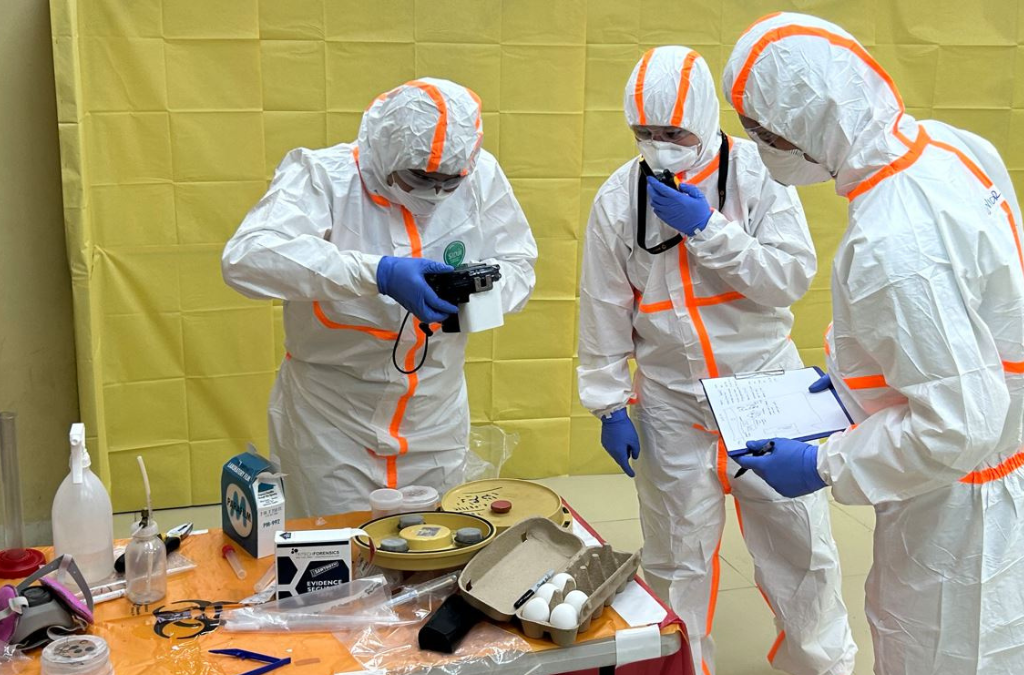
Transferring knowledge and skills works. Authorities in many countries embed aspects or all of the programmes in national guidelines, official operating procedures or police academy curricula, for example. In Tunisia, the success of INTERPOL’s recent biosecurity training has led to the rollout of a national “train the trainer” initiative allowing first responders to recognize the indicators of a biological incident early. “Investigations and evidence collection in incidents involving dangerous biological materials require expert protocols and INTERPOL’s biosecurity programme allowed us to make significant progress in that area,” says Abdelkarim Krich, Director of Tunisia’s Judicial Police. “We are now working to build a team of trainers able to transfer that and other learnings to first responders across the country through multi-agency training that aims to give them a real biosecurity culture.”
Human and animal health professionals also participated in the INTERPOL programme and are part of the national training approach. For Dr. Asma Ferjani, Head of Bacteriology at the Institut Pasteur in Tunis, among the key benefits were “the emphasis on the importance of a multi-agency response and a deeper understanding of the indicators, triggers and early warning signs of biological incidents, which is crucial to reducing detection times and accelerating notification procedures.”
New procedures in Colombia
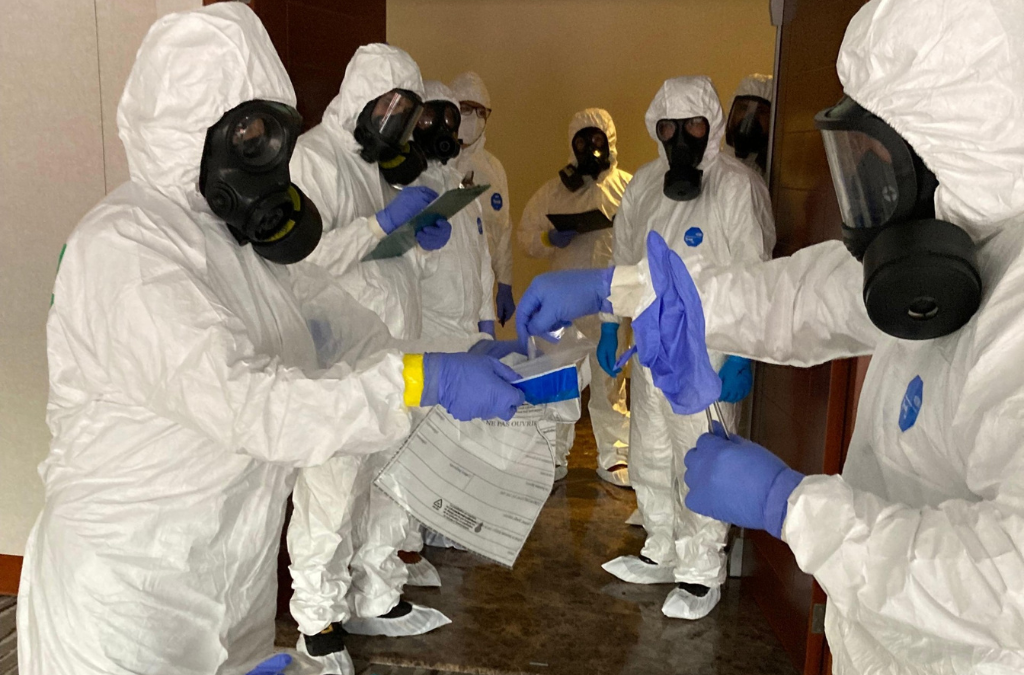
In Colombia, INTERPOL delivered programmes on both chemical and explosives (ChemEx) and radiological and nuclear (RAD/NUC) threats. Over a three-year period, the RAD/NUC programme focused on training law enforcement and judicial authorities, with a strong focus on managing crime scenes. “The programme gave us the highly specialized knowledge required for this type of incident,” says Captain Cristian Mauricio Buitrago Ospina, Head of the Anti-Explosives, Counterterrorism, and CBRN Incidents Unit with Colombia’s Policia Nacional, “from identifying potential incidents to securing the area, handling hazardous materials, clarifying roles and response coordination and prioritizing the safety of the public and personnel.” As a result, national authorities have decided to draft and implement official Standard Operating Procedures in three areas: the evaluation of radiological or nuclear alerts and incidents, forensic response and coordination at crime scenes and working with the national nuclear authority to support forensic activities in their laboratories.
From the classroom to operational reality
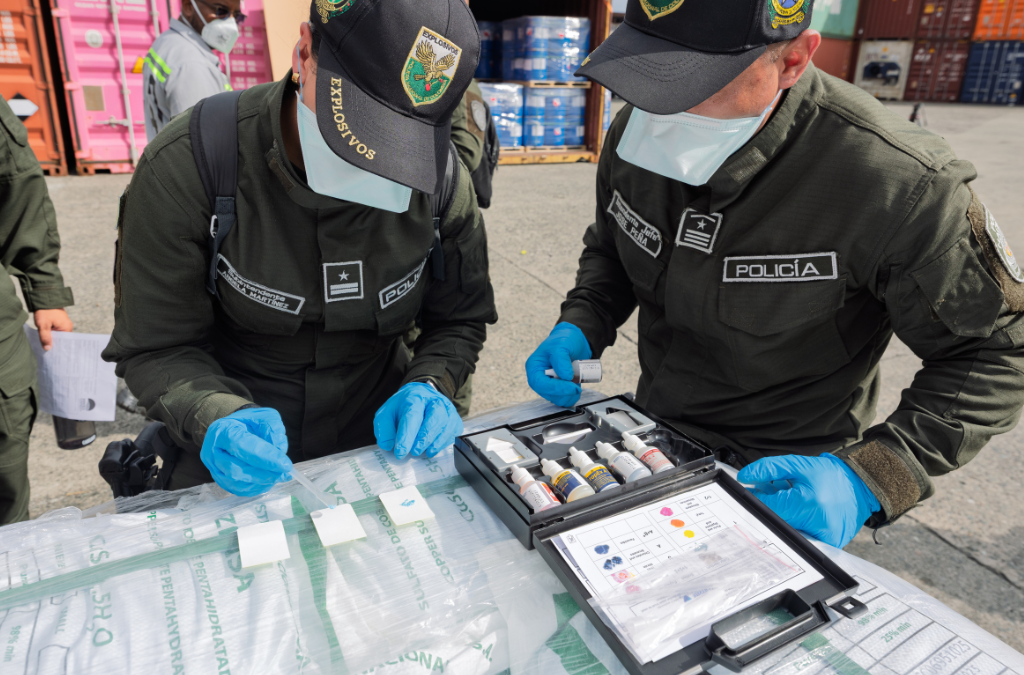
Run over a similar timeline, INTERPOL’s ChemEx programme in Colombia culminated in a real-world, multi-agency operation targeting cross-border smuggling of dual-use chemicals. Also involving Ecuador and Peru, Operation CHASE was the first in South America to target cross-border smuggling of dual-use chemicals and led to the publication of several INTERPOL Red and Purple Notices. “It was very beneficial to put the knowledge we acquired during the training into practice in our day-to-day work,” continues Captain Buitrago Ospina. “As well as INTERPOL and the Policia Nacional, we had the full support of the Attorney General’s Office, Customs and the Navy and the multi-agency approach was key to allowing us to identify and mitigate potential future threats during the operation, as well as reacting to criminal activities.”
“The success of our programmes is also built on our work with member countries on information sharing, intelligence analysis and operational support,” says Camille Scotto de Cesar, Policy Analyst with the CBRNE team. “Our aim is always to help them implement sustainable CBRNE initiatives that have real impact in their national context.”