





Drones have become an integral part of today’s economy. Estimates put the global market value at USD 69 billion today and up to USD 148 billion by 2036. Unmanned, automated and versatile, their legitimate benefits are matched by their utility to criminals and other bad actors. With unique expertise in the field, INTERPOL informs international drone countermeasures and supports police capabilities worldwide.
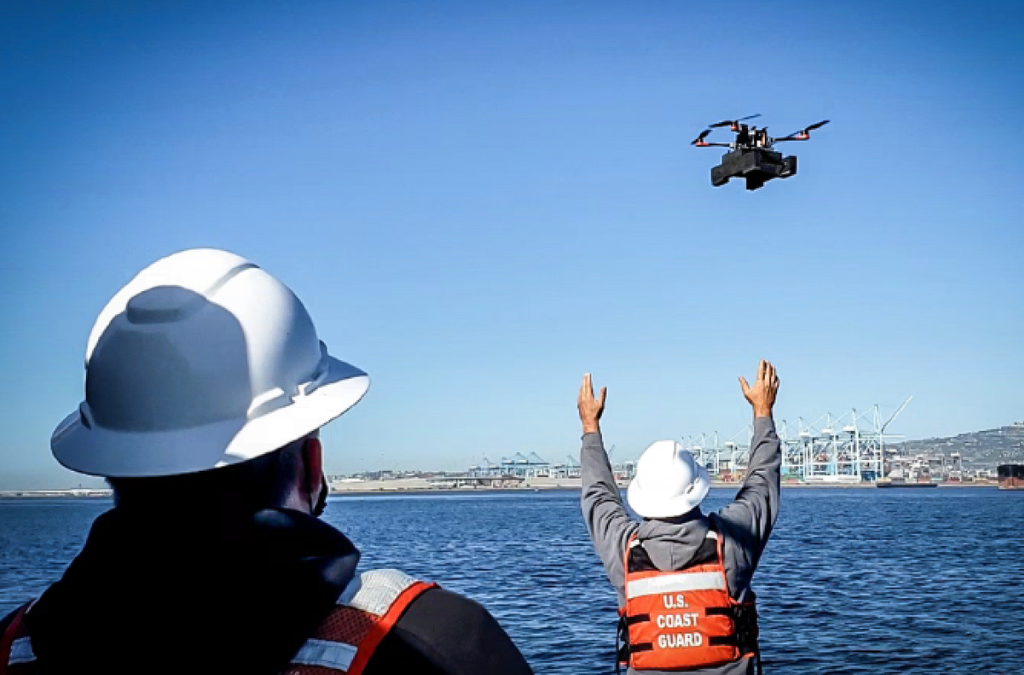
Between September and November 2025, eleven European countries reported over sixty sightings of unauthorised drones over civilian airports or military installations, leading to airspace closures, disruption to flights and significant financial losses. In 2018, drone sightings at London Gatwick closed the airport for three days, while this February, a suspected Mexican cartel drone briefly shut down El Paso airport in southern Texas. On the same day as the El Paso incident, the European Commission published its EU Action Plan on Drone and Counter Drone Security.
Defence readiness in Europe
The action plan follows the publication in October of a Defence Readiness Roadmap for the EU, setting out details of a future drone barrier on its eastern borders. It covers prevention, detection and response measures against drones and includes support for standardized testing of counter-drone systems through the EU’s COURAGEOUS2 project, launched in 2025.
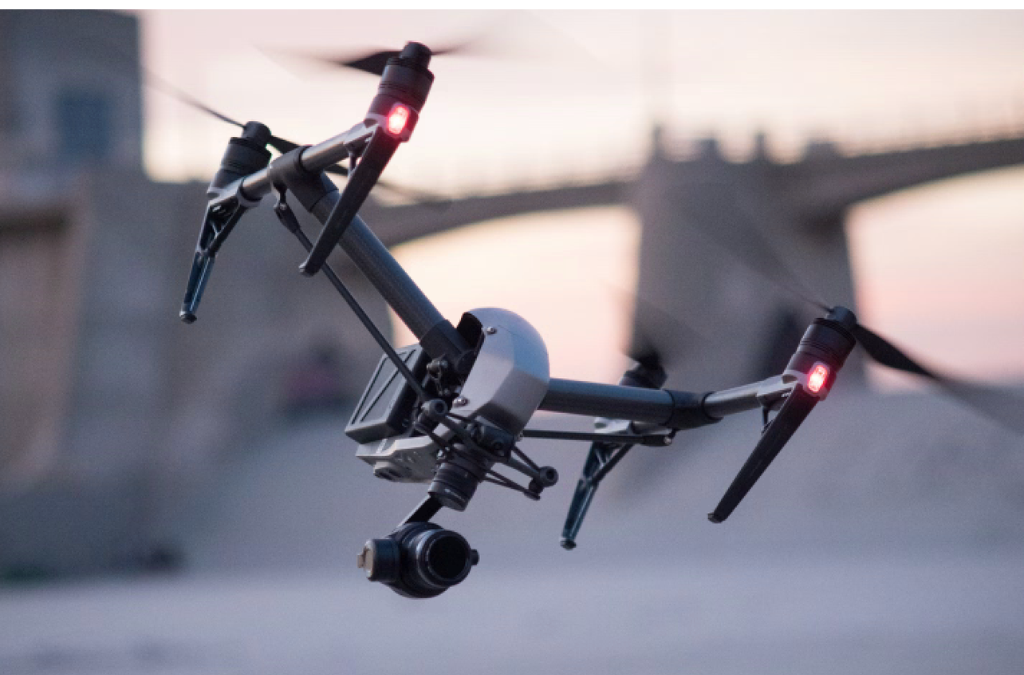
INTERPOL is the project’s lead law enforcement partner. “Until now, counter-drone development has been ad hoc, but a standardized approach is essential to effectively tackle threats from malicious drone use”, notes Christopher Church, INTERPOL’s Senior Mobile Forensics Specialist. “INTERPOL began developing an initial framework for testing countermeasures during the first COURAGEOUS project from 2021 and now, in the second phase, we are standardizing these protocols to create a Europe-wide drone threat reporting network, involving a wide range of collaborators, including law enforcement and civil aviation authorities”.
Unique testing protocols
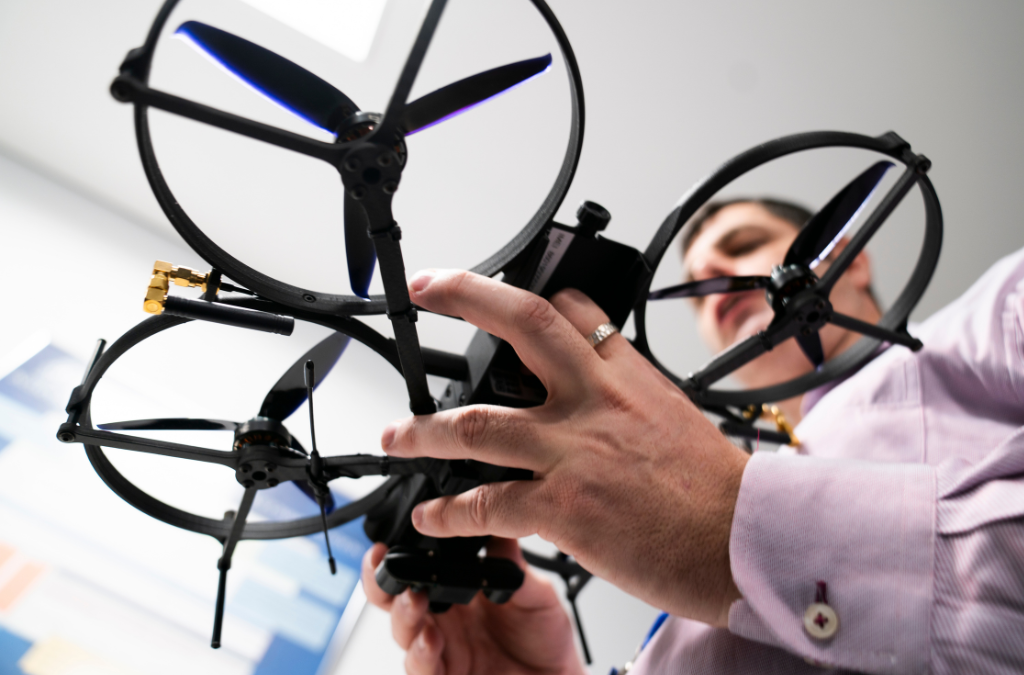
INTERPOL also works globally on improving law enforcement responses to malicious drone use. Our rigorous, real-world testing protocols involve both law enforcement agencies that use existing drones and the private companies that develop and make them. “The counter-drone systems on the market can cost up to USD 10 million” says Christopher Church, “so law enforcement agencies cannot afford to guess that they’re making the right choice. INTERPOL provides the only global platform for rigorous, independent testing of these systems, helping our member countries navigate a crowded and expensive market”, he continues. “We fly up to ten drones at the same time, using existing systems to detect, track and try to neutralize them in complex urban airspaces such as airports and city centres”.
Protecting airspace and seascapes
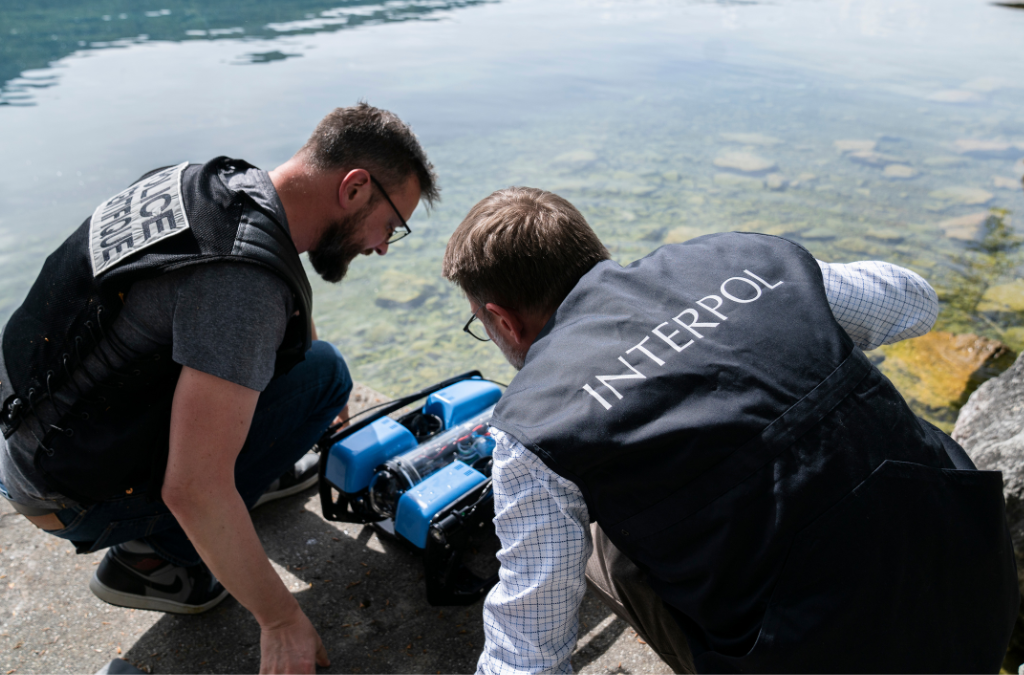
The latest INTERPOL Drone Intervention Counter Measure Exercise took place in Seville, Spain, and San Diego, USA, in May and September 2025 and included tackling drone threats at a port, securing a VIP convoy in a downtown environment and protecting several sea vessels, including an aircraft carrier and a police boat, from swarms of drones. This June, the team will be in Norway, testing both airborne and submersible drones in a highly sensitive secure area around a remote North Sea oil refinery. “The challenge with threats from submersibles, of course, is that you cannot see them and currently there is very little technology available to detect underwater activity”, says Christopher Church. “We plan to test at least ten submersible drones during the exercise, with the aim of developing the kind of test framework that is already underway for airborne drones”, he continues. “You need passion as well as expertise to innovate and it will be exciting to be bringing together experts from law enforcement, industry and critical sectors like prisons, airports, the military and more for such a unique and, we hope, productive event.”