




The issues
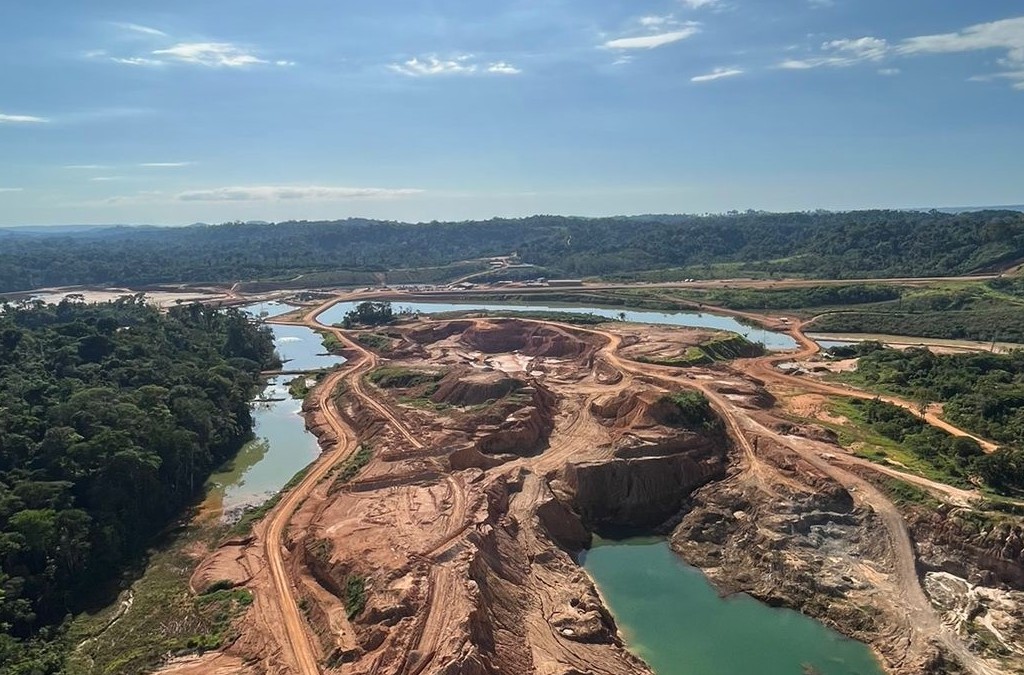
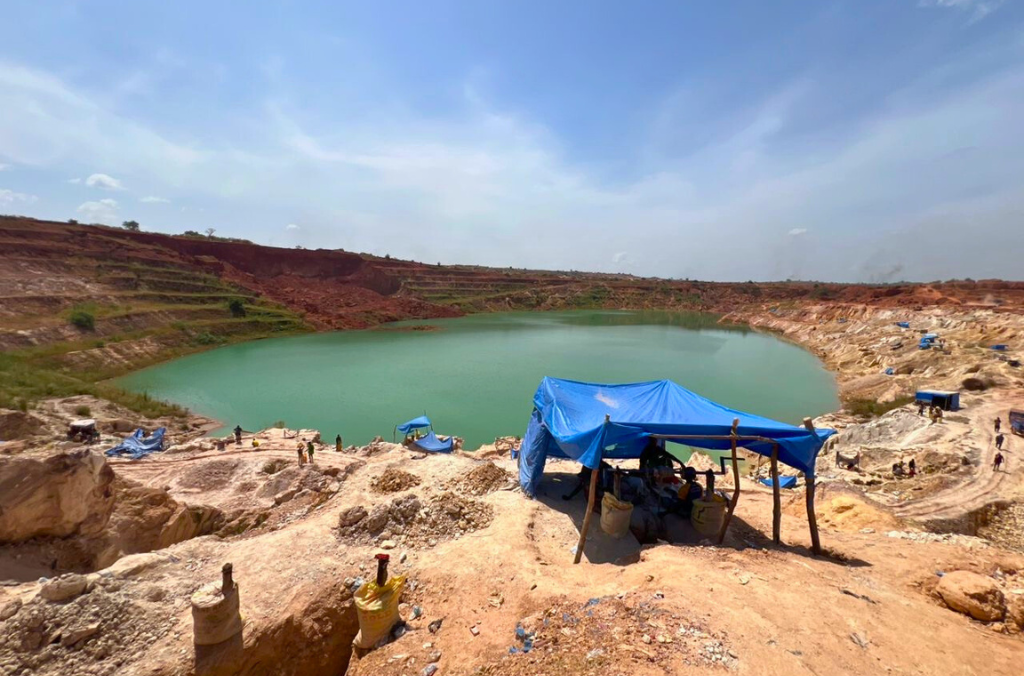
Illegal mining is an environmental crime that drives deforestation, soil erosion and water pollution. The toxic chemicals used in extractions contaminate waterways, devastate ecosystems and endanger human health. Although mining of critical minerals is vital to many national economies, significant parts of it continue to operate informally and illegally. This gap in oversight presents criminal groups with opportunities to establish territorial control, exploit natural resources and the people that depend on them for survival.
Artisanal and small-scale mining often operate on the margins of the law. Generated revenues fuel corruption, armed conflict, and lead to severe human rights abuses including human trafficking and forced labor. Once extracted, illegally mined minerals move through opaque, cross-border supply chains and allow organized criminal groups to profit while laundering money on a global scale.
The impact of illegal mining is significant and has huge financial implications. Illegal gold and sand mining alone generate billions of dollars every year, depriving governments of public revenue while continuing to devastate biodiversity, climate resilience and human life.
INTERPOL's response to illegal mining
INTERPOL works with member countries to detect, disrupt and dismantle the criminal networks behind illegal mining. By supporting law enforcement agencies in their investigations of supply chains, INTERPOL aims to dismantle smuggling routes, shut down illegal mining sites and prosecute those responsible.
It strengthens international cooperation through capacity building and training to ensure law enforcement agencies have the skills and tools necessary to tackle illegal mining and its links to organised crime, money laundering and human rights abuses.
Through joint operations, strategic partnerships and global intelligence sharing, we help member countries protect ecosystems, local communities and livelihoods from the destructive impacts of illegal mining.
Areas of work
Project GAIA
Within the framework of the 'Fighting Climate Change and Loss of Biodiversity' project, GAIA is supported by the German Federal Ministry for the Environment, Climate Action, Nature Conservation and Nuclear Safety. INTERPOL supports member countries through mentoring and capacity building to strengthen law enforcement capabilities in detecting and investigating illegal mining and associated crimes. The project aims to increase criminal intelligence collection and exchange, while enhancing transnational investigations to dismantle organised criminal networks operating across borders.
INTERPOL also supports the Clean Gold Programme (Programa Ouro Alvo), an initiative undertaken by the Brazilian Federal Police to combat illegal gold mining at the regional level, helping trace illegal supply chains.
Operations
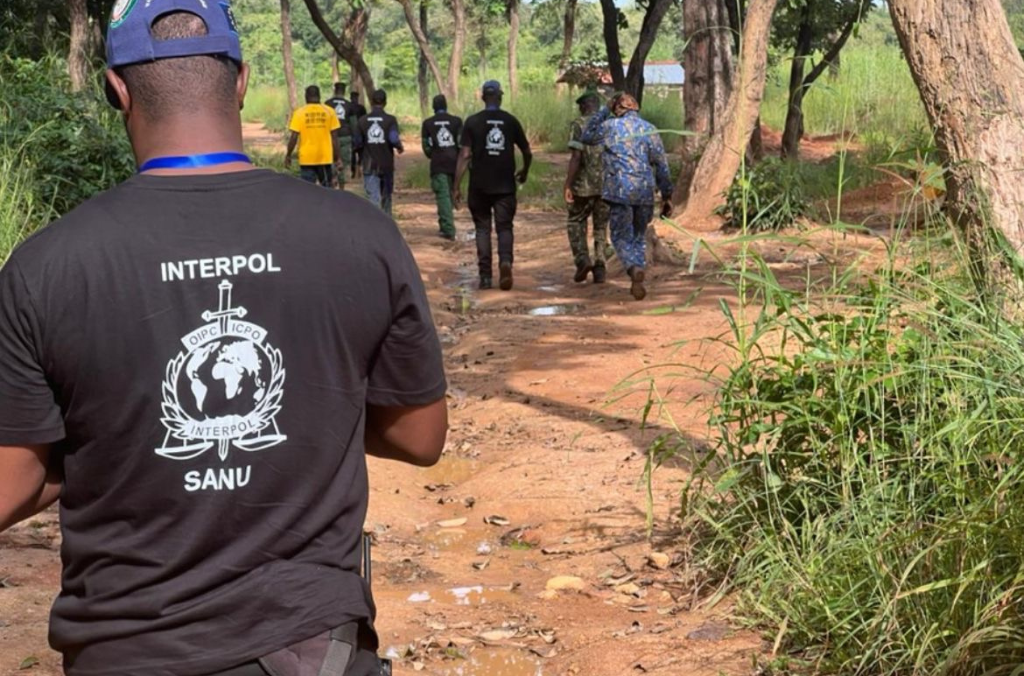
Recent operations led by INTERPOL, such as Operation Sanu (deployed to Central Africa in 2024) and Operation Aurum (Nigeria, 2023), have targeted illegal mining and related crimes across Africa. These efforts have resulted in hundreds of arrests, the seizure of toxic chemicals and equipment, and the dismantling of criminal networks responsible for deforestation, water pollution and human exploitation.
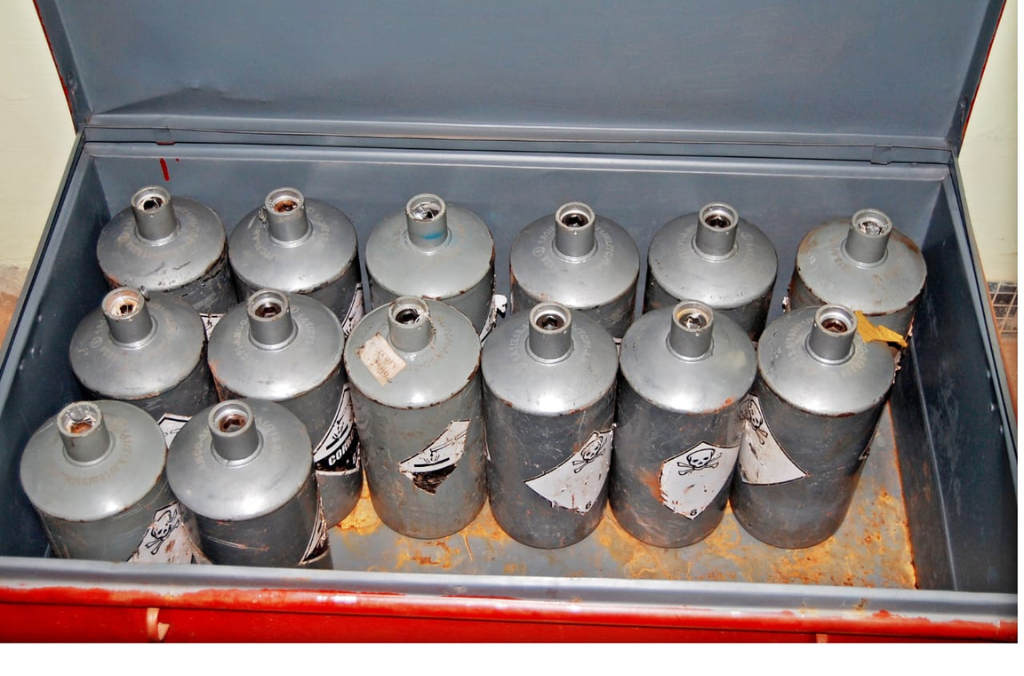
Illegal Mining and Associated Crimes (2022)
The INTERPOL report “Illegal Mining and Associated Crimes - A Law Enforcement Perspective on One of the Most Lucrative Crimes" provides an overview of the crime area and associated threats in the Latin American region; with a specific focus on Bolivia, Brazil, Colombia, Ecuador, Panama and Peru.
The purpose of the report is to assist law enforcement from associated countries in the identification of high value targets (key players and facilitators), their modus operandi, linkages with other crimes and international connections.
This report was elaborated within the framework of the Project MNYA, funded by the Norwegian Ministry of Climate and Environment.
Documents associés

Voir aussi


Réseaux sociaux
