





Through a combination of international police cooperation and support from the media and the public, INTERPOL’s public campaign to identify women found dead across Europe has restored their names to women from the United Kingdom, Paraguay, Russia and Germany. The search to identify more continues.
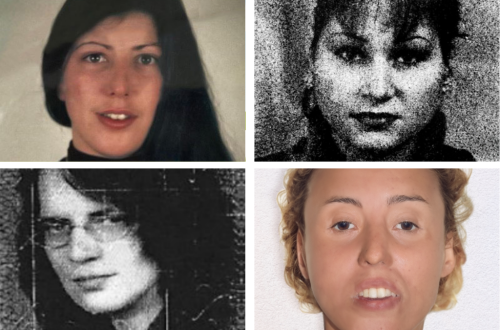
Rita Roberts. Ainoha Izaga Ibieta Lima. Liudmila Zavada. Eva Maria Pommer.
These are the names of the women whose bodies were found in Belgium, Spain and the Netherlands and identified up to 31 years later thanks to the INTERPOL-coordinated campaign Identify Me.
The campaign took shape after police in the Netherlands discovered that a large number of unidentified victims in cold cases were women who had died through violence or in suspicious circumstances and were likely to be foreign nationals. In a bid to identify them and potentially bring possible suspects to justice, they began discussing the idea of a public campaign with colleagues in neighbouring Germany and Belgium. The three countries then approached INTERPOL as the only international police organization able to coordinate data and biometrics exchange on a global scale and also the organization best placed to encourage police worldwide to take part in the investigations.
A name for The woman with the flower tattoo
The first phase of Identify Me launched in May 2023, with a public appeal to help identify 22 bodies found in the three partner countries. The victim in each cold case was given a title – The woman in the well, The woman with the bracelet, and so on – and the appeal included a photograph, sketch or reconstruction of the victim, as well as distinctive details: clothing, jewellery, a tattoo or an object found with the body.

A first success came just two days after the launch, when the family of The woman with the flower tattoo contacted the hotline after recognizing the tattoo from news coverage. The woman was named as Rita Roberts, who had moved to Antwerp, Belgium, from her hometown of Cardiff, United Kingdom, in February 1992 and, except for a postcard sent home in May 1993, had never been heard from again. By November 2023 – thirty-one years after her disappearance – her body was formally identified.
“Finding Rita Roberts so soon after the campaign began was both moving, from a personal perspective, and profound in that it validated the approach we had taken to identify these women,” says Dr Susan Hitchin, DNA Coordinator with INTERPOL’s Forensics and Police Data Management team. “It combined all of the elements we were hoping for when we launched the appeal: the recognition of a distinctive feature and family members who were still alive who were still looking for their loved one and hoping for answers.”
Global biometrics exchange
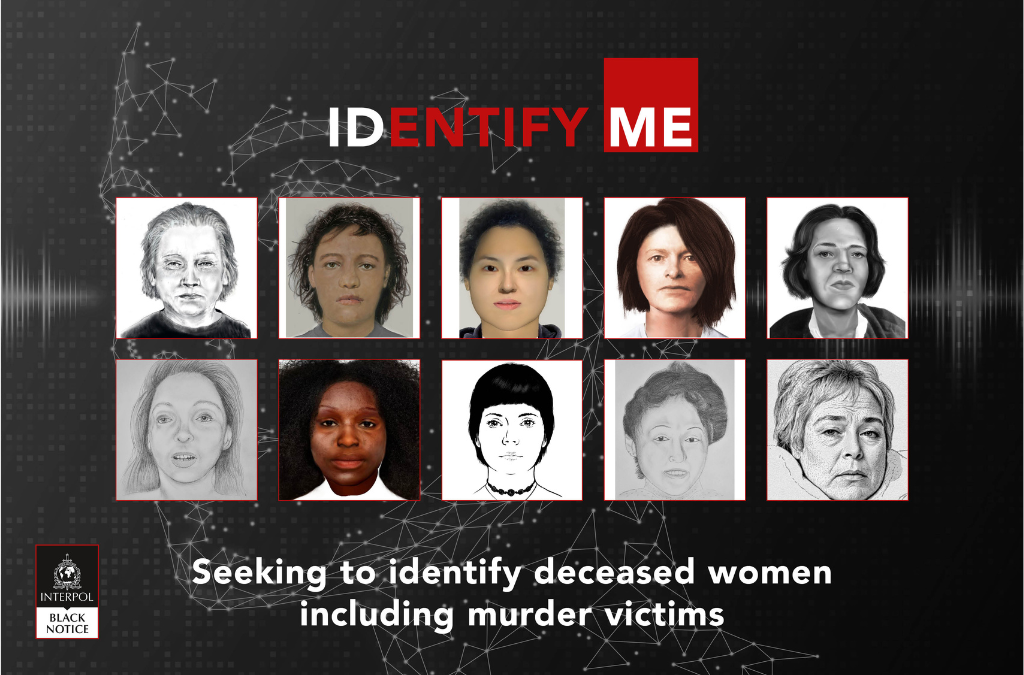
That initial success and the power of the international data exchange behind the scenes led to interest from police forces in other countries. Spain, France and Italy joined the campaign for the launch of a second phase in October 2024, bringing the total of cold cases covered by the Identify Me appeal to 47. In the drive to solve them, the forensics team at INTERPOL circulated information on the unidentified women to all of our 196 member countries. This included biometric data like DNA or fingerprints where available, photographs, sketches or AI enhanced images. They also provided the relevant Black Notices, the INTERPOL tool used to inform police worldwide about unidentified bodies and seek intelligence to determine the circumstances of the death. They called on member countries to check the information against their national databases and flagged cases where DNA analysis suggested the remains were likely to have come from a specific region—or were found with personal items linked to a particular country, such as a coin or a key.
Three more identities revealed
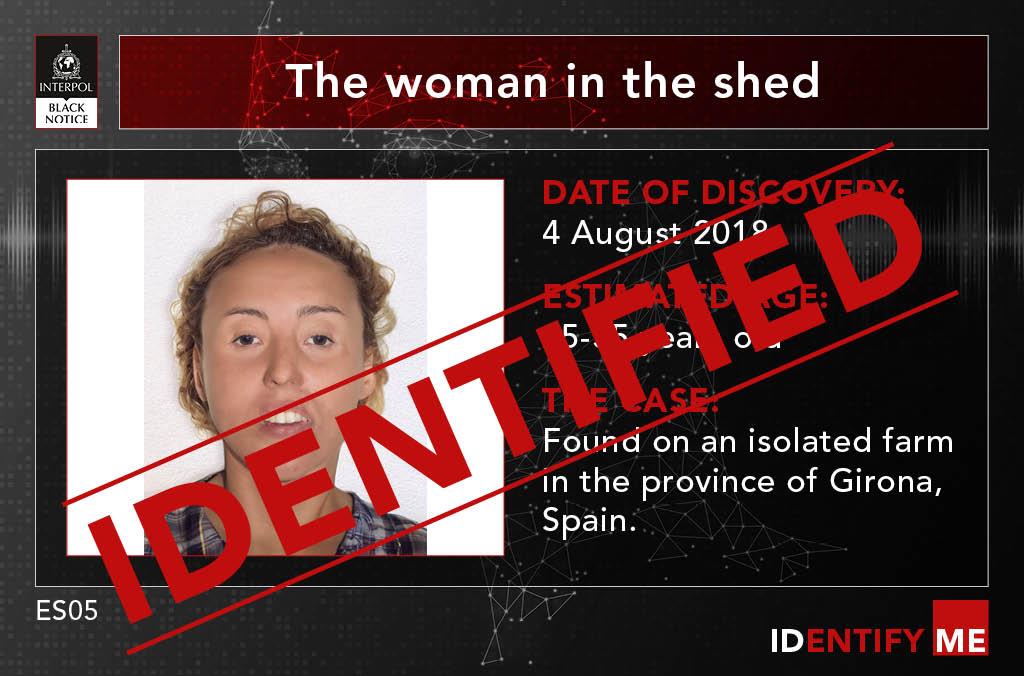
33 year old Ainoha Izaga Ibieta Lima, from Paraguay, whose body had been found in Spain in 2018, was identified in March 2025 when Paraguayan authorities matched fingerprints provided by Spain in a Black Notice against their own national databases.
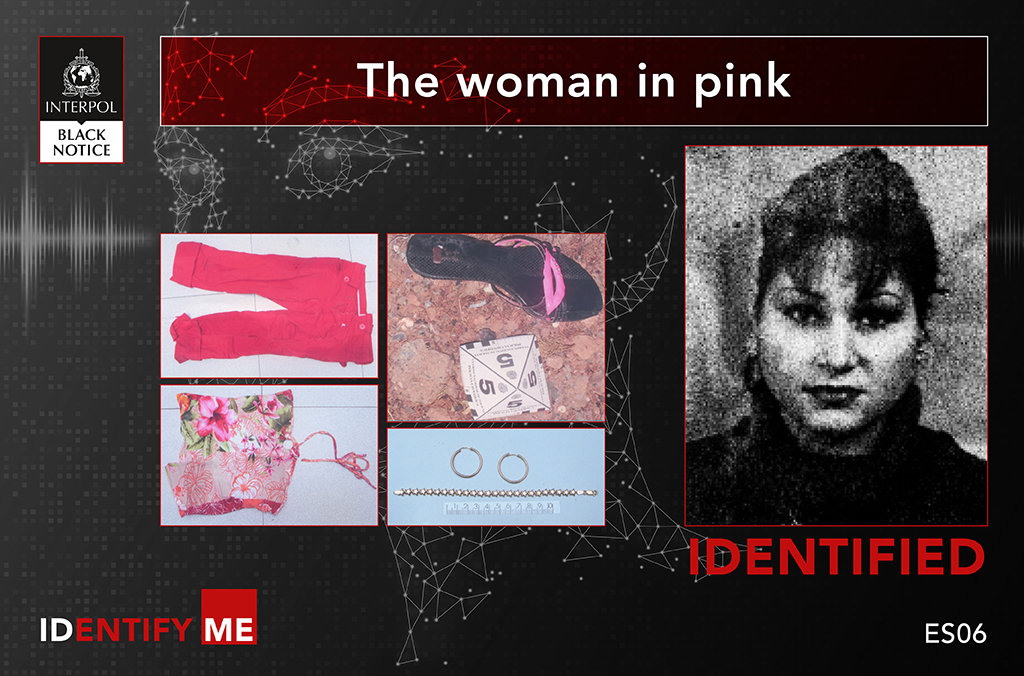
31 year old Russian national Liudmila Zavada, who had been found dead in suspicious circumstances in Spain in 2005, was identified in September 2025 when Turkish police found a match with fingerprints on their national database and then through DNA kinship analysis of a family member by Russian authorities.

And the body of Eva Maria Pommer, a 35-year-old German citizen, was discovered in the Netherlands in 2004 but remained unidentified until October 2025, when a tip-off to Dutch authorities led to DNA testing that confirmed her identity — 21 years after her death.
“The efforts of our colleagues in the six countries directly involved in the campaign and in many other member countries have been crucial to giving their names and their personal story back to all four women identified so far,” says Dr Susan Hitchin. “They’ve shown real dedication to the campaign, but we are determined to identify more of the bodies and to do that we encourage national law enforcement agencies to share as much data with us as they can.”
Continuing the public appeal
The public has also played a vital role in this effort—through individuals and family members, missing persons associations, and even amateur detectives.
To take that a step further INTERPOL is exploring how to turn this campaign into a lasting legacy by including more countries in the campaign as well as developing our missing person tools. “We know that the names and the families of the 43 remaining missing women are out there, along with many other unidentified or missing persons and in some cases the criminal who killed them,” Dr Hitchin concludes. “We will continue the search and make our forensics expertise and international systems available to help give a name back to as many of them as we can .”
The Identify Me campaign continues, still seeking answers on 43 cases of unidentified women. We urge anyone who may have information, particularly those who remember a missing friend or family member, to visit our dedicated website at Identify Me and contact both INTERPOL and the relevant national authorities.
If you believe one of the deceased women may be your missing loved one, you can also reach out to your national police, who can then work with INTERPOL to facilitate international DNA comparisons and potentially bring answers to your family.