




LYON (Francia) – Una operación internacional coordinada contra la trata de personas ha permitido identificar a 2 070 víctimas, detener a 1 024 sospechosos e iniciar 465 investigaciones.
La operación Global Chain, llevada a cabo del 8 al 12 de junio, reunió a las fuerzas del orden de 59 países de África, las Américas, Asia y Europa para luchar específicamente contra las redes de trata dedicadas a la explotación sexual, el trabajo forzoso, la realización forzada de actividades ilícitas y la mendicidad forzada.
La operación, dirigida por las fuerzas del orden de Austria y Rumania y coordinada por INTERPOL, Europol, Frontex y Ameripol, se saldó con 334 detenciones por delitos de trata de personas y 690 por delitos conexos.
Actuaciones coordinadas de las fuerzas del orden
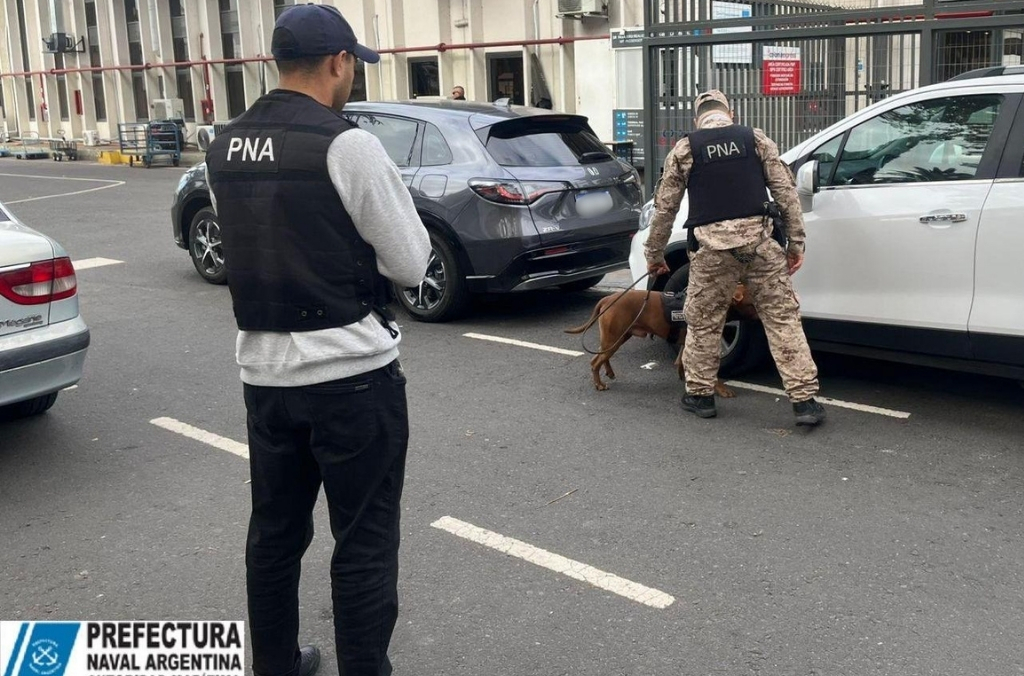
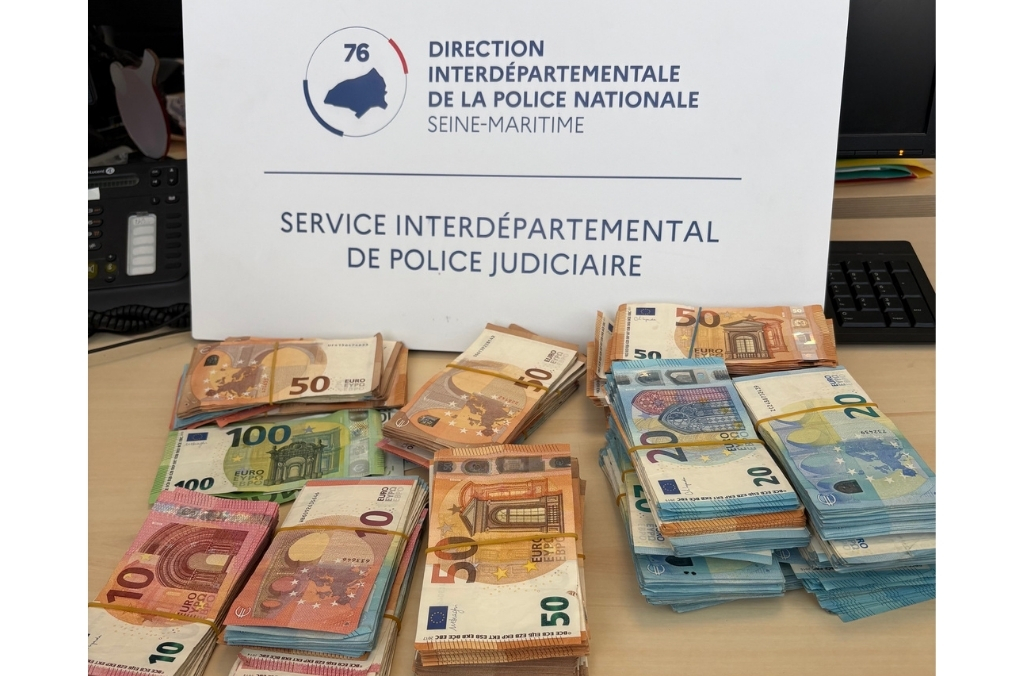
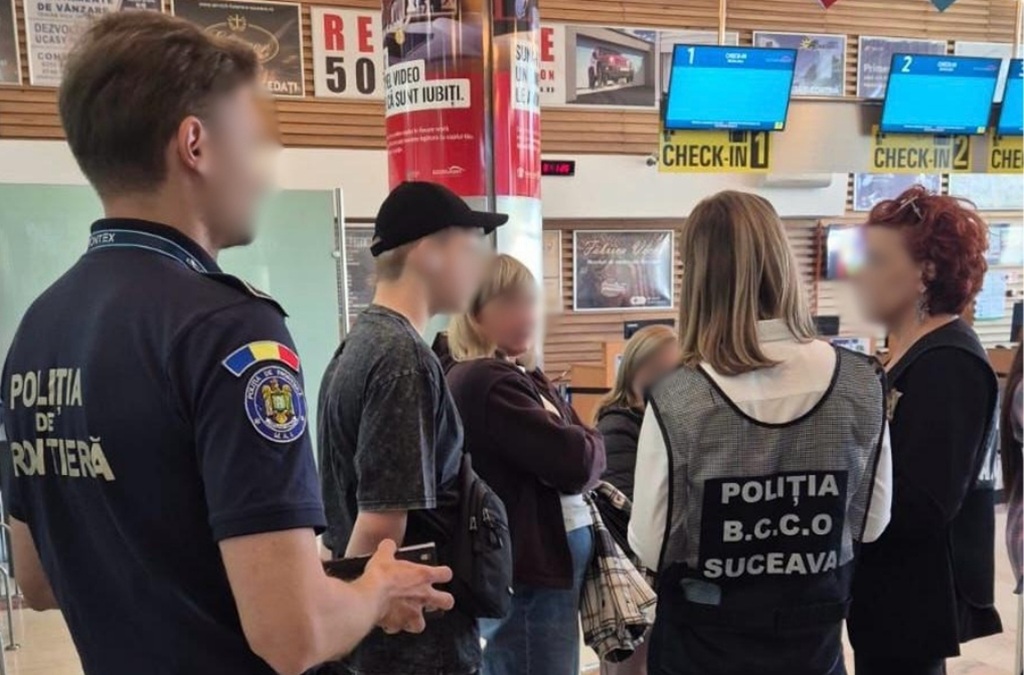
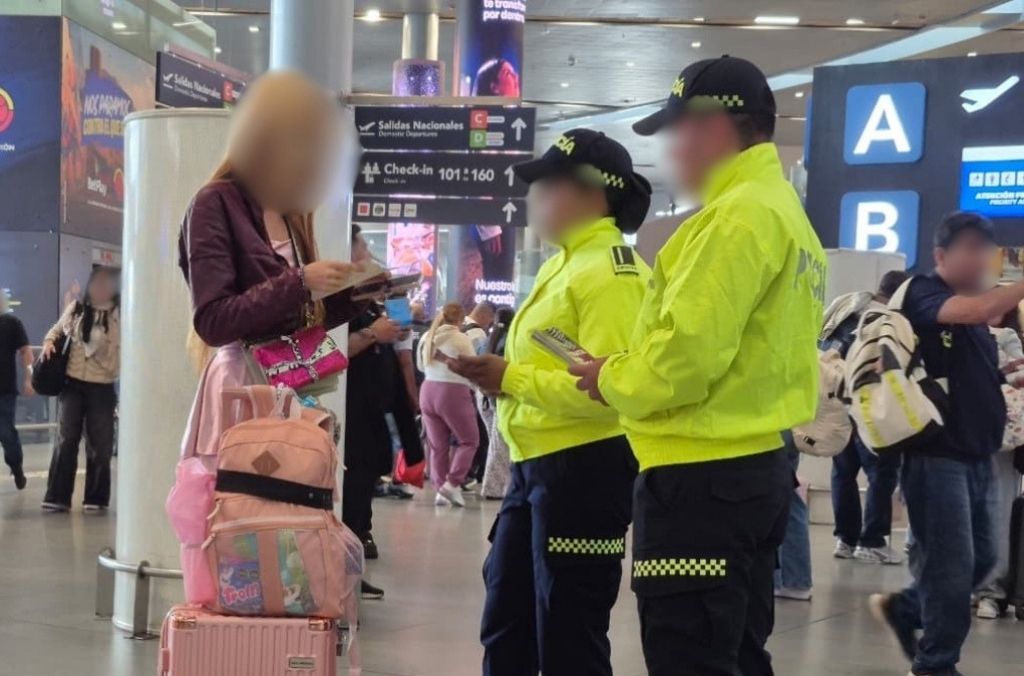
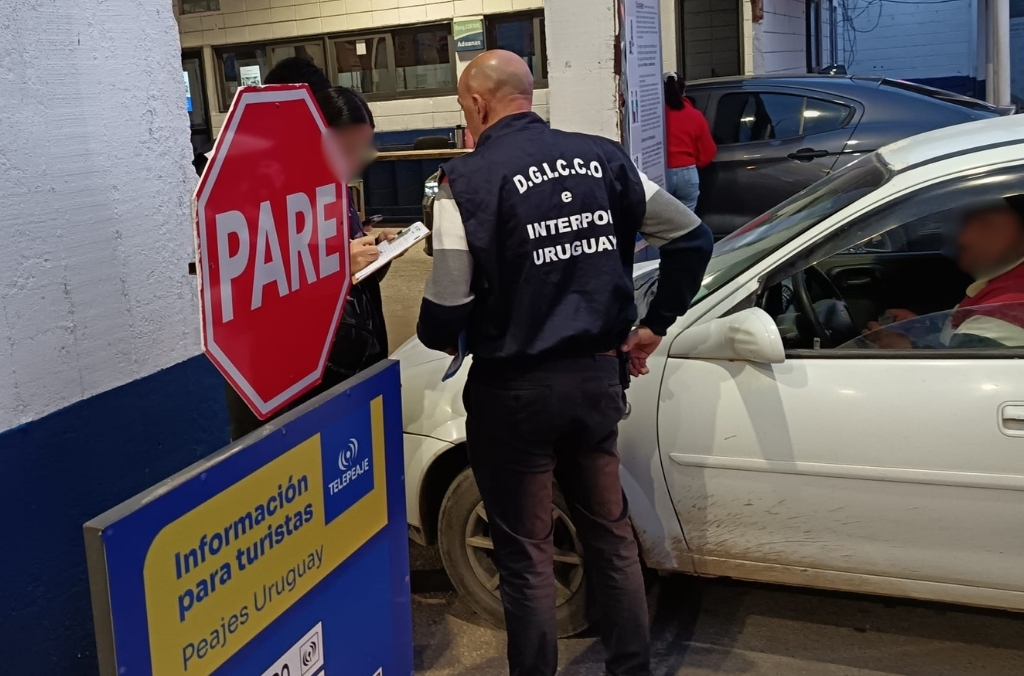
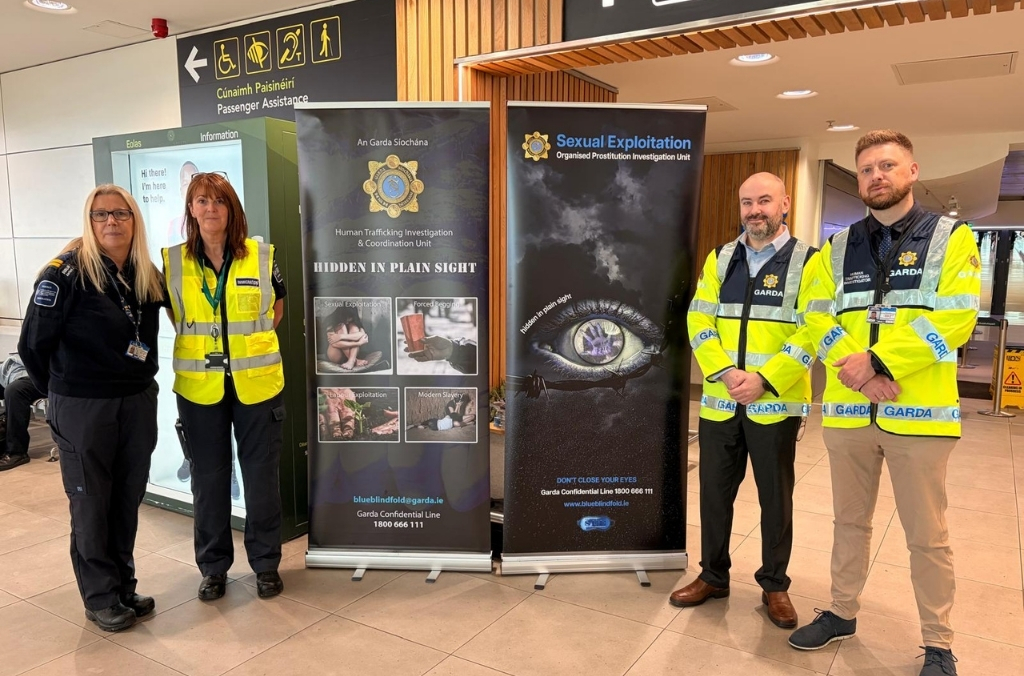
Durante los cinco días que duró la operación, la policía, los servicios de control de fronteras y las unidades especializadas en la lucha contra la trata llevaron a cabo controles en puestos fronterizos, aeropuertos y otros centros de transporte, así como en los focos de tráfico que se descubrieron gracias a las investigaciones.
Los países participantes intercambiaron información policial en tiempo real mediante la red de comunicación protegida I-24/7 de INTERPOL, así como a través de Europol y Ameripol, lo que permitió realizar cotejos y coordinar las actuaciones de las fuerzas del orden. En apoyo de las investigaciones, INTERPOL publicó 17 nuevas notificaciones, mientras que los controles fronterizos generaron 20 coincidencias con notificaciones ya existentes.
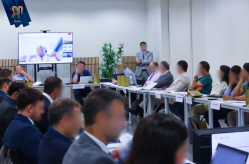
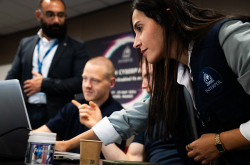
Se establecieron dos centros de mando internacionales en Skopie (Macedonia del Norte) y Río de Janeiro (Brasil) para facilitar las reuniones informativas sobre las operaciones, el apoyo analítico y la comunicación directa entre los países.
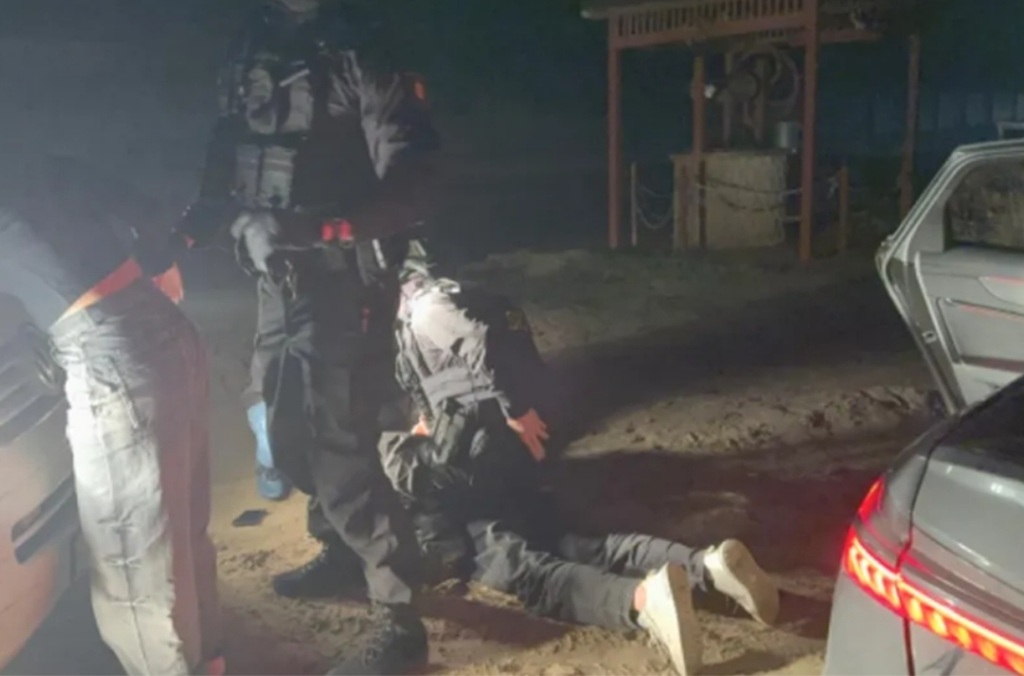
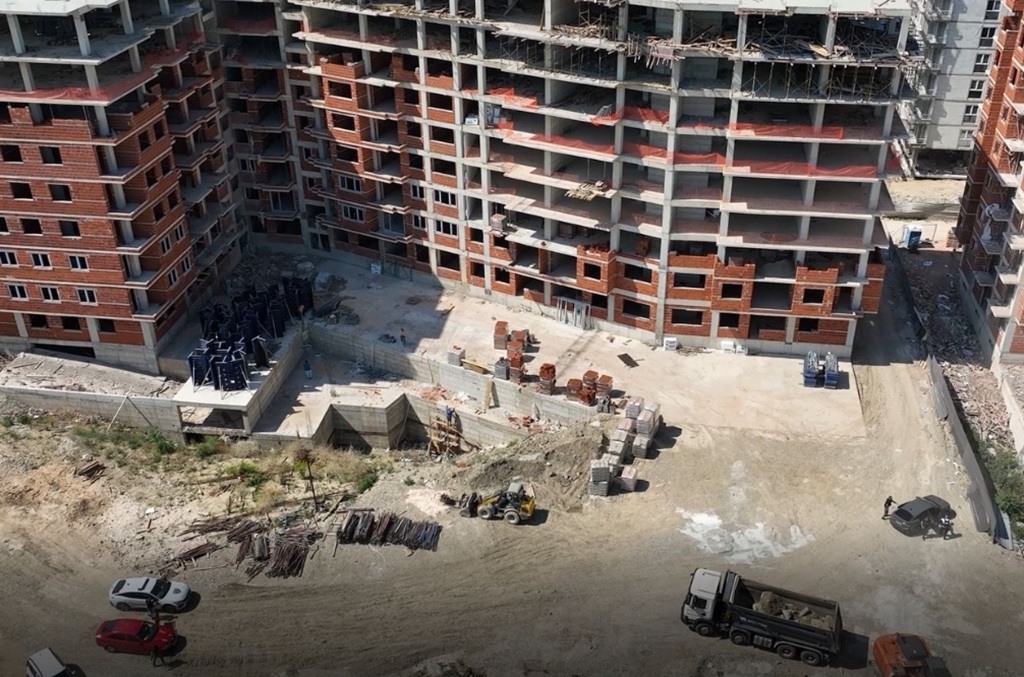
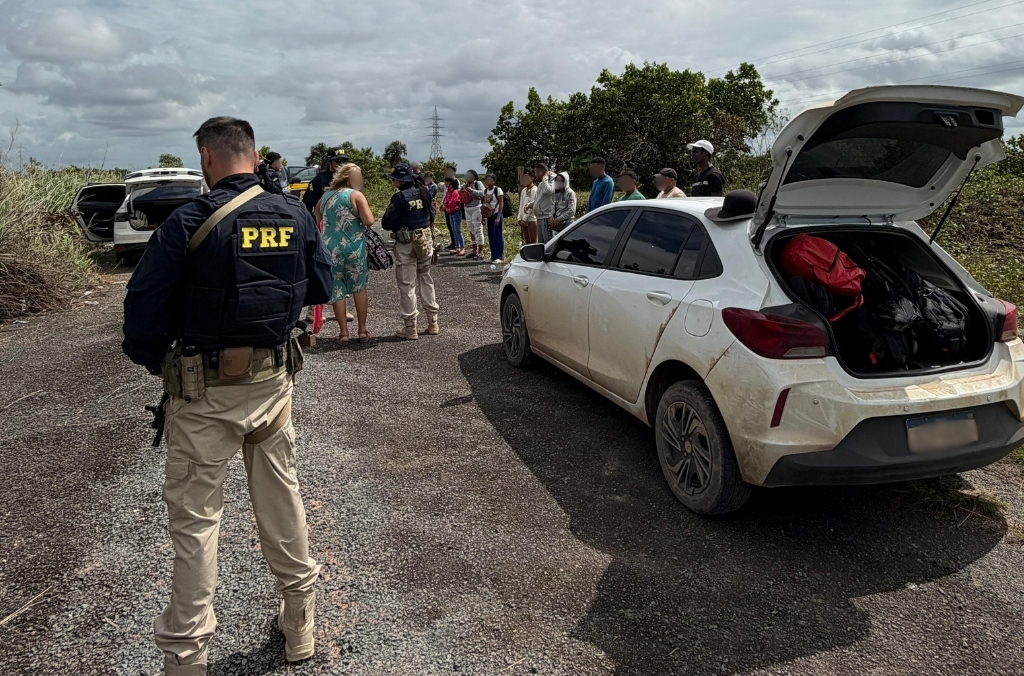
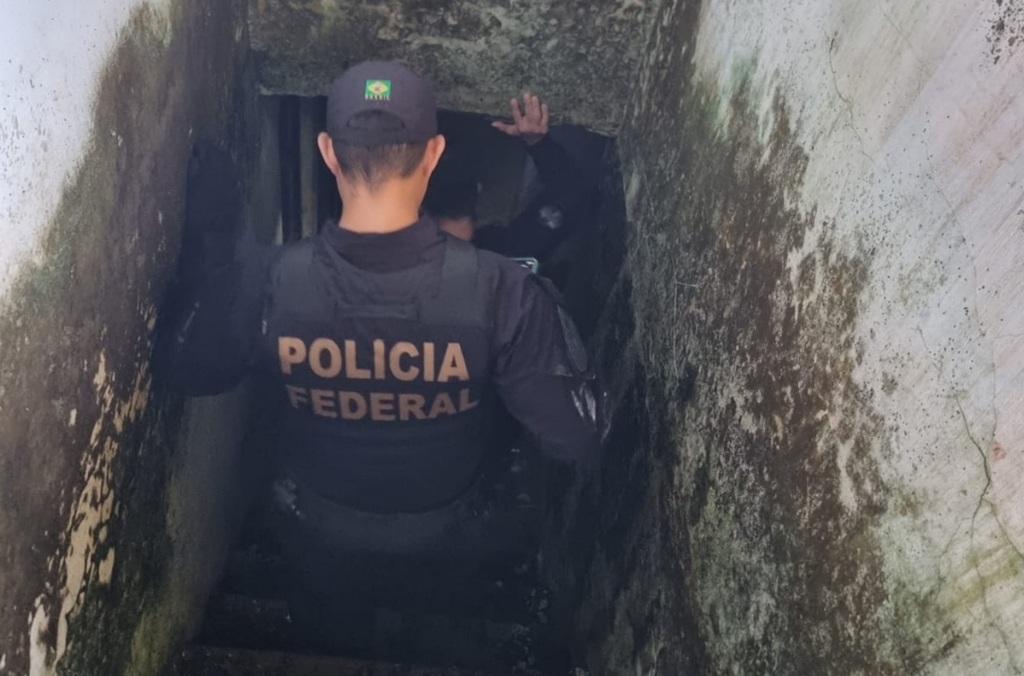
Víctimas identificadas en todo el mundo
Si bien las víctimas procedían de 45 países de diversas regiones, la mayoría eran originarias de Argentina, Colombia y Venezuela, así como de Moldova y Nepal. Muchas de ellas fueron objeto de trata a través de las fronteras tras haber sido engañadas, coaccionadas o seleccionadas debido a sus situaciones de vulnerabilidad.
A continuación figuran detalles de algunos de los casos:
• La Policía Federal de Brasil desmanteló una red transnacional que traficaba víctimas a Camboya, donde se les obligaba a realizar estafas en línea. Las fuerzas del orden identificaron a 406 víctimas (83 brasileñas y 323 extranjeras) y publicaron dos notificaciones rojas y nueve notificaciones azules sobre sospechosos buscados y personas de interés.
• En Argentina, la Policía Federal llevó a cabo dos redadas, en las que rescató a dos menores bolivianos víctimas de trabajo infantil, que estaban siendo explotados en una tienda de comestibles, y detuvo a los traficantes. Las investigaciones permitieron descubrir la existencia de una red de explotación más amplia, coordinada en varios lugares.
• Las fuerzas del orden belgas detuvieron a 17 sospechosos tras desmantelar una red de trata de personas que captaba a niñas menores de edad a través de las redes sociales. Los sospechosos mantenían presuntamente a las víctimas en cautividad y las obligaban a prostituirse en Bélgica y Francia.
Las víctimas identificadas durante la operación Global Chain fueron derivadas a los servicios nacionales de protección y apoyo.
Valdecy Urquiza, secretario general de INTERPOL, declaró:
«La trata de personas sigue siendo una de las formas más lucrativas y generalizadas de delincuencia organizada en todo el mundo, ya que genera unos ingresos ilícitos extremadamente elevados cada año y causa daños graves y duraderos a las víctimas.
La operación Global Chain refleja nuestro compromiso común de combatir esta amenaza mediante una acción coordinada y multiinstitucional. Estos resultados demuestran lo que se puede lograr cuando los países trabajan juntos para desarticular las redes delictivas y reforzar la cooperación entre las regiones. Los traficantes de personas aprovechan las deficiencias a través de las fronteras; nuestra respuesta debe ser igualmente mundial, coordinada e implacable».
Evolución de los patrones de la trata de personas
Los resultados de la operación pusieron de relieve la evolución de las rutas y los métodos de la trata, lo que ilustra que las redes delictivas siguen adaptándose a las oportunidades económicas, las dinámicas migratorias y los acontecimientos geopolíticos cambiantes.
Entre las tendencias detectadas figuran la trata de víctimas latinoamericanas para el trabajo forzoso en Europa, su explotación en actividades delictivas en el Sudeste Asiático y casos de trata vinculados a la participación forzosa en conflictos armados.
Aproximadamente el 10 % de las víctimas eran menores de edad procedentes de las Américas que eran objeto de explotación sexual.
En respuesta a la evolución de las tácticas de captación utilizadas por los traficantes, las fuerzas del orden colombianas lanzaron una campaña de prevención dirigida a los ciudadanos atraídos por ofertas de trabajo fraudulentas en el extranjero.
La campaña ponía de relieve las tácticas habituales de los traficantes con miras a reducir la vulnerabilidad y reforzar la conciencia pública sobre los riesgos.
Nota para los editores:
La operación Global Chain se llevó a cabo en el marco de la Plataforma Multidisciplinaria Europea contra las Amenazas Delictivas, con el apoyo de socios internacionales e iniciativas de financiación como EL PAcCTO 2.0 y el proyecto I FORCE de INTERPOL.
Países participantes: Albania, Alemania, Argentina, Austria, Bélgica, Belice, Bolivia, Bosnia y Herzegovina, Brasil, Bulgaria, Chile, Colombia, Costa Rica, Croacia, Dinamarca, Ecuador, El Salvador, Eslovaquia, Eslovenia, España, Estados Unidos, Estonia, Finlandia, Francia, Georgia, Grecia, Guatemala, Haití, Hungría, Irlanda, Islandia, Kosovo*, Letonia, Lituania, Luxemburgo, Macedonia del Norte, Malta, Moldova, Montenegro, Nigeria, Noruega, Países Bajos, Panamá, Paraguay, Perú, Polonia, Portugal, Reino Unido, República Checa, República Dominicana, Rumania, Serbia, Suecia, Suiza, Tailandia, Ucrania, Uruguay, Venezuela y Vietnam.
* Esta denominación se entiende sin perjuicio de las posiciones sobre su estatuto y está en consonancia con la Resolución 1244 (1999) del Consejo de Seguridad de las Naciones Unidas y con la Opinión consultiva de la Corte Internacional de Justicia sobre la declaración de independencia de Kosovo.


Noticias conexas