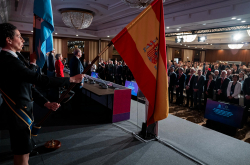





LYON, France – A coordinated international crackdown on human trafficking has led to the identification of 2,070 victims, the arrest of 1,024 suspects and the launch of 465 investigations.
Operation Global Chain, carried out from 8 to 12 June, brought together law enforcement from 59 countries across Africa, the Americas, Asia and Europe in a targeted effort against trafficking networks involved in sexual exploitation, forced labour and criminality, and coerced begging.
The operation, led by authorities in Austria and Romania and co-coordinated by INTERPOL, Europol, Frontex and Ameripol, resulted in 334 arrests for human trafficking offences and 690 for associated crimes.
Coordinated enforcement action
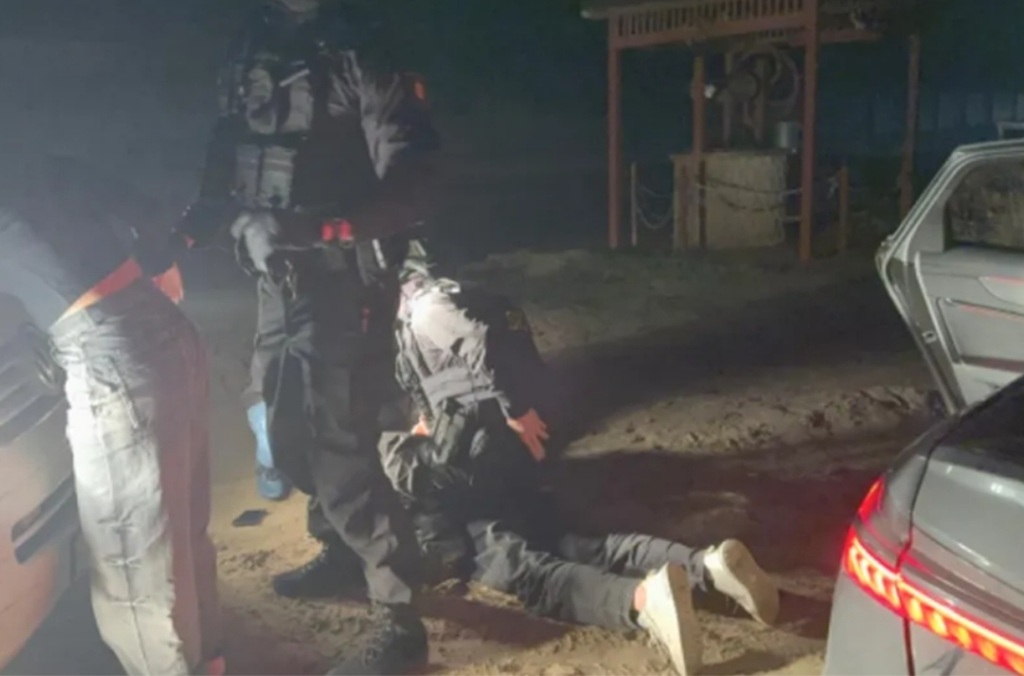
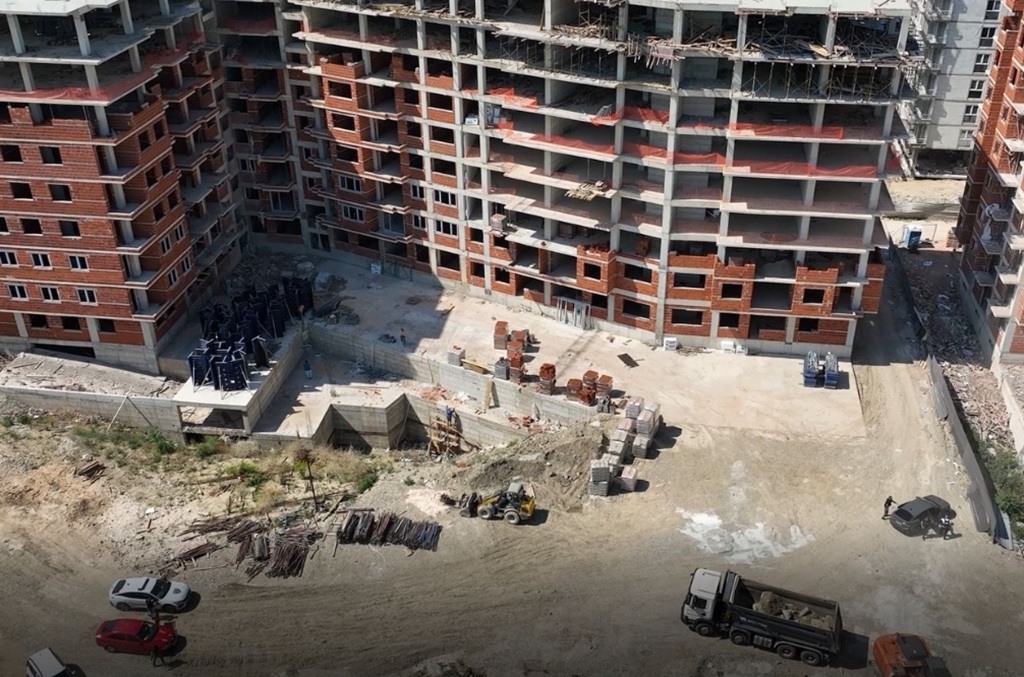
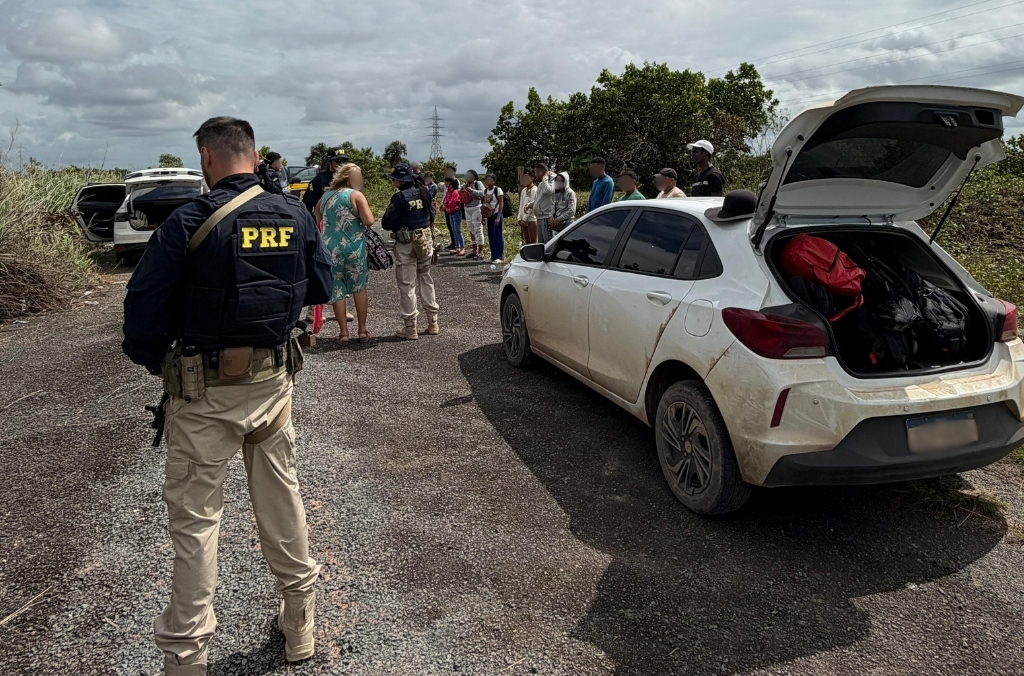
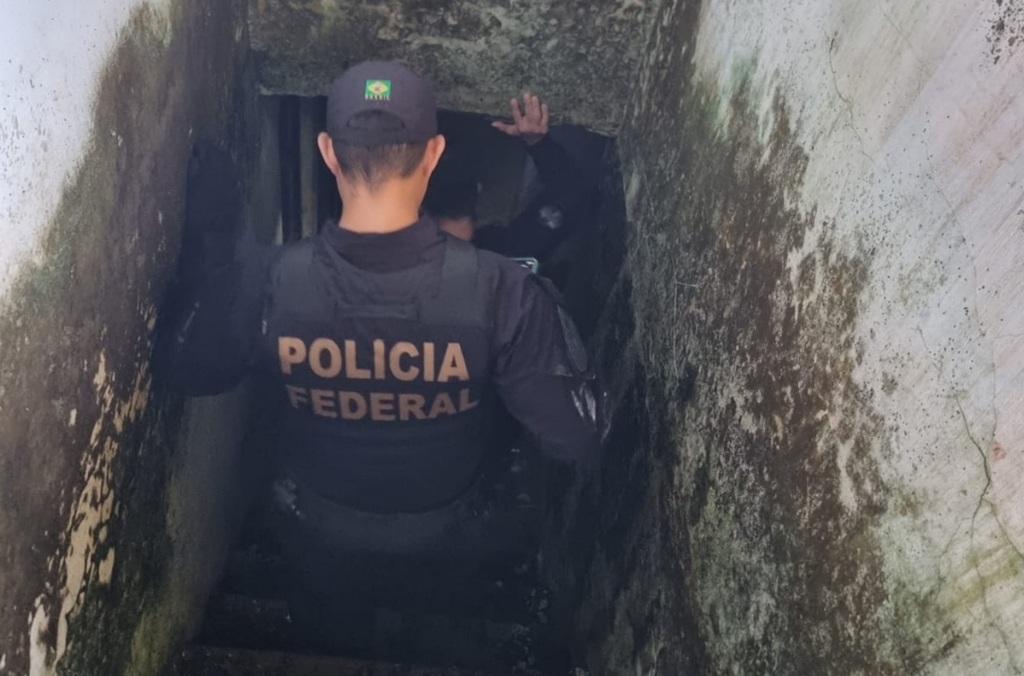
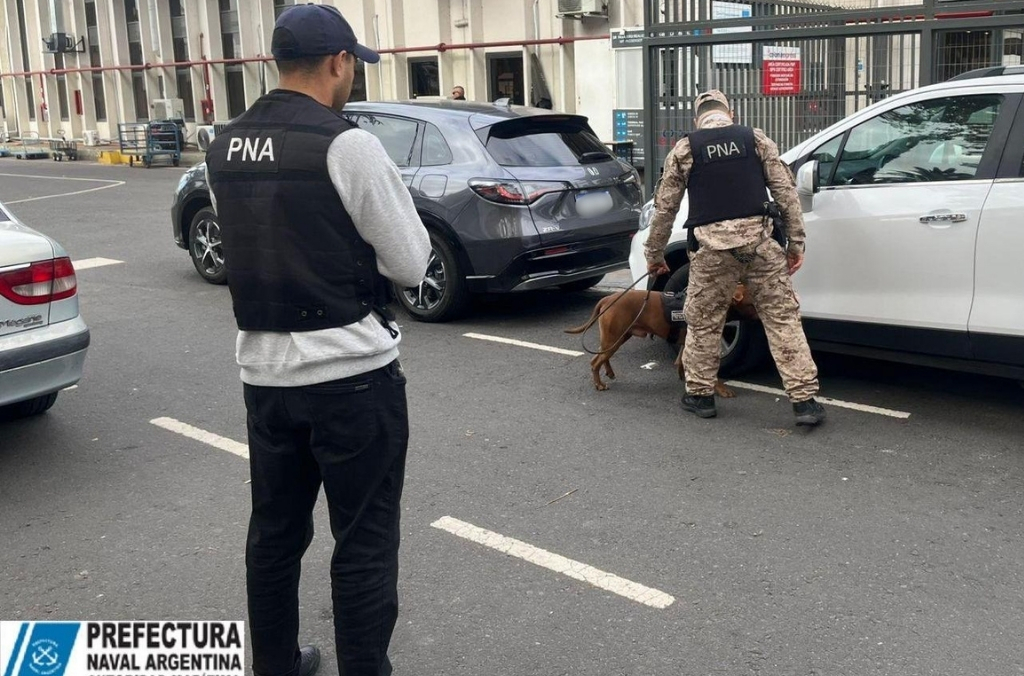
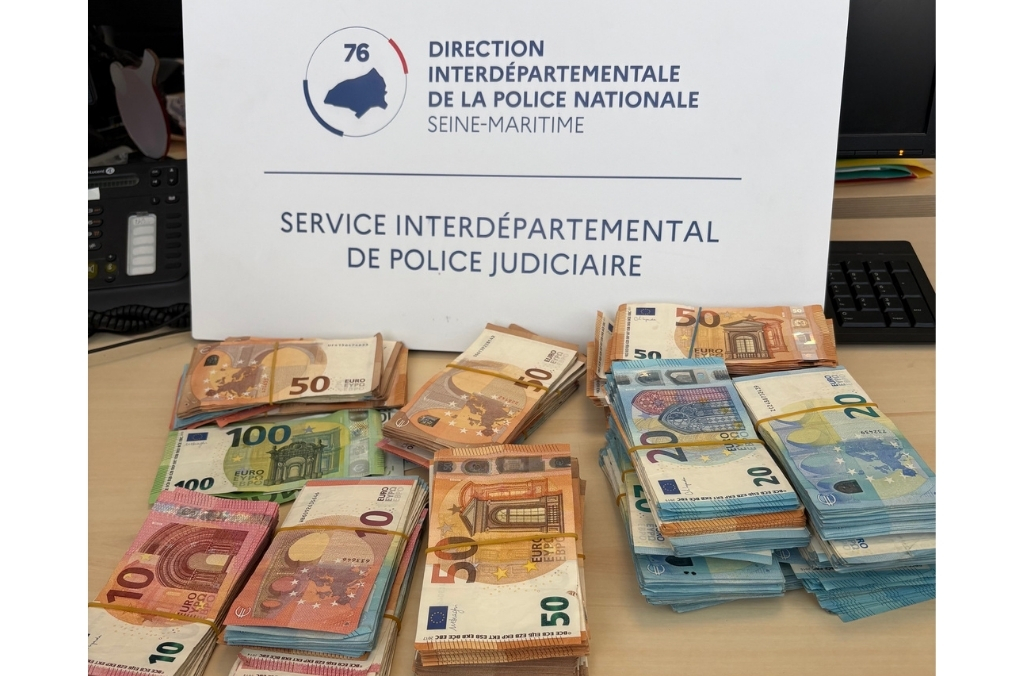
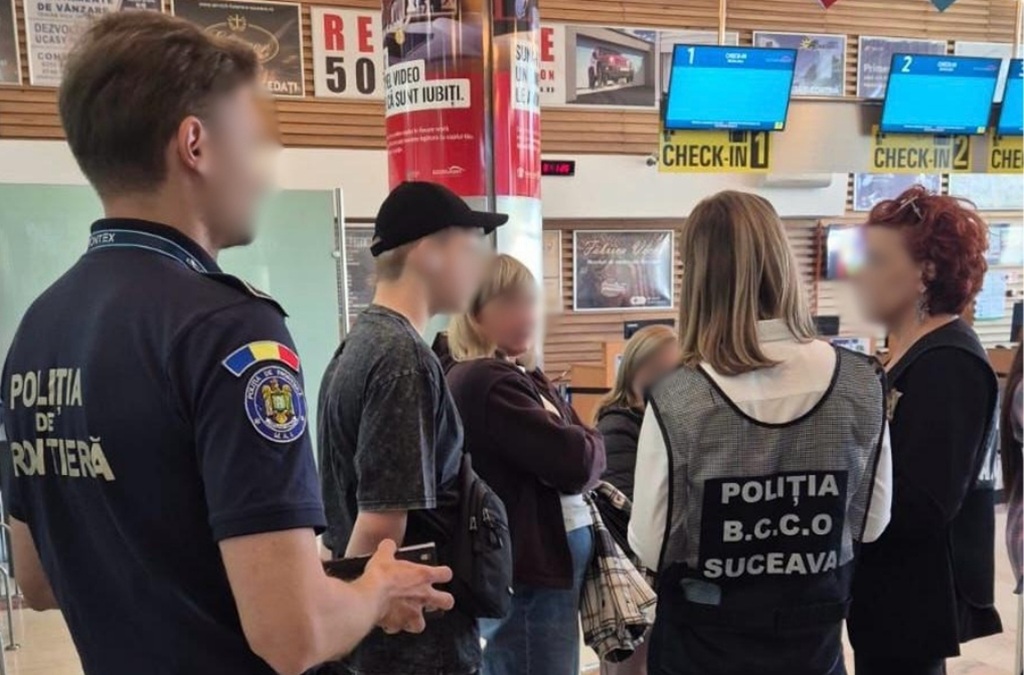
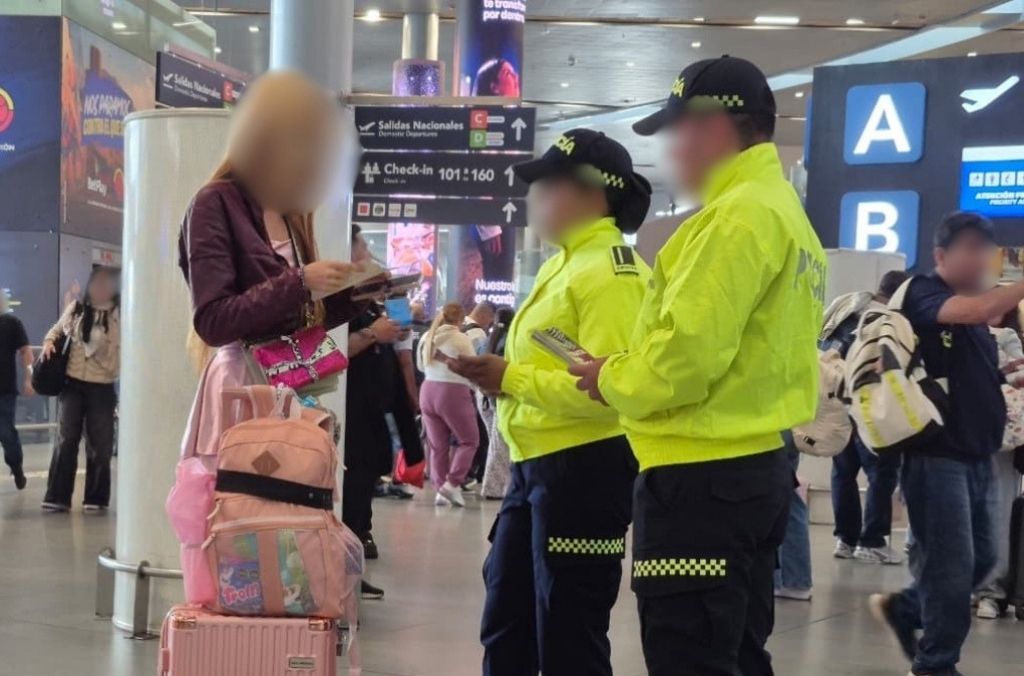
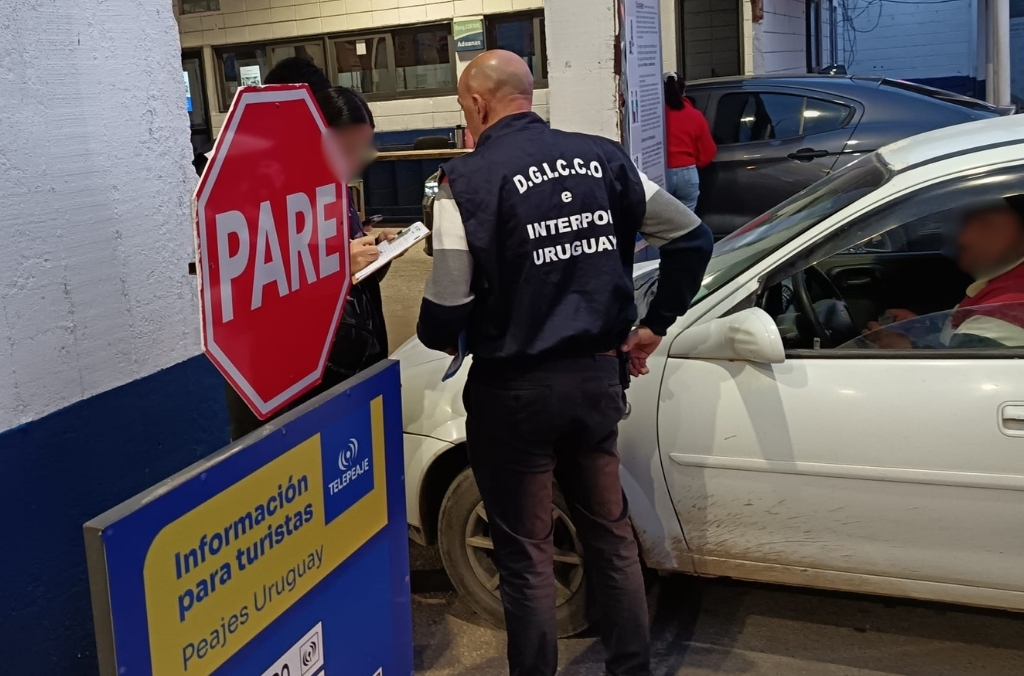
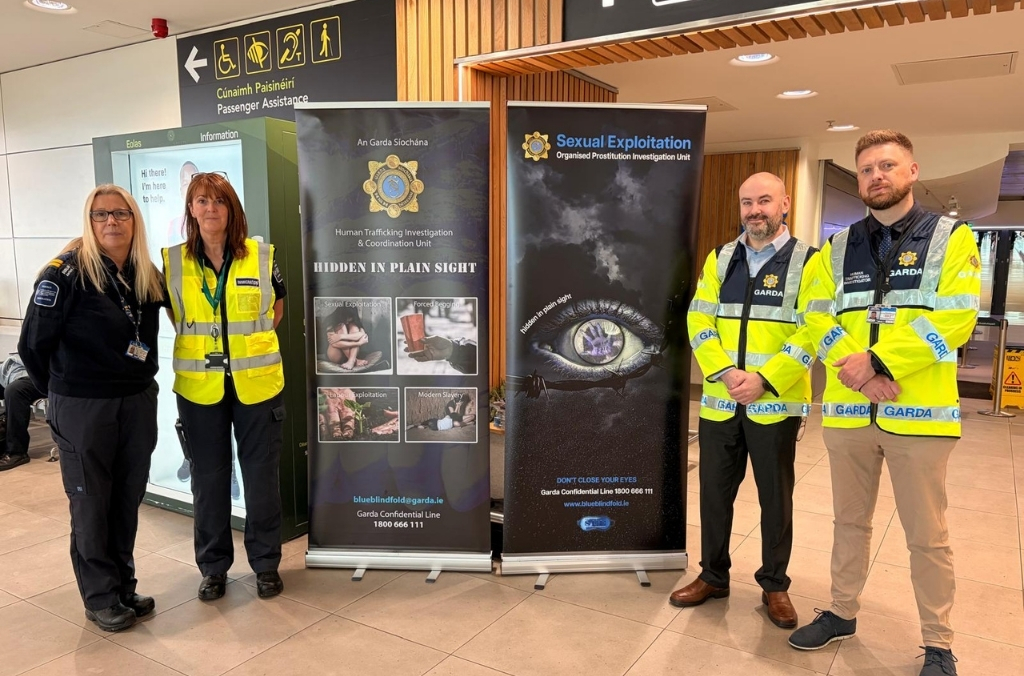
During the five-day operation, police, border authorities and specialized anti-trafficking units conducted checks at border crossings, airports and other transport hubs, as well as locations identified as trafficking hotspots from investigations.
Participating countries exchanged intelligence in real time through INTERPOL’s secure I-24/7 communication network, as well as through Europol and Ameripol channels, enabling cross-checks and coordinated enforcement actions. In support of investigations, INTERPOL issued 17 new Notices, while border checks generated 20 hits against existing Notices.
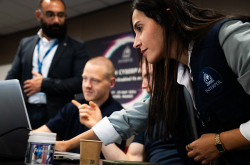
Two international command centres were set up in Skopje, North Macedonia, and Rio de Janeiro, Brazil, to facilitate operational briefings, analytical support and direct communication between countries.
Victims identified worldwide
While the victims originated from 45 countries across multiple regions, the majority originated from Argentina, Colombia, Venezuela, as well as Moldova and Nepal. Many were trafficked across borders after being deceived, coerced, or targeted because of their vulnerable situations.
Among the cases:
• Brazil’s Federal Police dismantled a transnational network trafficking victims to Cambodia where they were forced into online scamming. Authorities identified 406 victims (83 Brazilians and 323 foreign nationals) and issued two Red Notices and nine Blue Notices targeting wanted suspects and persons of interest.
• In Argentina, Federal Police carried out two raids, rescuing two Bolivian child labour victims exploited in a grocery store and arresting traffickers. Investigations revealed a larger coordinated exploitation network across multiple sites.
• Authorities in Belgium arrested 17 suspects after they dismantled a trafficking network recruiting underage girls via social media. The suspects allegedly held the victims captive, forcing them into prostitution rings across Belgium and France.
The victims identified during Operation Global Chain were referred to national protection and support services.
INTERPOL Secretary General Valdecy Urquiza said:
“Human trafficking remains one of the most profitable and pervasive forms of organized crime worldwide, generating hundreds of billions in illicit revenue every year and causing severe and lasting harm to victims.
“Operation Global Chain reflects our shared commitment to tackle this threat through coordinated, multi-agency action. The results demonstrate what can be achieved when countries work together to disrupt criminal networks and strengthen cooperation across regions. Human traffickers exploit vulnerabilities across borders; our response must be equally global, coordinated and relentless.”
Evolving human trafficking patterns
Operational findings highlighted evolving trafficking routes and methods, illustrating how criminal networks continue to adapt to shifting economic opportunities, migration dynamics and geopolitical developments.
Among the trends identified were the trafficking of Latin American victims for forced labour in Europe, their exploitation in criminal activities in Southeast Asia, and trafficking cases linked to forced engagement in armed conflicts.
Approximately 10 per cent of the victims were minors from the Americas who were subjected to sexual exploitation.
In response to evolving recruitment tactics used by traffickers, authorities in Colombia launched a prevention campaign targeting nationals lured by fraudulent job offers abroad.
By highlighting common trafficking tactics, the campaign aimed to reduce vulnerability and strengthen public awareness of the risks.
Note to editors
Operation Global Chain was conducted under the European Multidisciplinary Platform Against Criminal Threats (EMPACT), with support from international partners and funding initiatives including EL PACCTO 2.0 and INTERPOL’s I-FORCE project.
Participating countries: Albania, Argentina, Austria, Belgium, Belize, Bolivia, Bosnia and Herzegovina, Brazil, Bulgaria, Chile, Colombia, Costa Rica, Croatia, Czechia, Denmark, Dominican Republic, Ecuador, El Salvador, Estonia, Finland, France, Georgia, Germany, Greece, Guatemala, Haiti, Hungary, Iceland, Ireland, Kosovo*, Latvia, Lithuania, Luxembourg, Malta, Moldova, Montenegro, Netherlands, Nigeria, North Macedonia, Norway, Panama, Paraguay, Peru, Poland, Portugal, Romania, Serbia, Slovenia, Slovakia, Spain, Sweden, Switzerland, Thailand, Ukraine, United States, United Kingdom, Uruguay, Venezuela and Viet Nam.
* This designation is without prejudice to positions on status and is in line with UNSCR 1244/1999 and the ICJ Opinion on the Kosovo declaration of independence.