




PANAMA CITY, Panama — Criminal and terrorist actors are exploiting emerging technologies, global supply chains and trafficking routes to obtain and divert chemicals of concern, creating increasingly complex security challenges that cross national borders.
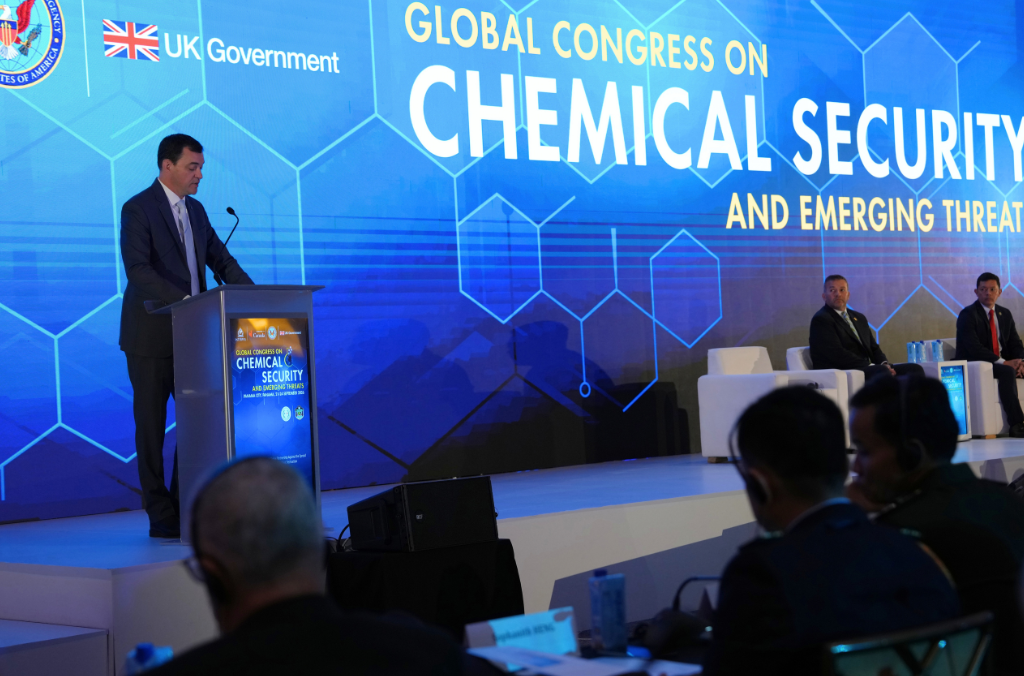
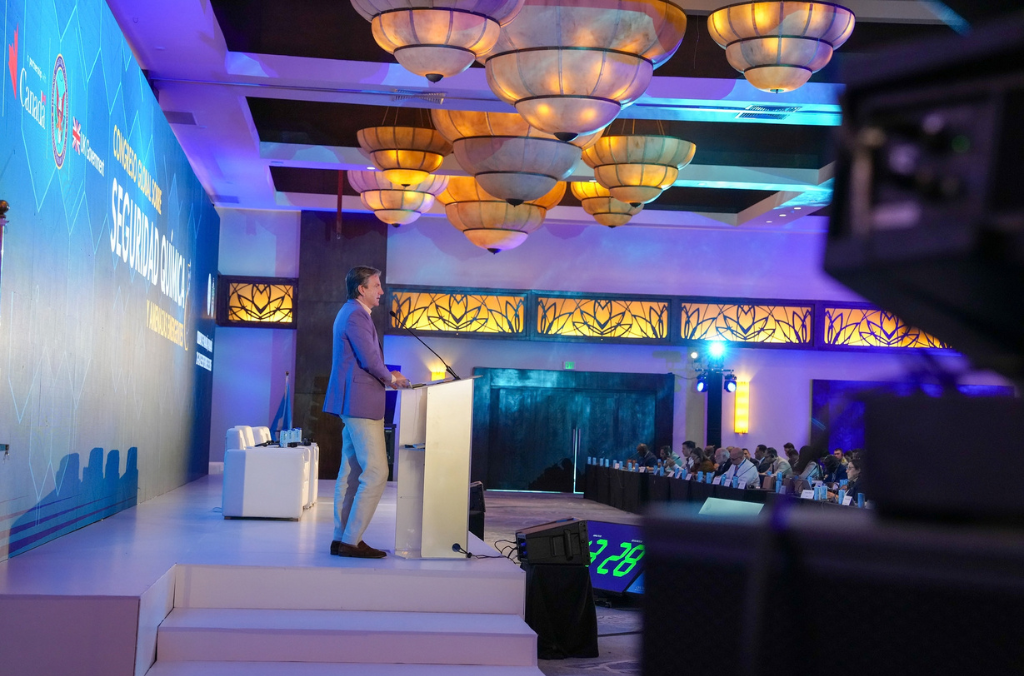
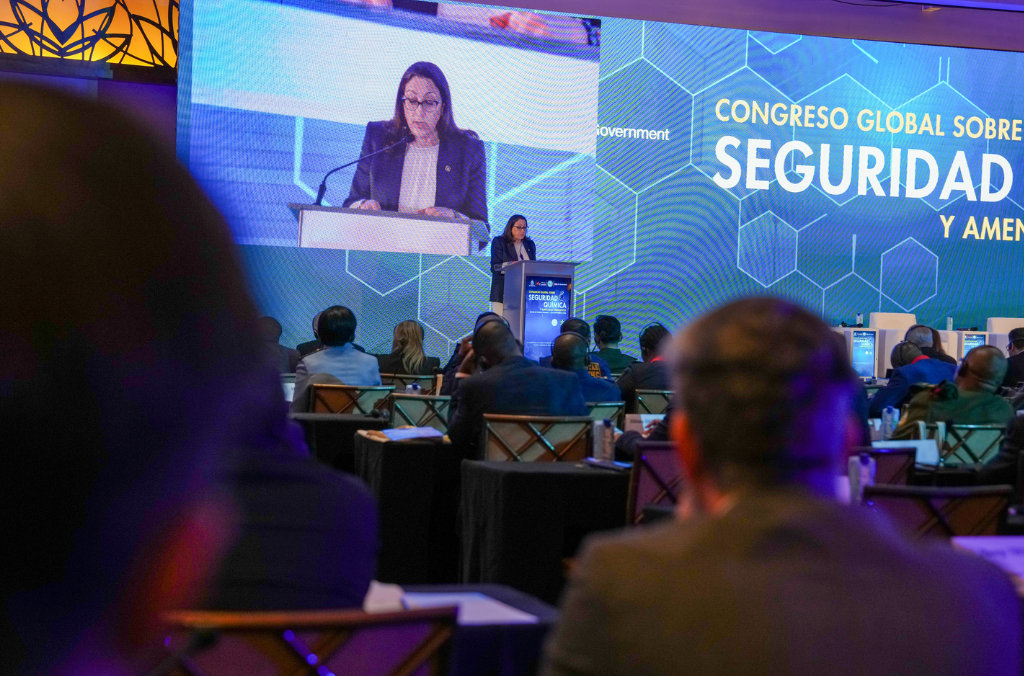
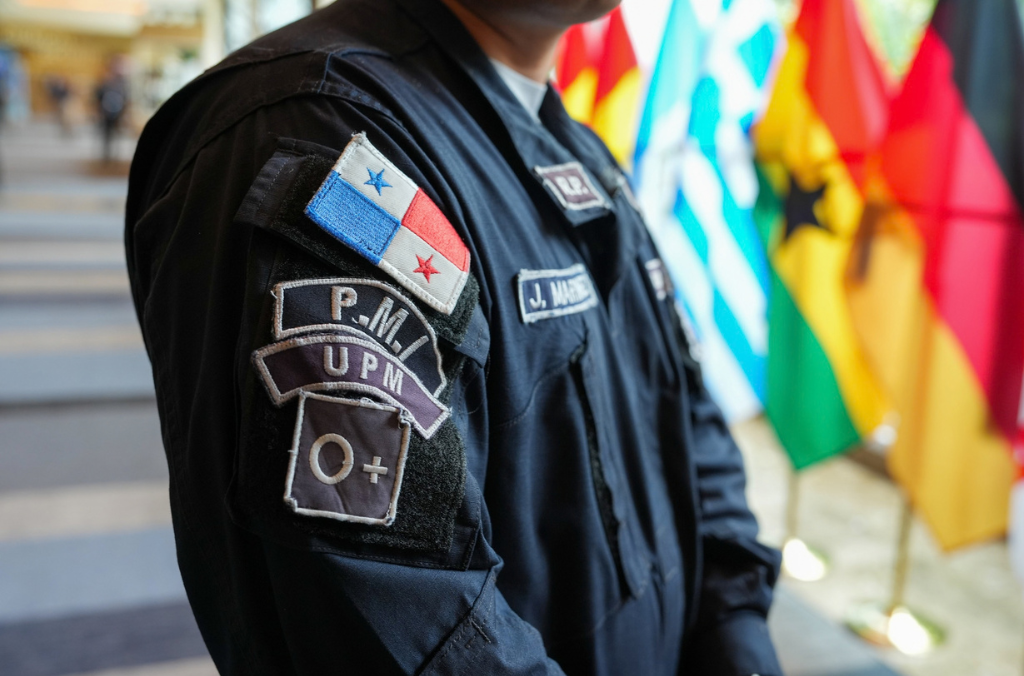
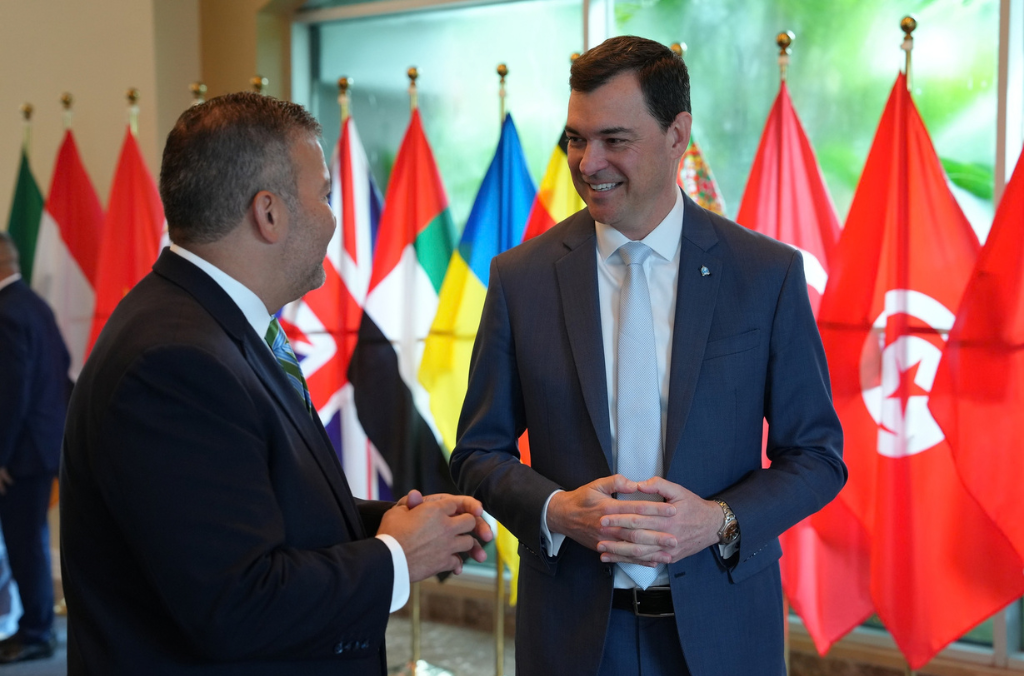
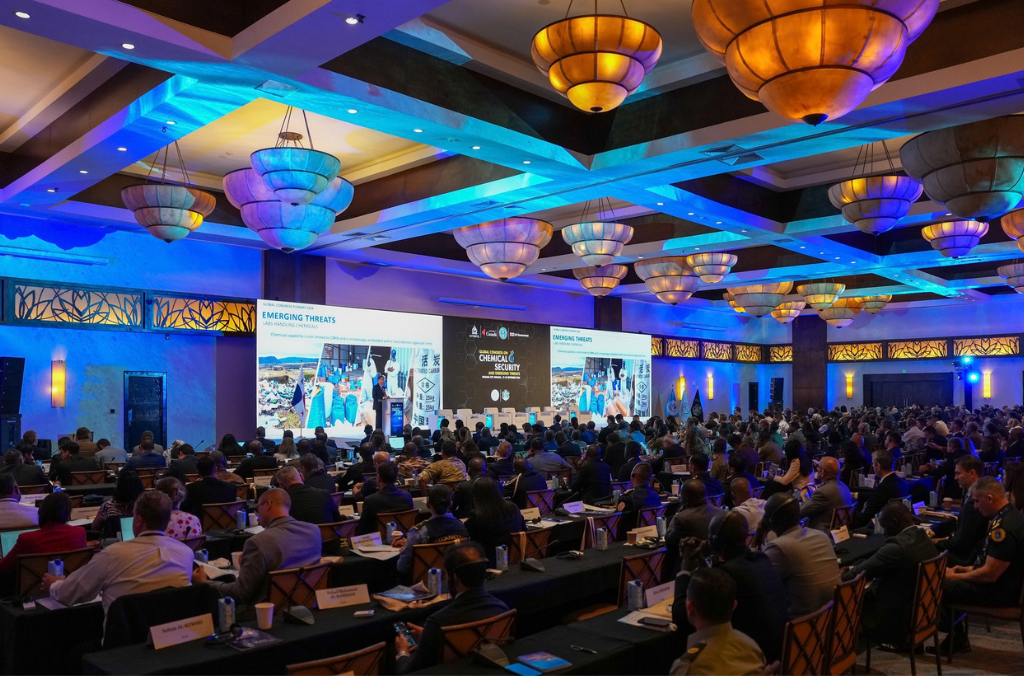
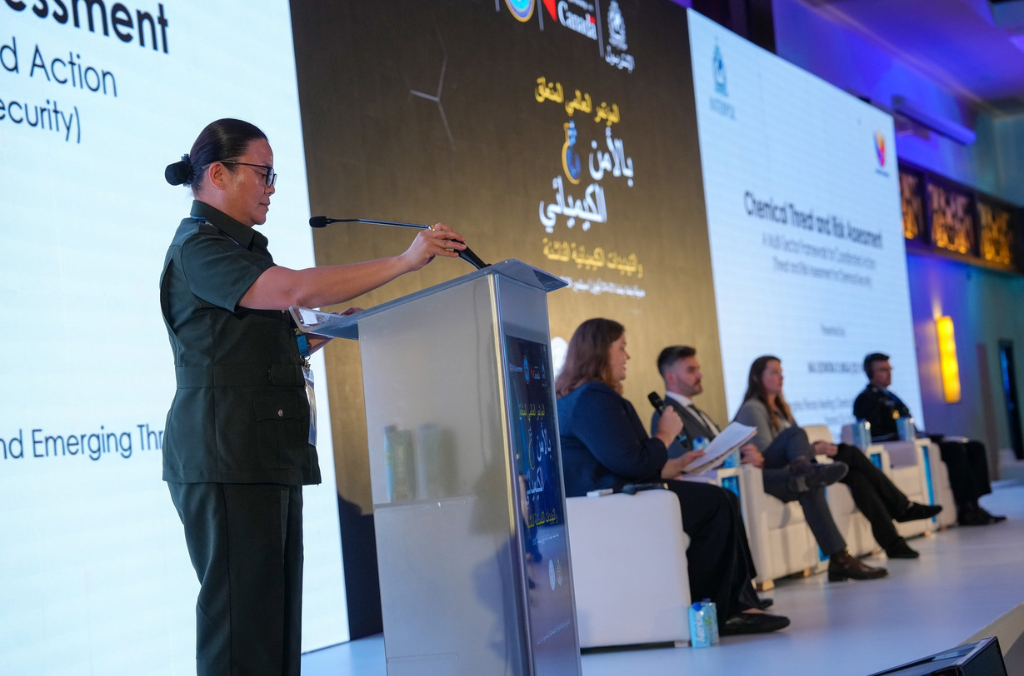
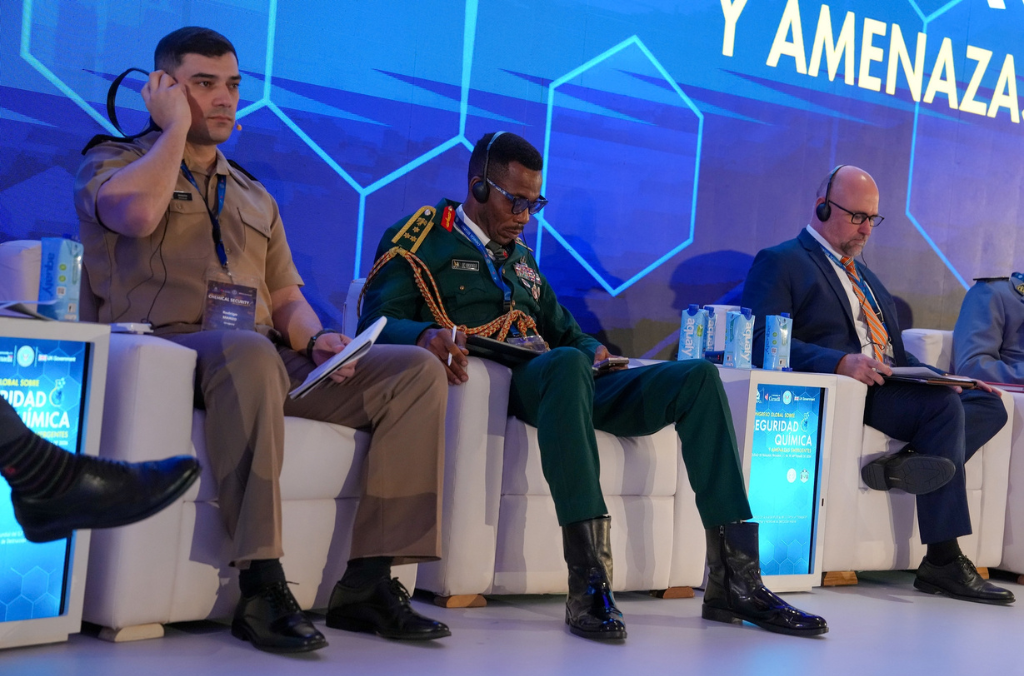
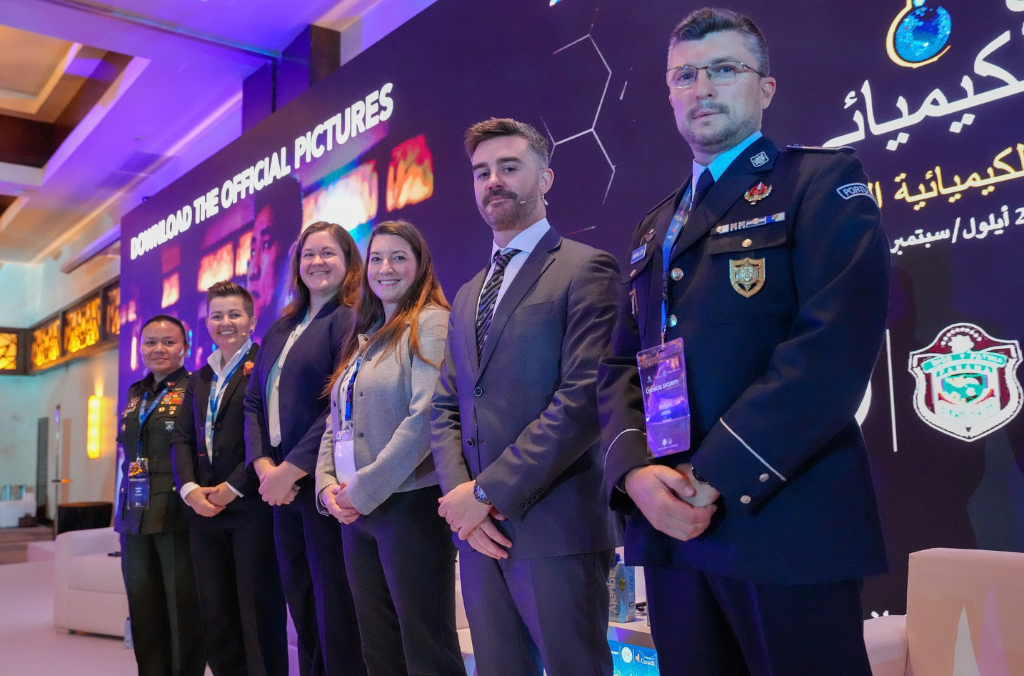
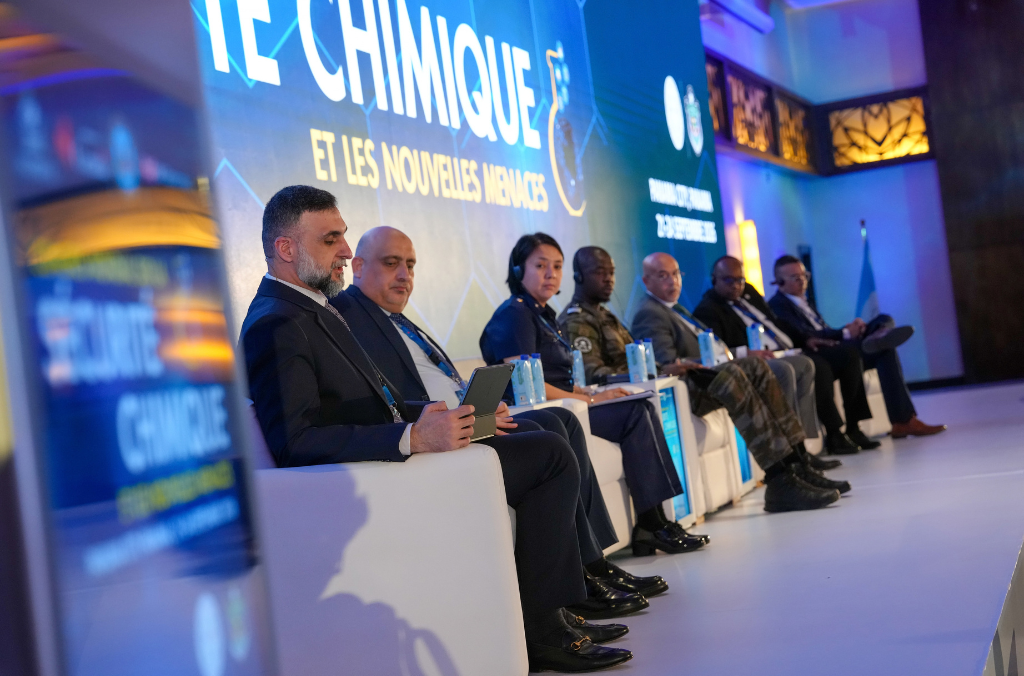
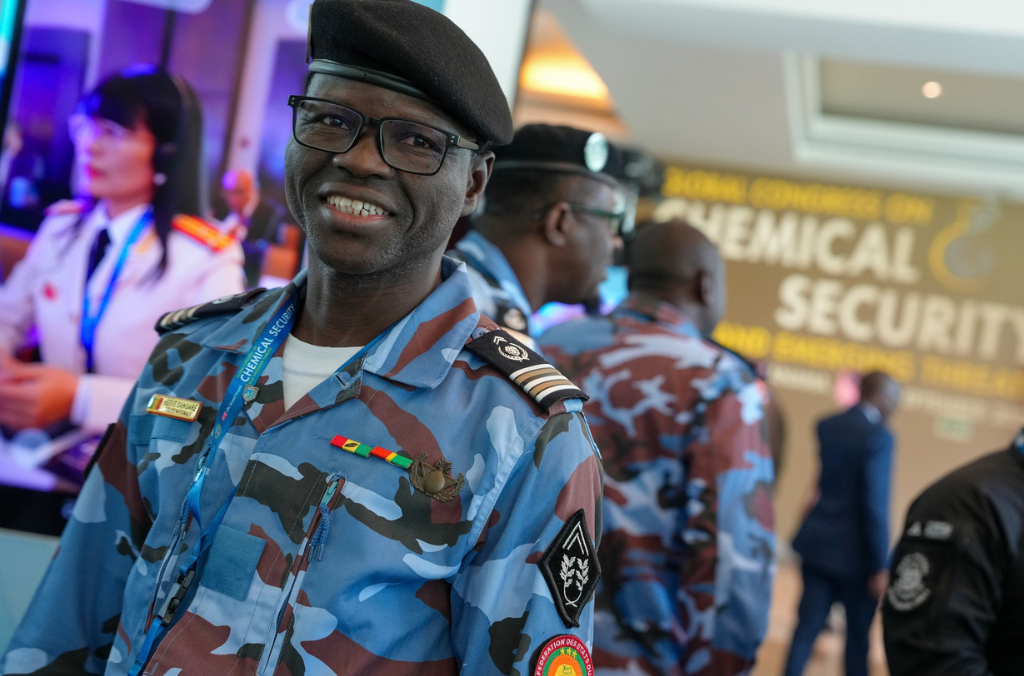
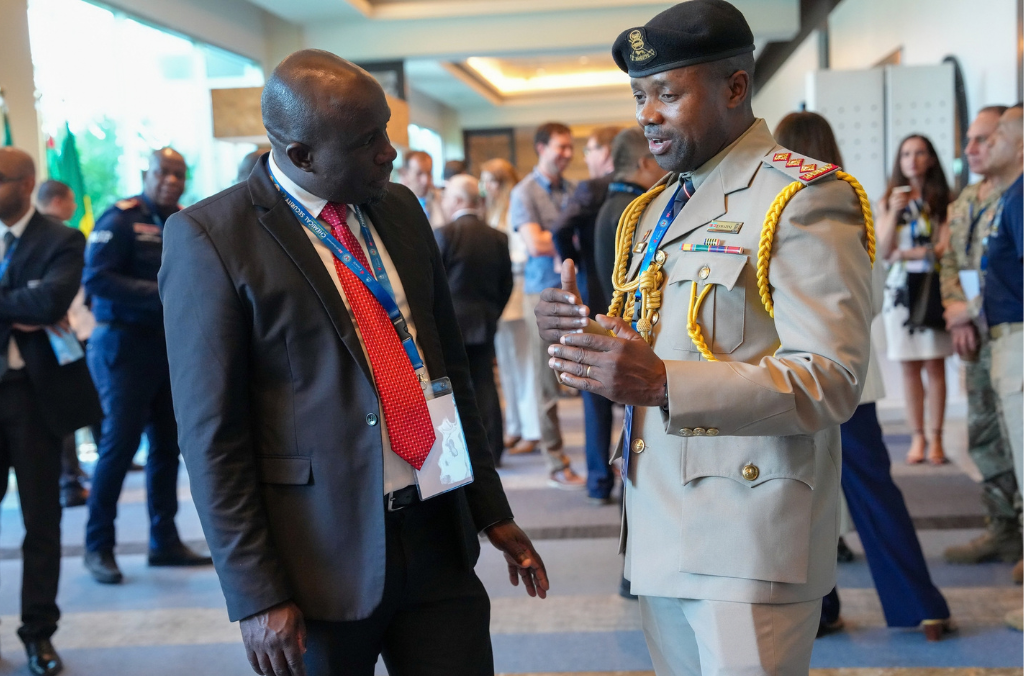
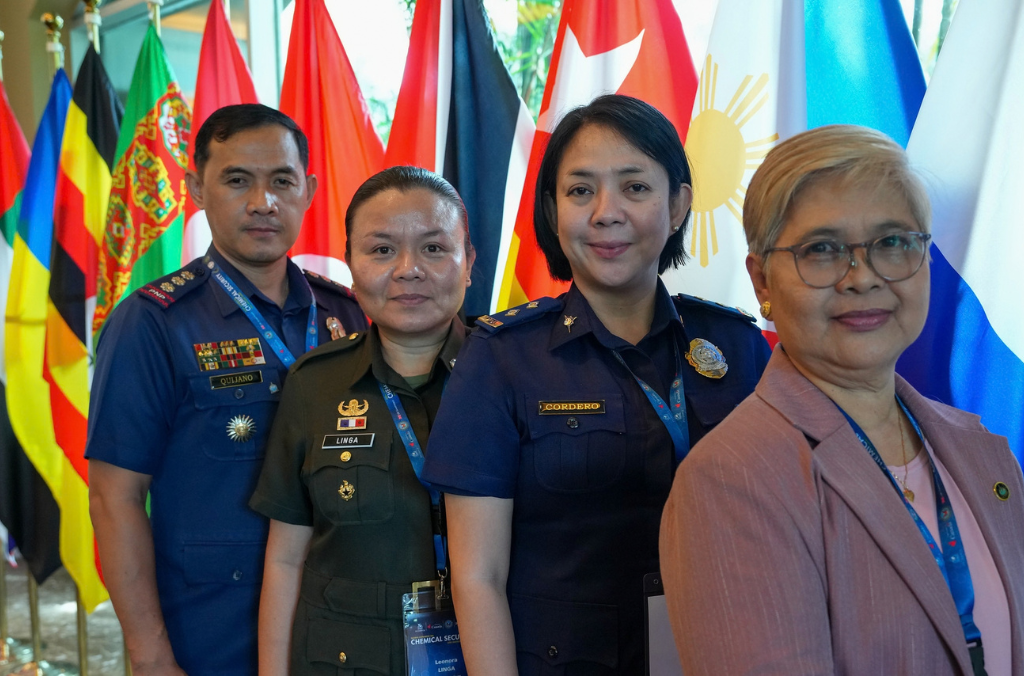
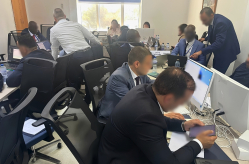
Against this backdrop, 370 participants representing 110 INTERPOL member countries gathered in Panama City from 21 to 24 September for the 2026 Plenary Meeting of the Global Congress on Chemical Security and Emerging Threats.
The sixth plenary brought together governments, law enforcement, defence, industry, academia and international organizations to strengthen cooperation against chemical and explosives terrorism and address vulnerabilities across the chemical supply chain.
Growing risks, global response
Since 2018, the Global Congress has grown into a network of more than 2,000 members across 130 countries, reflecting the recognition that no single agency, sector or country can counter the chemical terrorism threat alone.
Opening the discussion, Stephen Fry, INTERPOL Executive Director Investigation Support, stressed that the pace and sophistication of crime today require a corresponding evolution in international security cooperation:
“Non-state actors are operating with increasing complexity, scale, and speed, making international cooperation essential. Given the significant potential of these threats, our response must be as borderless and interconnected as the criminals we pursue. This requires robust legal frameworks, seamless intelligence-sharing, and a resolute refusal to operate in silos.”
That interconnected approach was a recurring theme throughout the four-day meeting. Discussions focused on emerging threats, including dual-use technologies, biotoxins, pharmaceutical-based agents, as well as chemical security preparedness and response.
Trevor Smith of Global Affairs Canada underscored the importance of sustaining the network: “The Global Congress is not a nice to have, it’s a must have – and it is up to all of us to make sure it continues.”
With the Global Congress enabling experts to share insights, forge partnerships and turn knowledge into action, discussions underscored the value of trust, information-sharing and strong professional networks.
Participants cited concrete outcomes, including joint government-industry exercises and increased use of INTERPOL Orange and Purple Notices to warn of imminent threats or on the modus operandi of criminals.
Priorities for action
The plenary concluded with five priorities for turning international cooperation into practical capability, building on progress against the 2025 recommendations:
- Strengthen regional networks within the Global Congress community to sustain multisectoral collaboration, facilitate timely information exchange, and support member countries to respond to chemical security challenges through trusted partnerships.
- Prioritize the development and strengthening of mechanisms to ensure network members share timely information on emerging threats to chemical security.
- Proactively monitor dual-use technological innovation and engage with other relevant initiatives to monitor and mitigate threats, whilst also harnessing opportunities to enhance prevention and detection capabilities.
- Seek opportunities to implement targeted and cross-sectoral initiatives among network members that enhance prevention, detection, and response capabilities, guided by the shared knowledge, best practices, and resources available through the Global Congress community.
- Continue to expand the Global Congress network to ensure full representation of the chemical supply chain and all relevant actors - including targeted engagement to better integrate representatives from defence, security, industry, and academia – and identify additional partners to sustain and broaden the network's expertise, reach, and operational impact.
The discussions in Panama underscored a simple reality: chemical security is a shared global responsibility.
Technology and global supply chains create opportunities for both legitimate activity and criminal exploitation. Addressing these risks requires trusted partnerships, preparedness and international cooperation that is as interconnected as the threats themselves.
The Global Congress on Chemical Security and Emerging Threats is implemented by INTERPOL, in partnership with Global Affairs Canada, the United States Defense Threat Reduction Agency and the United Kingdom Ministry of Defence.
Véase también
Noticias conexas
Counter-terrorism operation leverages artificial intelligence to identify 126 terrorism suspects
18 de septiembre de 2026
Counter-terrorism operation nets eight Red Notice suspects
16 de septiembre de 2026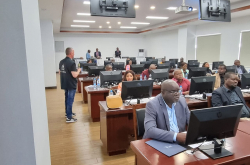
Las amenazas para la seguridad de fronteras, objetivo de las operaciones STOP en África
8 de diciembre de 2023