




LYON, France – Police, immigration and customs agencies across Colombia, Ecuador and Peru have joined forces in the region’s first operation targeting cross-border smuggling of dual-use chemicals.
Undertaken in November 2025, Operation CHASE was coordinated by INTERPOL and involved more than 50,000 inspections at borders and ports.
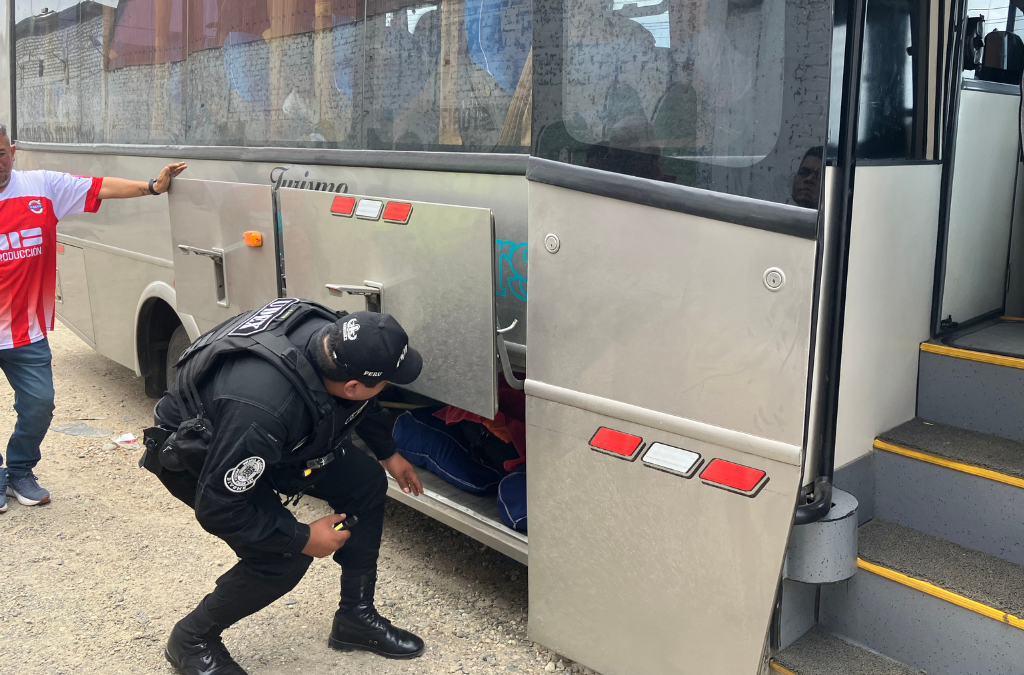
In Ecuador, new intelligence led to the publication of an INTERPOL Orange Notice warning the Organization’s 196 member countries of a serious threat to public safety. Ecuadorean law enforcement officers had discovered explosive detonators in the cargo holds of public passenger coaches, a tactic that is increasingly being used by criminals in the region, putting legitimate passengers at risk by travelling alongside them to evade standard screening procedures, whether at international borders or inside the country.
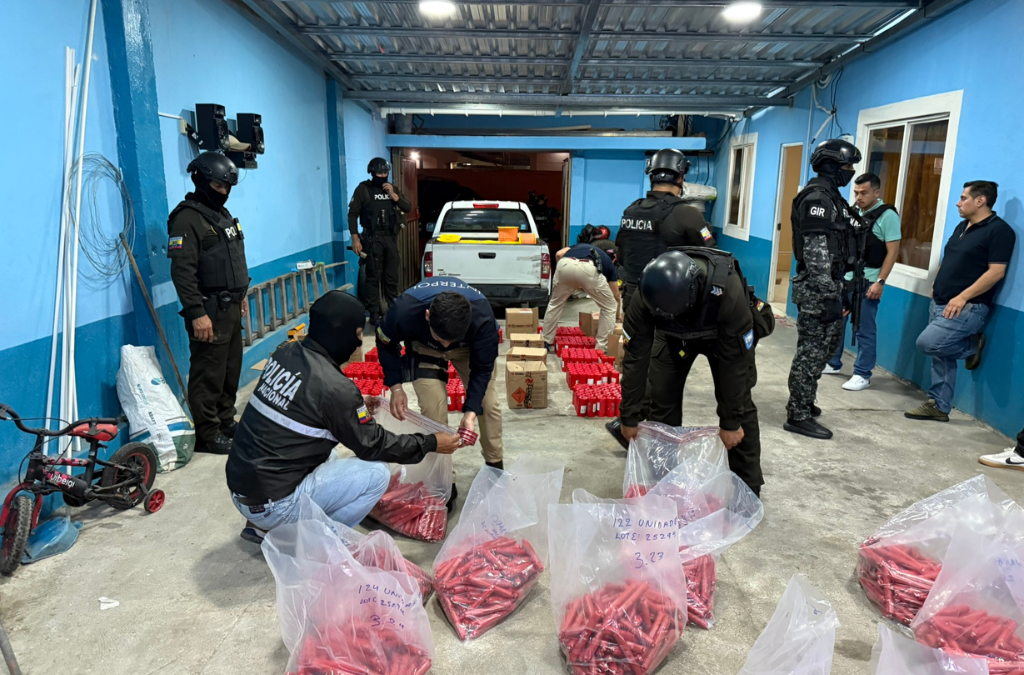
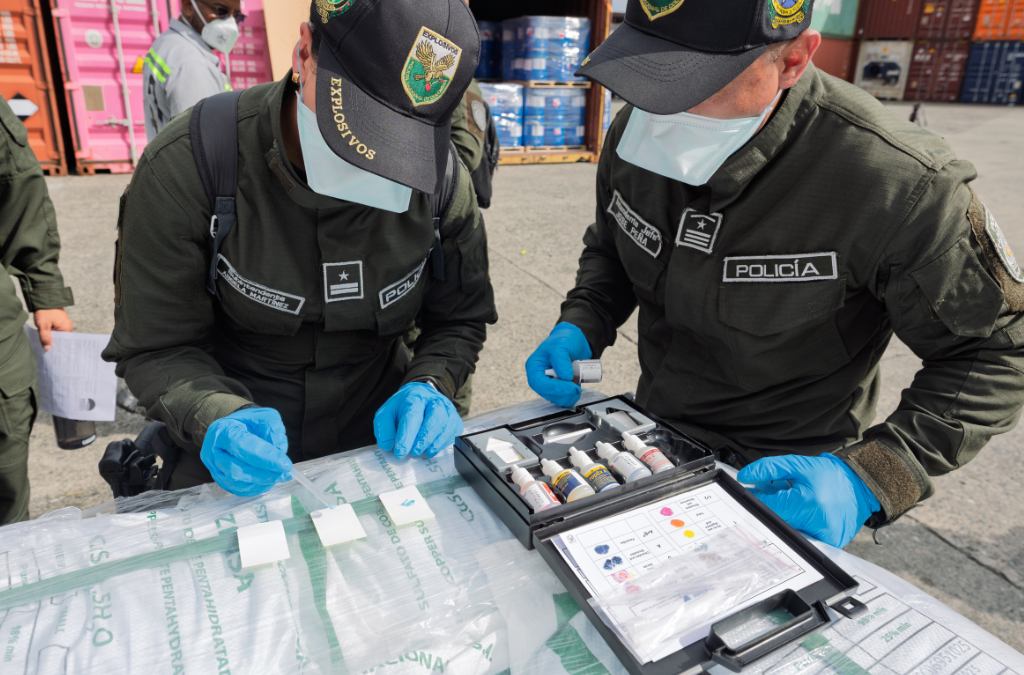
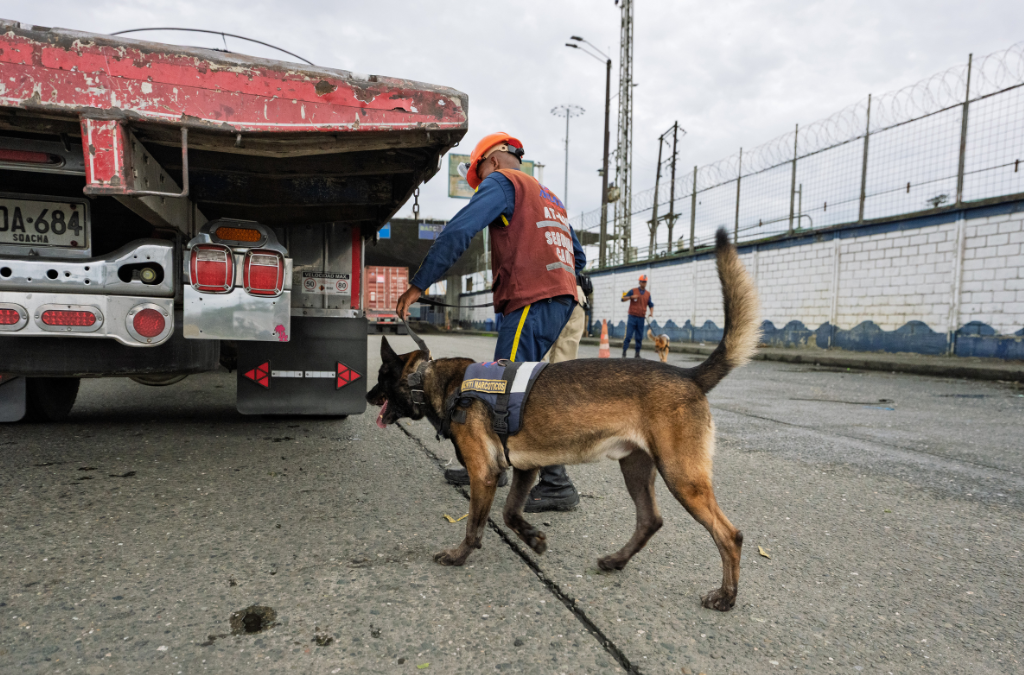
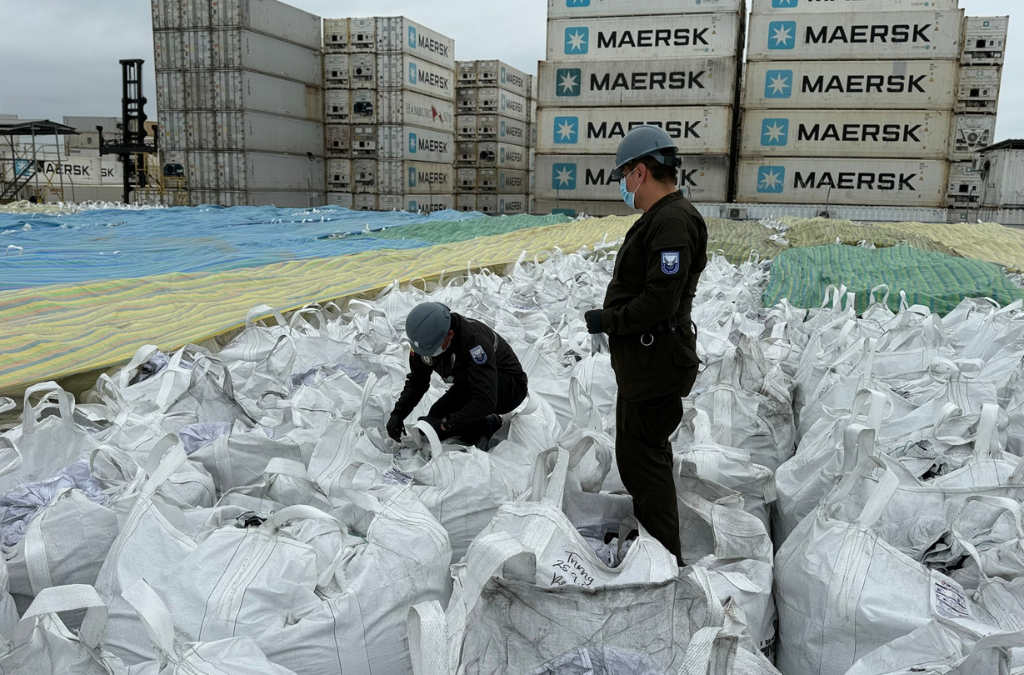
Patrols in the Huaquillas region, on Ecuador’s border with Peru, also led to the identification of a novel method of smuggling fuel across borders, using improvised tanker trucks constructed from repurposed agricultural transport vehicles. Investigations in the region have revealed that organized criminal networks are using legally traded industrial chemicals, particularly diesel fuel sourced from legitimate agricultural and commercial suppliers, to produce clandestine explosives. This discovery led to the publication of an INTERPOL Purple Notice to alert global law enforcement to this emerging criminal modus operandi.
Officers also made three arrests – including a fugitive who was wanted internationally by Peru under an INTERPOL Red Notice and captured in Argentina, thanks to intelligence gathered during the operation and close coordination between INTERPOL offices in both countries. The suspect, a Peruvian national, is known to be affiliated with an organized crime group in Peru and linked to a wide range of criminal activities, including extortion involving explosives, illicit firearms trafficking and targeted violent attacks.
The 12-day operation led to led to the seizure of explosives materials and equipment. In total, seizures in the three participating countries included:
- 4,000 detonators
- 10,450 litres of diesel fuel
- 60,000 metres of safety fuse
- 2 tonnes of explosives
- 18 liquefied petroleum gas cylinders
Operation CHASE South America highlighted the need for robust multi-agency collaboration and the power of sustained partnership between INTERPOL and its member countries. It followed similar operations in Southeast Asia and Western Africa, reflecting a global trend of criminal and terrorist networks increasingly weaponizing legal chemical supply chains.
Note to Editors
Operation CHASE (Chemical Anti-Smuggling Enforcement) is supported by Global Affairs Canada.