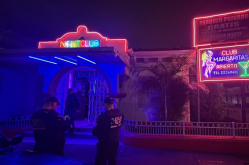



LYON, France – An international operation targeting criminal organizations involved in migrant smuggling across the Mediterranean Sea and the West African Atlantic route has resulted in 262 arrests and 434 new investigations.
Operation Communis Maris (5 – 8 October 2026) also identified 109 potential victims of human trafficking and detected 1,715 irregular migrants. Of the 262 suspects arrested, 221 are accused of migrant smuggling offences, 16 of human trafficking and 25 of other crimes, including the production and use of fraudulent documents.
The four-day initiative brought together law enforcement and border management agencies from 16 countries across North and West Africa, southern Europe and the Middle East. Led by INTERPOL with operational support from Europol, Frontex, AFRIPOL, the International Organization for Migration, and the United Nations Office on Drugs and Crime, the operation aimed to dismantle organized crime networks, identify smugglers, rescue people at risk and bring perpetrators to justice.
During the action days, 7,660 officers checked more than 378,000 individuals, monitored hotspots, strengthened screening at key locations and pursued investigative leads.
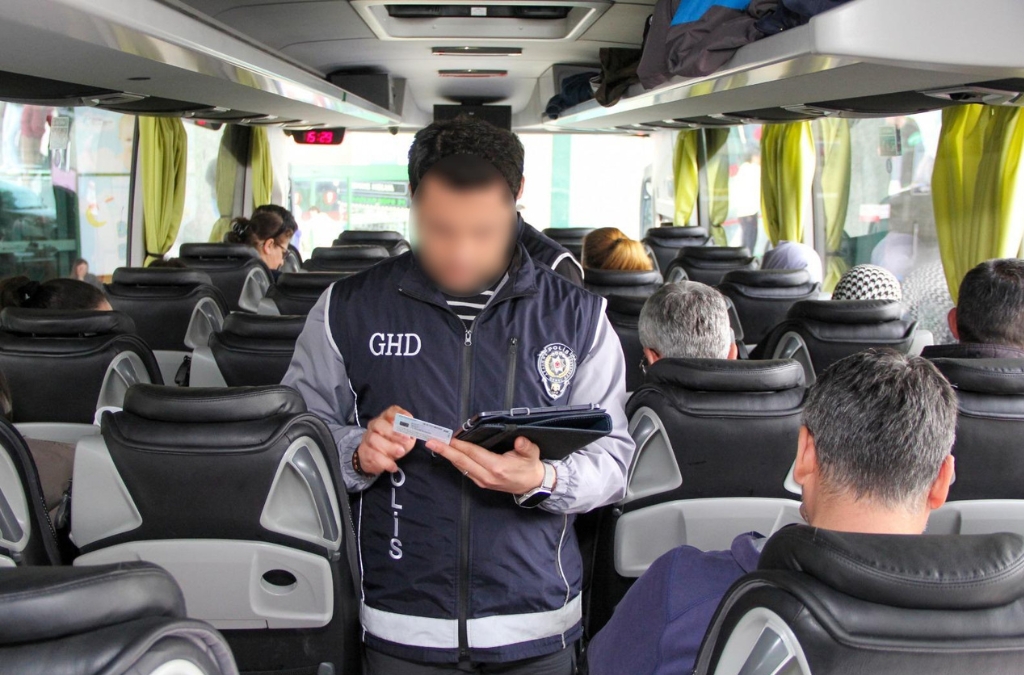

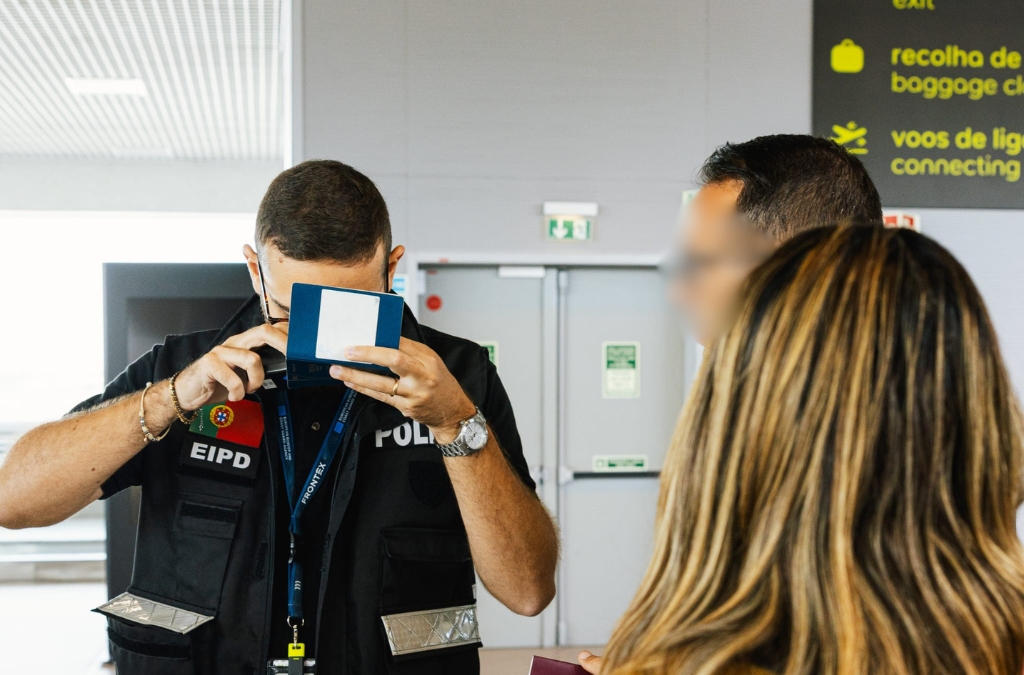
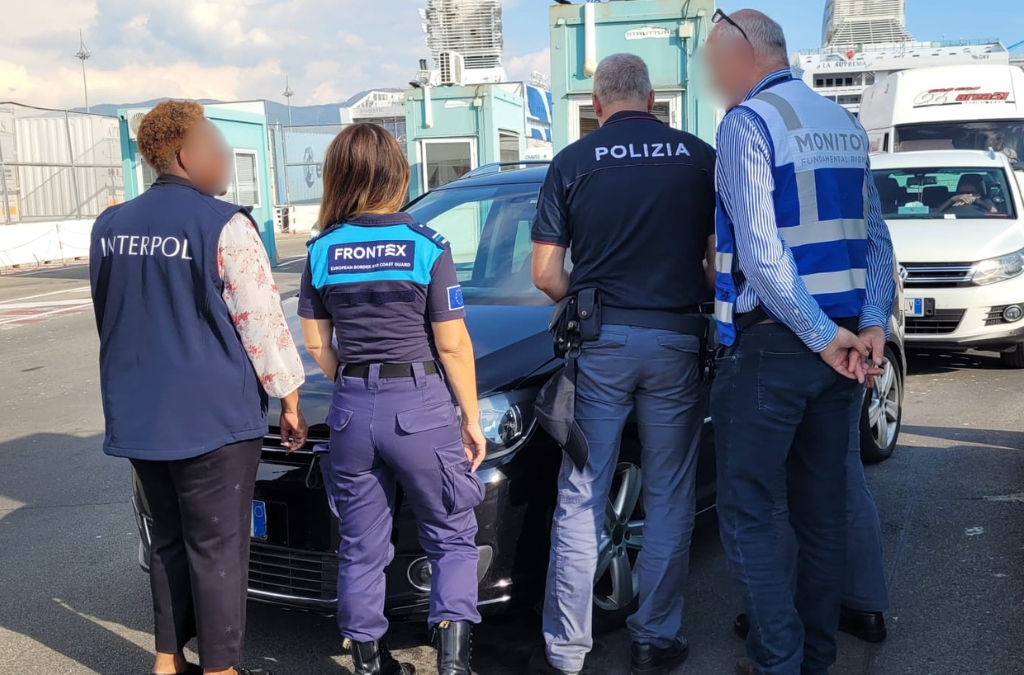
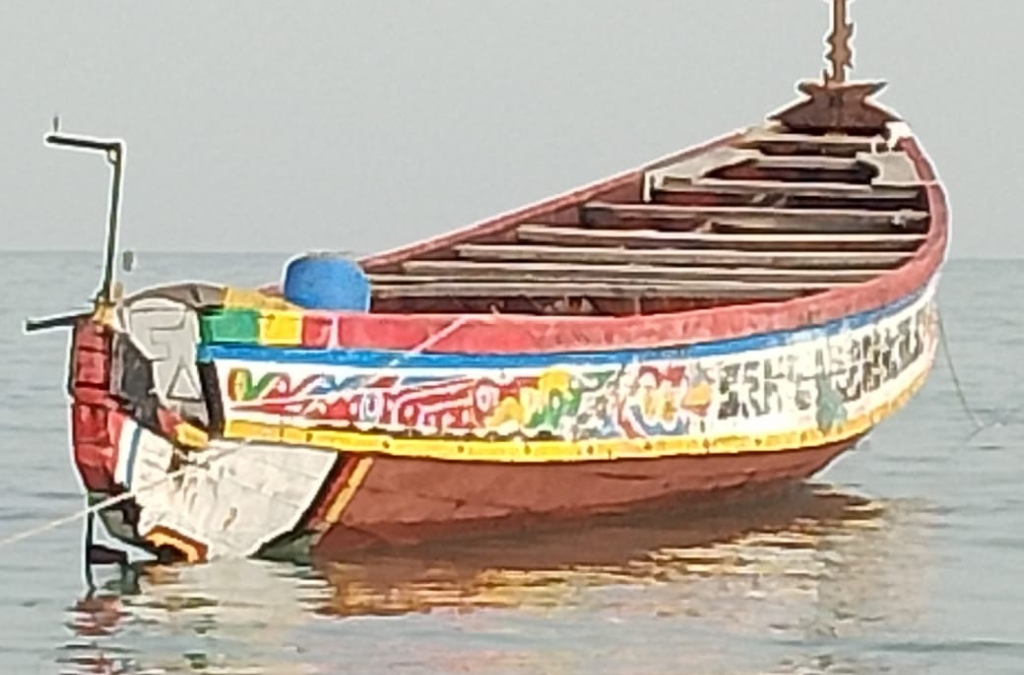
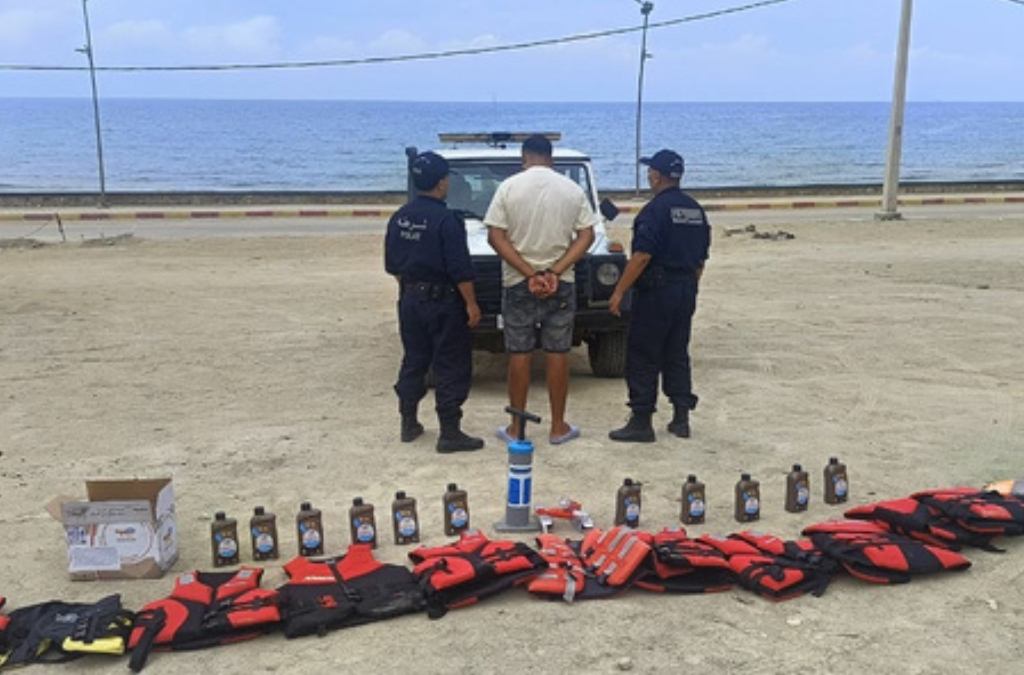
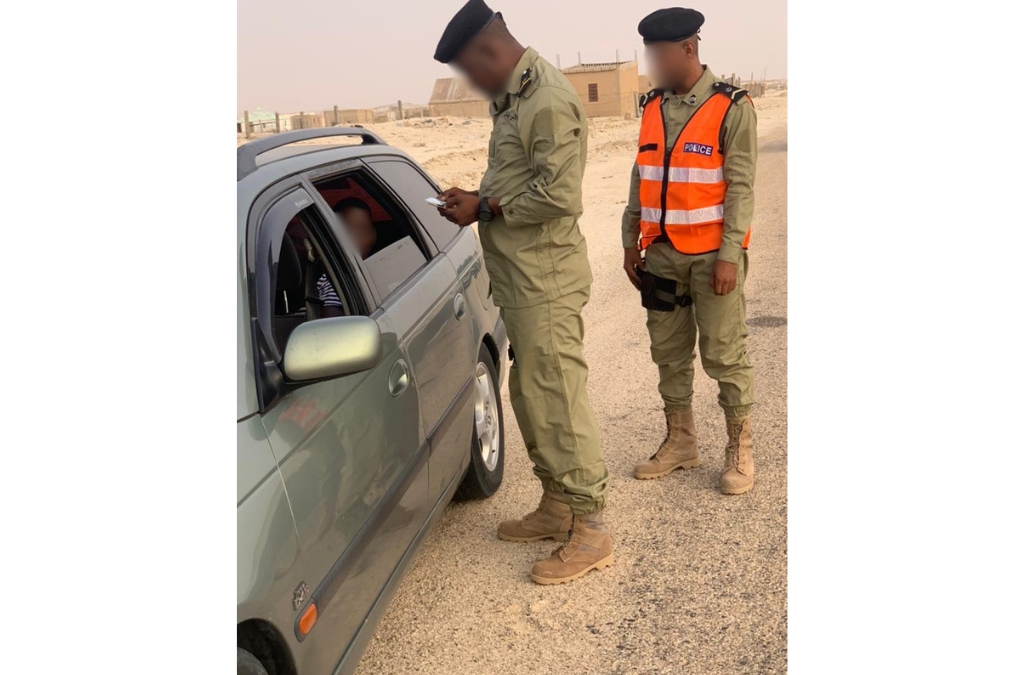
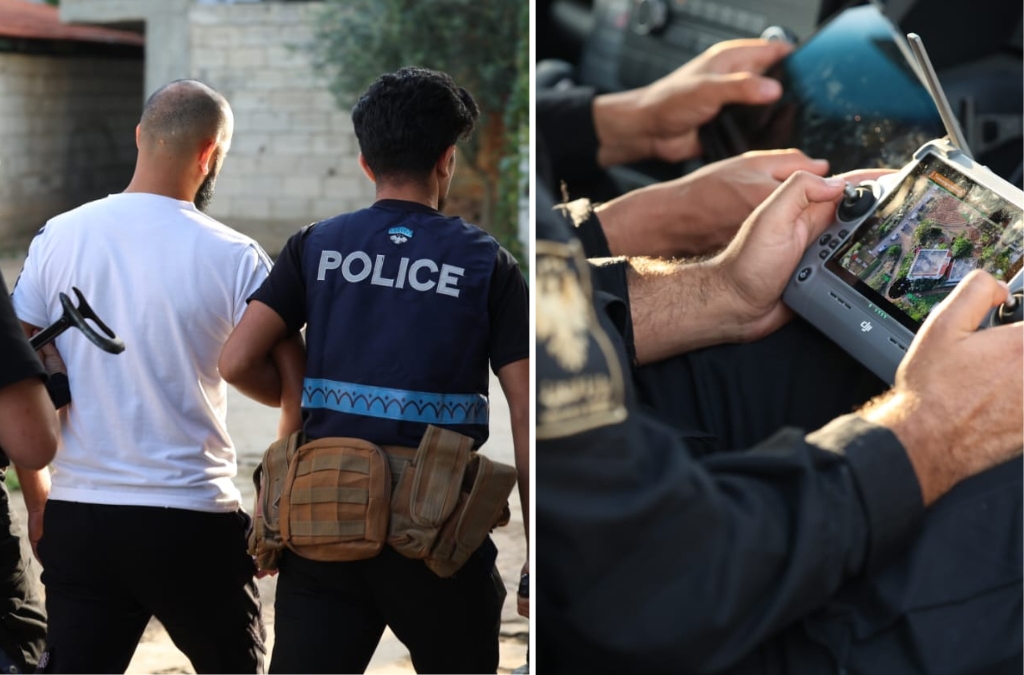
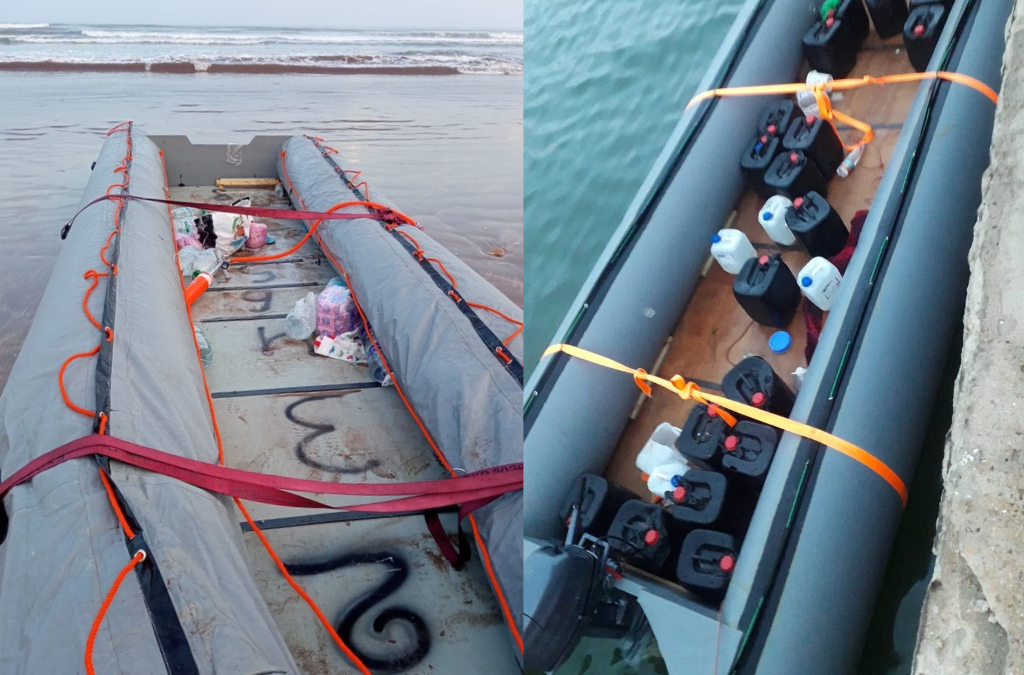
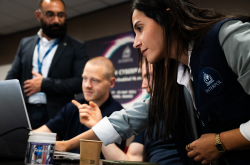
INTERPOL officials were deployed to an Operational Coordination Unit in Athens to facilitate the real-time sharing of actionable intelligence and support coordinated law enforcement activities. They also helped participating countries make effective use of INTERPOL’s policing capabilities, with 210,594 queries made against INTERPOL databases during the operation.
David Caunter, Director of Organized and Emerging Crime at INTERPOL, said:
“The Mediterranean Sea is one of the world’s deadliest migration corridors, claiming thousands of lives annually. Smugglers exploit vulnerable populations, often subjecting them to abuse, extortion and trafficking, as well as risking migrants' lives on overcrowded, unseaworthy vessels. INTERPOL is uniquely placed to facilitate cross-border collaboration so countries can identify criminals, dismantle their networks and supply chains, and ultimately save human lives.”
Dangerous vessels intercepted, forged documents exposed
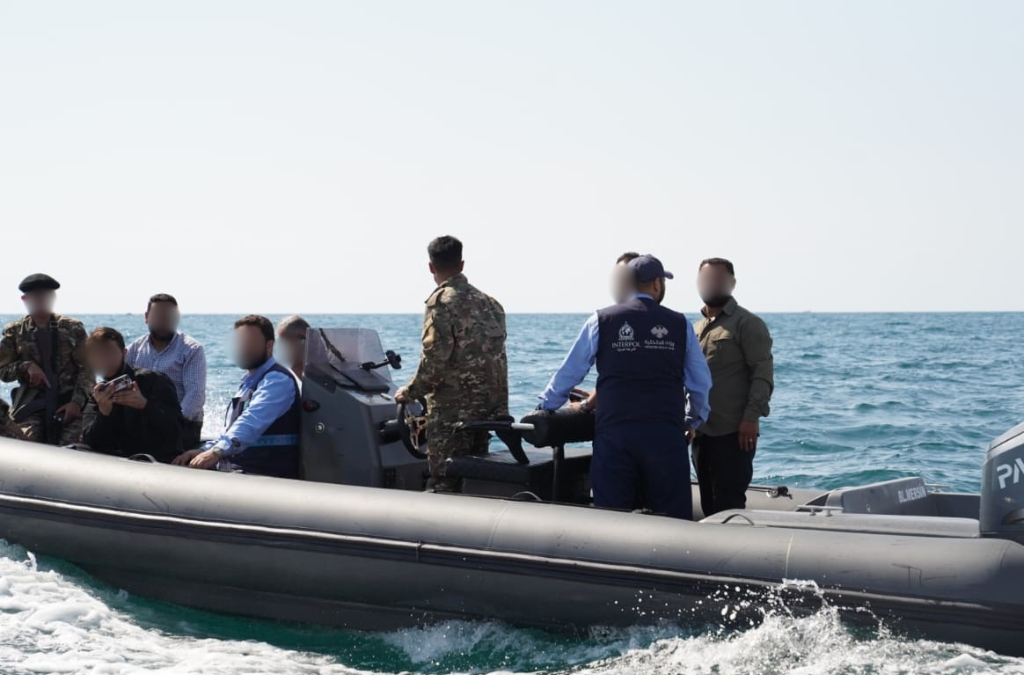
During the operation, participating countries intercepted several boats at sea. In a major case in southern Morocco, authorities stopped a vessel carrying 70 would-be migrants, including 30 minors, who had been at sea for six days.
In another case, Senegalese officials alerted neighbouring authorities to a vessel departing the country’s territorial waters. The following day, authorities in Mauritania intercepted the wooden pirogue carrying 80 passengers, including two children, and arrested three suspected organizers.
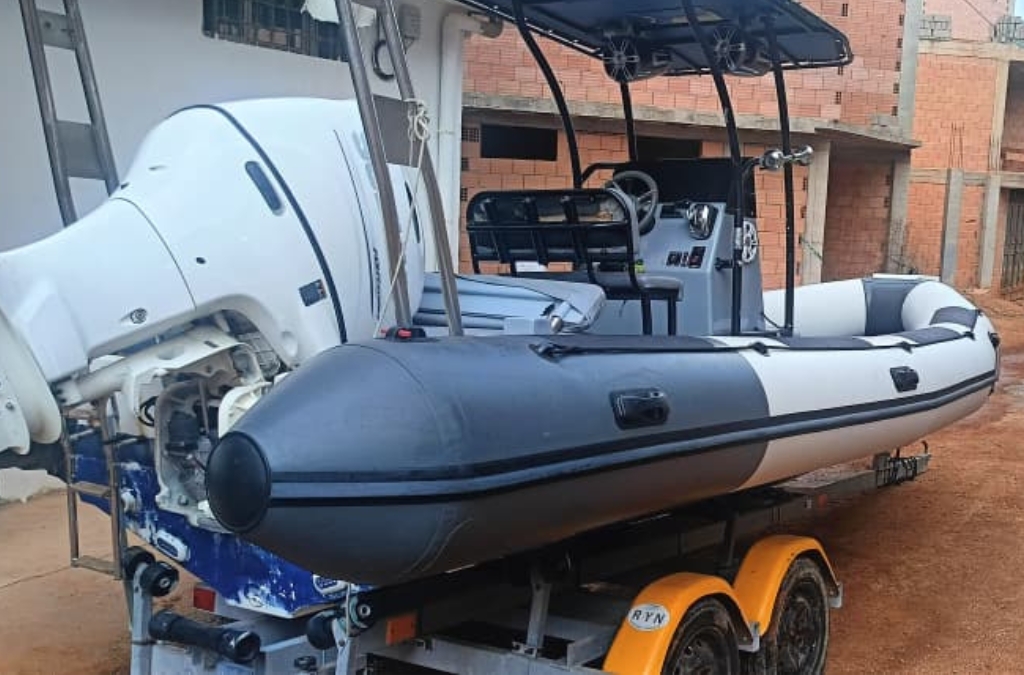
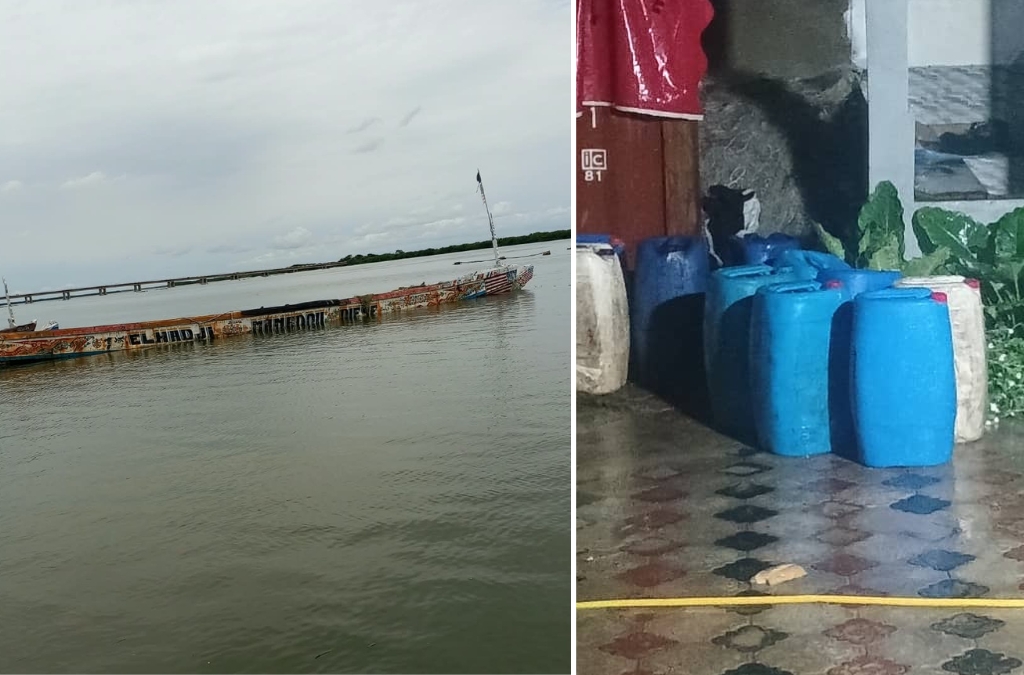

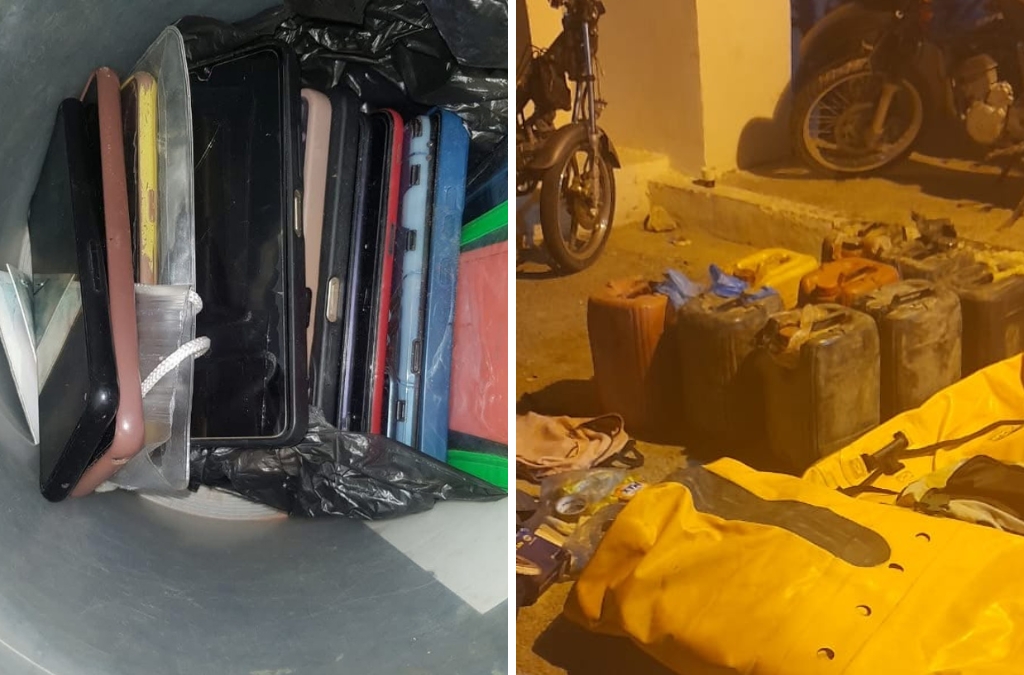
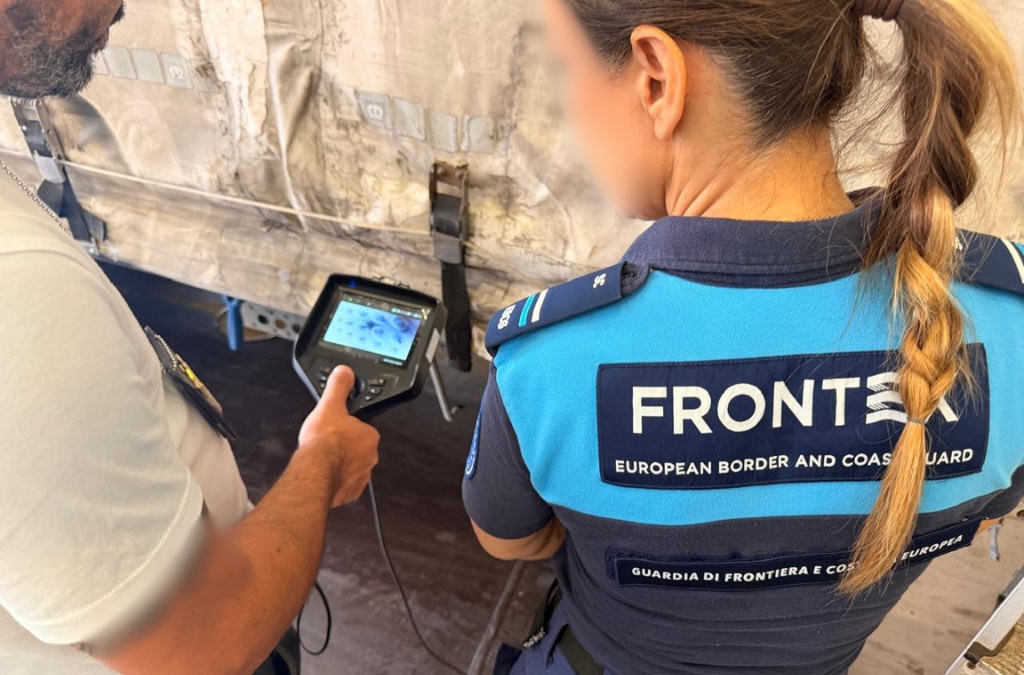
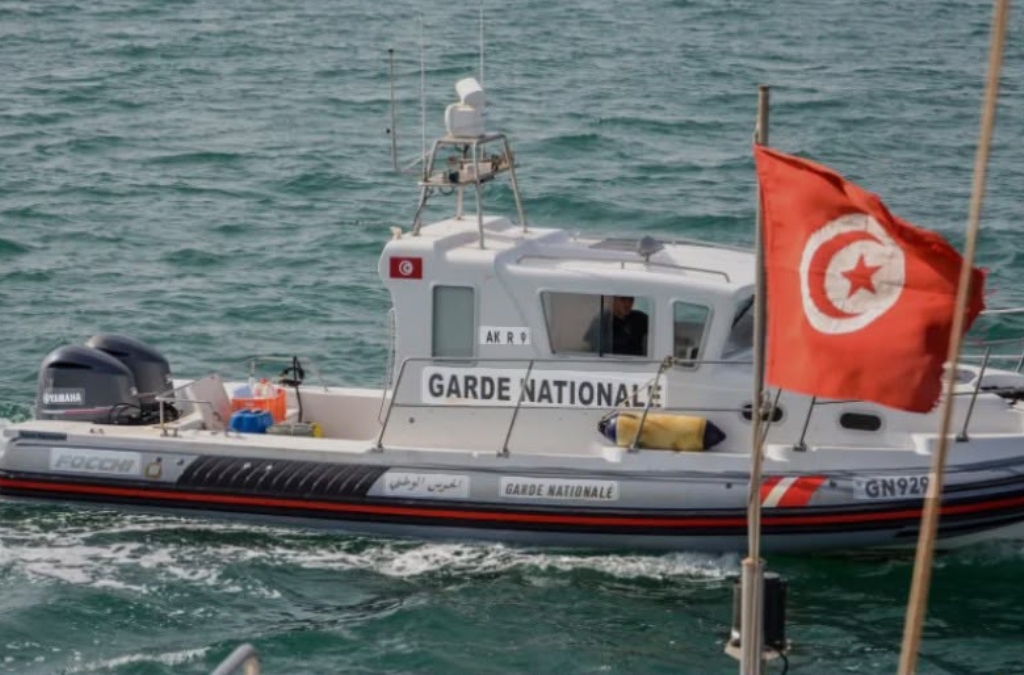
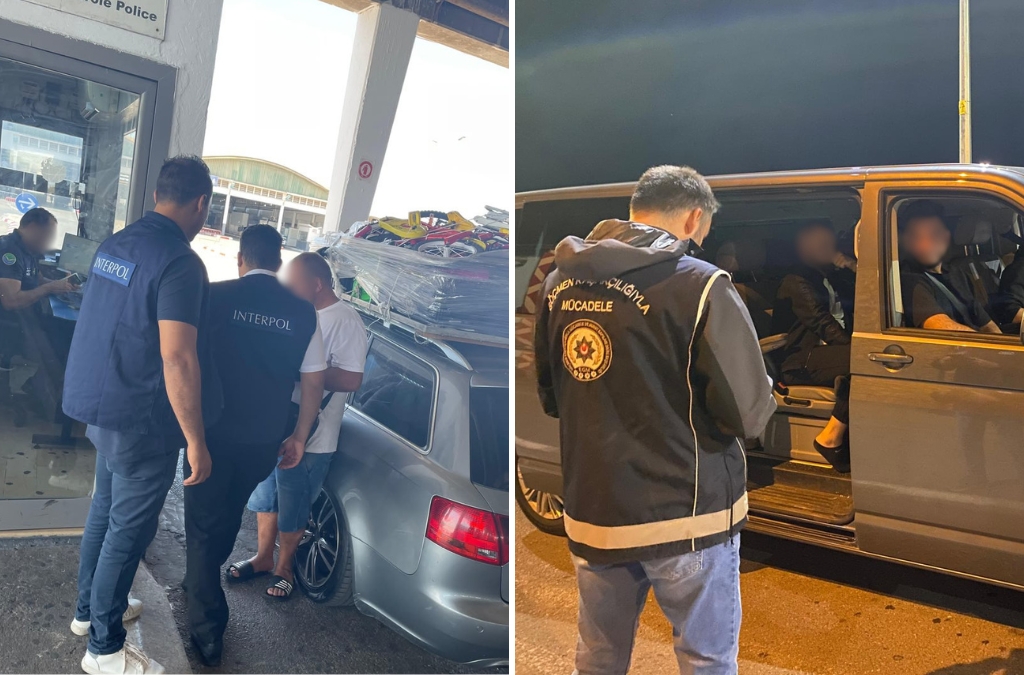
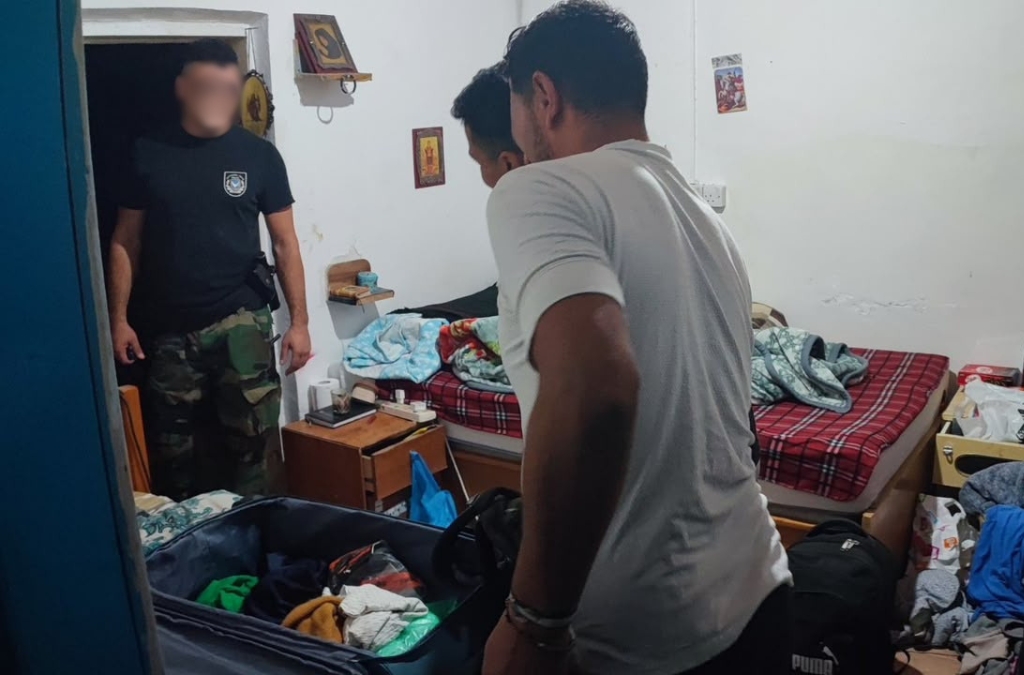
Acting on intelligence and backed by reinforced surveillance, participating authorities also worked to intercept vessels prior to departure. In one case, Tunisian law enforcement thwarted a crossing and apprehended three Tunisian nationals accused of people smuggling. A boat, a marine engine and other equipment were also seized.
In just four days, agencies taking part in Operation Communis Maris identified 41 different organized criminal groups involved in migrant smuggling. In a significant case, Libyan authorities rescued 34 potential victims of human trafficking and arrested three individuals for their suspected involvement in an organized criminal group engaged in human trafficking, migrant smuggling and extortion.
In Algeria, law enforcement arrested six suspects in an investigation targeting a migrant-smuggling network. In addition to smuggling charges, the suspects face accusations of endangering minors.
In Syria, coordinated maritime patrols and surveillance by several national agencies led to a raid on a premises used by migrant smugglers. Authorities apprehended seven suspects, including the alleged ringleader, and intercepted 22 irregular migrants.
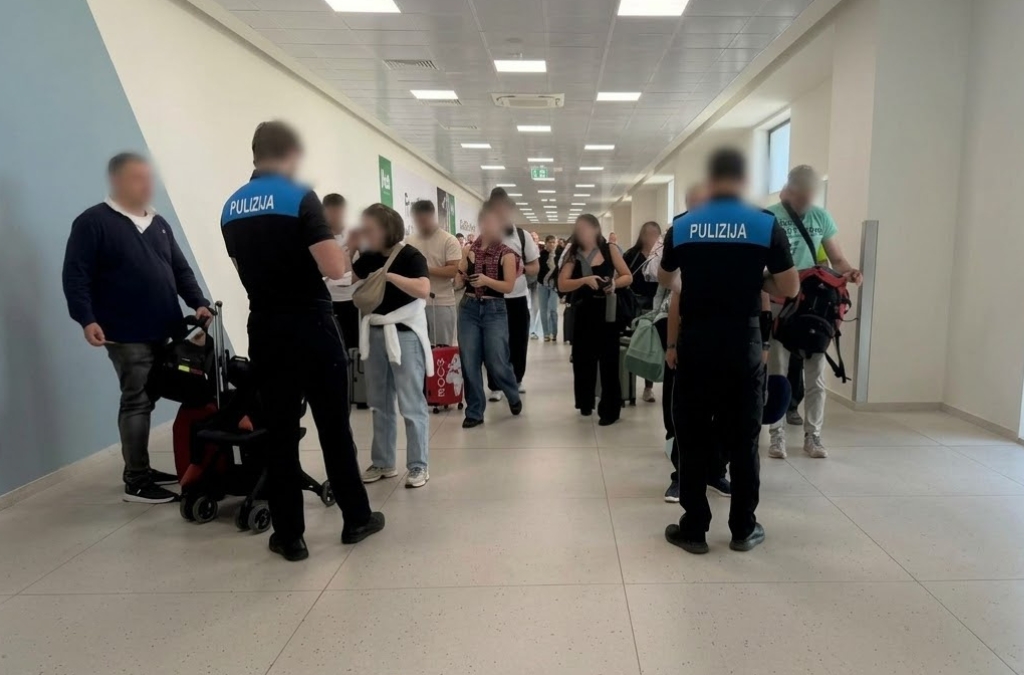
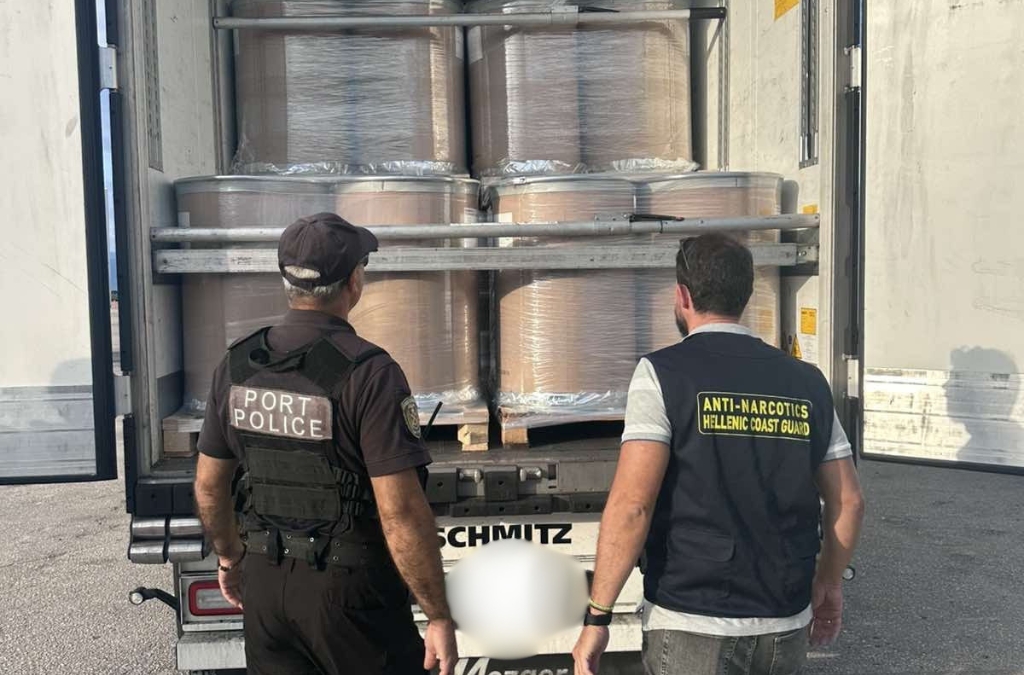
Beyond the maritime routes, teams reinforced controls at airports and targeted the forged documents and illicit money that keep smuggling networks running. Authorities in both Cyprus and Greece made arrests at airports over attempts to use forged travel documents. In Morocco, authorities arrested one individual on suspicion of supplying forged passports and recruiting people for irregular migration.
In France, police arrested six individuals on suspicion of money laundering, facilitating irregular migration, and housing a vulnerable or dependent person in conditions incompatible with human dignity.
Operation Communis Maris uncovered dozens of links to social media posts, groups and accounts promoting irregular migration and people smuggling services. These findings, along with the other intelligence gathered and the 434 newly opened investigations, are expected to yield further leads and arrests in the coming weeks and months.
Notes to editors
Operation Communis Maris was financed by the European Union in the framework of Project Himaya.
Participating countries: Algeria, Cyprus, France, the Gambia, Greece, Italy, Libya, Malta, Mauritania, Morocco, Portugal, Senegal, Spain, Syria, Tunisia and Türkiye.
About INTERPOL
Headquartered in Lyon, France, INTERPOL is the world’s largest international police organization, connecting 196 member countries. It maintains global databases containing police information on criminals and crime, and provides operational and forensic support, analysis services and training. These policing capabilities are delivered worldwide and support four global programmes: financial crime and corruption; counter-terrorism; cybercrime; and organized and emerging crime.
Follow INTERPOL on X, Facebook, Instagram, Flickr and YouTube.