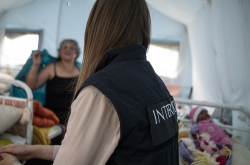





LYON (Francia) – Durante una visita de Hope for Justice a la sede de INTERPOL, encuentro destinado a determinar los avances de la cooperación operativa, ha quedado patente que esta ONG internacional es la primera organización del sector de la ayuda humanitaria que aplica controles de seguridad a través del conducto específico previsto en el marco del proyecto Soteria de la organización policial mundial.
El proyecto Soteria ofrece a las organizaciones de ayuda humanitaria un conducto especializado para identificar a autores de actos de explotación, abuso y acoso sexual, e impedir su incorporación a ellas.
A medida que aumenta la actividad de las organizaciones humanitarias y de desarrollo a través de las fronteras, los procesos de contratación pueden ofrecer a los delincuentes la oportunidad de cambiar de función y país pasando desapercibidos.
El proyecto Soteria se creó para colmar esta brecha mediante la intensificación del intercambio de información entre el sector de la ayuda humanitaria y las fuerzas del orden, al tiempo que se vela por que todas las verificaciones se lleven a cabo de conformidad con las normas internacionales en materia de protección de datos y derechos humanos.
A raíz de un acuerdo de cooperación firmado en 2024 por INTERPOL y Hope for Justice, en mayo de 2025 se llevaron a cabo las primeras verificaciones de prueba, lo que permitió a la ONG internacional cargar la información de los candidatos seleccionados a través de una plataforma protegida para que los analistas de información policial de INTERPOL la cotejaran con las bases de datos de esta y las redes de sus países miembros.
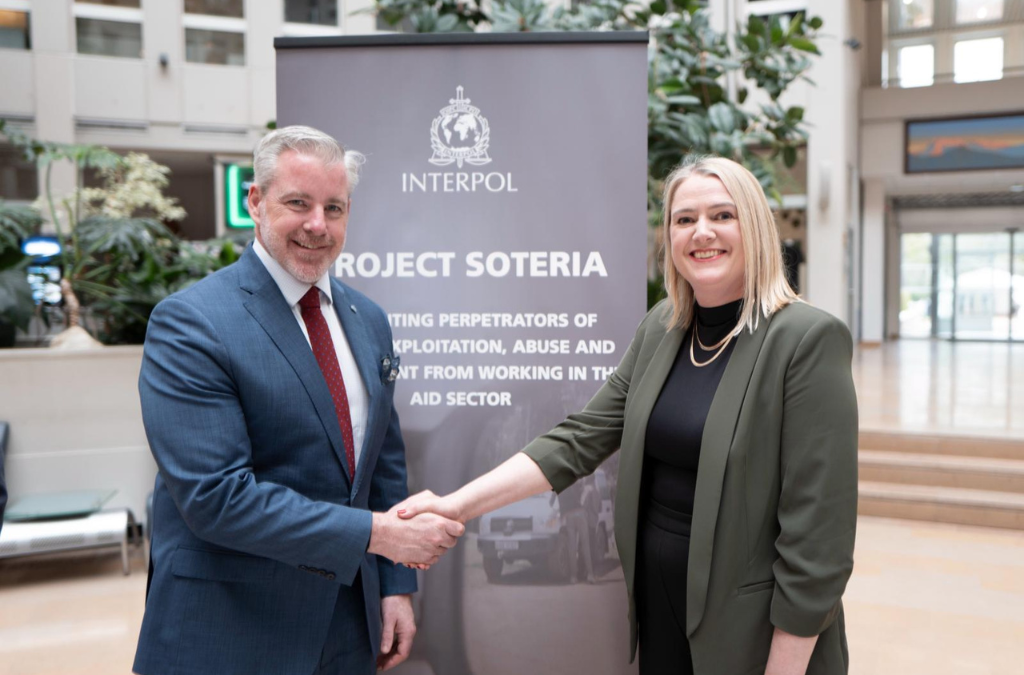
Elaine Jones, directora de Operaciones de Hope for Justice, declaró:
«Estamos decididos a proteger a las personas vulnerables, tanto a los adultos supervivientes de la trata de personas como a los menores que se encuentran a salvo en nuestros refugios, que denominamos faros. Muchos de estos menores ya han pasado por situaciones de explotación o abuso. Cuando acuden a nosotros, merecen estar a salvo, merecen ser cuidados y merecen tener la certeza absoluta de que están protegidos y no volverán a sufrir daños. Por ello, para nosotros la contratación de personas que no presenten peligro no es un mero proceso administrativo: se trata de una responsabilidad de amparo. Es un honor para nosotros asociarnos a INTERPOL para añadir este nuevo y potente nivel de protección».
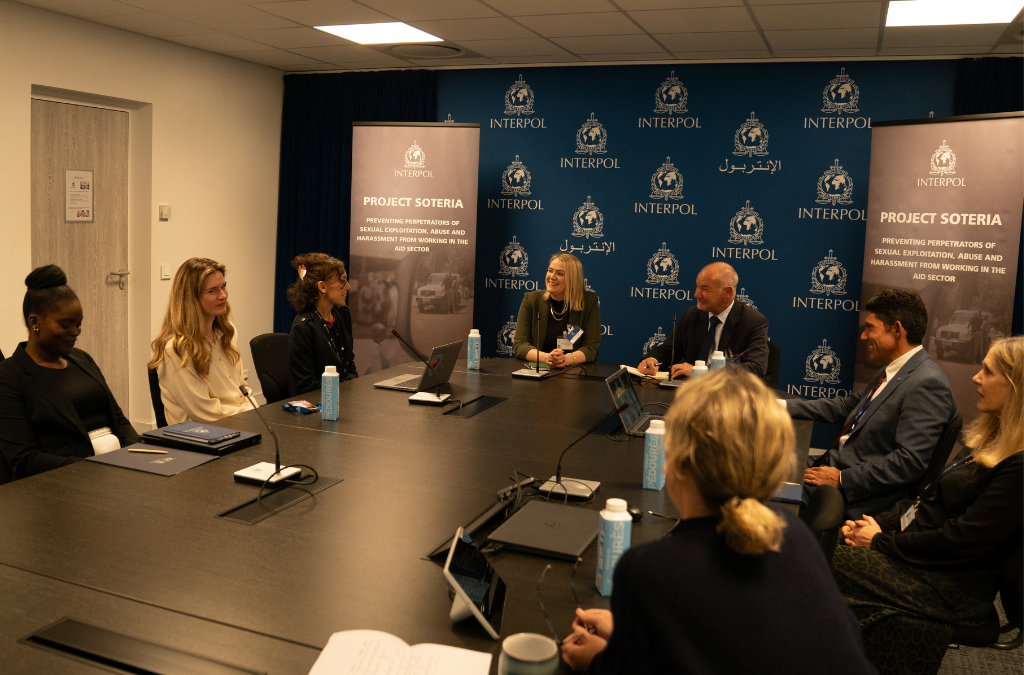
En palabras de Neil Wain, asesor principal en materia de seguridad y protección de Hope for Justice:
«Somos una organización que brinda apoyo activo a los supervivientes de abuso y explotación que han sido víctimas de la esclavitud moderna y la trata de personas. Como tal, Hope for Justice es plenamente consciente de las maneras en las que los autores de estos delitos intentan ponerse en contacto con las víctimas valiéndose de puestos de trabajo en el sector de la cooperación o la ayuda humanitaria. Al realizar verificaciones de los candidatos en la plataforma protegida del proyecto Soteria, reforzamos las medidas de protección existentes y mejoramos nuestra reacción frente a la explotación, el abuso y el acoso sexuales, lo que refleja nuestro enfoque de tolerancia cero ante estos problemas y nuestro compromiso de tomar medidas prácticas».
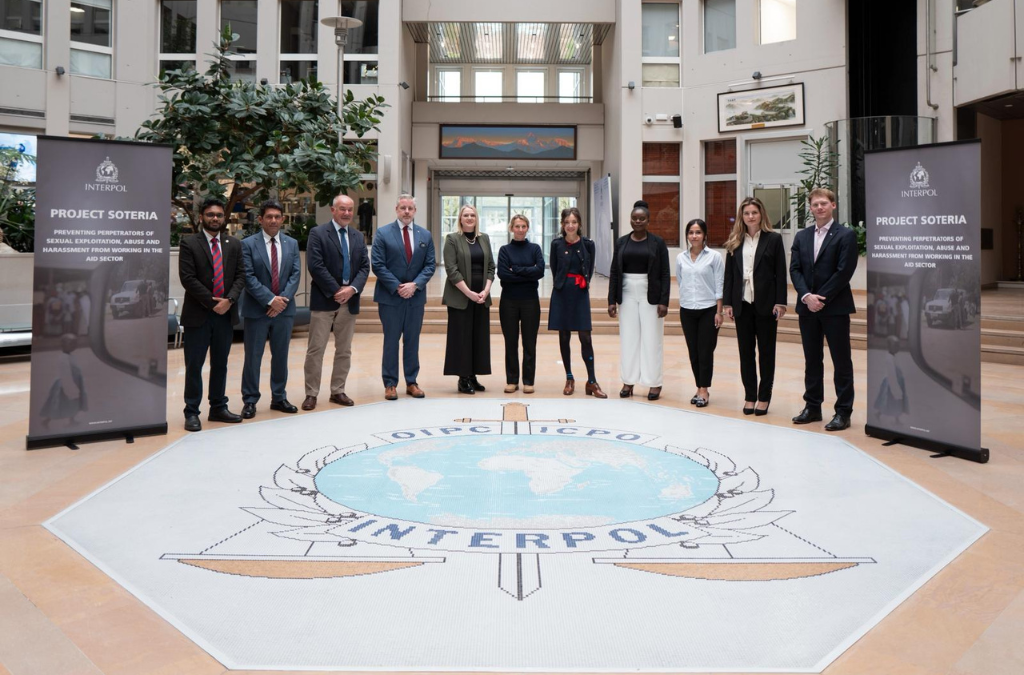
David Caunter, director de INTERPOL de Delincuencia Organizada y Nuevas Tendencias Delictivas, afirmó:
«Este hito demuestra cómo las alianzas sólidas entre las fuerzas del orden y el sector de la ayuda humanitaria pueden colmar las brechas que los delincuentes tratan de aprovechar. Al trabajar juntos en el marco del proyecto Soteria, mejoramos la prevención, apoyamos prácticas de contratación más seguras y ayudamos a comprobar que las personas que trabajan con grupos vulnerables cumplen las normas de integridad más estrictas».
Notas para los editores
El proyecto Soteria, puesto en práctica por INTERPOL con financiación del Ministerio de Asuntos Exteriores, de la Commonwealth y de Desarrollo del Reino Unido, ayuda a las organizaciones a reforzar las medidas de protección, al tiempo que mejora la capacidad de las fuerzas del orden para investigar la explotación y los abusos sexuales y la violencia de género a través de las fronteras.
Hope for Justice trabaja a escala internacional para combatir la esclavitud moderna y la trata de personas mediante el apoyo a los supervivientes, los programas de prevención, la formación y la reforma de políticas. La organización trabaja en Australia, Estados Unidos, Etiopía, el Reino Unido y Uganda.