


LYON, France – A global crackdown on food fraud, lasting almost six months, has led to the seizure of more than half a million counterfeit and illicit items worth an estimated USD 87 million.
Operation Opson XV (15 December 2025 – 31 May 2026) brought together law enforcement, customs and food safety authorities from 57 countries. Co-led by INTERPOL and Europol, the operation also led to the arrest of 79 individuals and the disruption of 18 organized crime groups.
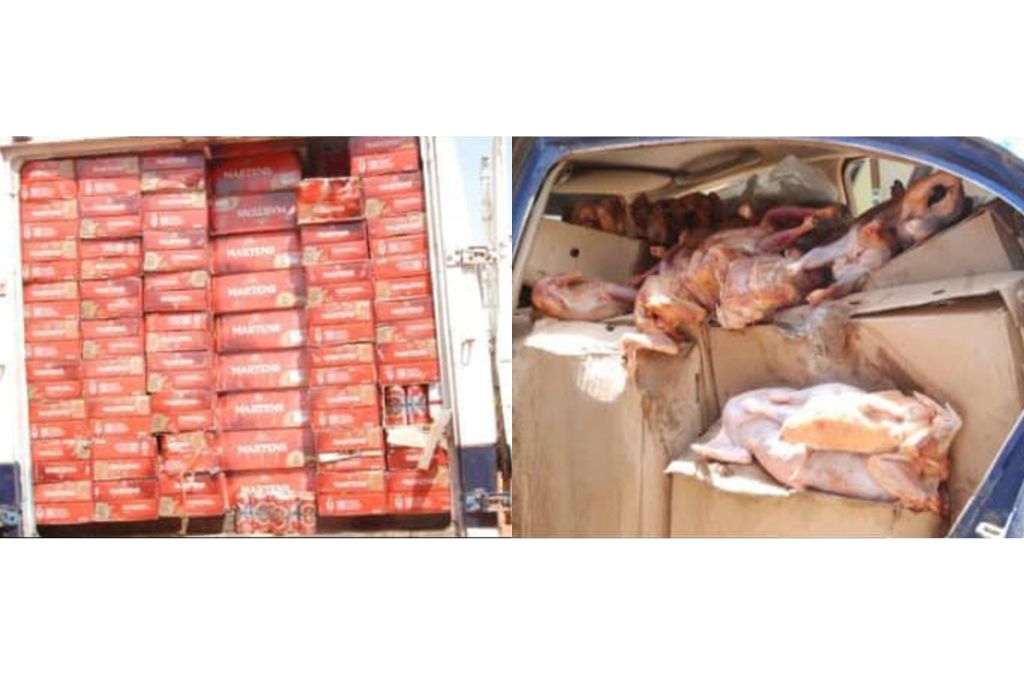
Authorities conducted more than 17,000 inspections as part of the operation, seizing more than 526,328 items, including 1,653 tonnes of substandard or illegally traded food products and 227,800 litres of non-compliant or illicit beverages.
As well as removing illicit products from circulation, the operation aimed to map transnational trafficking routes, dismantle the logistical infrastructure relied upon by criminal groups, and expose deceptive trade practices such as the deliberate misclassification of goods to evade inspection and duties.
Food fraud — which includes counterfeit, mislabelled and substandard products — inflicts significant economic losses and erodes consumer trust. The threat, however, goes beyond financial harm and can pose a serious risk to public health.
Adulterated commodities seized on an industrial scale
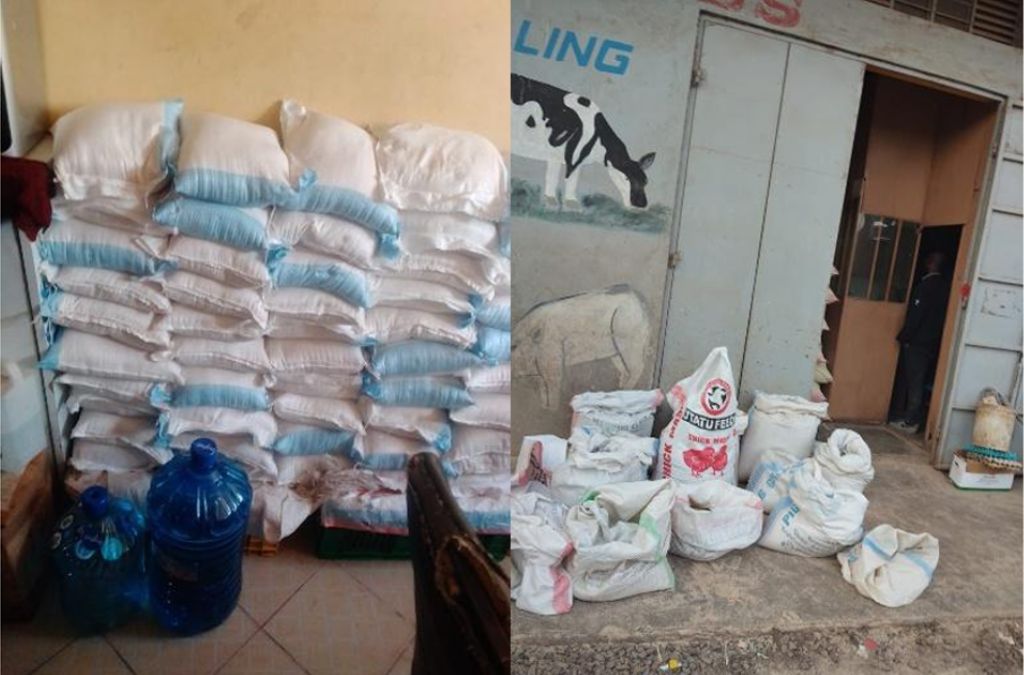
In Brazil, authorities seized 90 tonnes of adulterated commodities — 48 tonnes of sugar and 42 tonnes of soybeans. Investigators established that the raw materials had been partially substituted, impairing the quality and safety of the products. The sheer volume points to trafficking on an industrial scale rather than isolated opportunism.
In Canada, authorities seized more than 10 tonnes of honey that had been adulterated with sugar syrups. They detected the fraud using Nuclear Magnetic Resonance profiling, which measures honey’s molecular ‘fingerprint’ to verify its purity and authenticity. Beyond reducing quality, dilution with cheap, high-glycemic industrial syrups poses a risk to people with diabetes.
Spanish authorities detained two individuals for fraudulently marketing 227 kg of stolen farmed fish as wild-caught. Analysis detected drug residues in the confiscated product.
Authorities in Türkiye seized 137 food supplement items and more than a tonne of honey.
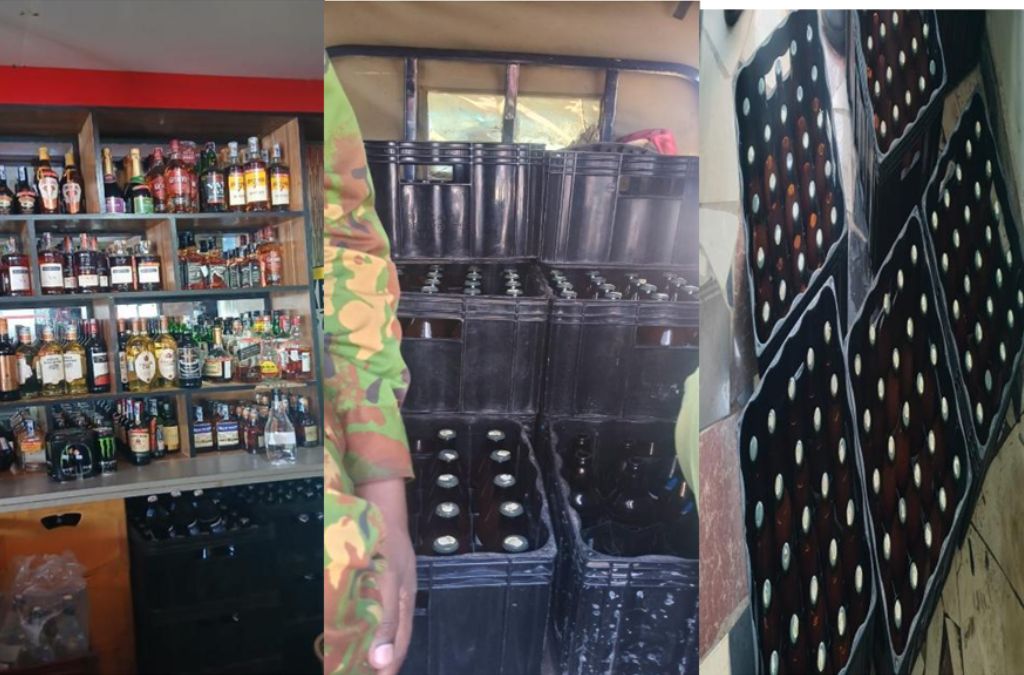
Officials in Ecuador seized 19,920 units of illicit alcoholic beverages bearing the names of well-known brands. The shipment is suspected of lacking the sanitary registration required for legal sale.
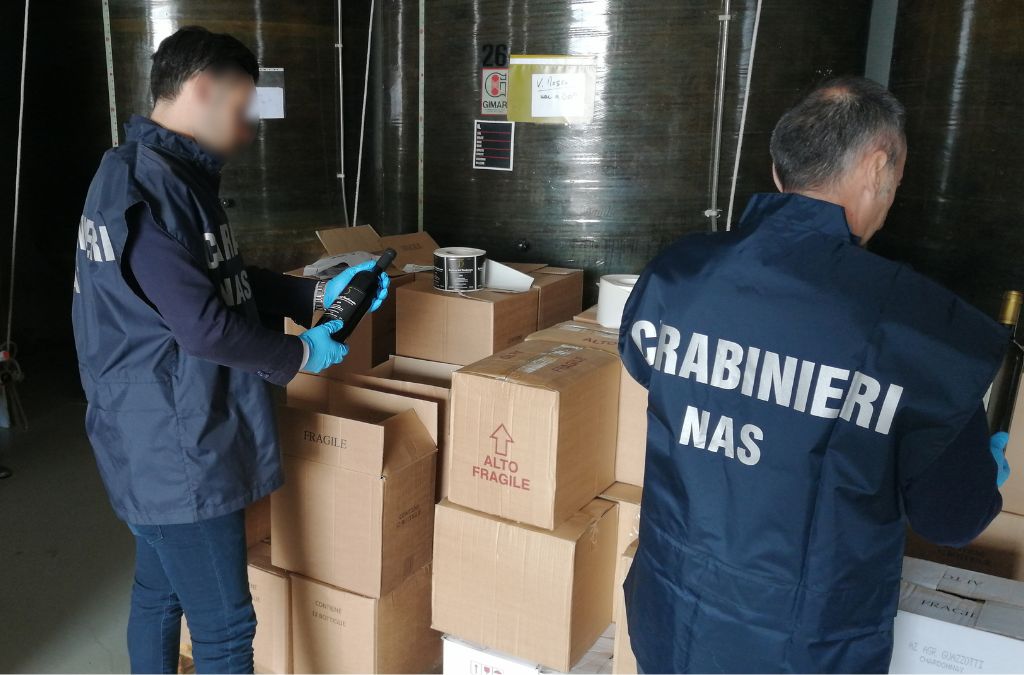
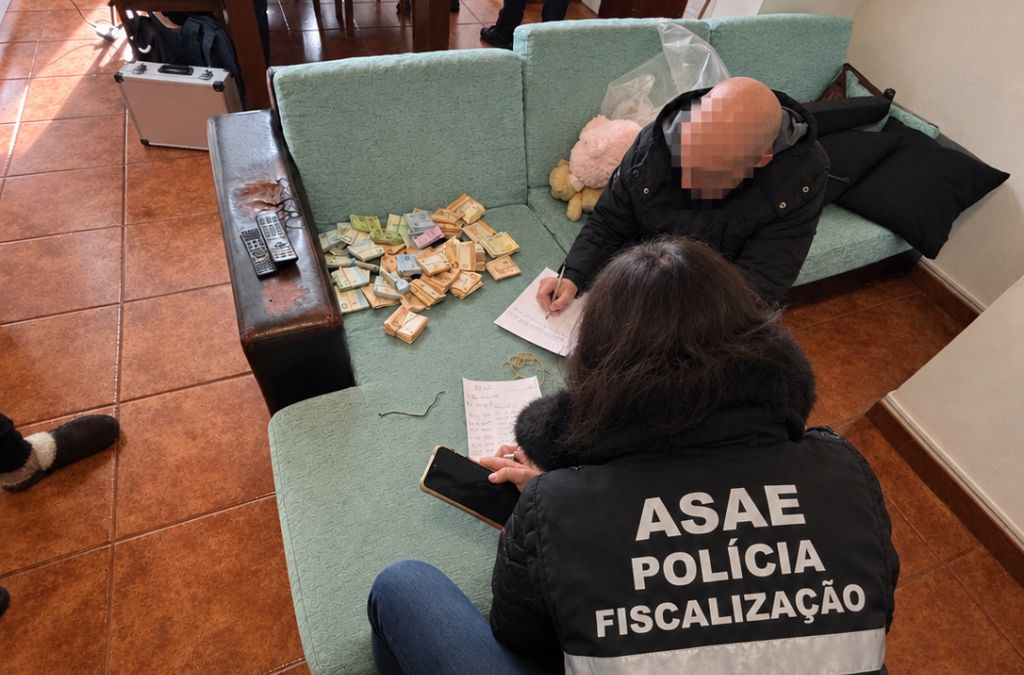
In Portugal, authorities revealed a major case of olive oil fraud in which 10,000 litres of vegetable oil were fraudulently labelled as premium virgin olive oil. In addition, 340 litres of unregistered liqueur wine were seized. Three individuals have been charged, and the case remains under judicial supervision.
Medicines and other illicit goods in the net
The operational activities also led to the seizure of illicit items beyond food and beverages, including medical products. In Ethiopia, officials seized 12,000 tablets and 1,800 capsules, among them counterfeit insulin, posing a direct risk to patients who depend on effective treatment.
In Côte d'Ivoire, authorities seized 4,817 items of counterfeit apparel, including replica football jerseys and 7,200 litres of butane gas being transferred illegally. The gas intended for use as fuel for shared taxis, a practice prohibited under national regulations and one that carries a serious risk of fire and explosion for drivers and passengers.
Across participating countries, the food and beverage categories most frequently targeted were sugar and honey, oils, alcoholic beverages, meat and seafood, fruit and vegetables and dairy products.
Among the key trends identified through Opson XV:
- a move away from visually imitating well-known brands towards chemically adulterating essential commodities;
- ongoing abuse of legitimate trade infrastructure, as criminal networks use established logistics hubs and shipping channels to move adulterated goods across borders;
- the persistence of traditional fraud methods, such as repackaging expired food and hygiene violations at production facilities.
The seizures and the intelligence gathered during Opson XV are expected to generate further investigations in the coming months.
Notes to editors
Operation Opson XV was supported by the European Anti-Fraud Office (OLAF).
Participating countries: Armenia, Austria, Belgium, Brazil, Bulgaria, Burkina Faso, Cameroon, Canada, Central African Republic, Chad, China, Côte d'Ivoire, Croatia, Czechia, Denmark, Ecuador, Estonia, Ethiopia, Finland, France, Gambia, Georgia, Germany, Ghana, Greece, Guinea, Hungary, India, Ireland, Italy, Kenya, Latvia, Lithuania, Mali, Moldova, Morocco, Netherlands, Niger, Nigeria, Norway, Peru, Philippines, Poland, Portugal, Romania, Senegal, Slovakia, Slovenia, Spain, Sweden, Switzerland, Thailand, Togo, Türkiye, Ukraine, United Kingdom, United States
About INTERPOL
Headquartered in Lyon, France, INTERPOL is the world’s largest international police organization, connecting 196 member countries. It maintains global databases containing police information on criminals and crime, and provides operational and forensic support, analysis services and training. These policing capabilities are delivered worldwide and support four global programmes: financial crime and corruption; counter-terrorism; cybercrime; and organized and emerging crime.
Follow INTERPOL on X, Facebook, Instagram, LinkedIn, Flickr and YouTube
Noticias conexas