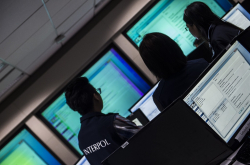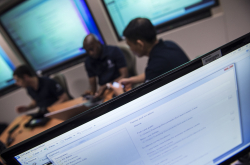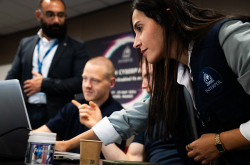





LYON (Francia) – Las fuerzas del orden de 19 países han detenido a 574 sospechosos y han recuperado aproximadamente 3 millones de dólares estadounidenses en una importante operación contra la ciberdelincuencia en África.
Los objetivos de la operación Sentinel, llevada a cabo del 27 de octubre al 27 de noviembre, eran tres tipos de delincuencia preponderantes: las estafas a empresas por e-mail mediante suplantación de identidad (o estafas BEC), la extorsión digital y el ransomware. Estos fenómenos delictivos se habían identificado como amenazas crecientes en el Informe de INTERPOL de Evaluación de las Ciberamenazas en África de 2025.
En la iniciativa coordinada por INTERPOL se eliminaron más de 6 000 enlaces con fines delictivos y se descifraron seis variantes distintas de ransomware. Los casos investigados durante el mes que duró la operación estaban vinculados a unas pérdidas financieras estimadas en más de 21 millones de dólares estadounidenses.
Logros de la operación: se recuperan millones de dólares estadounidenses gracias a intervenciones rápidas y a la cooperación internacional
En Senegal, una importante empresa petrolera detectó una sofisticada estafa a empresas por e-mail mediante suplantación de identidad en la que los estafadores infiltraron sistemas de correo interno y usurparon la identidad de personal directivo con el fin de autorizar una transferencia fraudulenta de 7,9 millones de dólares estadounidenses. Gracias al embargo preventivo de urgencia de las cuentas destinatarias, las autoridades senegalesas lograron detener la transferencia antes de que los fondos pudieran ser retirados.
Una entidad financiera de Ghana sufrió un ataque de ransomware con el que se encriptaron 100 terabytes de datos, se robaron aproximadamente 120 000 dólares estadounidenses y se interrumpieron servicios fundamentales. Las autoridades ghanesas realizaron un análisis avanzado del programa utilizado con fines delictivos, lo que les permitió identificar la variante del ransomware y desarrollar una herramienta de descifrado con la que recuperaron casi 30 terabytes de datos. Se detuvo a numerosos sospechosos.
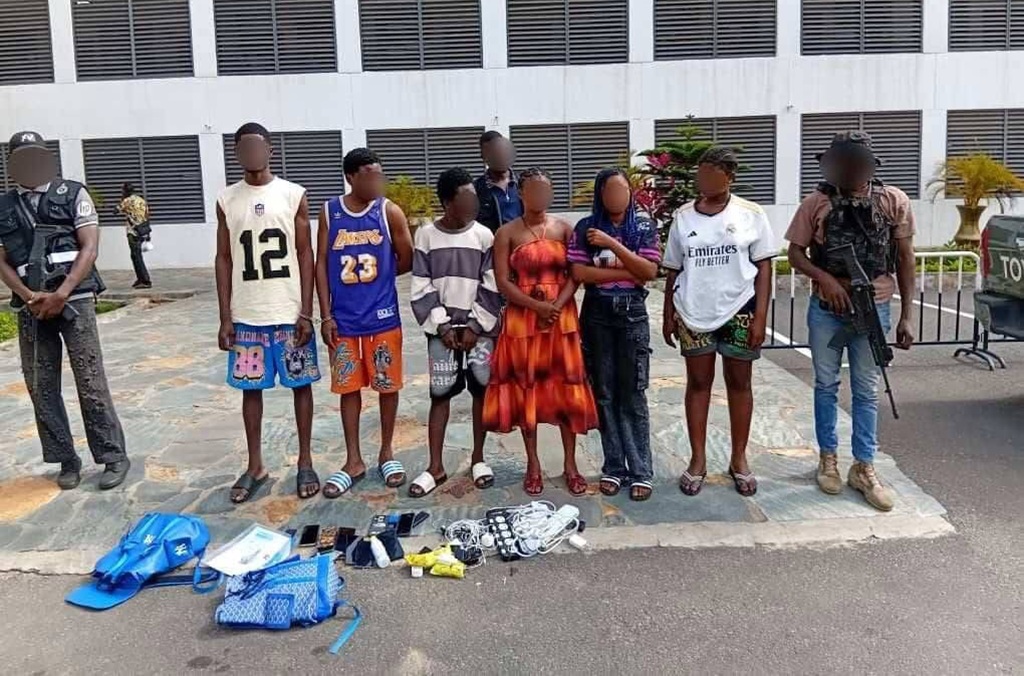
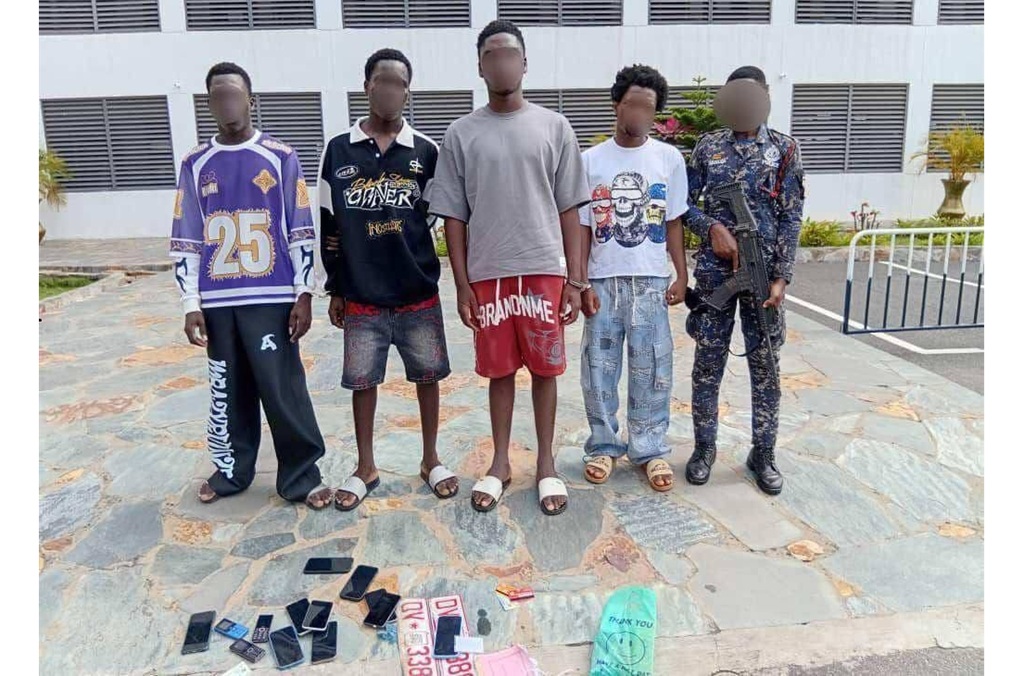
Las autoridades ghanesas desmantelaron una red importante de ciberestafas en la que se imitaban marcas conocidas de comida rápida para obtener pagos en línea.Se detuvo a diez sospechosos en Ghana en relación con este caso de ciberestafa y se incautaron de más de 100 dispositivos digitales.
Además, las autoridades ghanesas desmantelaron una amplia red de ciberestafas que operaba en Ghana y Nigeria y a través de la que se defraudaron más de 400 000 dólares estadounidenses a más de 200 víctimas. Mediante sitios web y aplicaciones móviles diseñados de manera profesional, los estafadores imitaban marcas conocidas de comida rápida y obtenían pagos, pero nunca entregaban los pedidos. Diez sospechosos fueron detenidos en Ghana, se incautaron de más de 100 dispositivos digitales y se desconectaron de la red 30 servidores fraudulentos.
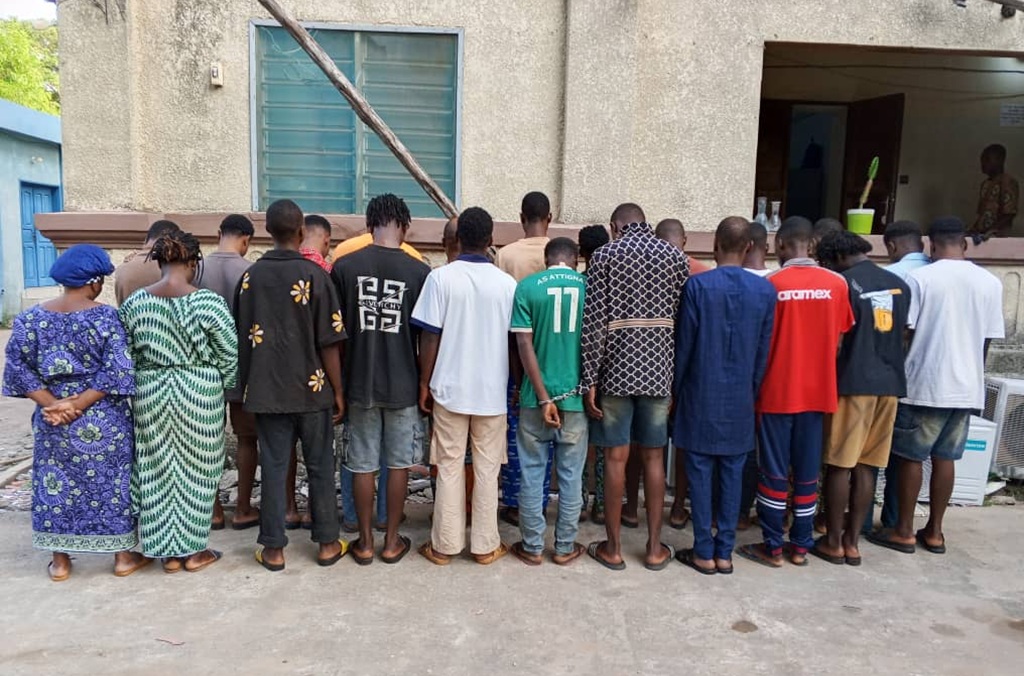
En Benín, se eliminaron 43 dominios malintencionados y se cerraron 4 318 cuentas de redes sociales vinculadas a entramados de extorsión y estafas, lo que llevó a que se practicaran 106 detenciones.
Las autoridades camerunesas actuaron rápidamente cuando dos víctimas informaron de una estafa relacionada con una plataforma en línea de venta de vehículos. Se rastreó la campaña de phishing hasta llegar a un servidor comprometido, y en pocas horas se realizó un embargo preventivo de urgencia de las cuentas bancarias.
Neal Jetton, director de Ciberdelincuencia de INTERPOL, afirmó:
«El alcance y la complejidad de los ciberataques en África están acelerándose, especialmente los perpetrados contra sectores fundamentales (como las finanzas y la energía). Los resultados de la Operación Sentinel reflejan la entrega de los organismos encargados de la aplicación de la ley africanos, que trabajan en estrecha colaboración con socios internacionales. Sus actuaciones han logrado proteger medios de subsistencia y datos personales delicados y han permitido preservar infraestructuras críticas».
La Operación Sentinel se pudo llevar a cabo gracias a la estrecha colaboración con los socios del sector privado de INTERPOL Team Cymru, The Shadowserver Foundation, Trend Micro, TRM Labs y Uppsala Security. Las alianzas con el sector privado proporcionaron un apoyo técnico fundamental para rastrear las direcciones IP utilizadas en diversas etapas del desarrollo de los ataques de ransomware y de los entramados de extorsión sexual, así como para ayudar a llevar a cabo el embargo preventivo de activos ilícitos.
Notas para los editores:
La Operación Sentinel se llevó a cabo bajo el marco de las Operaciones Conjuntas contra la Ciberdelincuencia en África (AFJOC), financiadas por el Ministerio de Asuntos Exteriores, de la Commonwealth y de Desarrollo del Reino Unido y mediante el proyecto GLACY-e de refuerzo de la acción mundial contra la ciberdelincuencia, un proyecto conjunto de la Unión Europea y el Consejo de Europa.
En junio, INTERPOL publicó el Informe de INTERPOL de Evaluación de las Ciberamenazas en África de 2025, en el que consta que dos terceras partes de los países miembros africanos encuestados afirmaban que los delitos relacionados con la ciberdelincuencia representan una proporción entre media y alta de todos los delitos.
Países participantes: Benín, Botsuana, Burkina Faso, Camerún, Chad, Congo, Gabón, Ghana, Kenia, Malaui, Nigeria, República Democrática del Congo, Senegal, Sudáfrica, Sudán del Sur, Uganda, Yibuti, Zambia y Zimbabue.