




LYON (France) – Une opération internationale de lutte contre la cybercriminalité axée sur l’hameçonnage, les logiciels malveillants et les rançongiciels a permis de bloquer plus de 45 000 adresses IP et serveurs malveillants.
Des services chargés de l’application de la loi de 72 pays et territoires ont participé à l’opération Synergia III (18 juillet 2025 - 31 janvier 2026), coordonnée par INTERPOL. L’opération a abouti à l’arrestation de 94 personnes, et 110 autres font toujours l’objet d’une enquête.
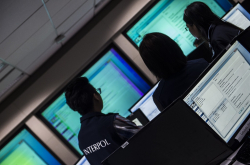
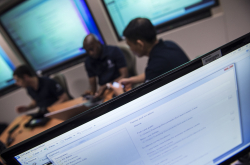
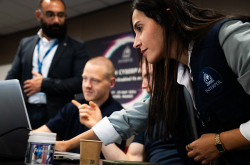
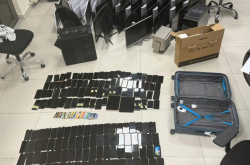
Au cours de l’opération, INTERPOL a transformé des données en renseignements exploitables, facilité la collaboration transfrontalière et apporté une assistance opérationnelle tactique aux pays membres. Les enquêtes préliminaires ont conduit à une série d’actions coordonnées par les autorités nationales, notamment des perquisitions dans des lieux clés et la perturbation d’activités cybercriminelles. Au total, 212 appareils électroniques et serveurs ont été saisis.
Neal Jetton, directeur de la Cybercriminalité à INTERPOL a déclaré :
« En 2026, la cybercriminalité est plus sophistiquée et plus destructrice que jamais, mais l’opération Synergia III est un témoignage puissant de ce que la coopération mondiale peut accomplir. INTERPOL reste à l’avant-garde de cette lutte en réunissant des services chargés de l’application de la loi et des experts du secteur privé afin de démanteler les réseaux criminels, neutraliser les nouvelles menaces et protéger les victimes dans le monde entier. »
Sites Web frauduleux, escroqueries aux sentiments et fraudes à la carte de crédit
Bien que plusieurs enquêtes soient toujours en cours dans les pays participants, les rapports préliminaires sur des affaires majeures montrent l’étendue des tactiques criminelles utilisées :
- Les services chargés de l’application de la loi à Macao (Chine) ont recensé plus de 33 000 sites Web frauduleux et d’hameçonnage, liés à de faux casinos et à des infrastructures critiques, telles que des sites officiels de banques, d’administrations et de services de paiement. Les victimes sont escroquées en approvisionnant leurs comptes via les sites frauduleux ou en se faisant voler leurs informations personnelles et les détails de leur carte de crédit.
- Au Togo, la police a arrêté 10 suspects qui dirigeaient un réseau d’escroquerie depuis un quartier résidentiel. Certains étaient spécialisés dans des infractions techniques telles que le piratage de comptes de réseaux sociaux, tandis que d’autres pratiquaient la manipulation psychosociale, notamment des escroqueries aux sentiments et des extorsions sexuelles. Après avoir eu accès à un compte, les malfaiteurs entraient en relation avec les contacts en ligne de la victime, usurpant son identité pour nouer de fausses relations amoureuses ou tromper des amis et des membres de la famille. Leur but était de persuader ces victimes secondaires d’effectuer des transferts d’argent.
- Au Bangladesh, la police a arrêté 40 suspects et saisi 134 appareils électroniques liés à un large éventail de cyberinfractions, notamment des escroqueries aux prêts et à l’emploi, des vols d’identité et des fraudes à la carte de crédit.
Lors de l’opération Synergia III, INTERPOL a travaillé en étroite collaboration avec ses partenaires Group-IB, Trend Micro et S2W pour suivre les activités cybercriminelles et identifier les serveurs malveillants.
Note aux rédacteurs
Pays et territoires participants : Afrique du Sud, Angola, Argentine, Autriche, Bahreïn, Bangladesh, Bolivie, Bosnie-Herzégovine, Botswana, Brésil, Brunéi, Burkina Faso, Burundi, Cameroun, Colombie, Émirats arabes unis, Érythrée, Espagne, Eswatini, France, Gambie, Géorgie, Grèce, Guatemala, Guinée, Guinée-Bissau, Guyana, Honduras, Inde, Iraq, Irlande, Islande, Israël, Japon, Jordanie, Kazakhstan, Kenya, Koweït, Lesotho, Lettonie, Liban, Liechtenstein, Macao (Chine), Madagascar, Macédoine du Nord, Malaisie, Maldives, Moldova, Mongolie, Niger, Nigéria, Oman, Ouganda, Pakistan, Palestine, Paraguay, Philippines, Pologne, Qatar, République démocratique du Congo, Royaume-Uni, Singapour, Soudan du Sud, Sri Lanka, Suisse, Tanzanie, Togo, Türkiye, Ukraine, Venezuela, Zambie et Zimbabwe.