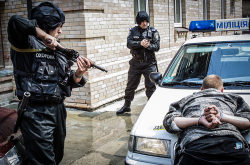





SINGAPOUR – Une opération inédite de lutte contre la cybercriminalité menée dans la région Moyen-Orient et Afrique du Nord a conduit à l’arrestation de 201 personnes et à l’identification de 382 suspects.
Treize pays du Moyen-Orient et de l’Afrique du Nord ont participé à l’opération Ramz (octobre 2025 - 28 février 2026), dont l’objectif était d’enquêter sur les infrastructures malveillantes et de les démanteler, d’identifier et d’arrêter les suspects et d’éviter de nouvelles pertes.
L’opération était axée sur la neutralisation des menaces liées à l’hameçonnage et aux logiciels malveillants, ainsi que sur la lutte contre les cyberescroqueries causant des préjudices financiers importants dans la région.
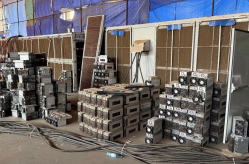
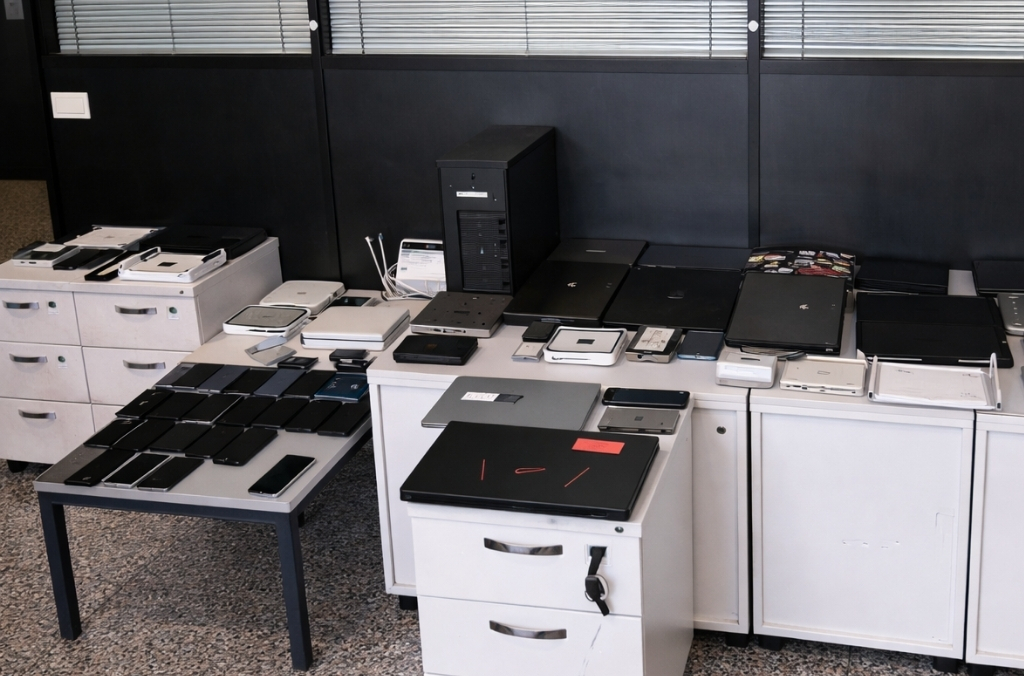
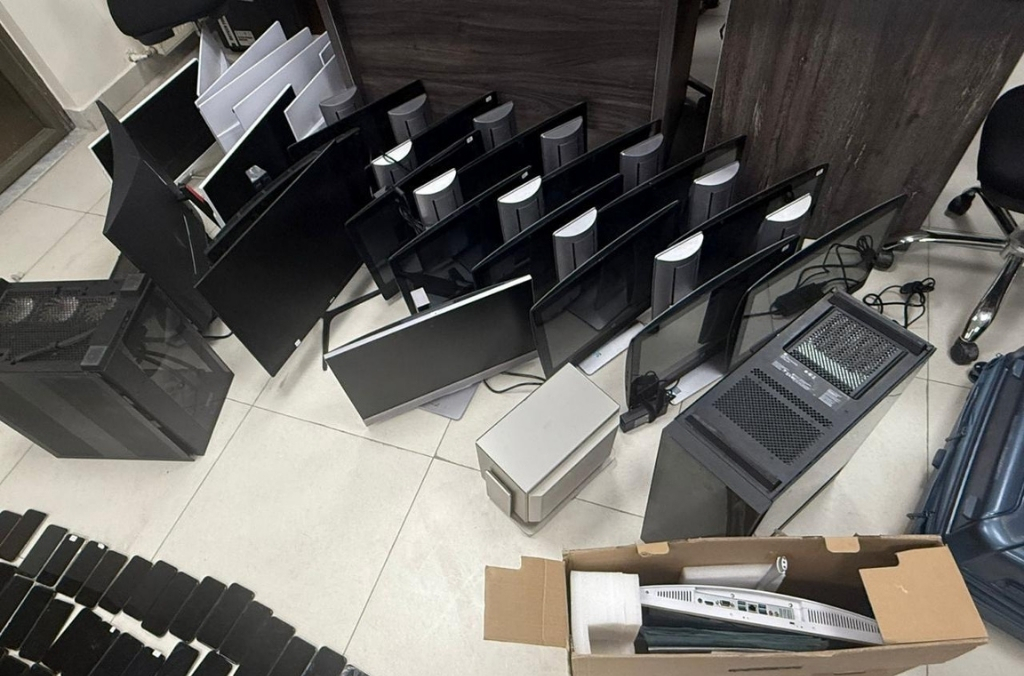
Outre les arrestations effectuées, 3 867 victimes ont été identifiées et 53 serveurs ont été saisis.
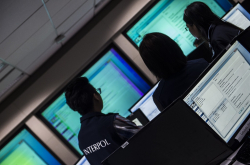
L’opération Ramz a marqué une étape importante puisqu’elle est la première cyberopération de cette ampleur coordonnée par INTERPOL dans la région Moyen-Orient et Afrique du Nord. Dans le cadre de cette initiative, près de 8 000 données et renseignements essentiels ont été transmis aux pays participants pour leur permettre d’ouvrir des enquêtes et de les mener à bien.
Neal Jetton, directeur chargé de la Cybercriminalité à INTERPOL, a déclaré :
« Dans un monde où les cybermalfaiteurs exploitent le paysage numérique sans frontières, l’opération Ramz démontre l’efficacité de la collaboration mondiale. INTERPOL est déterminé à œuvrer avec ses pays membres et ses partenaires du secteur privé pour démanteler les infrastructures malveillantes, perturber les activités des groupes criminels et traduire les auteurs des infractions en justice. »
Événements marquants de l’opération
- Au Qatar, les renseignements obtenus lors de l’opération Ramz ont permis de détecter des appareils compromis. Les enquêteurs ont établi que leurs propriétaires, qui ignoraient totalement la situation, étaient eux-mêmes victimes de cyberattaques et ne savaient pas que leurs appareils étaient utilisés pour diffuser des menaces malveillantes. Les systèmes concernés ont été immédiatement sécurisés et leurs propriétaires ont été invités à prendre les mesures préventives nécessaires.
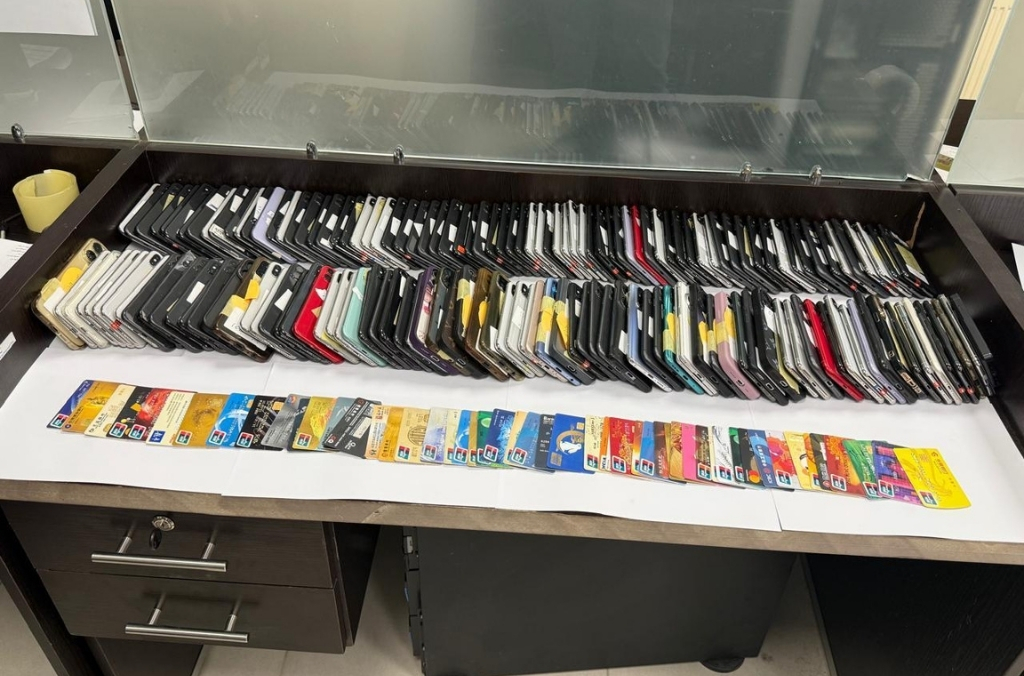
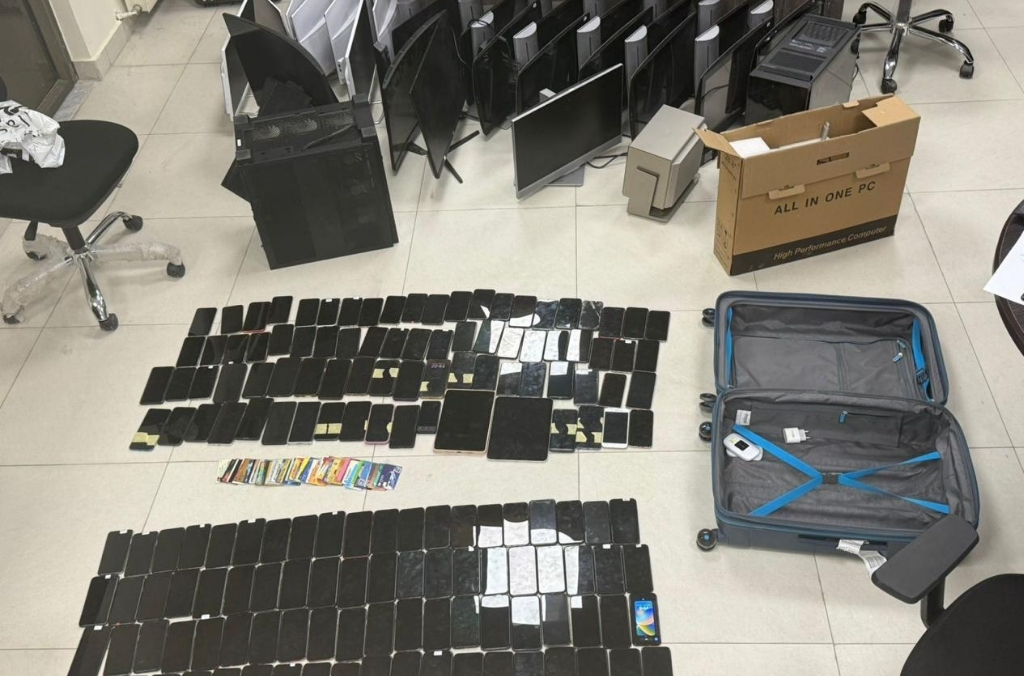
- La police jordanienne a localisé un ordinateur utilisé pour commettre des escroqueries financières. Les victimes étaient encouragées à investir via ce qui semblait être une plateforme commerciale légitime, laquelle était fermée une fois les fonds déposés. Une perquisition a permis de découvrir 15 personnes se livrant à ces escroqueries, mais les enquêteurs ont établi qu’il s’agissait de victimes de traite d’êtres humains qui avaient été recrutées dans leur pays d’origine en Asie sous de fausses promesses d’emploi. À leur arrivée en Jordanie, leurs passeports avaient été confisqués et elles avaient été forcées à participer au système d’escroquerie. Deux personnes soupçonnées d’avoir orchestré l’opération ont été arrêtées.
- À Oman, les enquêteurs ont découvert chez un particulier un serveur qui contenait des informations sensibles. Même si le propriétaire avait légitimement accès à ces informations, le serveur présentait de multiples failles de sécurité critiques, notamment une infection par un logiciel malveillant. Des mesures ont été prises pour désactiver le serveur et éviter tout préjudice supplémentaire.
- En Algérie, un site Web proposant des services d’hameçonnage a été découvert et démantelé dans le cadre de l’opération Ramz. Après avoir localisé le serveur suspect, les autorités ont saisi un serveur, un ordinateur, un téléphone portable et des disques durs contenant des logiciels et des scripts d’hameçonnage. Un suspect a été placé en détention.
- Les autorités marocaines ont saisi des ordinateurs, des smartphones et des disques durs externes contenant des données bancaires et des logiciels utilisés pour des opérations d’hameçonnage. À la suite de ces interventions, trois personnes font actuellement l’objet de procédures judiciaires, tandis que d’autres continuent à faire l’objet d’une enquête.
Lors de l’opération Ramz, INTERPOL a travaillé en étroite collaboration avec ses partenaires, Group-IB, Kaspersky, Shadowserver Foundation, Team Cymru et TrendAI, pour localiser des activités illégales en ligne et détecter des serveurs malveillants.
Note aux rédacteurs
L’opération Ramz a bénéficié du soutien du ministère de l’Intérieur du Qatar et d’un financement partiel de l’Union européenne et du Conseil de l’Europe dans le cadre du projet CyberSouth+.
Pays participants : Algérie, Bahreïn, Égypte, Émirats arabes unis, Iraq, Jordanie, Liban, Libye, Maroc, Oman, Palestine, Qatar et Tunisie.