




NGOs in the aid sector are committed to assisting the most vulnerable. Yet, too often, their recruitment systems have been exploited by known sexual offenders. Elizabeth Wright, Senior Project Manager, explains how INTERPOL’s Project Soteria brings NGOs and law enforcement together to stop offenders harming the very people they are meant to protect.
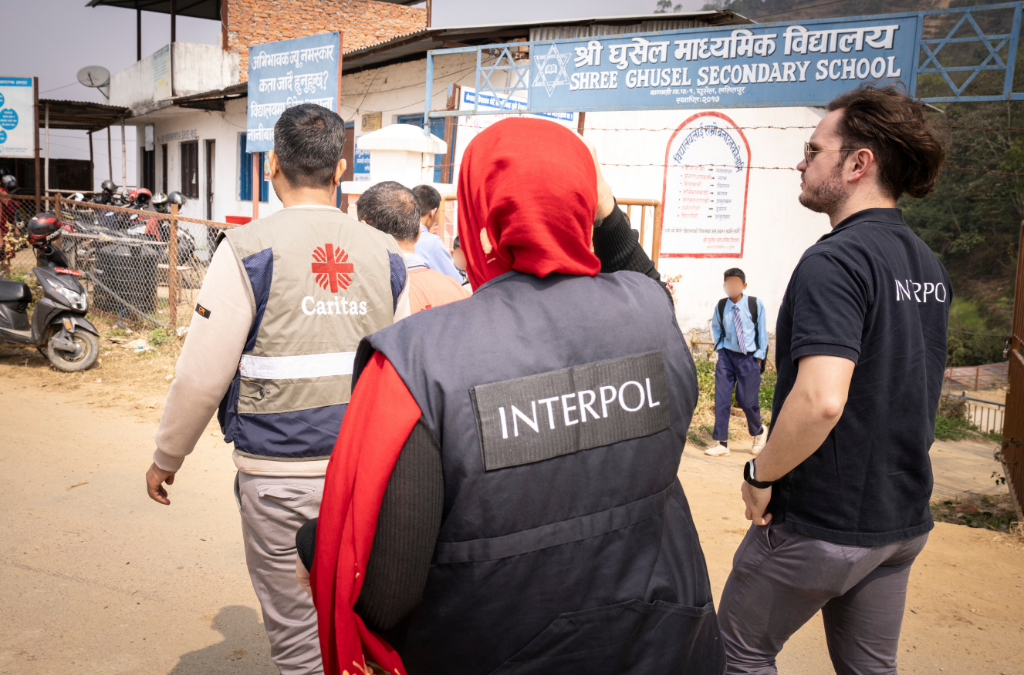
INTERPOL Spotlight: What is Project Soteria and how does it work to protect vulnerable communities?
Elizabeth Wright: Project Soteria was launched in 2021, in the wake of revelations in 2018 of widespread sexual exploitation, abuse and harassment (SEAH) perpetrated by staff working for a number of leading aid organizations. In Greek mythology, Soteria is the goddess of safety and preservation from harm and our work is about ensuring that people who are known to have caused harm can no longer be hired in the aid sector or move unnoticed between roles, organizations, or countries.
Aid work is globalized by nature and many staff, especially international recruits, are often highly mobile. In a crisis situation, aid agencies and NGOs need to recruit quickly, making it difficult for them to conduct thorough screening. By partnering with Project Soteria, they are able to work with INTERPOL to carry out security checks on potential recruits against the data on known sexual offenders held in our criminal and forensic databases. They can also choose to check data held at the national level via INTERPOL secure networks.
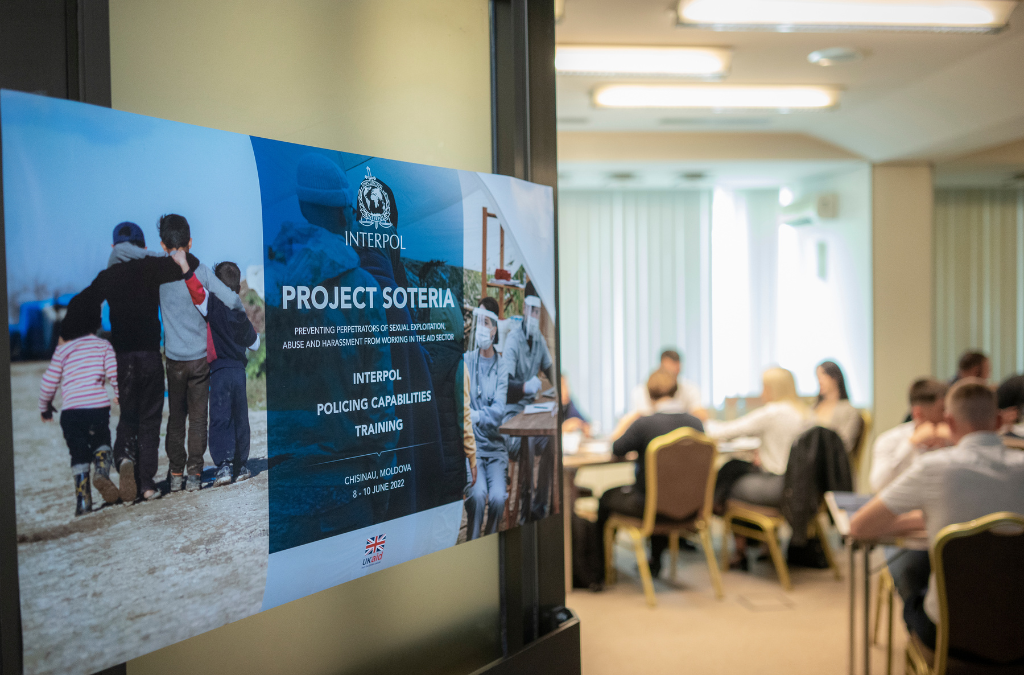
Project Soteria also partners with national law enforcement and United Nations agencies to improve initial contact and case handling for sexual and gender-based violence (SGBV) and SEAH through training for our police colleagues in member countries, targeting officers who are in daily contact with vulnerable communities such as refugees. Since 2021, we have trained around 1,500 officers in African and Asian countries with a high aid footprint such as Kenya, Uganda, Bangladesh and Nepal, as well as in Lithuania, Poland and Moldova, where law enforcement agencies needed to adapt to large numbers of refugees arriving from Ukraine. Officers leave the sessions with the skills they need to conduct effective investigations into sexual crimes and to work with victims with respect and sensitivity.
INTERPOL Spotlight: How do you work with NGOs to ensure safer recruitment?
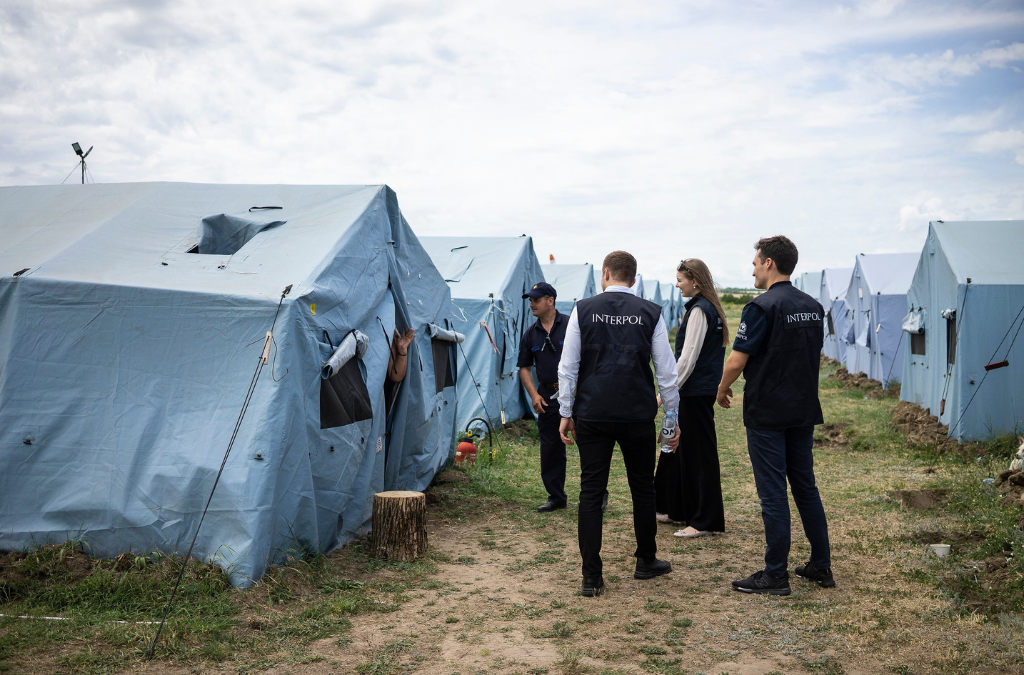
Elizabeth Wright: NGOs in the humanitarian aid sector work in fragile environments and in highly demanding conditions with some of the world’s most vulnerable people: refugees, people who have been displaced from crisis zones or who live in poverty. They want to be sure that they are recruiting the right people to assist them, but limited resources for background checks and frequent crisis situations make carrying out extensive background checks a challenge. Through Project Soteria, INTERPOL offers them a dedicated channel to identify known perpetrators of SEAH once a candidate has been selected. In a simple, one-step process, partner NGOs can upload the candidates' information through a secure platform. The data is checked against INTERPOL databases by our criminal intelligence analysts within three working days.
INTERPOL Spotlight: How does Project Soteria align with INTERPOL’s wider law enforcement mandate?
Elizabeth Wright: As the world's largest international police organization, INTERPOL has substantial expertise in combating transnational crimes, including human trafficking, child exploitation, and sexual abuse, and we can also leverage the expertise of our member countries across the world. Soteria makes that expertise and our extensive range of tools available to the aid sector and can also support wider investigations. If an NGO receives an alert about a candidate through the project, they alone choose whether to act on it or not. If a partner organization informs us about a staff member under investigation for sexual misconduct and the allegation is upheld, we can hold the information securely in our systems and use it to prevent further harm in the future. Because preventing harm is our central objective and the more organizations that join us, the stronger we become.