




LYON (France) – Une opération de police internationale a permis d’arrêter 60 individus pour des infractions pédosexuelles et d’identifier et de sauver 65 enfants victimes, à l’issue d’un travail d’un an mené par les services chargés de l’application de la loi dans neuf pays d’Amérique centrale, d’Amérique du Nord et des Caraïbes.
L’opération Eclipse (février 2025 - janvier 2026) visait la production et la diffusion de contenus relatifs à des abus et à de l’exploitation pédosexuels, l’accent ayant été mis sur l’identification des victimes et la réouverture d’affaires non résolues.
La majorité des victimes étaient âgées de 5 à 13 ans, et environ 80 % d’entre elles étaient des filles. Des chiffres qui mettent en évidence l’incidence disproportionnée sur les filles, mais qui montrent aussi que les efforts de prévention et d’intervention doivent également porter sur les garçons. Les victimes, qui étaient mineures au moment de l’opération, ont été secourues et ont bénéficié de mesures de protection et d’une prise en charge de la part des autorités nationales.
Les auteurs présumés étaient liés à leurs victimes à des degrés divers. Il pouvait s’agir de membres de la famille, d’amis, de voisins, d’enseignants, de prédateurs en ligne et de voyageurs étrangers, ce qui souligne qu’il n’existe pas de profil type d’agresseur sexuel.
L’opération Eclipse a été coordonnée par INTERPOL, avec le soutien de l’Office des Nations Unies contre la drogue et le crime (ONUDC) et de la Child Rescue Coalition (CRC). L’opération a réuni les services chargés de l’application de la loi et les autorités judiciaires d’Amérique latine afin de synchroniser les enquêtes, d’effectuer des interventions ciblées et de recueillir des éléments de preuve exploitables par-delà les frontières. INTERPOL a apporté un soutien technique essentiel, notamment en matière de partage de renseignements en temps réel et de conseils stratégiques tout au long de l’opération.
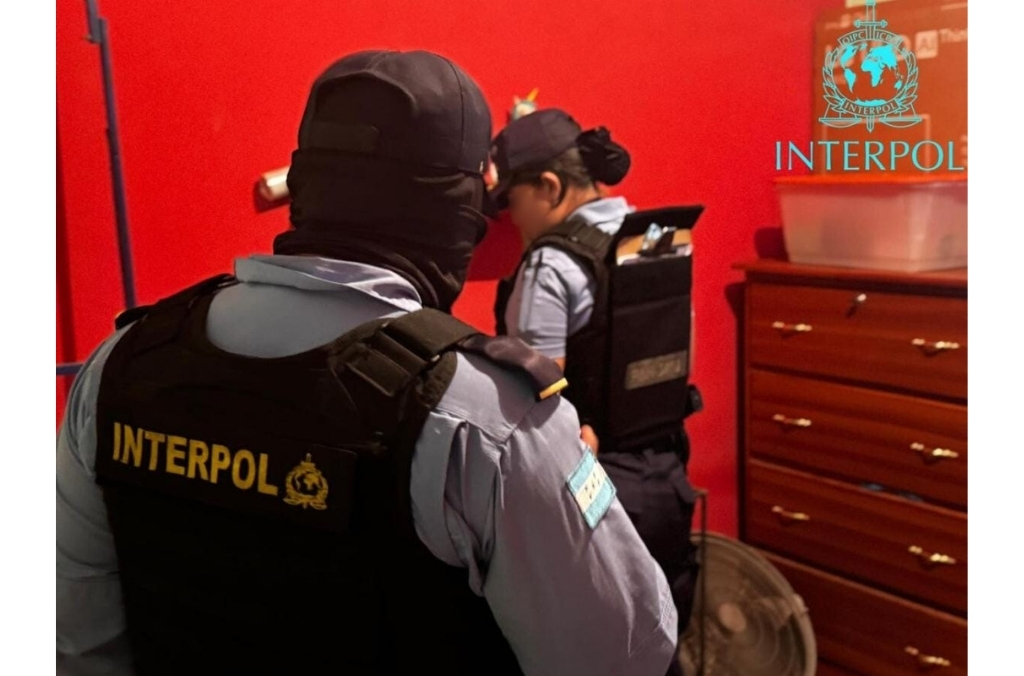
Le Honduras est l'un des neuf pays à avoir participé à l’opération Eclipse.
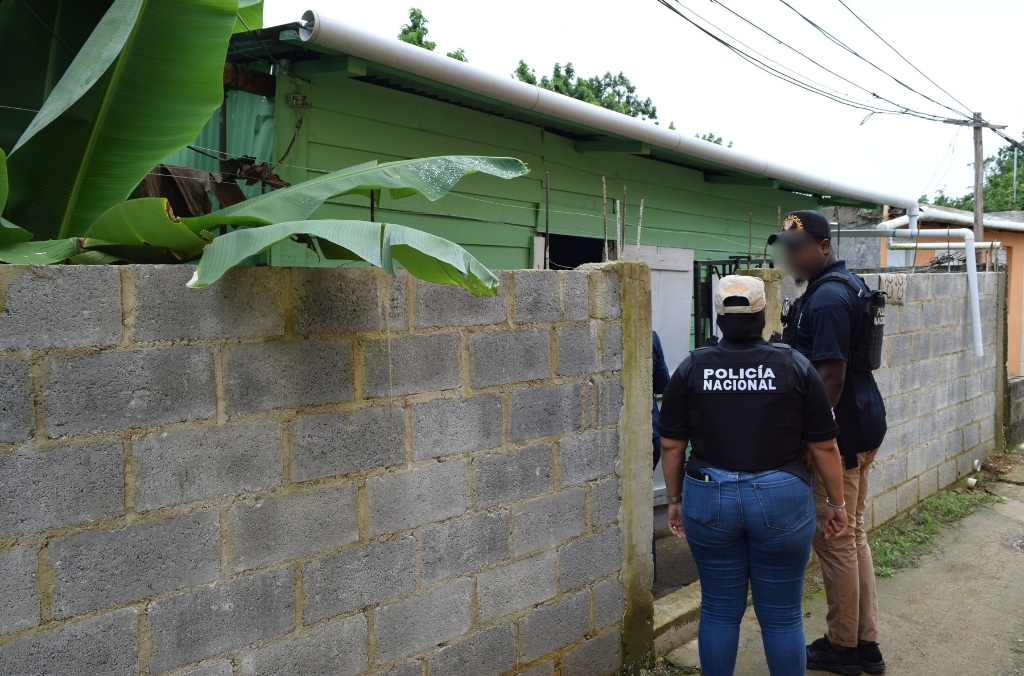
Au Panama, la police a réalisé des avancées majeures dans une affaire ouverte depuis dix ans.
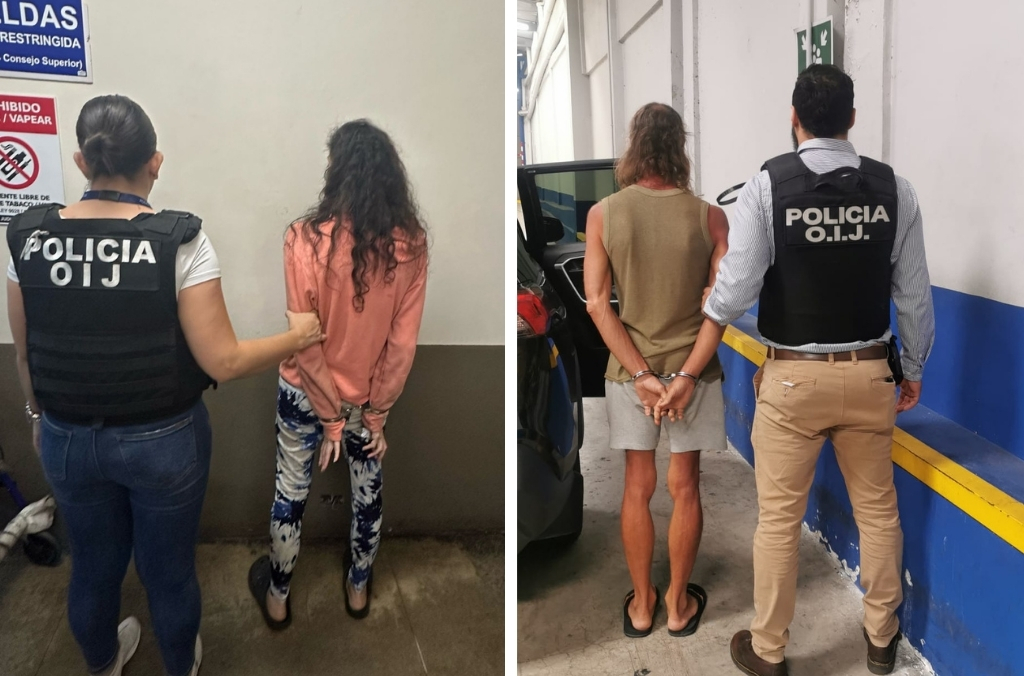
Les services chargés de l’application de la loi au Costa Rica ont procédé à plusieurs arrestations au cours de l’opération Eclipse.
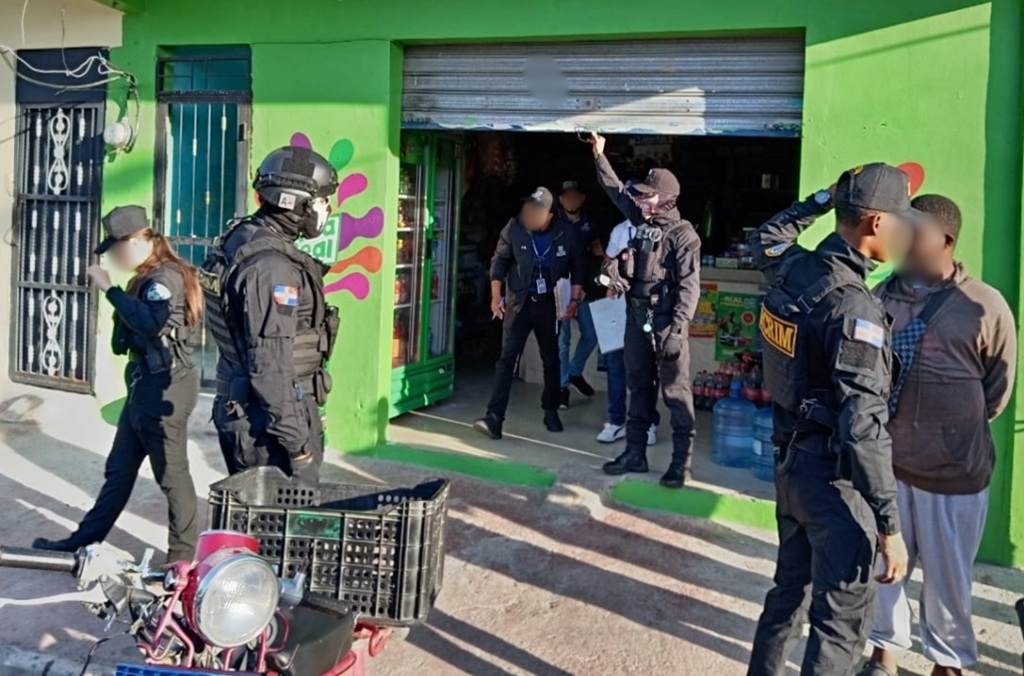
La police de la République dominicaine a enquêté sur une affaire en lien avec des abus pédosexuels.
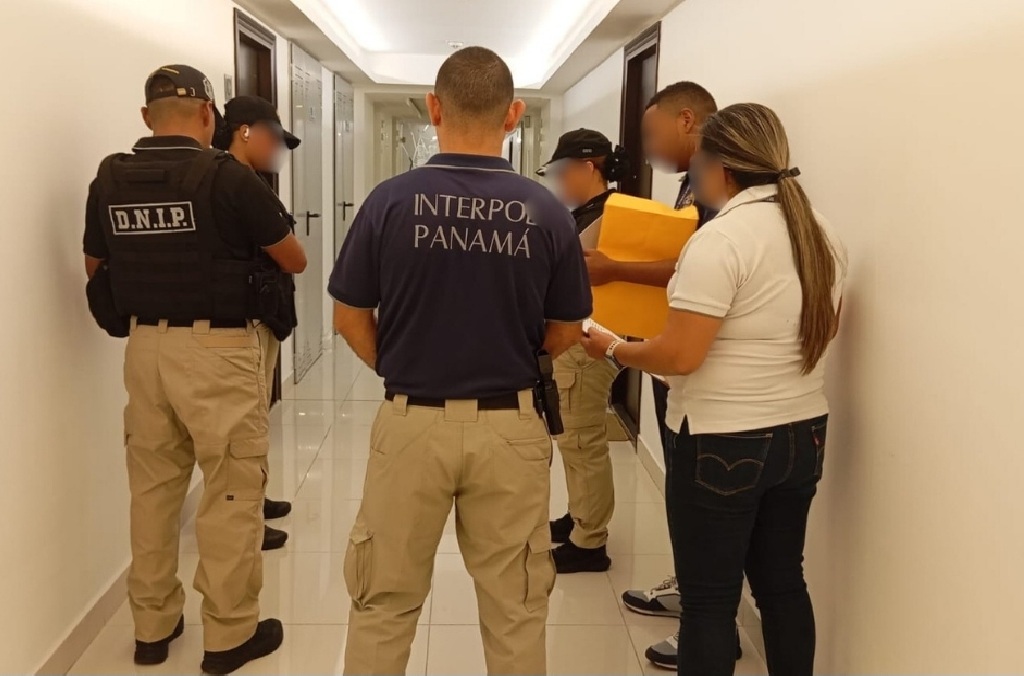
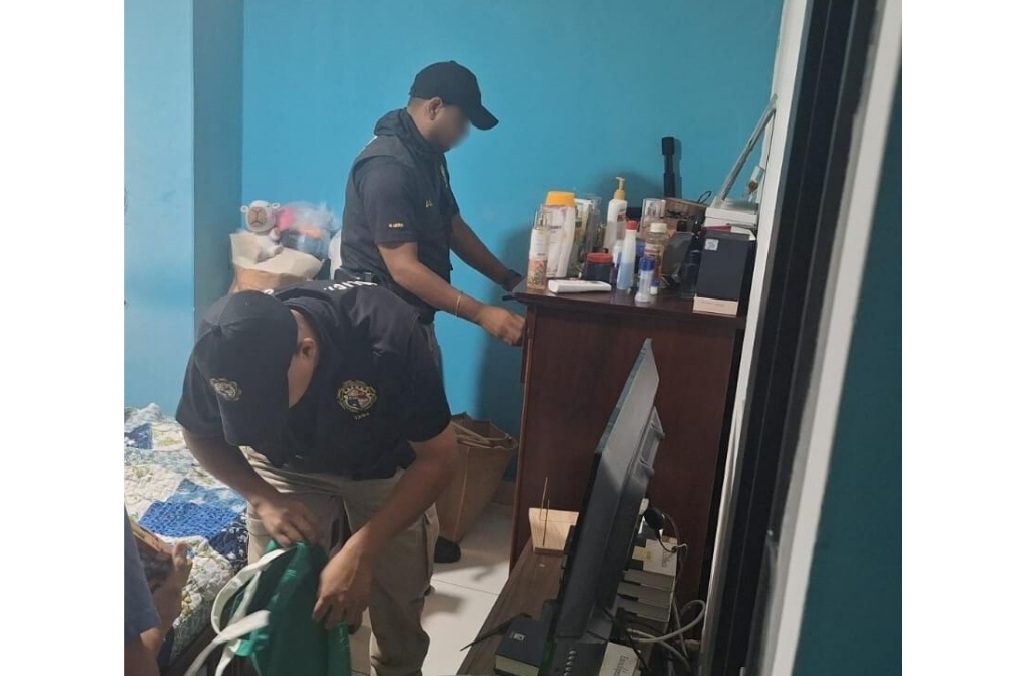
La police du Panama a procédé à des perquisitions lors d’une enquête sur des abus pédosexuels.
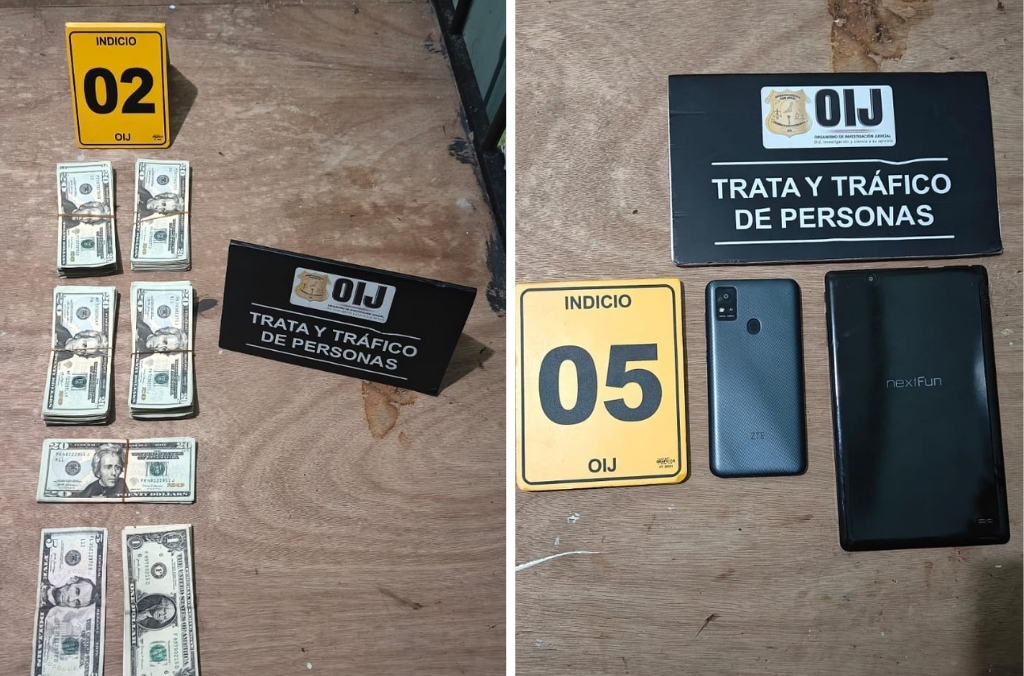
Des saisies ont été effectuées au Costa Rica.
Des saisies ont été réalisées en République dominicaine. Les appareils électroniques sont généralement analysés afin d’y rechercher des preuves ou des indices permettant d’identifier d’autres victimes.
La République dominicaine a participé à l’opération coordonnée par INTERPOL aux côtés d’autres pays d’Amérique centrale et d’Amérique du Nord.

Principales affaires : obtenir justice pour prévenir les préjudices futurs
Au Panama, les autorités ont résolu une affaire de longue date concernant une victime qui n’avait pas été identifiée dans la base de données internationale d’INTERPOL sur l’exploitation sexuelle des enfants pendant plus de dix ans. Cette avancée majeure a été réalisée grâce à la Cellule spéciale INTERPOL d’identification des victimes pour l’Amérique latine et les Caraïbes, qui a réuni des officiers spécialisés de la région afin d’analyser des images et de localiser les malfaiteurs. Cette identification a permis à la police d’obtenir des éléments de preuve essentiels pour les procédures judiciaires, de veiller à ce que la victime bénéficie de services de protection et de soutien, et d’identifier une autre victime.
En République dominicaine, deux suspects ont été arrêtés pour des faits d’abus pédosexuels, notamment la production et la possession de contenus pédosexuels, concernant deux victimes âgées de 10 et 13 ans. L’une des personnes arrêtées n’était autre que la mère des victimes. Elle est accusée d’avoir facilité et perpétré les abus. L’autre suspect était un délinquant sexuel transnational qui vivait avec les victimes. L’arrestation a conduit à la saisie d’autres contenus de ce type, ce qui a permis d’identifier de nouvelles victimes.
La police du Costa Rica a enquêté sur une série de contenus pédosexuels répertoriés dans la base de données internationale sur l’exploitation sexuelle des enfants, dont certains dataient de plus de dix ans. L’unité spécialisée a pu confirmer l’identité de la victime mineure. L’auteur avait d’abord usurpé l’identité d’une célébrité en ligne, puis avait eu recours à des tactiques de pédopiégeage, à la sextorsion et à des menaces à l’encontre de la famille de la victime pour garder le contrôle sur celle-ci.
Par ailleurs, une réunion bilatérale entre le Panama et la République dominicaine a abouti à l’identification de deux suspects recherchés par les autorités panaméennes pour des infractions sexuelles. Les deux individus ont été localisés sur le territoire dominicain, ce qui a conduit à l’ouverture d’une procédure d’extradition.
Cyril Gout, directeur exécutif par intérim des Services de police, a déclaré :
« La poursuite d’affaires anciennes ne vise pas seulement à rendre justice et à protéger les victimes, mais aussi à prévenir d’autres préjudices. L’opération Eclipse démontre que, grâce à la collaboration internationale et à une expertise spécialisée, même des faits remontant à plusieurs années peuvent être mis au jour et leurs auteurs traduits en justice, permettant ainsi de briser le cercle vicieux. »
Dans le cadre de l’opération, les pays participants ont été encouragés à passer en revue 57 notices existantes concernant des personnes susceptibles de se trouver à l’intérieur de leurs frontières. Il s’agit notamment de notices rouges (pour les délinquants pédosexuels recherchés à l’échelle internationale) et de notices bleues (visant à recueillir des informations supplémentaires concernant l’identité, la localisation ou les activités d’une personne en lien avec une enquête judiciaire). À ce jour, 12 de ces individus ont été localisés et appréhendés, et les efforts se poursuivent pour retrouver et extrader les autres suspects.
Pays participants :
Belize, Costa Rica, El Salvador, Guatemala, Honduras, Mexique, Nicaragua, Panama, République dominicaine