




LYON, France – An eight-month operation targeting West African organized crime groups has led to 58 arrests and the identification of 263 suspects.
Operation Jackal IV (November 2025 – June 2026) aimed to disrupt money laundering, identify high-value targets, seize assets, and support arrests and prosecution.
The operation, which brought together 23 countries from six continents, is a response to the escalating global threat posed by West African criminal networks – such as the Black Axe and other similar groups. These groups are responsible for a significant share of the world's cyber-enabled financial fraud, typically through romance scams, cryptocurrency and investment scams or business email compromise fraud, as well as other serious and violent crimes.
During the operation, INTERPOL facilitated cross-border coordination and intelligence sharing, conducted analysis, supported operational activities and provided specialized training to enhance international money laundering investigations.
Tomonobu Kaya, Director of the INTERPOL Financial Crime and Anti-Corruption Centre, said:
“Operation Jackal IV demonstrates the power of international cooperation. By following illicit financial flows across borders, we are attacking the very lifeblood of organized crime and making it increasingly difficult for criminal networks to profit from their activities.”

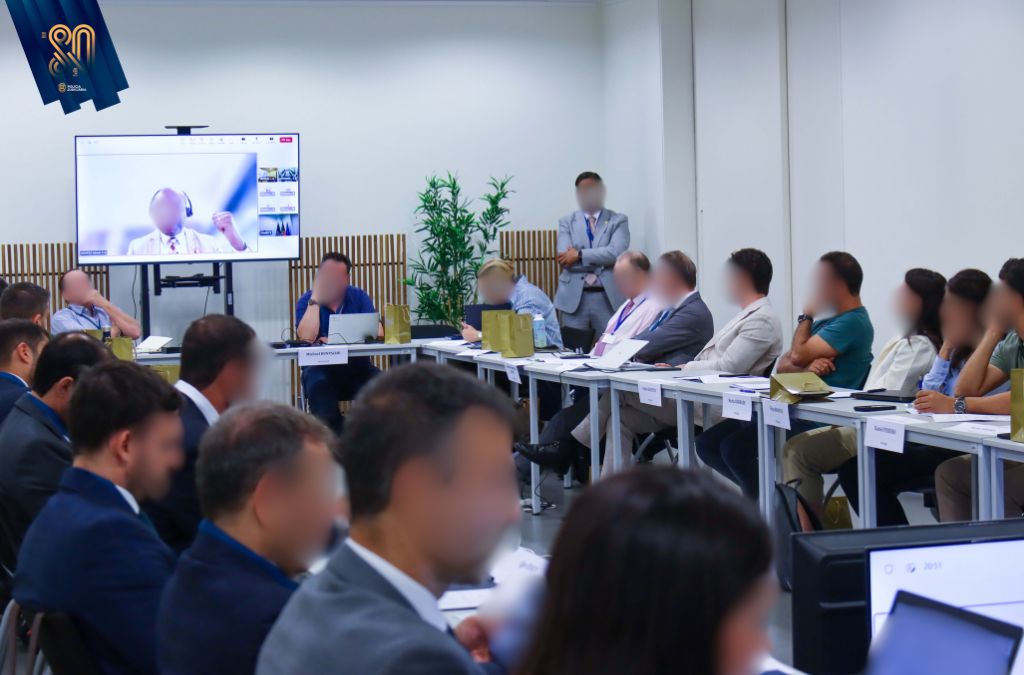
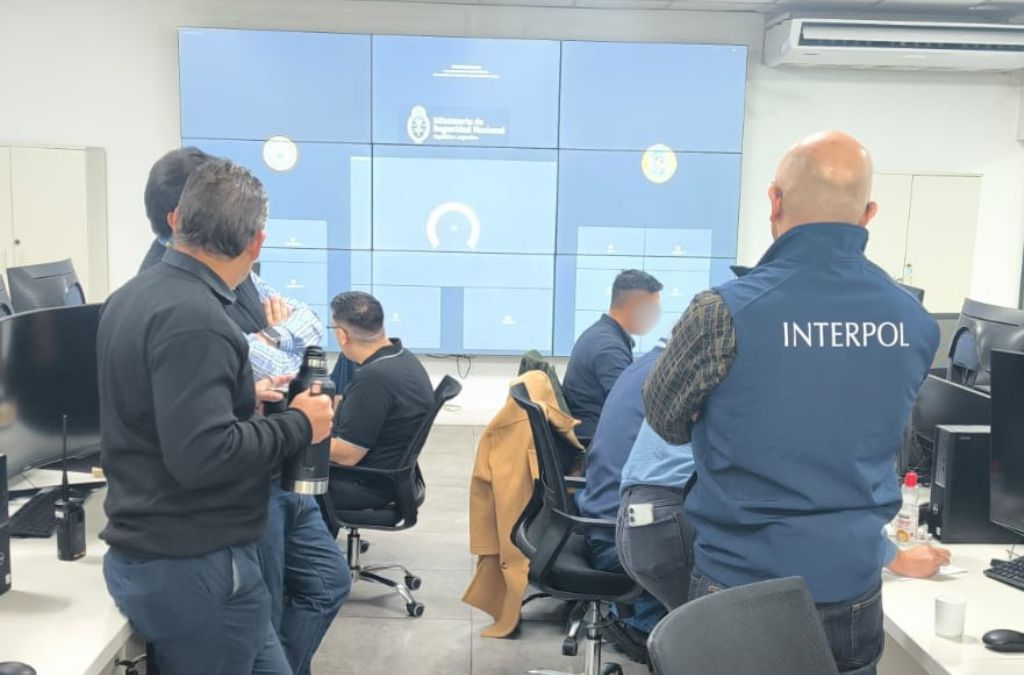

Emerging threats and operational successes: Crime-as-a-Service, sextortion and scams
Due to the complexity of financial crime, many cases from Operation Jackal IV remain under investigation, however, preliminary outcomes include:
• Argentina: 196 individuals were identified for their role in a major Crime-as-a-Service network, suspected of providing website domains and money laundering support to West African organized crime groups. The investigation led to 17 arrests. An INTERPOL Operational Support Team (OST) was deployed to assist the operation, providing analytical support on seized data, identifying criminal networks and suspects, and engaging with international partners to advance ongoing investigative leads.
• South Africa: Authorities raided seven locations in Johannesburg linked to a syndicate that ran romance and investment scams targeting retirees in English-speaking countries. The criminal network operated an elaborate structure, with members designated as "conversion" or "retention" agents and tasked with different stages of the scam. An INTERPOL OST was also deployed locally to support South African law enforcement authorities who seized USD 2.67 million, blocked 257 bank accounts and arrested 39 individuals.
• Italy: One individual was identified in relation to a pan-European money laundering network that used shell companies, remittance services and cash withdrawals to obscure fund origins. A single account laundered EUR 845,000 (USD 736,000) across 560 transactions using 20 different financial instruments.
• Romania: Authorities dismantled a criminal group running a sophisticated investment scam via a call centre that touted high returns in stocks or cryptocurrencies. Victims’ money was diverted to electronic wallets controlled by the perpetrators, resulting in an estimated EUR 143 million stolen and laundered globally. Police arrested 11 individuals and seized approximately EUR 330,000 (USD 379,000) in cash and cryptocurrency, six real estate properties and several luxury watches.
Beyond individual cases, Operation Jackal IV also enabled the analysis of critical and emerging trends, including a rise in West African organized crime groups using sextortion to target minors, with victims as young as 14. Offenders typically contact minors via social media, build trust and coerce them into sharing explicit images or videos. They then threaten to distribute this material to the victim’s contacts unless a ransom is paid.
Some of these criminal syndicates were also observed procuring Crime-as-a-Service from external providers, often through the dark web, to outsource key activities like money laundering and other critical operations.
Participating countries:
Austria, Argentina, Australia, Canada, Côte d'Ivoire, France, Germany, Indonesia, Ireland, Italy, Japan, Malaysia, Netherlands, Nigeria, Portugal, Romania, South Africa, Spain, Sweden, Switzerland, United Arab Emirates, United Kingdom, United States.