




Timeframe: 2024 to 2027
Budget: EUR 5 million
Donor: Germany (BMUKN - Federal Ministry for the Environment, Climate Action, Nature Conservation and Nuclear Safety)
Beneficiaries: some 50 countries in Asia-Pacific, Africa and the Americas.
The situation
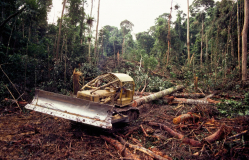
Most environmental crime is transnational by design. Timber felled illegally in one country is laundered through a second and sold in a third. Illegal gold crosses borders before it enters the financial system. Wildlife traffickers use the same logistics networks as other organized criminal groups.
A national police force acting alone sees only one part of the chain and often the least significant part. Without cross-border intelligence sharing, operational coordination, and access to global criminal databases, the most profitable links in the chain go untouched.
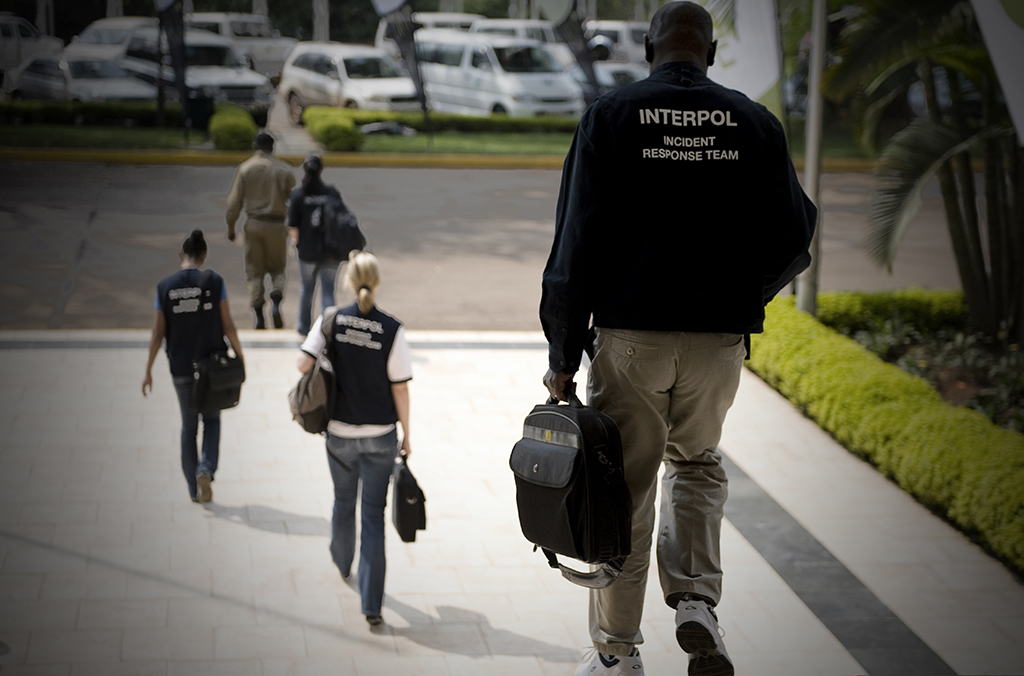
INTERPOL deploys intelligence tools, forensic capabilities, and cross-border coordination to produce arrests, seizures and prosecutions. Through operational projects like Gaia, it supports law enforcement agencies across Asia-Pacific, Africa, and the Americas by sharing case intelligence, hosting mentoring activities, and deploying Operational Support Teams. The results achieved in 2025 are directly traceable to that country engagement.
Project aim
This project aims to connect law enforcement agencies across the world and strengthen international cooperation to dismantle the criminal networks behind environmental crimes.
The project is structured around three main pillars of capabilities, intelligence, and operations:
- Improved capabilities of law enforcement authorities to detect and disrupt transnational environmental crimes.
- Increased availability and exchange of criminal data and intelligence concerning transnational environmental crimes.
- Enhanced operational actions of law enforcement authorities
The World Wide Fund for Nature (WWF) contributes to the project by supporting initiatives implemented through civil society organizations that identify and report suspected environmental crimes.
Project activities
Under Gaia, INTERPOL carries out the following capabilities:
- Capacity building and mentoring through expert-driven sessions that can help develop and improve the capabilities of law enforcement authorities to detect and investigate environmental crimes.
- Criminal intelligence analysis such as analytical reports and tools that can help identify and share information about suspected individuals and companies, hotspots, modus operandi, trafficking routes, and transnational connections to other countries.
- Case coordination meetings that facilitate the discussion of environmental crimes cases identified, with a view to help uncover new leads and promote information sharing between countries.
- Operational Support Teams that provide technical and forensic support to investigations, such as extracting data from seized electronic devices, or assisting with collecting and testing samples from illegal shipments of wildlife, plants, and minerals.
- Multi-country operations that can help identify new criminal trends, investigate transnational cases, locate individuals subject to INTERPOL notices and dismantle criminal networks operating regionally and/or globally.
Project highlights
Operation Madre Tierra VII
Participating countries: Colombia, Costa Rica, Dominican Republic, El Salvador, Guatemala, Honduras, Mexico, Nicaragua and Panama
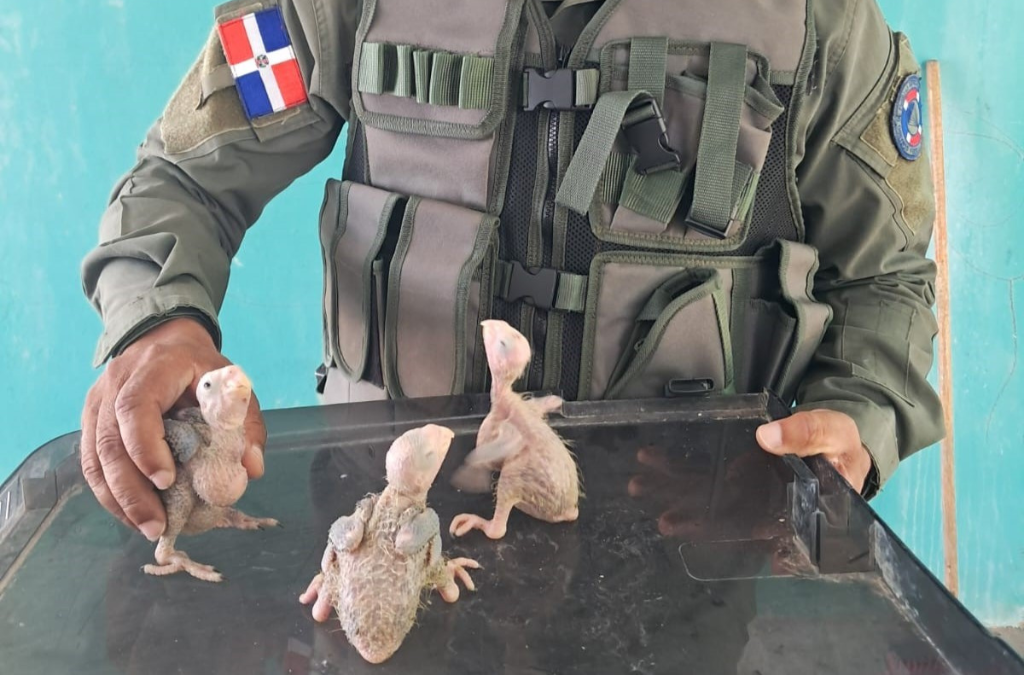
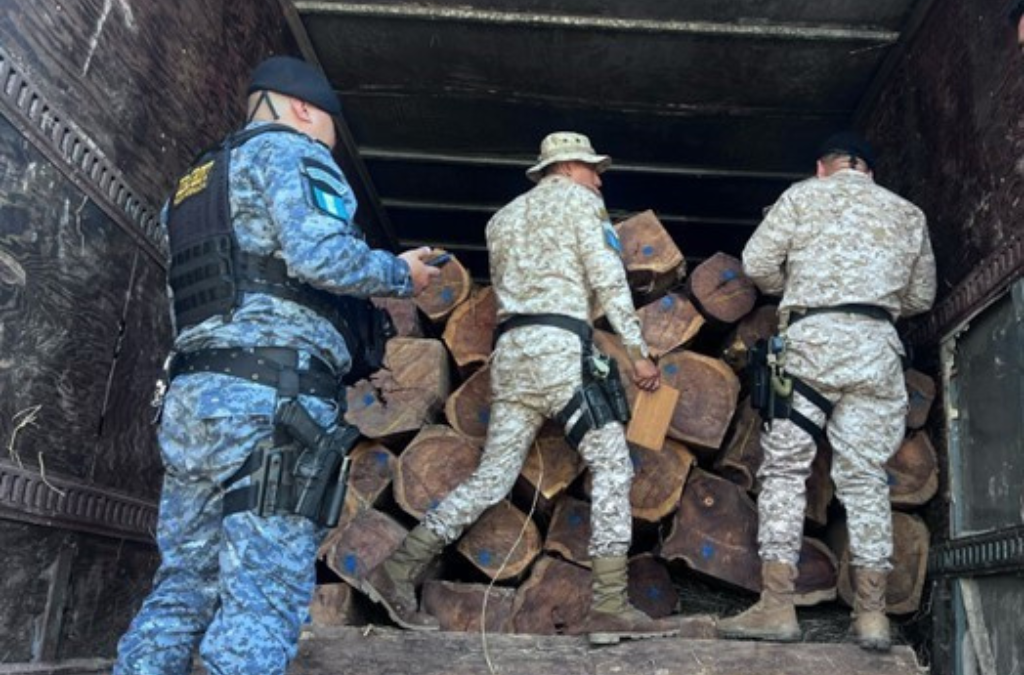
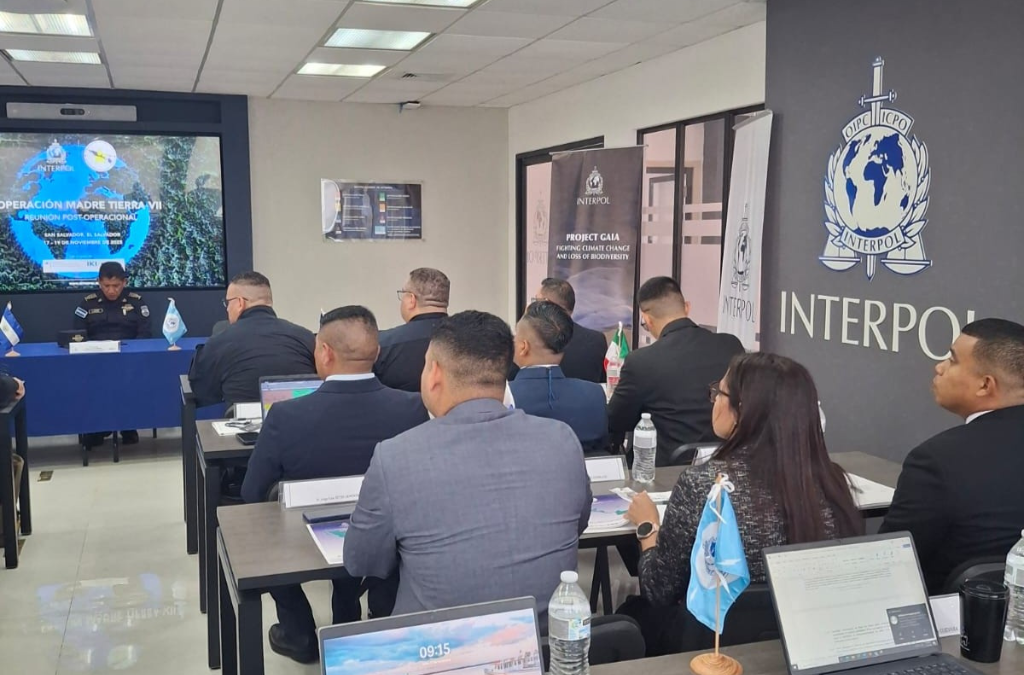
Operation Madre Tierra VII led to 225 arrests, the identification of over 400 suspected individuals, and numerous seizures of trafficked animals, plants and minerals, including CITES-protected timber and wildlife species. A comprehensive analytical report was published outlining the operation's results.
Tracking and tracing illegal gold
Participating countries: Brazil
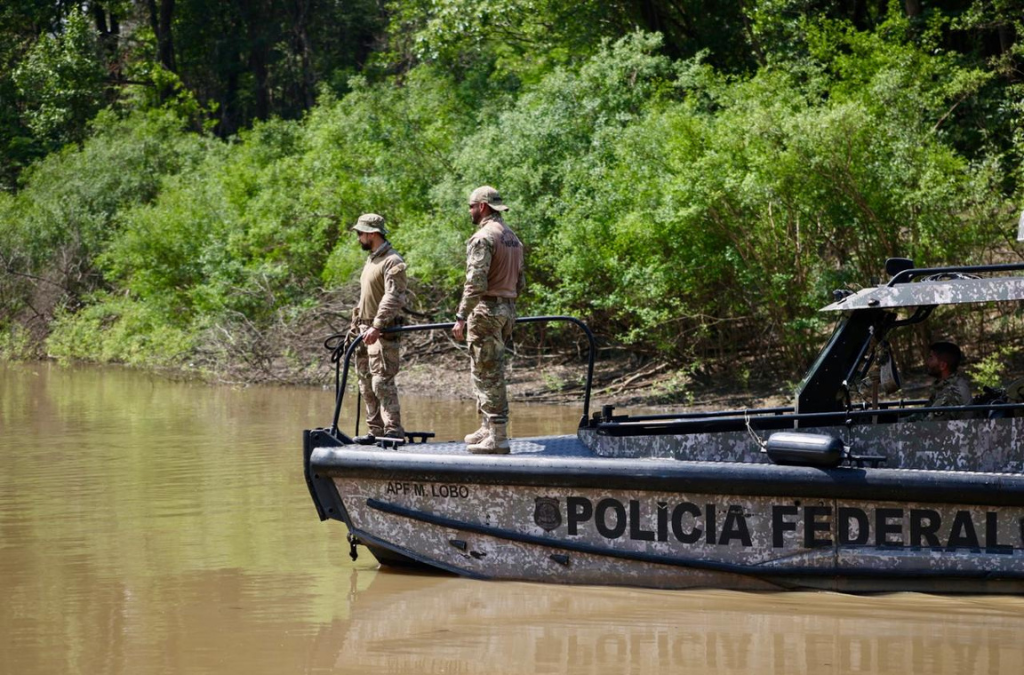
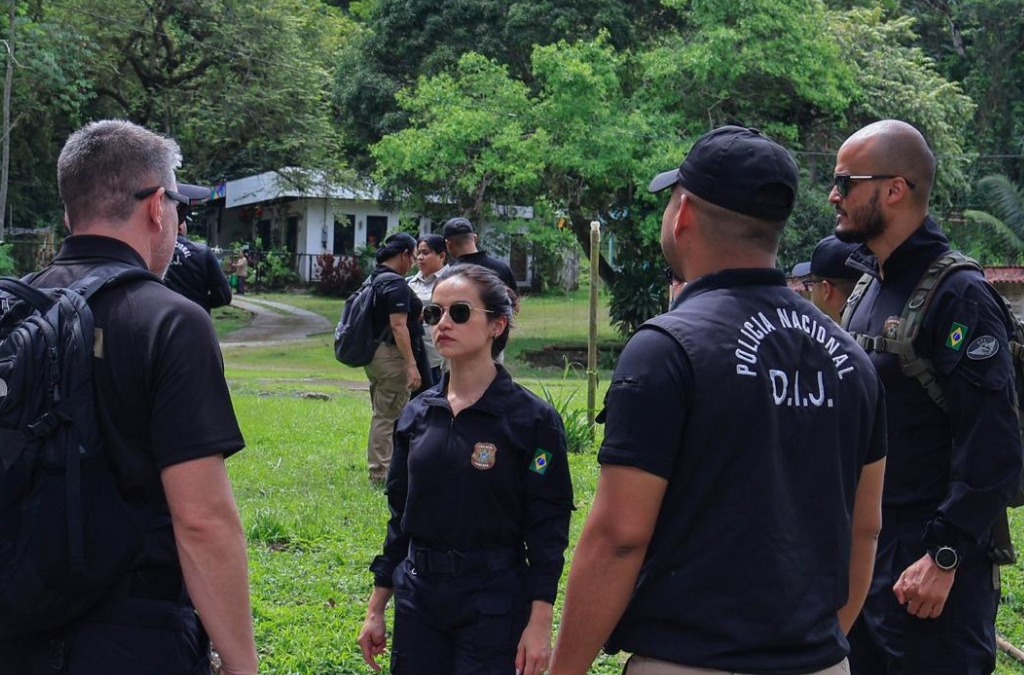
Project Gaia supports the Brazilian Federal Police’s Clean Gold Programme (Programa Ouro Alvo), an initiative aimed at creating a regional forensic database to trace the origin of seized gold. We deployed three specialist Operational Support Teams to assist Brazil in:
- Collecting gold reference samples in the Yanomami indigenous territory to be added to Brazil’s gold database.
- Dismantling hundreds of dredges in a major Brazil-led operation against illegal gold mining in the Amazon Basin.
- Conducting laboratory testing and analysis on seized gold of suspected illicit origin, as well as of tissue and sediment samples suspected of mercury contamination.
INTERPOL also provides the Brazilian Federal Police with equipment and software for gold sampling and analysis and facilitated the mentoring of forensic experts on the use of cutting-edge specialized laboratory equipment.
Ongoing investigations in Brazil supported by these teams led to the seizure of almost 150 kg of gold, with an estimated value of over USD 10 million, and the dismantling of criminal networks behind illegal gold extraction worth an estimated USD 6.8 million.


Illegal mining and fisheries-related crimes
Participating countries: Argentina, Costa Rica and Panama
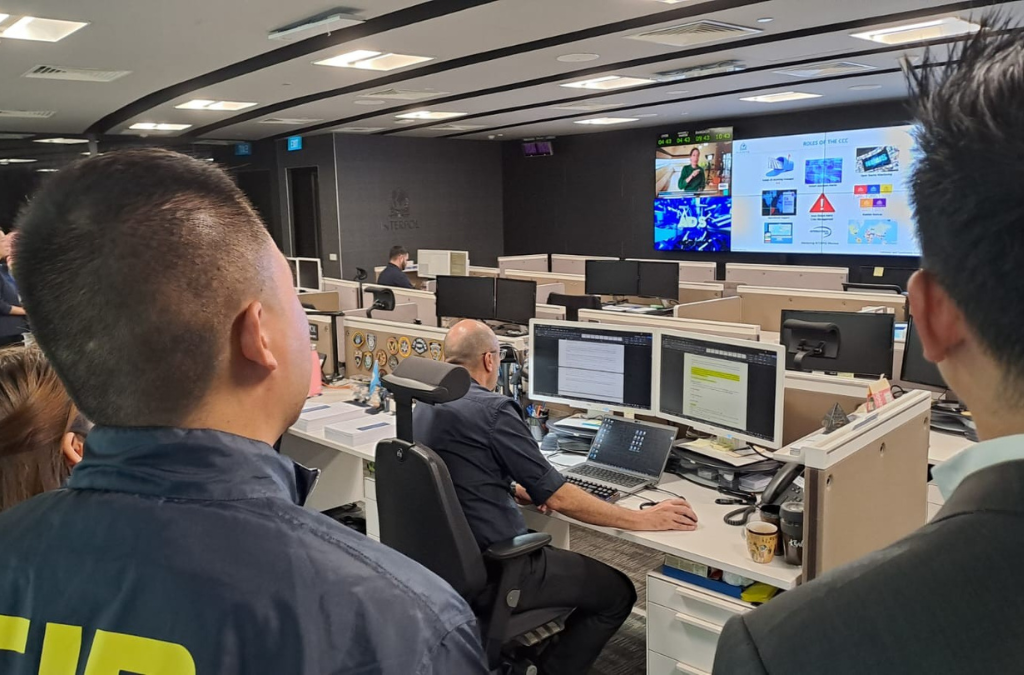
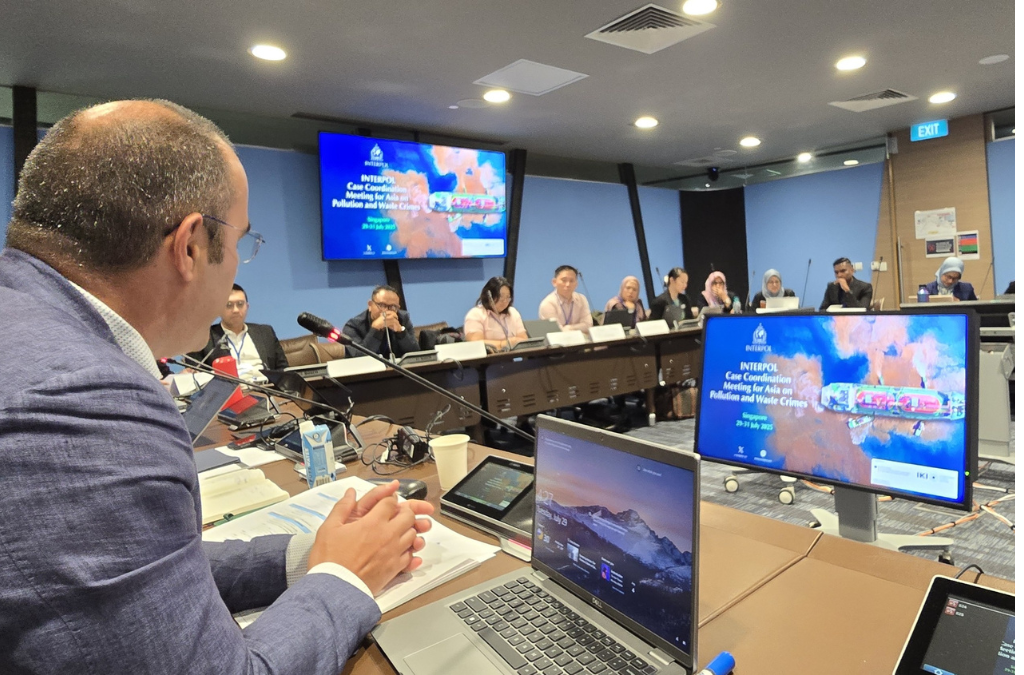
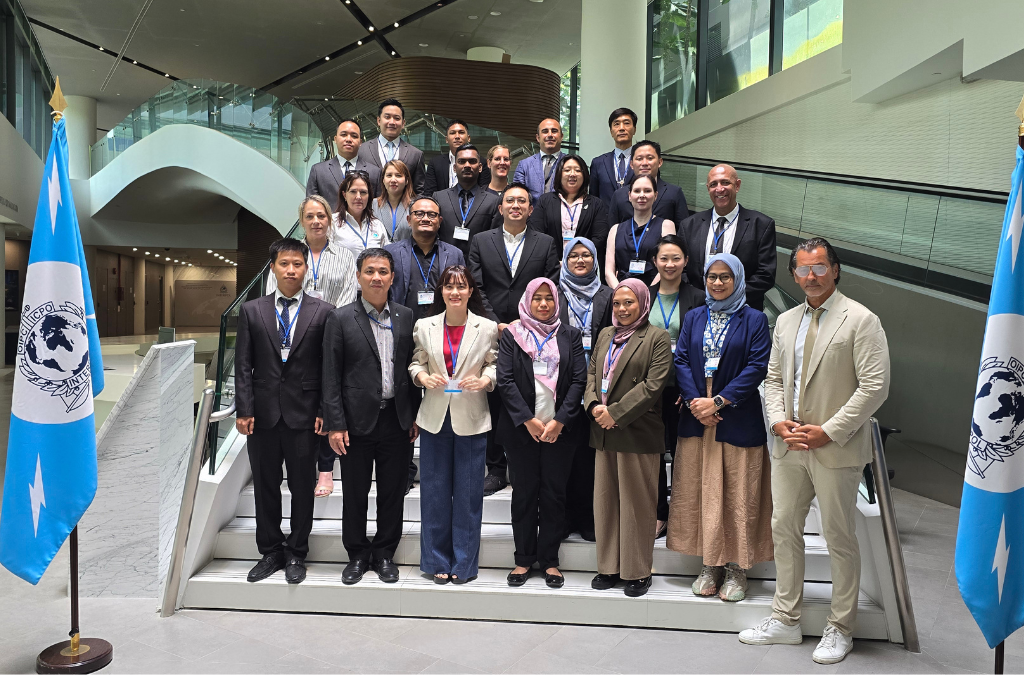
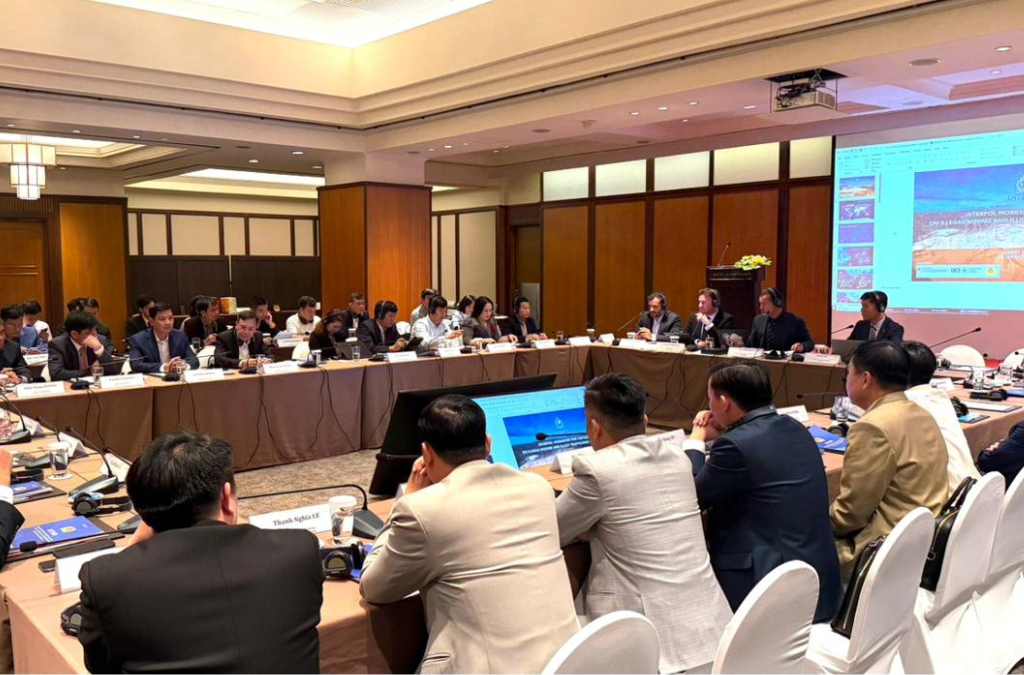
Through Gaia, INTERPOL held three national case coordination meetings for Argentina, Costa Rica and Panama on illegal mining and fisheries-related crimes. Through an intercontinental meeting at the Singapore HQ, teams helped strengthen intelligence exchange and cooperation against pollution and waste crimes for 30 law enforcement officers from Indonesia, Malaysia, Thailand, Vietnam, South Africa, Australia and Singapore.
INTERPOL also drafted two criminal analysis reports, the first in support of a transnational investigation on suspected plastic trafficking, and the second on global illicit mercury trafficking. The latter will provide the basis for planning potential coordinated law enforcement actions in different regions.
Training investigators to tackle environmental crime
Participating countries: Panama, Brazil, Vietnam
Project Gaia trained more than 100 law enforcement officers in Panama, Brazil and Vietnam to strengthen environmental crime investigations.
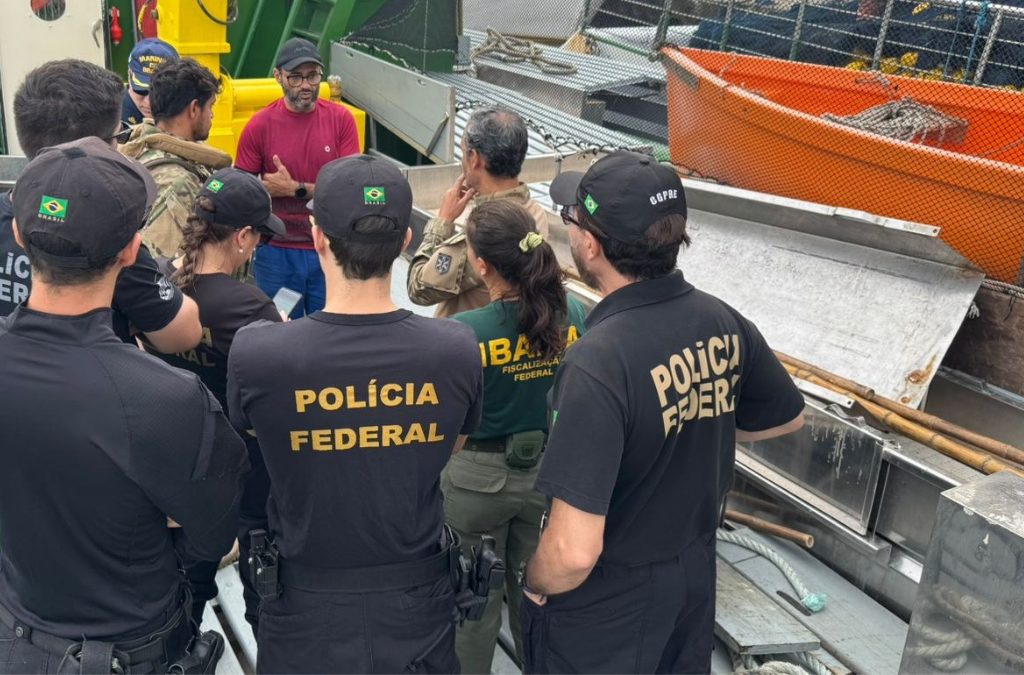
In Panama, over 20 officers received training on geospatial and investigative techniques to combat gold trafficking and related crimes. In Brazil, nearly 30 Federal Police officers were mentored on identifying high-risk vessels involved in fisheries crimes, including practical vessel-boarding exercises with partner agencies.
In Vietnam, almost 60 law enforcement officers were trained to address illegal mining and the trafficking of critical minerals, with a focus on crime hotspots along border regions.
Related documents