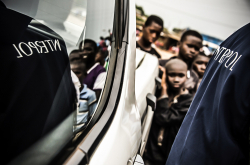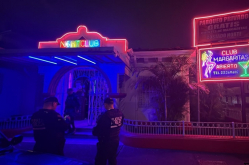





LYON, France – A global operation coordinated by INTERPOL has led to the safeguarding of 4,414 potential victims of human trafficking and the detection of 12,992 irregular migrants across 119 countries.
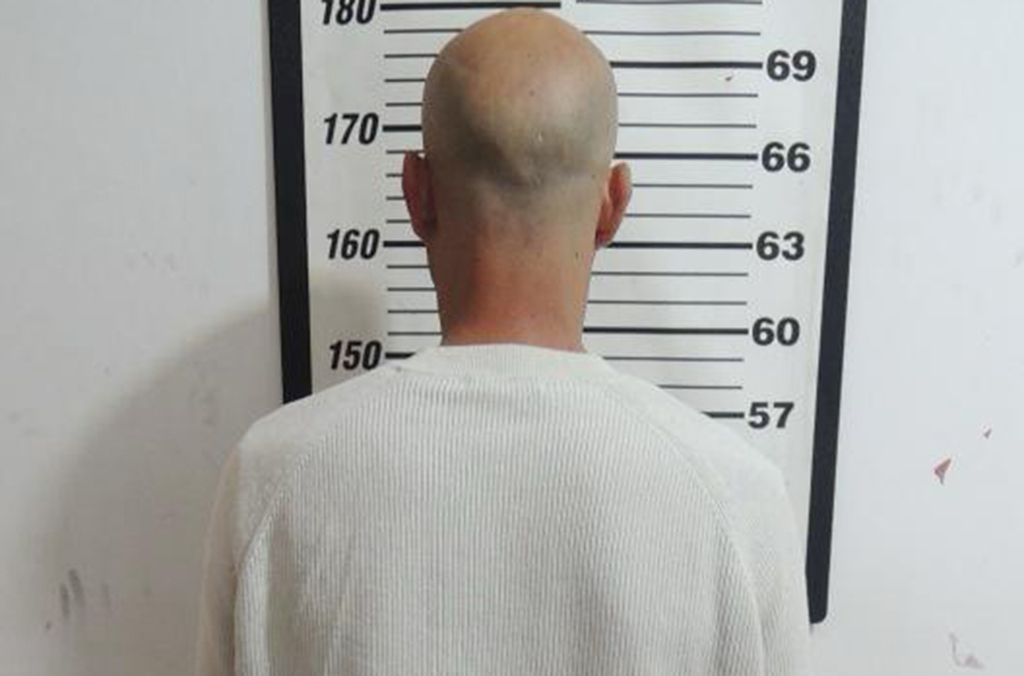
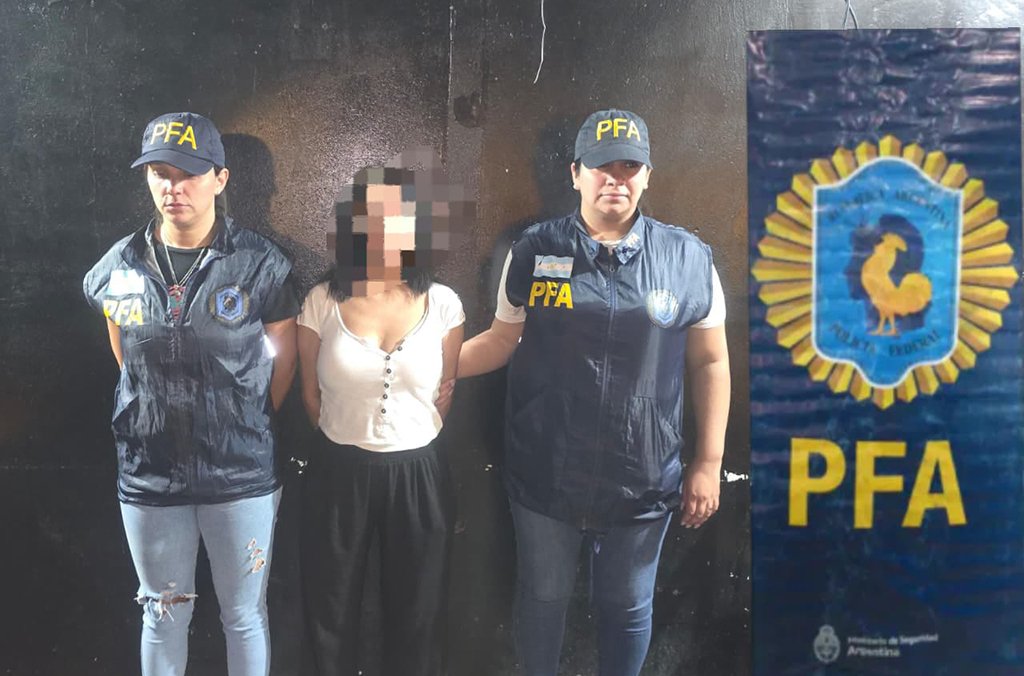
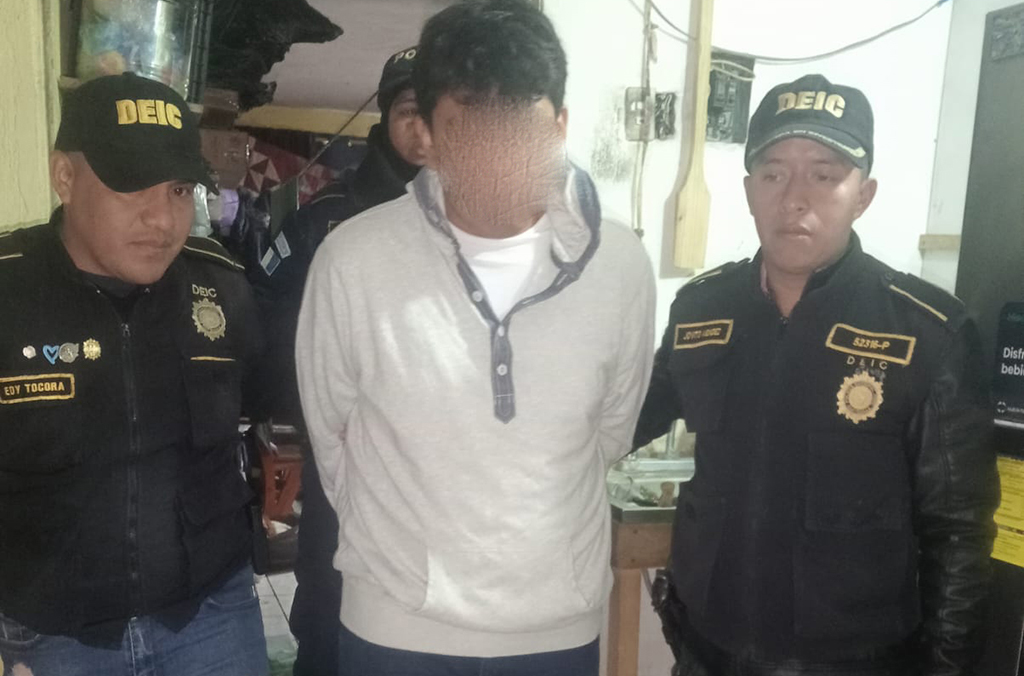
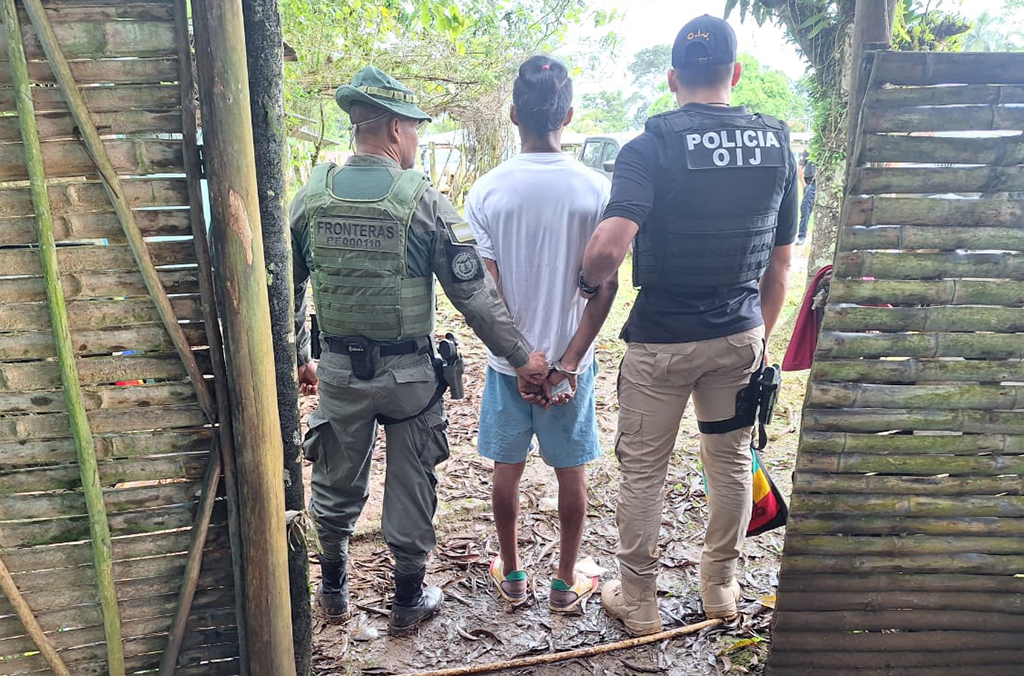
Operation Liberterra III (10 to 21 November 2025) saw the arrest of 3,744 suspects, including more than 1,800 for human trafficking and migrant smuggling offences, based on initial reporting from participating countries.
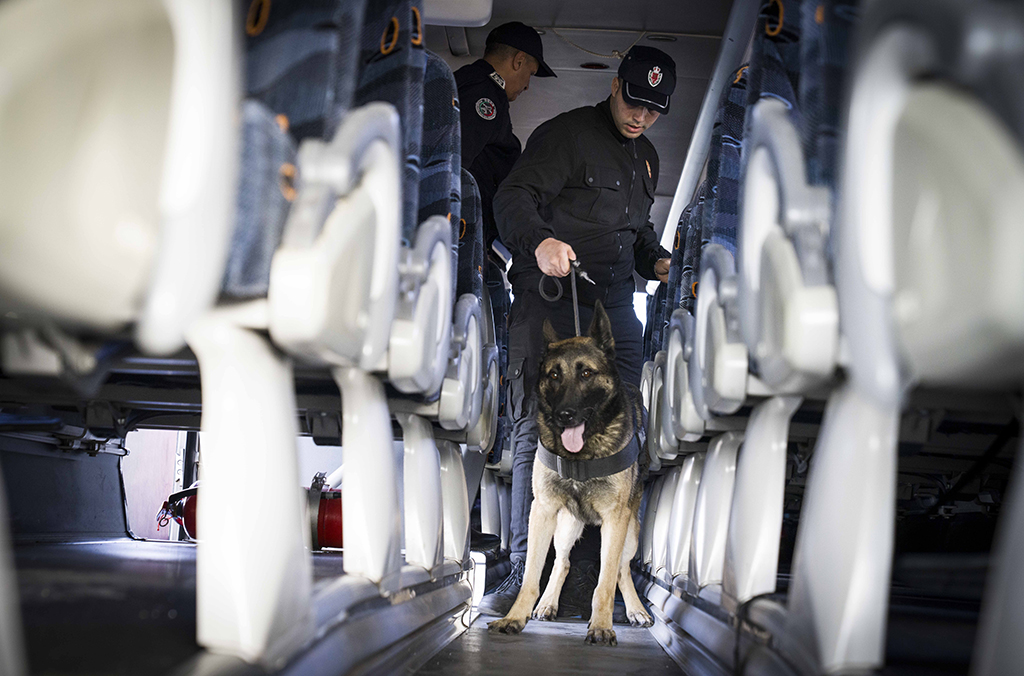
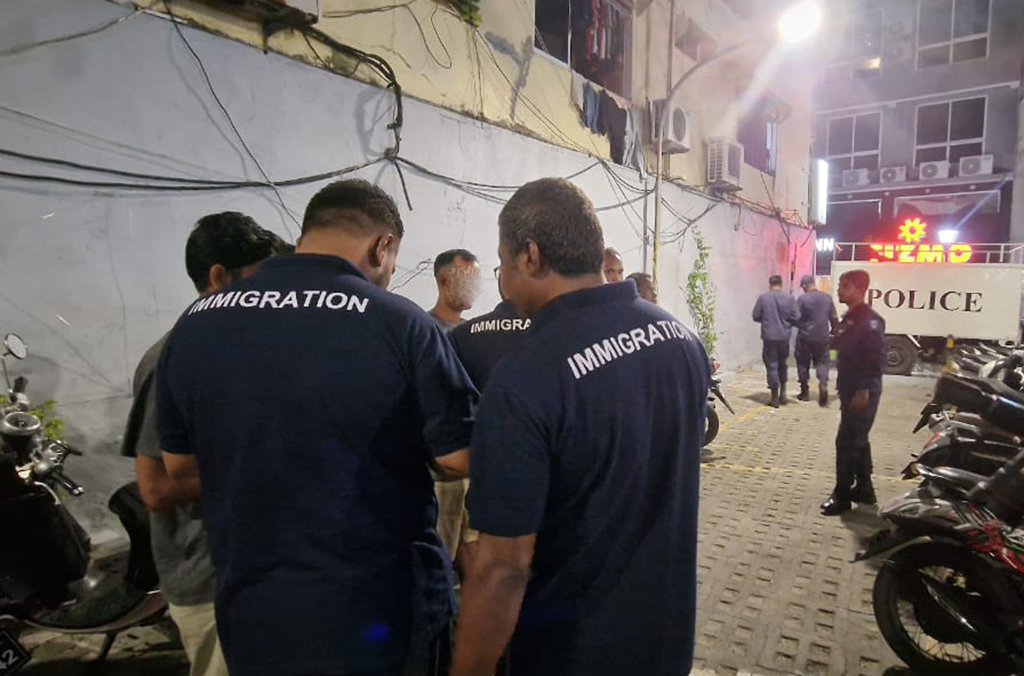
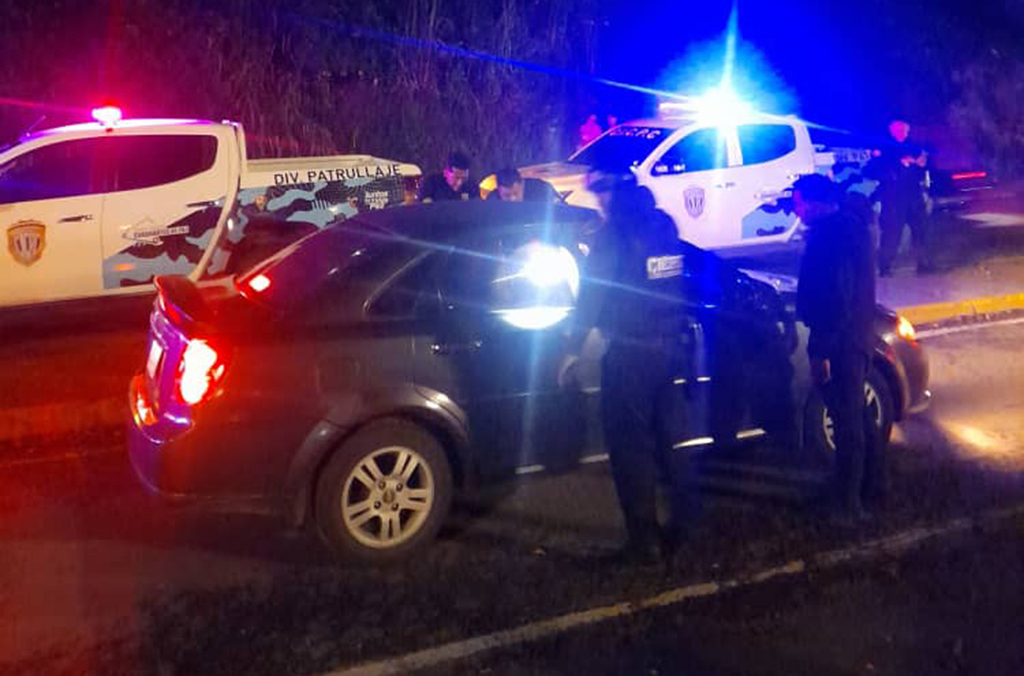
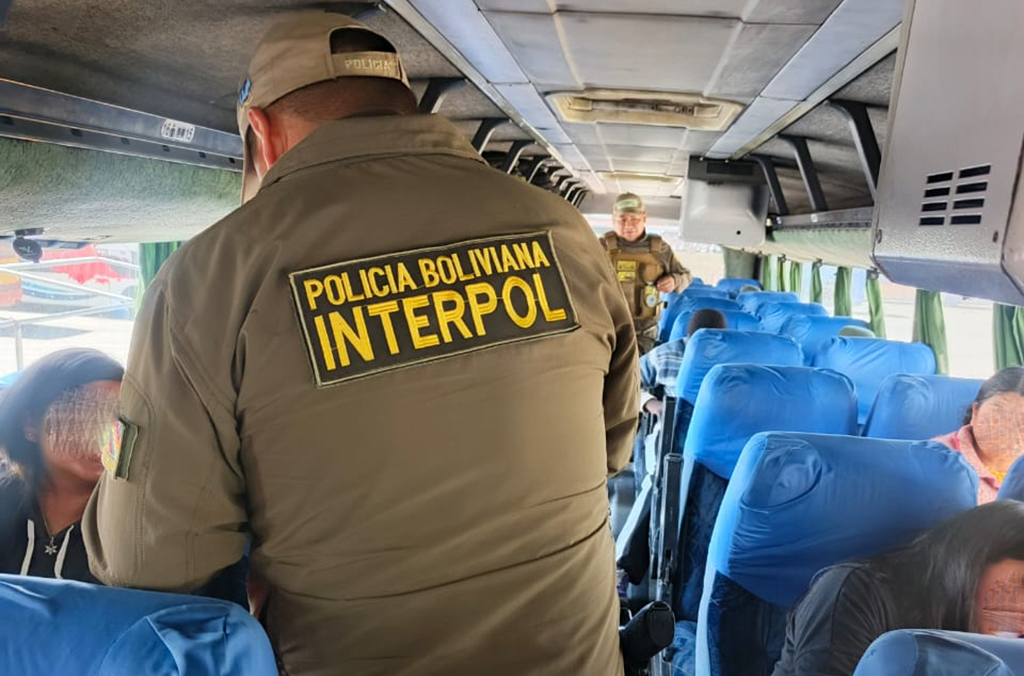
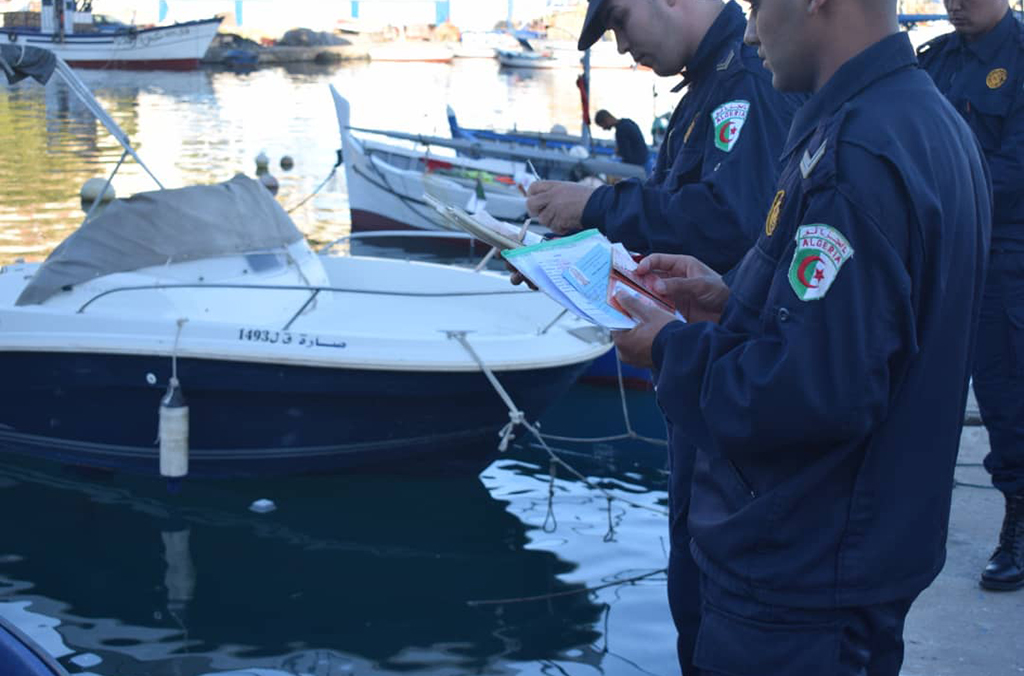
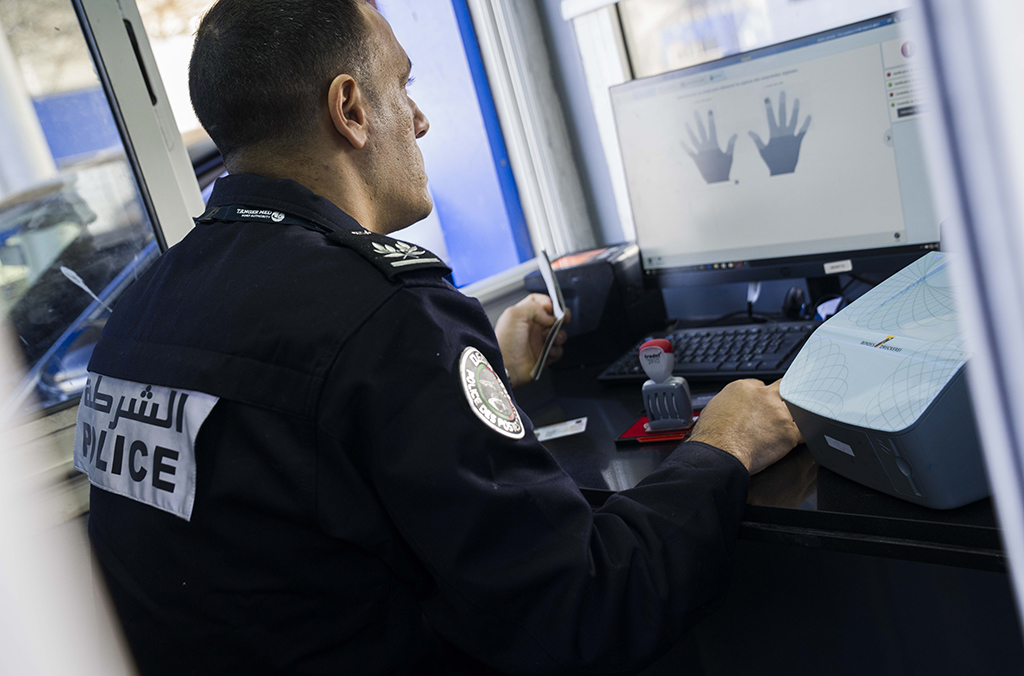
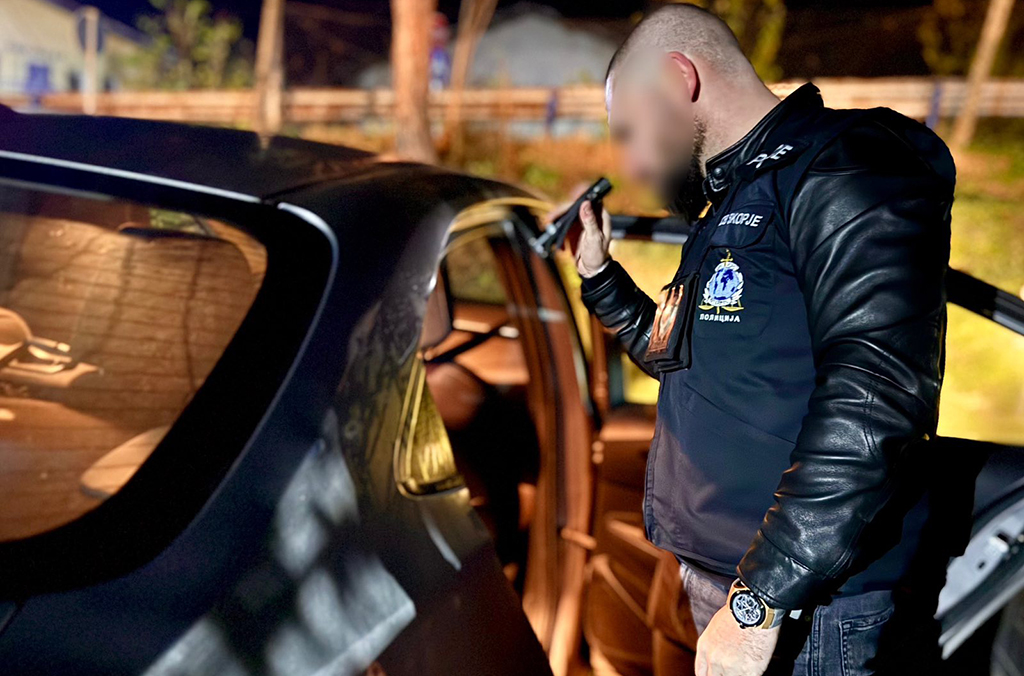
During the operation, law enforcement agencies mobilized more than 14,000 officers, conducting hotspot surveillance and targeted raids, as well as reinforced border controls.
Authorities opened more than 720 new investigations, many of which are ongoing.
INTERPOL Secretary General Valdecy Urquiza said:
“The level of enforcement action highlights strong cooperation, but the wider trends which have been revealed are just as important. Criminal networks are evolving, exploiting new routes, digital platforms and vulnerable populations. Identifying these patterns allows law enforcement to anticipate threats, disrupt networks earlier and better protect victims.”
Major findings include:
- Trafficking-fueled scam schemes remain a serious concern in Asia and Africa, but improved intelligence, detection and screening mechanisms are resulting in more arrests and hundreds of victims being repatriated.
- While sexual exploitation remains highly reported, forced labour and forced criminality are increasing, with domestic servitude and organ removal also detected.
- Cases involving victims from the Americas and Asia in Africa point to changing trafficking dynamics, contrasting with historically observed patterns of African victims being trafficked abroad.
- Migration patterns in the Americas have largely reversed, with South American nationals now travelling southward through Central America.
- There is continued pressure along Atlantic and Mediterranean maritime routes, particularly from West and North Africa toward Europe.
- Authorities are increasingly using online monitoring to detect and track trafficking and smuggling networks.
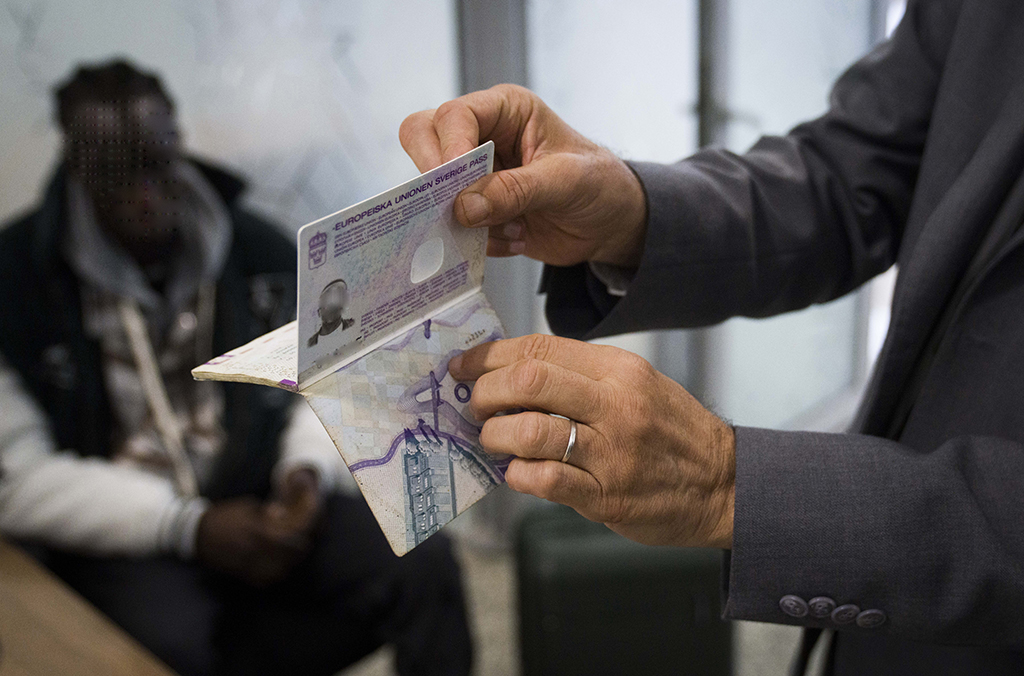
- Human trafficking and migrant smuggling continue to be closely linked to crimes such as document fraud, money laundering and drug trafficking.
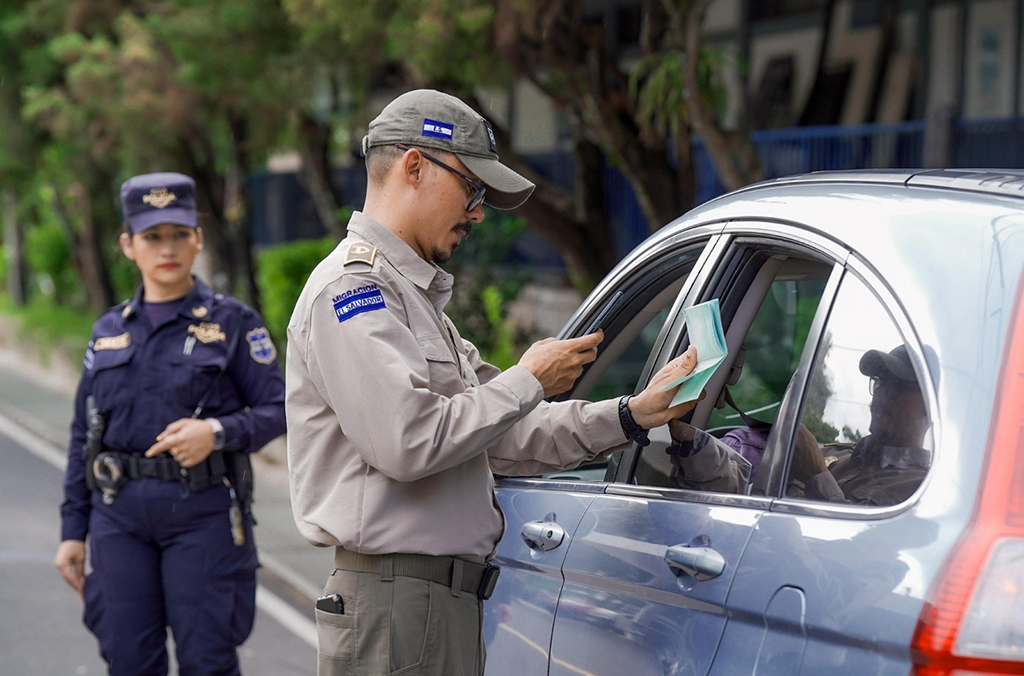
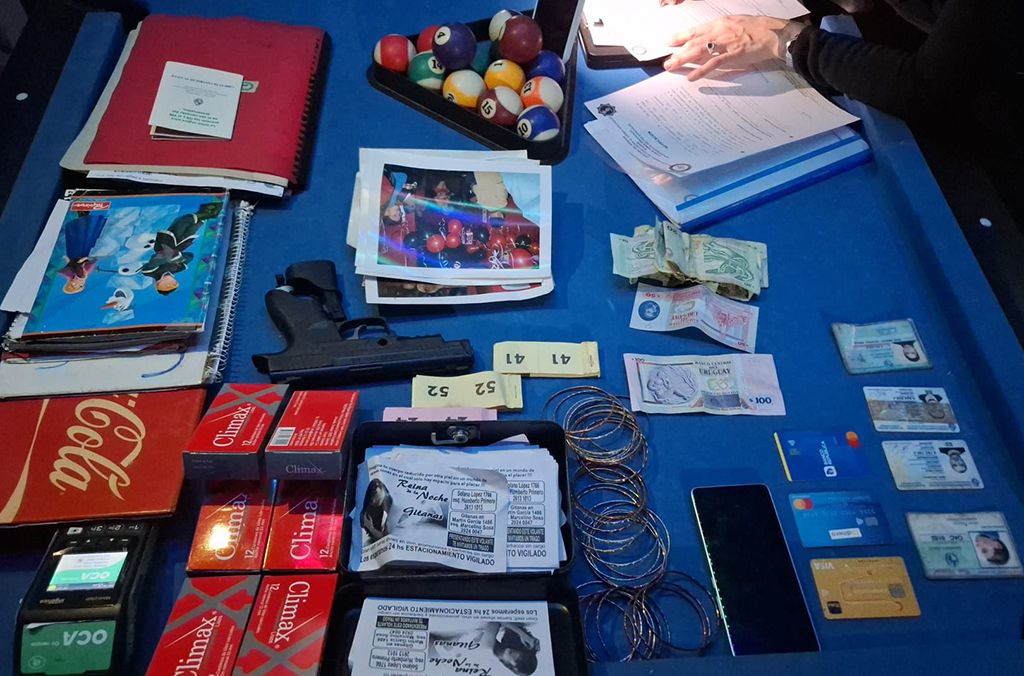
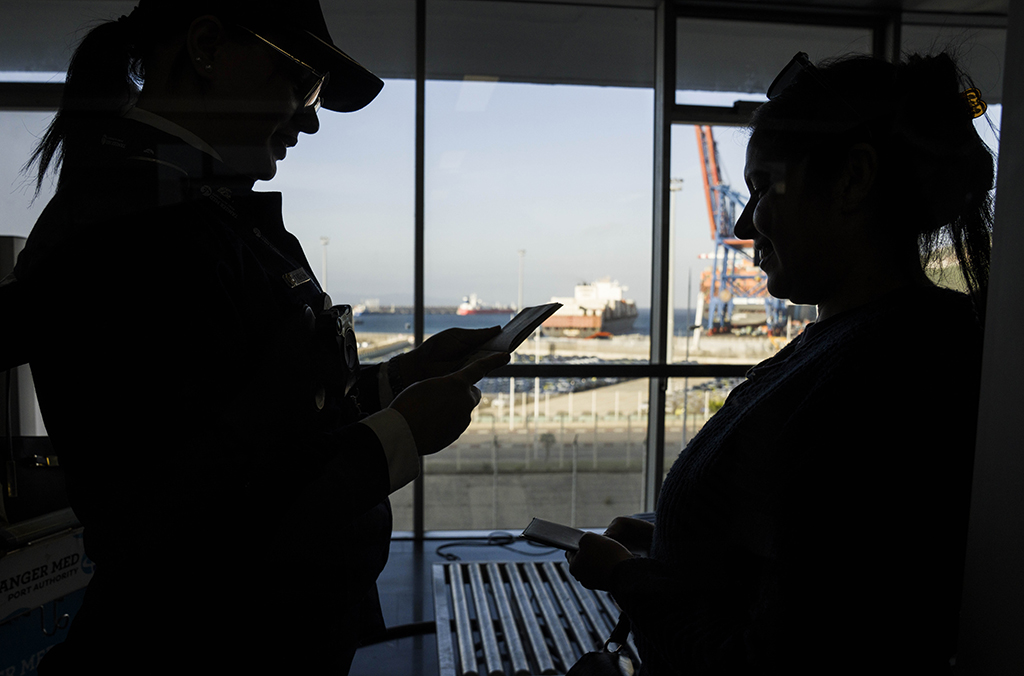
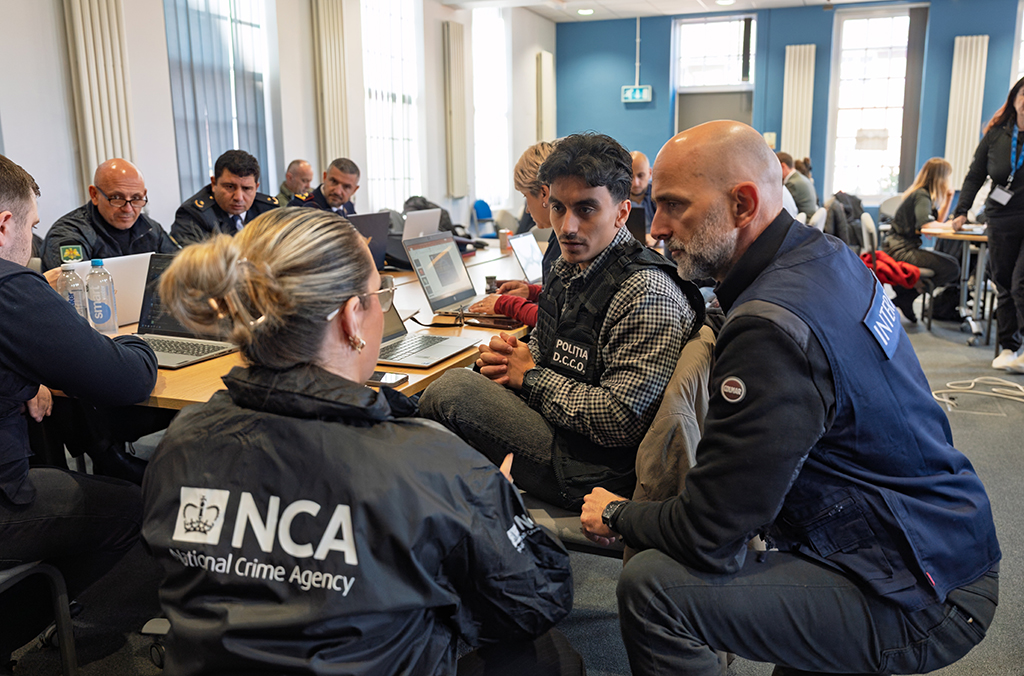
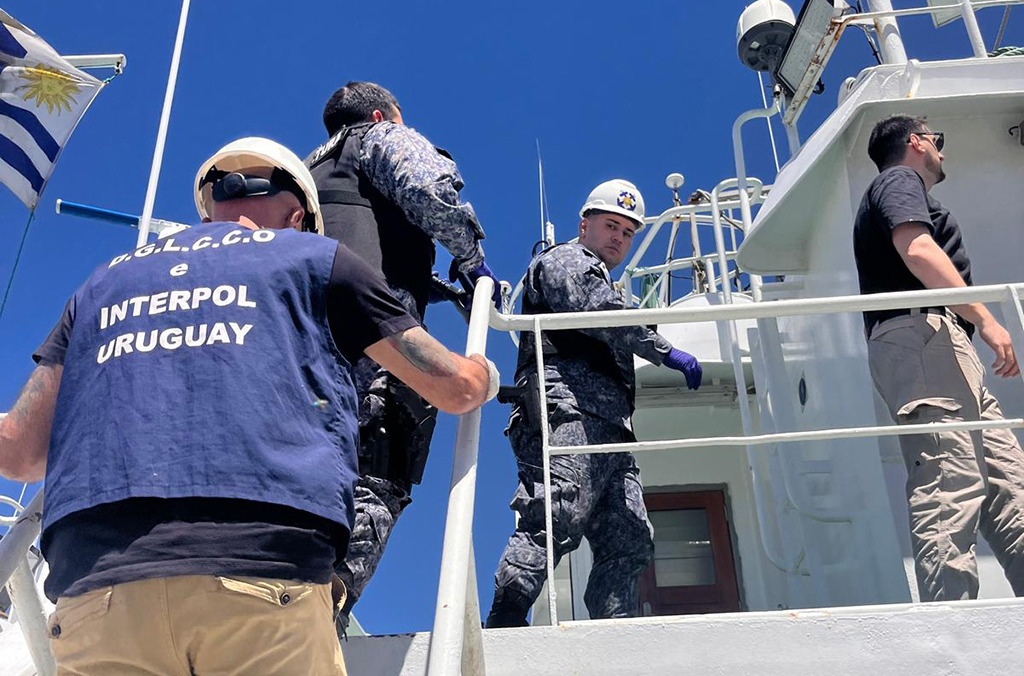
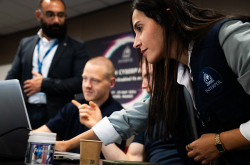
To support real-time checks against INTERPOL databases, share intelligence and issue INTERPOL Notices, four operational coordination units were established in Algeria, El Salvador, Lao PDR and the United Kingdom. Operation Liberterra III also benefited from extensive collaboration with partner organizations, national authorities and non-governmental organizations.
Trafficking-fueled scamming: a self-sustaining criminal model
Authorities carried out multiple actions against suspected scam centres in Asia, notably in Myanmar, where a single raid uncovered some 450 workers in a compound. Electronic devices linked to scam activity, including 18,800 mobile phones and more than 300 computers, were seized. Authorities also focused efforts on the screening and repatriation of hundreds of potential human trafficking victims from previous actions, including a group of 125 Indian nationals.
In Africa, authorities across Benin, Burkina Faso, Congo, Côte d’Ivoire, Ghana, Senegal and Sierra Leone reported extensive action against pyramid-style human trafficking networks, leading to the rescue of more than 200 victims and the disruption of multiple recruitment and exploitation hubs. These schemes, specific to Central and West Africa, involve recruiting victims under false pretenses of work abroad, charging exorbitant “recruitment fees”, then forcing them into recruiting friends or family members in exchange for improved conditions.
Lives behind the numbers
Behind the operational results are thousands of individual stories of suffering and resilience, including children working in a glass factory in Belize, a young girl sold to a 73-year old man in El Salvador and an eight-year old boy kidnapped for organ removal in Mozambique. Supporting each victim was a key operational priority, with those identified placed in the protective care of medical and social services, or NGOs as needed.
In Spain, authorities dismantled a criminal network trafficking women for sexual exploitation through beauty salons and massage parlours in Barcelona and Marbella, identifying 21 victims. The women, mostly of Colombian origin, had been subjected to constant surveillance, abuse, and forced to repay debts of EUR 6,000 (USD 7,000) through prostitution. The same premises were also used for drug sales.
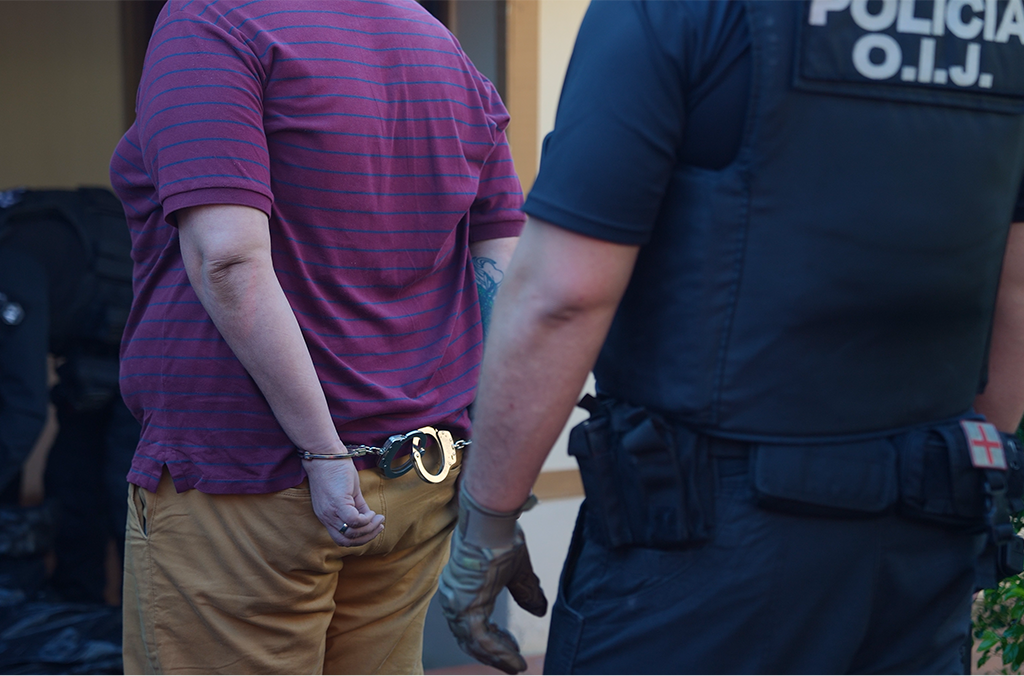
In Costa Rica, authorities arrested a man known as “El Gordo,” accused of pressuring underage girls from a technical college to record explicit videos. The suspect’s partner, a teacher at the same institution, was also arrested, as authorities believe she facilitated his access to recruit additional victims.
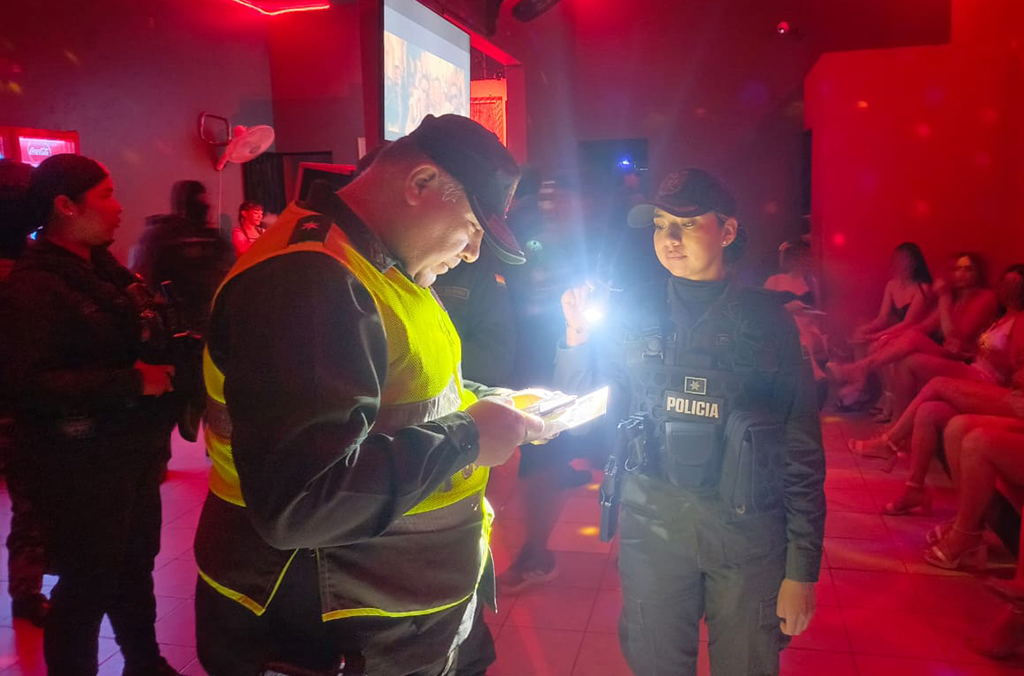
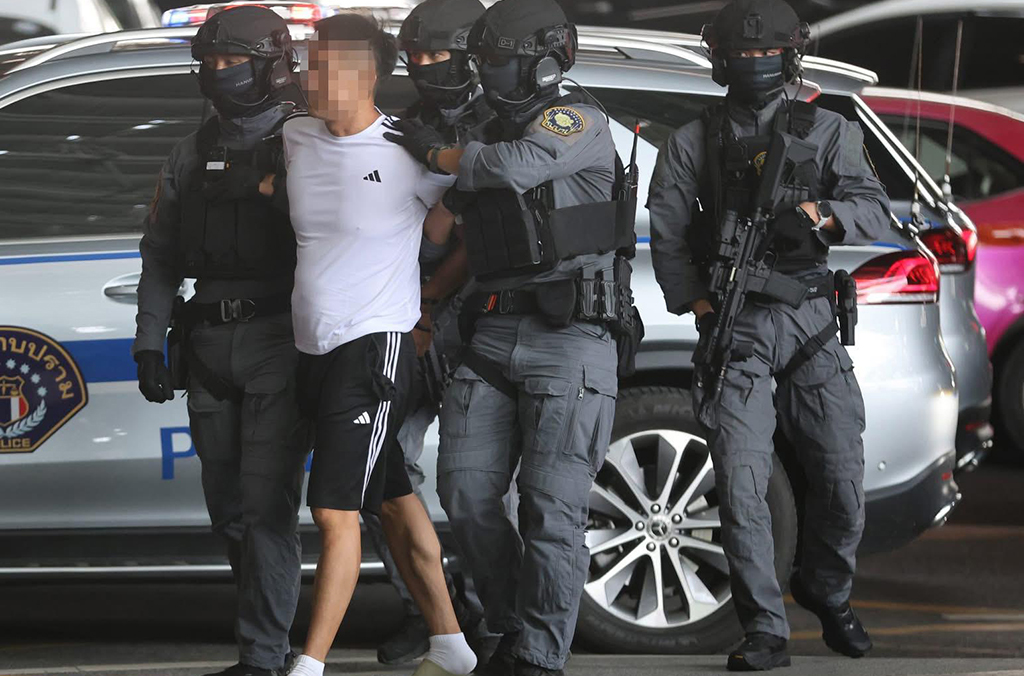
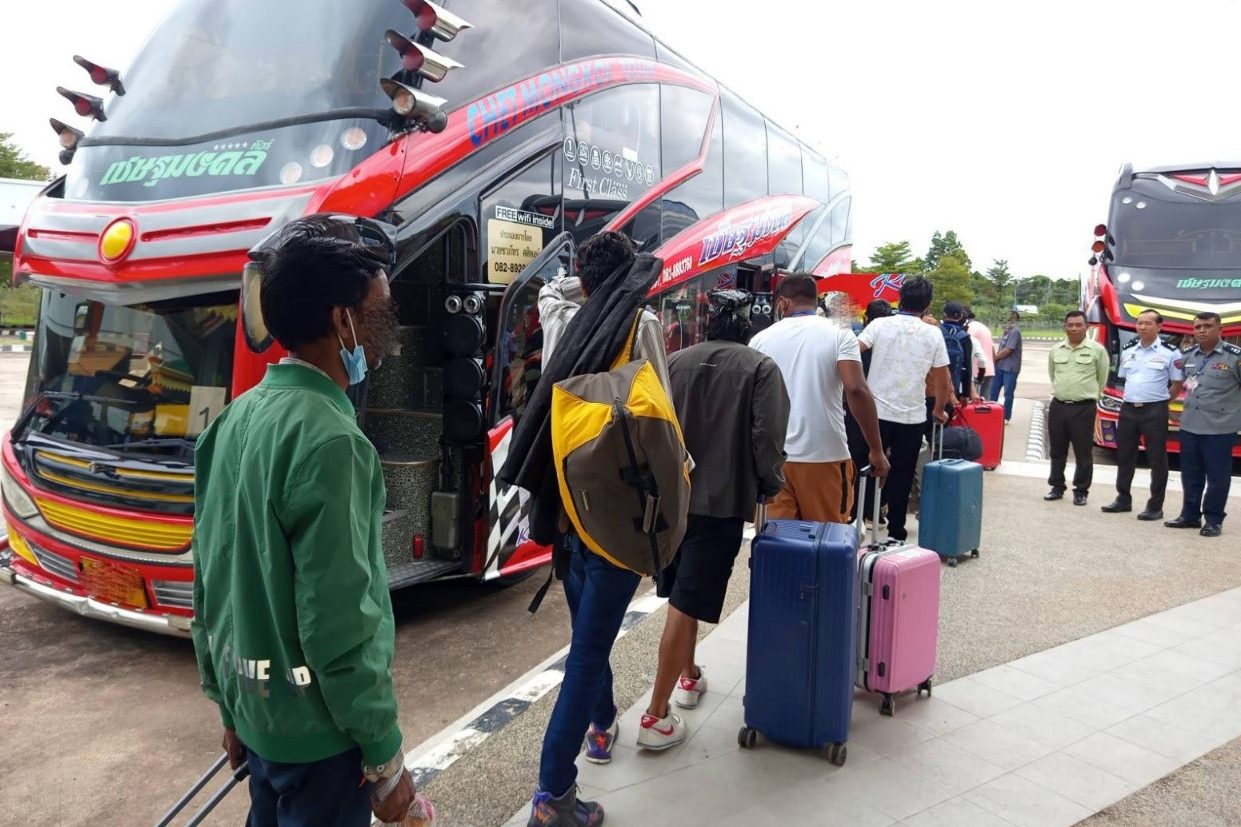
Kazakh authorities identified a modus operandi where trafficking networks disguised their activities as a taxi service. The groups used violence and intimidation to force victims into prostitution in multiple saunas. Police seized cash, weapons, bank cards and several vehicles, and uncovered a money-laundering scheme used to purchase real estate and assets.
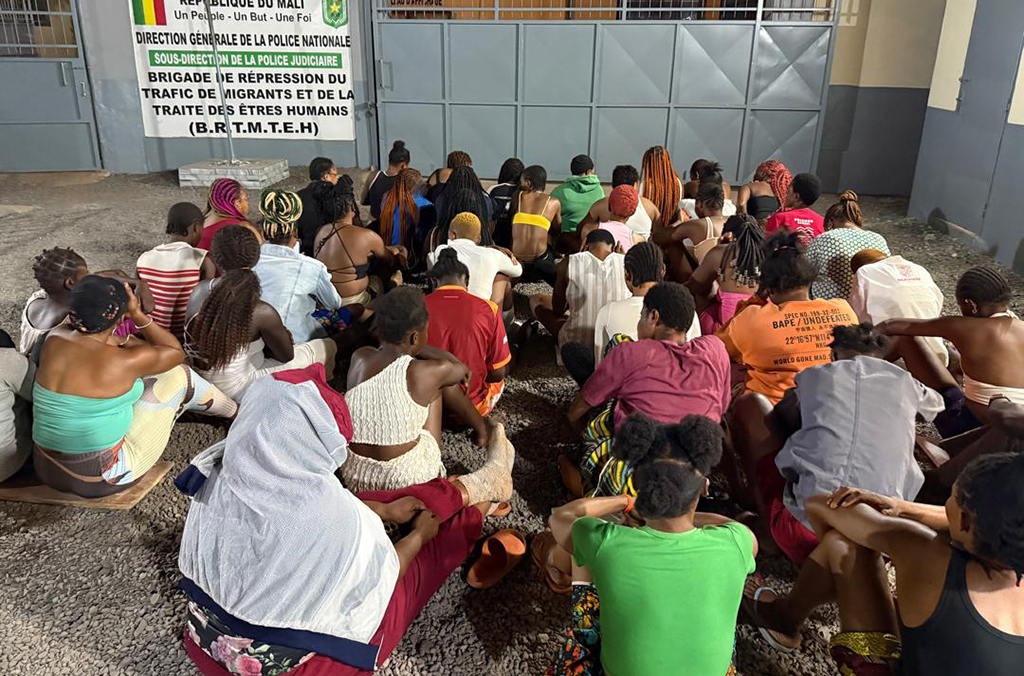
Authorities in Mali identified 47 Nigerian women who had been trafficked into the country for sexual exploitation.
Police Scotland safeguarded a Romanian national trafficked to the UK under false promises of employment and subjected to sexual exploitation. Transported across Europe, then brought to Scotland by ferry, her identification documents were withheld once she arrived in Dundee.
Huge profits, dangerous routes
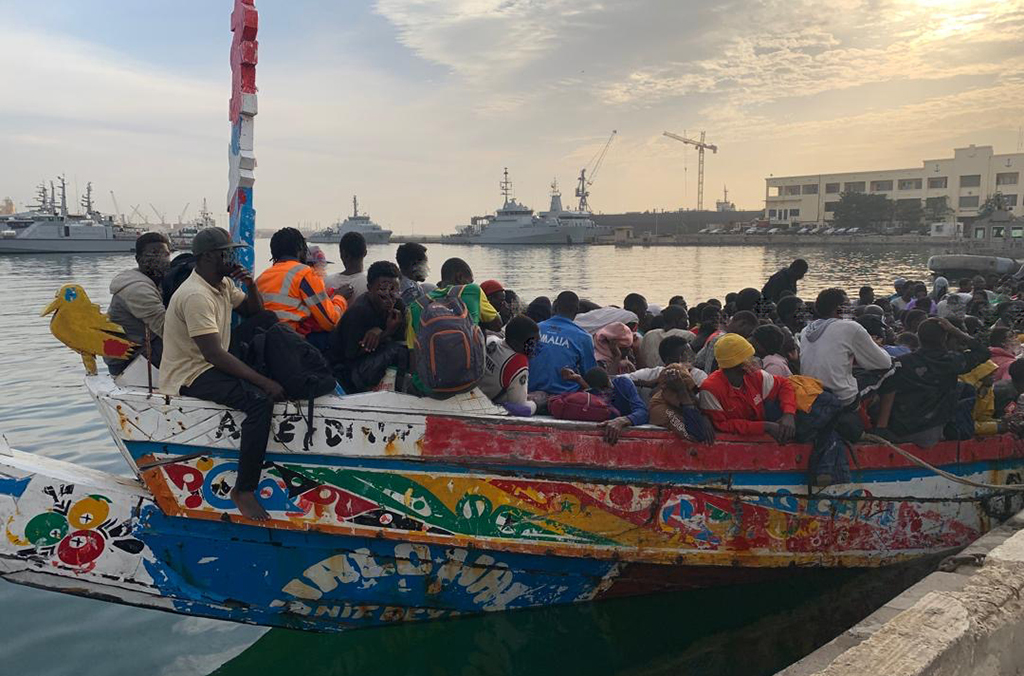
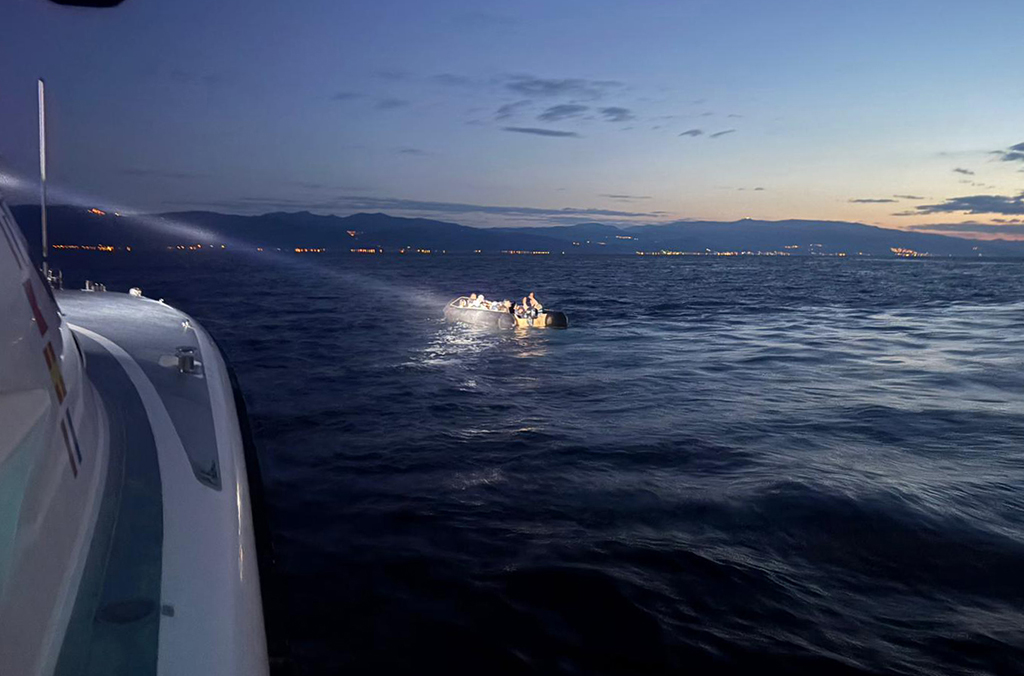
Authorities intercepted multiple high-risk sea departures involving large groups of migrants travelling in overcrowded vessels with minimal safety equipment. One interception alone involved 245 migrants departing from Senegal, with further cases recorded off the coasts of Guinea-Bissau, Morocco and Algeria.
Acting on intelligence, Algerian authorities intercepted a large inflatable boat carrying 71 people of various nationalities, including seven minors. Three individuals are suspected of being the facilitators. Authorities seized communications equipment, cash and mobile phones, and investigations are ongoing to dismantle the wider network and its financing.
In Brazil, authorities dismantled a transnational migrant smuggling network linked to Pakistan, Afghanistan, Mexico and the United States, arresting the main suspect, imposing travel restrictions and freezing BRL 5.94 million (USD 1.1 million) in assets, including real estate, vehicles, vessels, aircraft and cryptocurrencies.
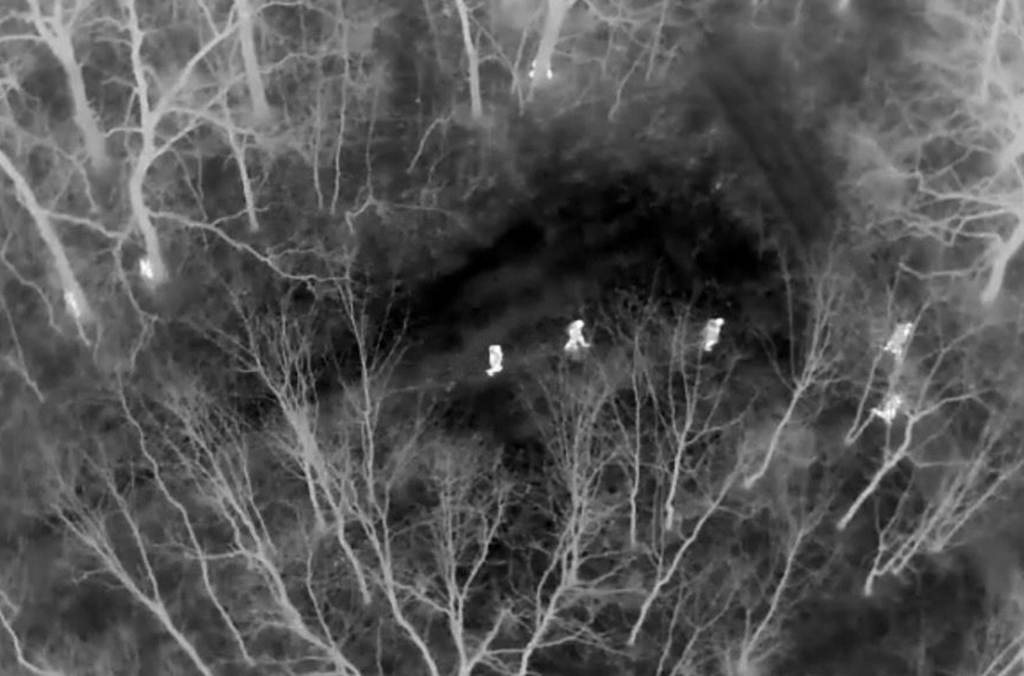
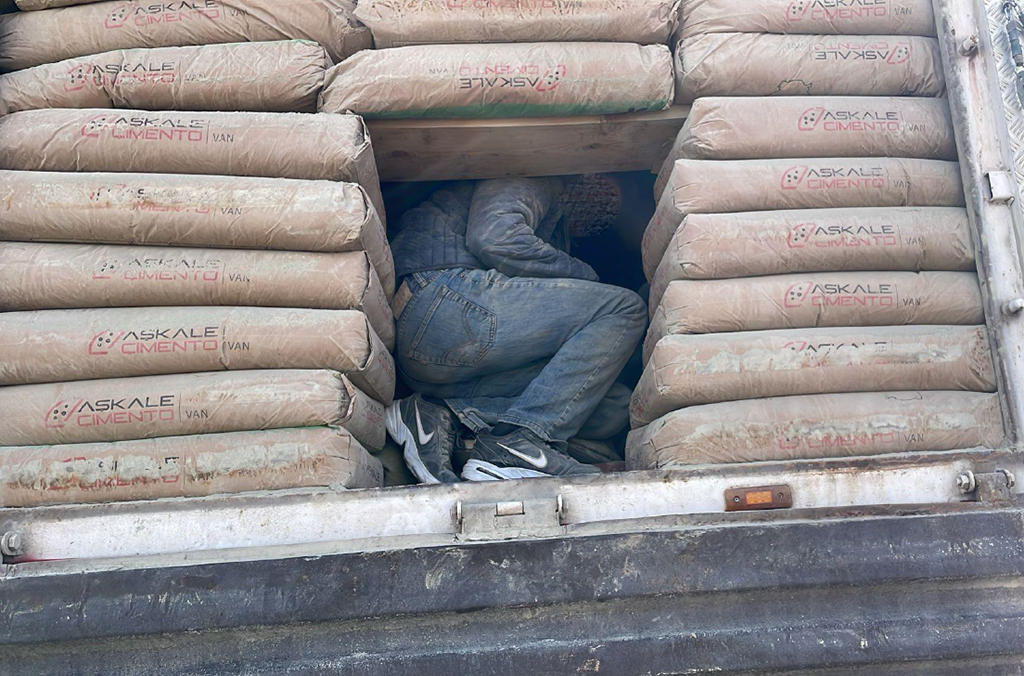
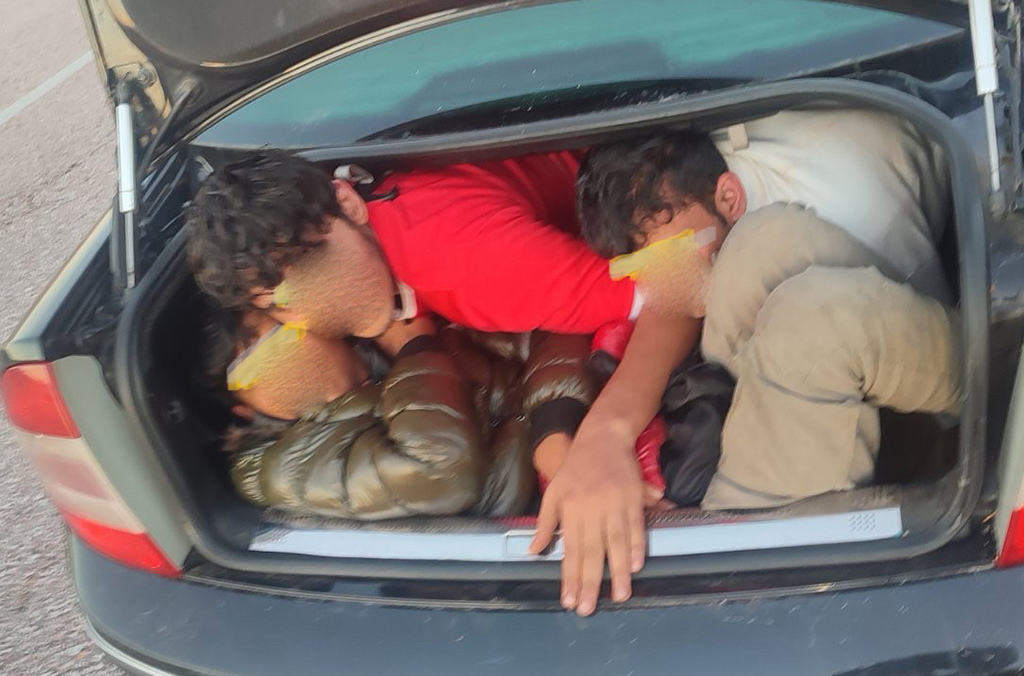

While stopping vehicles at the border with Moldova, Romanian officials scanned an incoming truck declared to be carrying metal parts. A scan, however, uncovered hidden military weapons, including rocket launchers, grenade launchers, ammunition and combat drone components. Two individuals were detained in Moldova, while the driver was held in Romania. While the case was not directly linked to migration offences, it highlights how the same routes are exploited for different forms of smuggling.
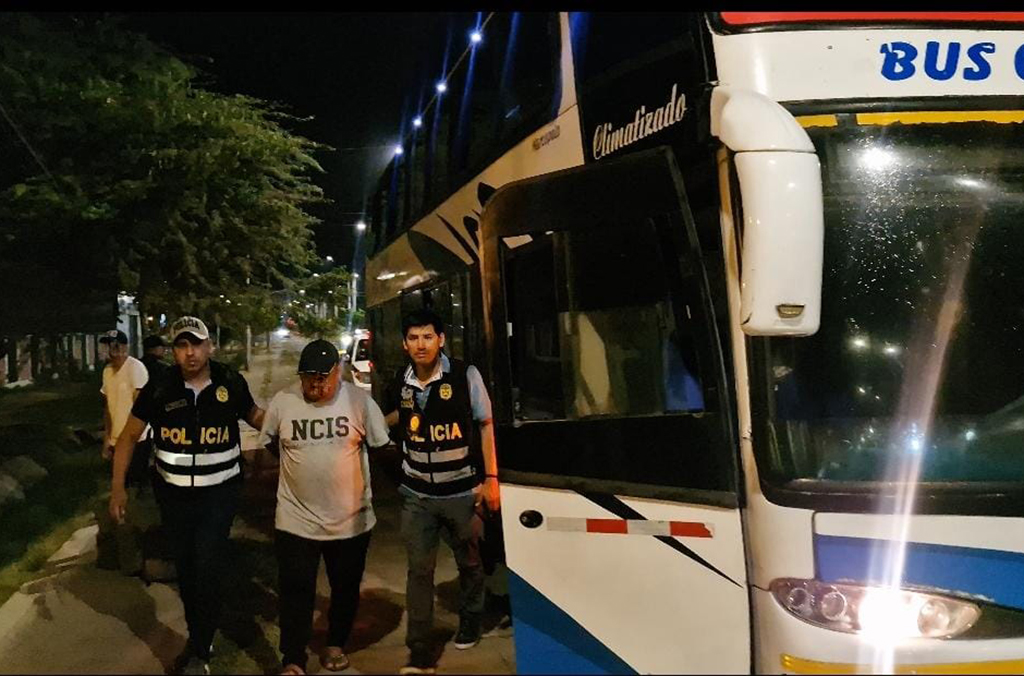
In Peru, authorities dismantled “Los Zorritos del Norte”, a criminal group suspected of smuggling 30 Venezuelan migrants, including six minors, to Chile. The arrests resulted from cooperation with a coach company, highlighting the importance of raising awareness with the private sector.
In the United Kingdom, authorities continued a successful programme with the logistics sector, deploying officers to rest areas to engage lorry drivers, identify risks, gather intelligence and promote anonymous reporting.
Additional awareness campaigns were carried out in Indonesia, Kuwait, Myanmar, the Philippines, South Africa, Tunisia and the United Arab Emirates.
Operation Liberterra III was funded by the United Kingdom’s Home Office through the National Crime Agency, with additional support by:
- Regional Support Office of the Bali Process
- European Union
- Global Affairs Canada
- US Bureau of International Narcotics and Law Enforcement Affairs
Operational partners: AFRIPOL, ASEANAPOL, CARICOM, Europol, Frontex, International Organization for Migration (IOM), Regional Operational Centre in support of the Khartoum Process (ROCK), Regional Support Office of the Bali Process (RSO), United Nations Office on Drugs and Crime (UNODC)
Participating countries and territories: Albania, Algeria, Angola, Argentina, Austria, Bahamas, Bangladesh, Barbados, Belize, Benin, Bolivia, Bosnia and Herzegovina, Botswana, Brazil, Brunei, Bulgaria, Burkina-Faso, Burundi, Cabo Verde, Cameroon, Canada, Central African Republic, Chad, Chile, Colombia, Congo, Congo (Democratic Rep.), Costa Rica, Cote d'Ivoire, Croatia, Curacao, Cyprus, Djibouti, Dominican Republic, Ecuador, El Salvador, Eswatini, Ethiopia, France, Gabon, Gambia, Georgia, Ghana, Greece, Guatemala, Guinea, Guinea Bissau, Guyana, Honduras, Hungary, India, Indonesia, Iraq, Ireland, Italy, Jordan, Kazakhstan, Kenya, Kuwait, Laos, Latvia, Libya, Luxembourg, Madagascar, Malawi, Malaysia, Maldives, Mali, Mauritius, Mexico, Moldova, Mongolia, Montenegro, Morocco, Mozambique, Myanmar, Namibia, Nicaragua, Niger, Nigeria, North Macedonia, Oman, Pakistan, Palestine, Panama, Paraguay, Peru, Philippines, Poland, Portugal, Qatar, Romania, Sao Tome and Principe, Senegal, Serbia, Sierra Leone, Slovakia, Slovenia, Somalia, South Africa, Spain, Sri Lanka, Sudan, Suriname, Sweden, Thailand, Togo, Trinidad and Tobago, Tunisia, Türkiye, Turks & Caicos (UK), Uganda, Ukraine, United Arab Emirates, United Kingdom, Uruguay, Venezuela, Vietnam, Zimbabwe