





From a rapid-action mechanism that blocks illegal financial flows to global alerts on stolen assets or the proceeds of crime, INTERPOL pioneers in asset tracking and recovery tools. We work alongside our member countries and the international finance community to deprive criminals of their illicit profits and return stolen assets to their rightful owners.
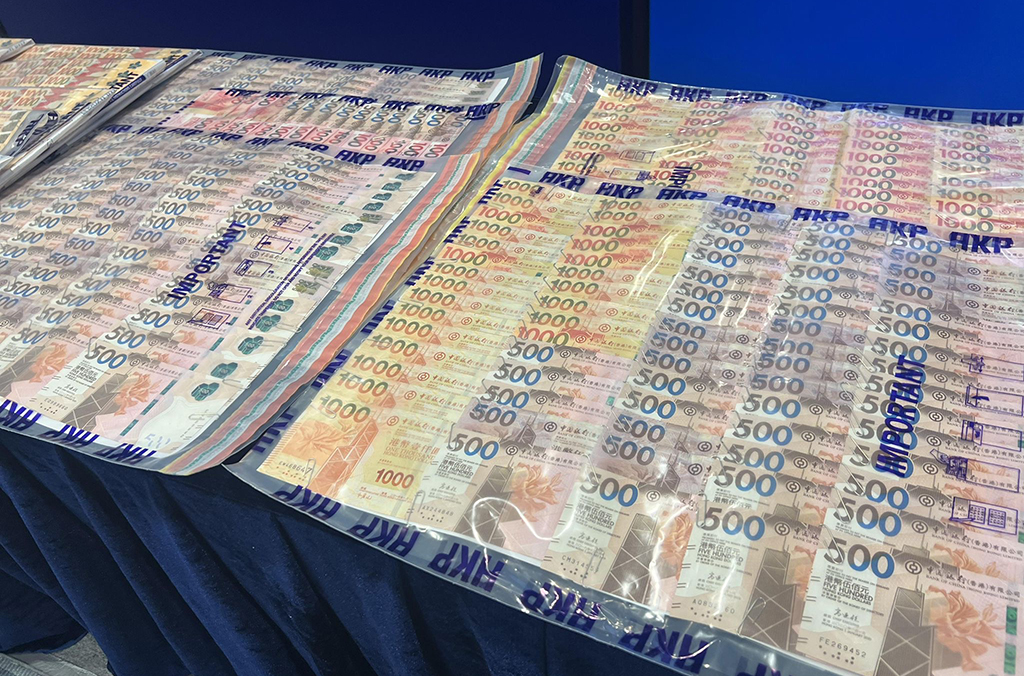
Money is almost invariably the primary motivation for organized crime and, today, criminals succeed in keeping the vast majority of their illegal gains. The most recent global figures on money laundering and asset recovery estimate that less than 1 per cent of criminal assets are seized and frozen, with an even smaller fraction recovered and returned. The figures date back to 2011, a timeframe that underlines the challenge of tracking and intercepting illicit assets and – given the subsequent emergence of digital banking and virtual assets – makes them unlikely to reflect reality fifteen years on.
Following the digital money

From 2019 and 2020, the COVID-19 pandemic pushed those rapid technological changes even further and faster, in finance and beyond. Business and private life moved online massively and so did criminal activity. “COVID led to a paradigm shift in the way criminals work, with technology allowing them to make international money transfers in seconds, including in the form of virtual assets,” says Tomonobu Kaya, Director of INTERPOL’s Financial Crime and Anti-Corruption Centre (IFCACC). “The need to track and intercept illicit financial flows across borders became even more urgent, requiring faster and stronger international law enforcement cooperation, and INTERPOL took a leadership role in building a robust framework to do that.”
Expert teams and innovative tools
The cornerstone of that approach was the creation of IFCACC, a specialist division staffed by experts in combating fraud, money-laundering and corruption, and in tracking and recovering stolen assets. Working closely with their colleagues in other crime areas and with our member countries, they launched I-GRIP in 2022. This simple stop-payment mechanism allows law enforcement in one country to intercept fraudulent financial movements in another within hours of their detection and has made it possible to block approximately USD 130 million in the four years since launch.
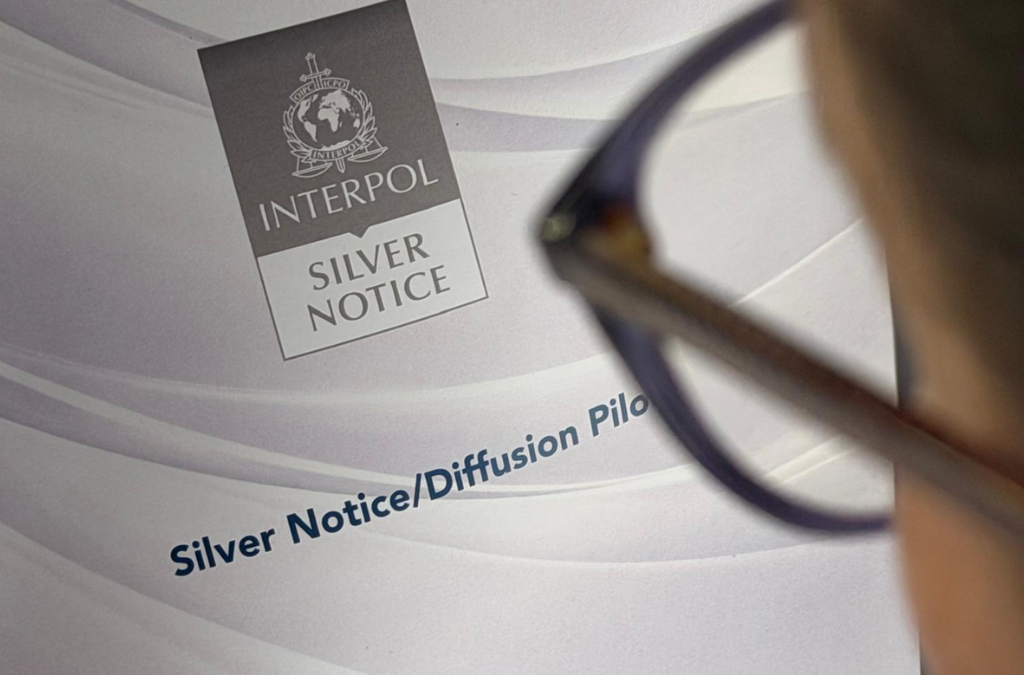
In 2025, I-GRIP was joined by another complementary and highly effective innovation, the Silver Notice. INTERPOL’s first new colour-coded law enforcement cooperation tool for over twenty years, it is now nearing the end of its pilot stage. It currently enables over 80 member countries to reach out to the entire INTERPOL membership with requests for information on laundered assets such as properties, vehicles, financial accounts and businesses. The information received can then be used as a basis for bilateral engagement supported by INTERPOL, including requests for seizure, confiscation or recovery of assets. “The Silver Notice is the first global tool that specifically targets criminal assets and as such is a game-changer,” says Tomonobu Kaya. “With almost half our membership participating in the pilot phase, it is clear that the global law enforcement community supports our drive to stop criminal networks benefiting from their illegal activities.”
A global partnership approach
INTERPOL has also engaged with other leading organizations to keep law enforcement priorities at the forefront of the global approach to asset recovery and to ensure our tools and actions dovetail with the broader approach. Cooperation with the Egmont Group of Financial Intelligence Units has helped strengthen information exchange between FIUs and law enforcement, supporting operational case development and analysis, while also facilitating secure access for FIUs to INTERPOL databases. We also have a long-standing partnership with international financial standards body, the Financial Action Task Force.
“The FATF as the international standard setter for combatting money laundering and terrorist financing has this year prioritized efforts to combat the proceeds of fraud and is committed to working in lockstep with INTERPOL to turn the tide on this rapidly increasing global threat, “says FATF President Giles Thomson. “The FATF-INTERPOL partnership is critical in bringing together international policy and operational coordination towards a shared goal of ensuring crime does not pay,” he continues. “Asset recovery tools that enable faster freezing and confiscation of criminal proceeds are central to the FATF’s current focus on tackling the billions lost to fraud around the world. INTERPOL’s I-GRIP tool and Silver Notices are important new capabilities that countries should utilize to help recover and return funds.”
Ongoing leadership against financial crime
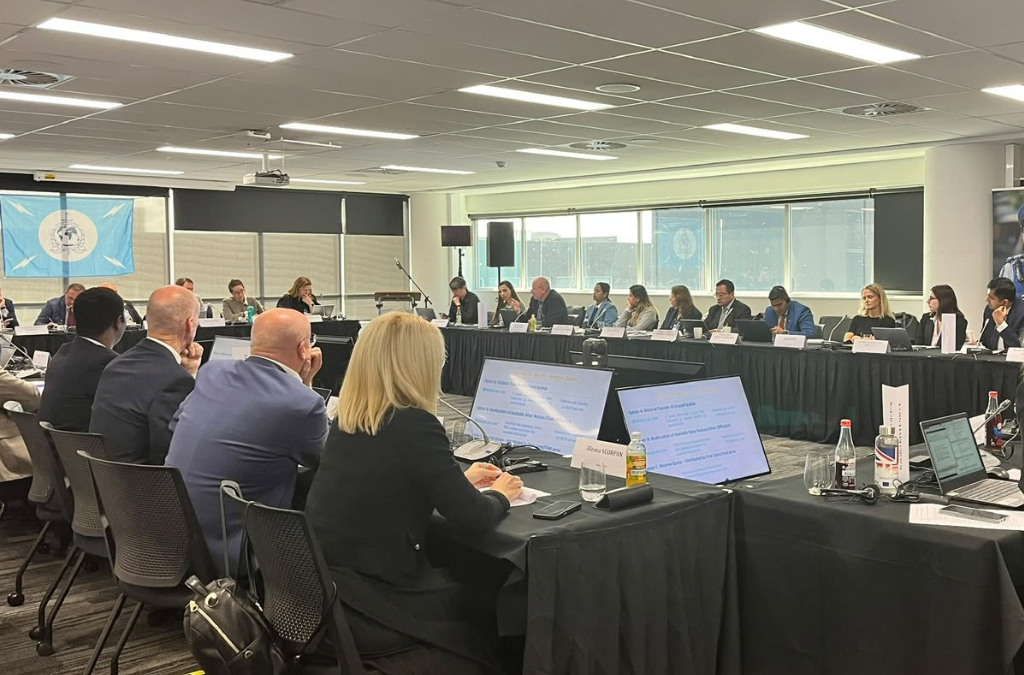
INTERPOL’s continuing commitment to returning a higher share of those billions to their legal owners will again be demonstrated this November, when making the Silver Notice a permanent tool, with full global reach, will be proposed for a formal vote by our General Assembly in Hong Kong. To prepare that event, the INTERPOL Expert Working Group on asset tracing and recovery met in Auckland, New Zealand this September. “Our latest meeting brought member countries together behind a clear objective: making the Silver Notice a permanent global capability to help identify, trace and recover the proceeds of organized crime,” says the Chair of the Expert Working Group, Colonel Francesco Maione of Italy’s Guarda di Finanza. “The message is clear: countries must act together, share information faster and ensure criminals can no longer hide or profit from their illicit assets.”
“Silver Notices and Diffusions have already allowed us to share requests seeking to trace over USD 1.8 billion,” adds Tomonobu Kaya. “Beyond this operational success, the introduction of this new capability has encouraged member countries to review and strengthen their asset recovery infrastructure. At INTERPOL, we are proud to be leading the drive to follow the money and tackle transnational organized crime at the root.”