


BANGKOK, Thailand – Stronger information sharing across borders and sectors is essential to counter the growing threat posed by counterfeit, substandard and mislabeled products, experts meeting in Bangkok have warned.
The impact of intellectual property (IP) crime extends far beyond copyright violations: illicit products can undermine legitimate businesses, weaken local economies, damage the environment and put consumer lives at risk. IP crime can also fuel broader criminal activity, with the transnational organized crime groups involved often linked human trafficking, corruption and money laundering.
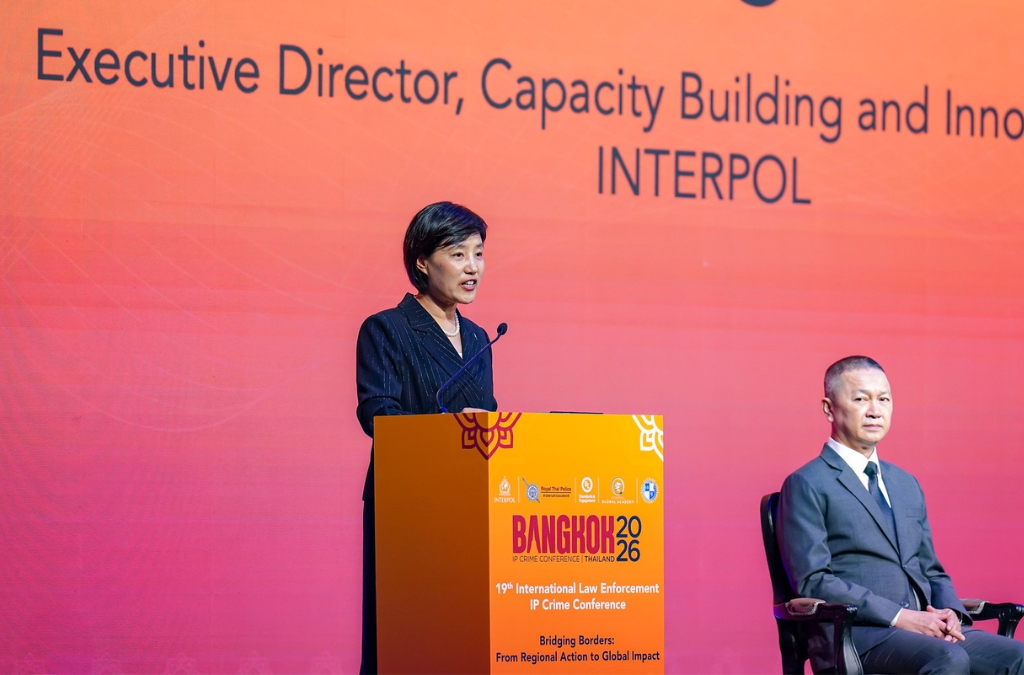
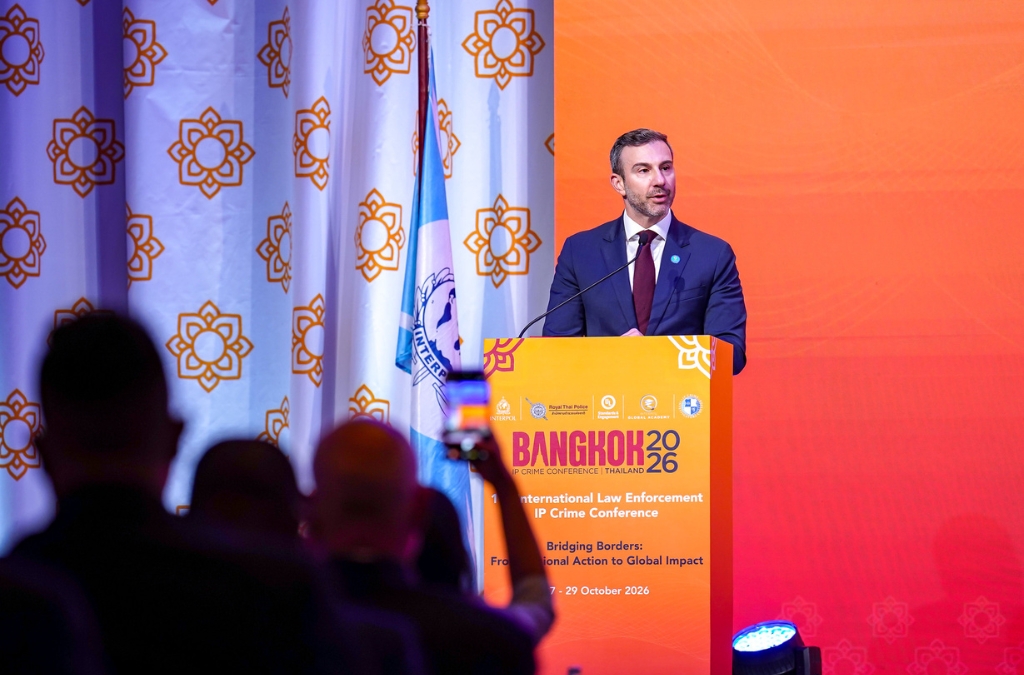
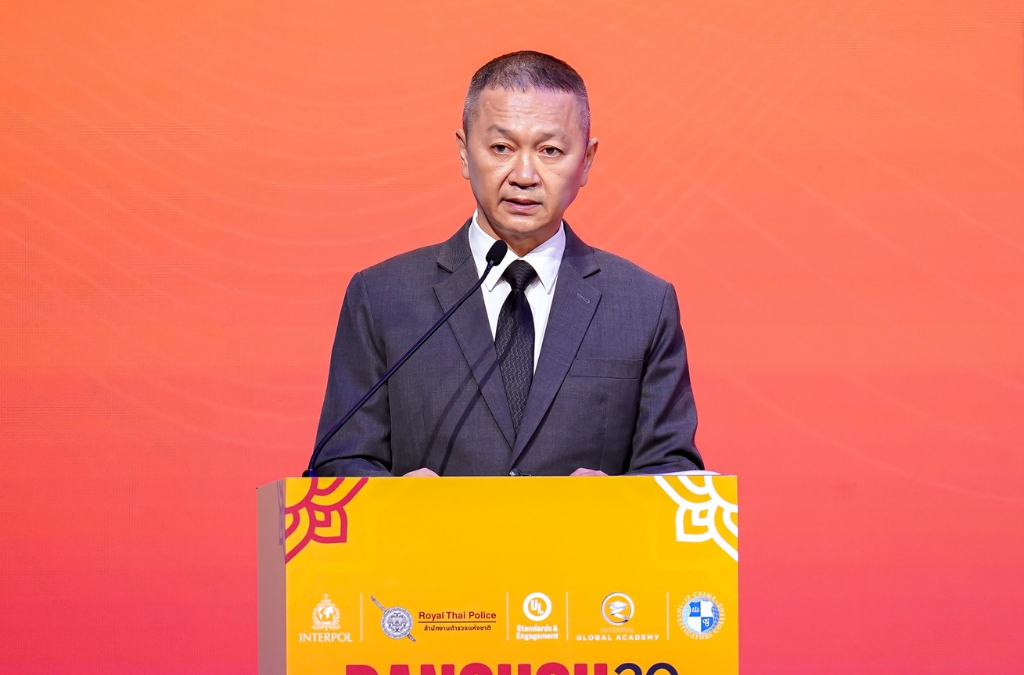
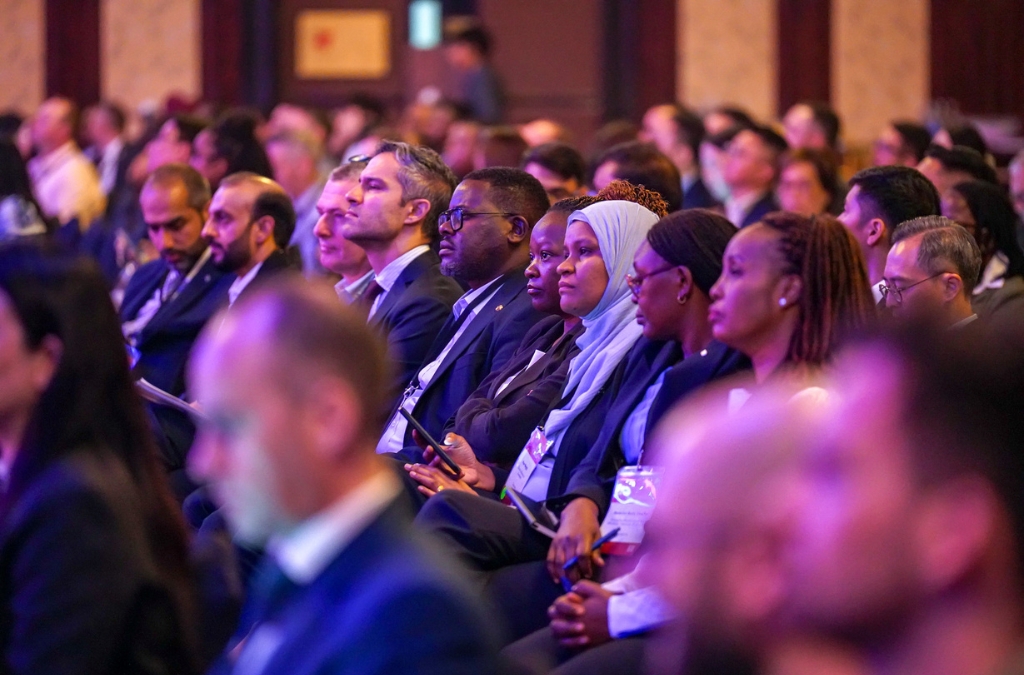
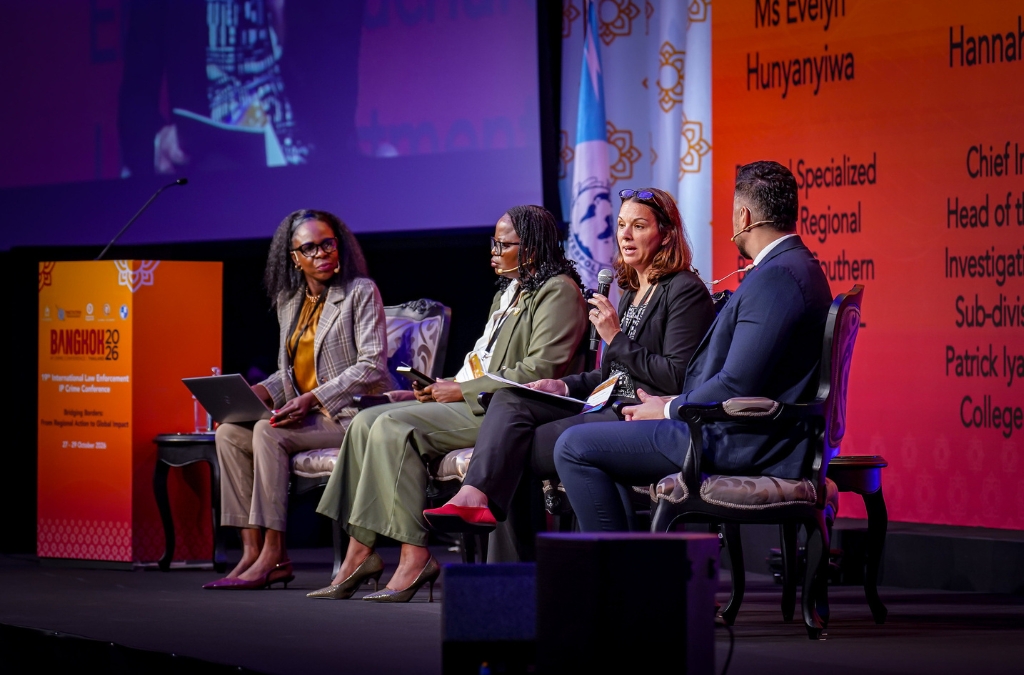
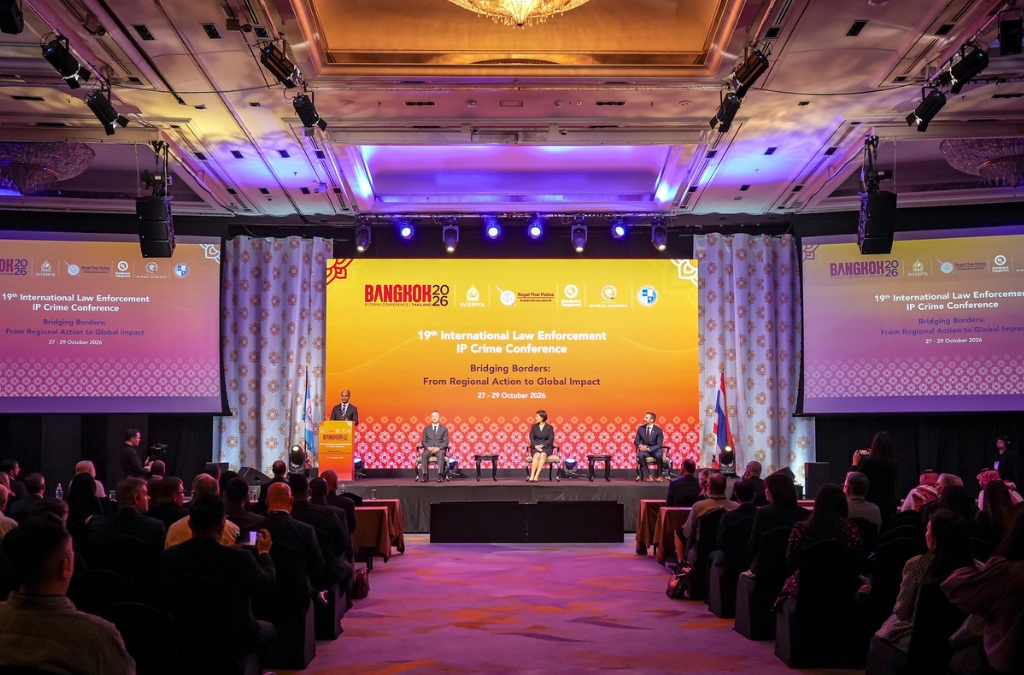
To address this global issue, 450 participants from 52 countries and 255 organizations gathered in Bangkok this week for the 2026 International Law Enforcement IP Crime Conference (27–29 October), co-hosted by INTERPOL and the Royal Thai Police, in partnership with UL Standards & Engagement (ULSE).
Under the theme “Bridging Borders: From Regional Action to Global Impact,” the event brought together law enforcement agencies, prosecutors, private-sector leaders, academics and IP crime experts to share findings and best practices, and to develop innovative investigation techniques and practical strategies.

INTERPOL Global Academy
The annual conference was delivered by the INTERPOL Global Academy through its International IP Crime Investigators College (IIPCIC). IIPCIC provides law enforcement and other officials from relevant agencies with a combination of virtual and in-person training on a wide range of topics related to intellectual property crime.
Speakers put the spotlight on counterfeits that put consumers at direct risk, including vapes, lithium-ion batteries, fire safety devices, automotive parts and medicines. Attendees also shared trends and case studies on counterfeit personal care products, sportswear and fast-moving consumer goods, including food, beverages and household products.
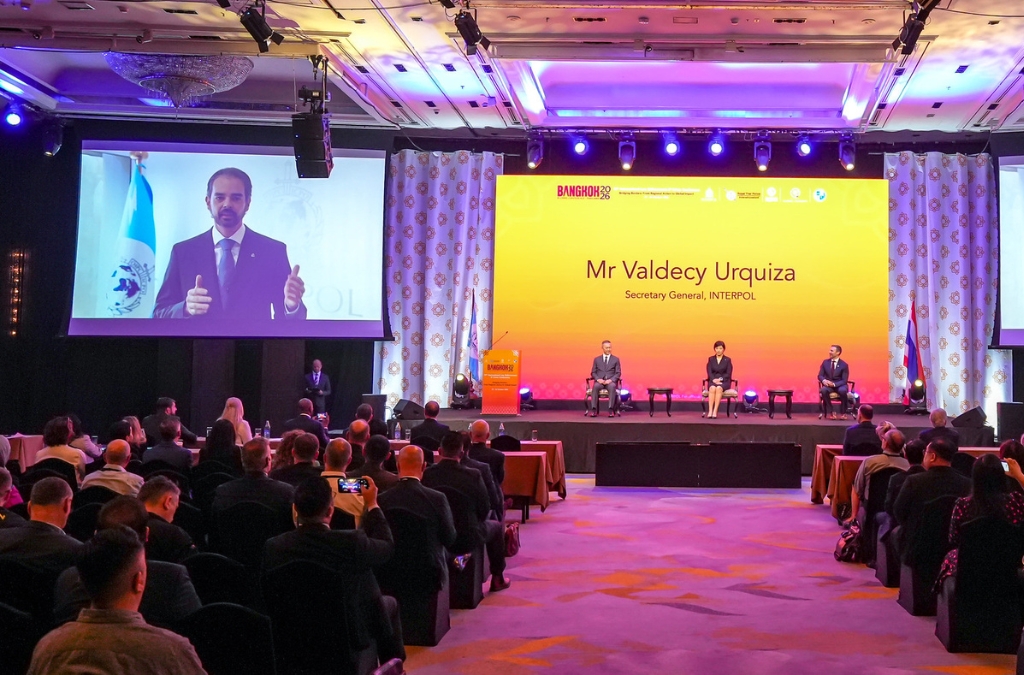
In remarks delivered via video message, INTERPOL Secretary General Valdecy Urquiza said:
“Criminals exploit technology, digital platforms and global connectivity to expand their activities across borders. In a world where crime knows no borders, no country can address these challenges alone. Success depends on our ability to share information, build trust, strengthen partnerships and take coordinated action across jurisdictions.”
ULSE President and CEO Jeff Marootian encouraged attendees to share practical experience and deepen cross-sector relationships:
"The strength of this gathering lies not only in the information shared from the stage, but also in the conversations, relationships, and trust built among people committed to helping protect communities from harm."
Police General Thatchai Pitaneelaboot, Deputy Commissioner General, Royal Thai Police, said:
“Intellectual property crime is a global challenge that threatens businesses, economies and public safety. Our response must be equally connected — timely information sharing, coordinated investigations and strong partnerships are key to disrupting these networks. The discussions that begin in Bangkok will help shape cooperation far beyond this region. Together, let us transform regional action into global impact.”
Key conference takeaways
- New capacity-building opportunities: IIPCIC launched a new training module, “Counterfeit Lithium-ion Batteries: A Growing Threat,” on the first day of the event in Bangkok. It joins two recently added modules on counterfeit vape devices and counterfeit fire safety devices.
- Information sharing: Attendees called for stronger information sharing and cross-sector collaboration, even if that means working with competitors. The central message was that if brands join forces to consolidate and share their evidence of fraudulent products and sellers, law enforcement can build stronger cases for investigation or prosecution.
- Outstanding contributions awarded: On the final day of the event, IIPCIC awards were presented to representatives of the Korean National Police Agency (KNPA) and the New York Police Department (NYPD) and Homeland Security Investigations (HSI), in recognition of their exceptional contributions to combating intellectual property crime and advancing international cooperation, professional excellence, and capacity building across the global enforcement community.
About INTERPOL
Headquartered in Lyon, France, INTERPOL is the world’s largest international police organization, connecting 196 member countries. It maintains global databases containing police information on criminals and crime, and provides operational and forensic support, analysis services and training. These policing capabilities are delivered worldwide and support four global programmes: financial crime and corruption; counter-terrorism; cybercrime; and organized and emerging crime.
Follow INTERPOL on X, Facebook, Instagram, LinkedIn, Flickr and YouTube
Related news