


LYON, France – A coordinated law enforcement operation against stolen vehicle trafficking has resulted in 688 arrests and the seizure of 2,394 vehicles.
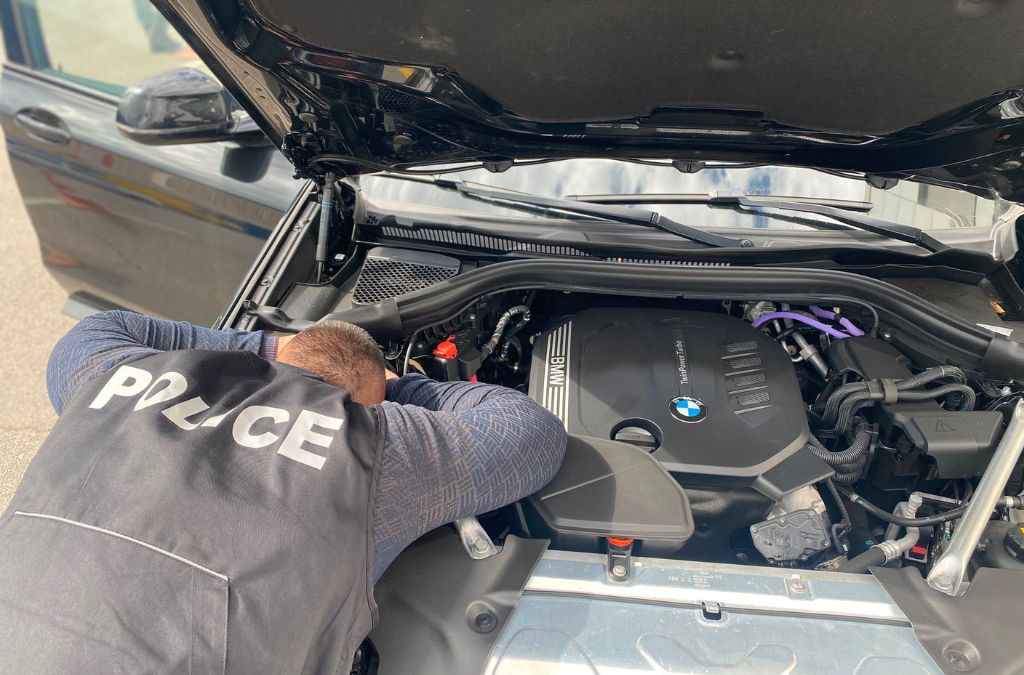
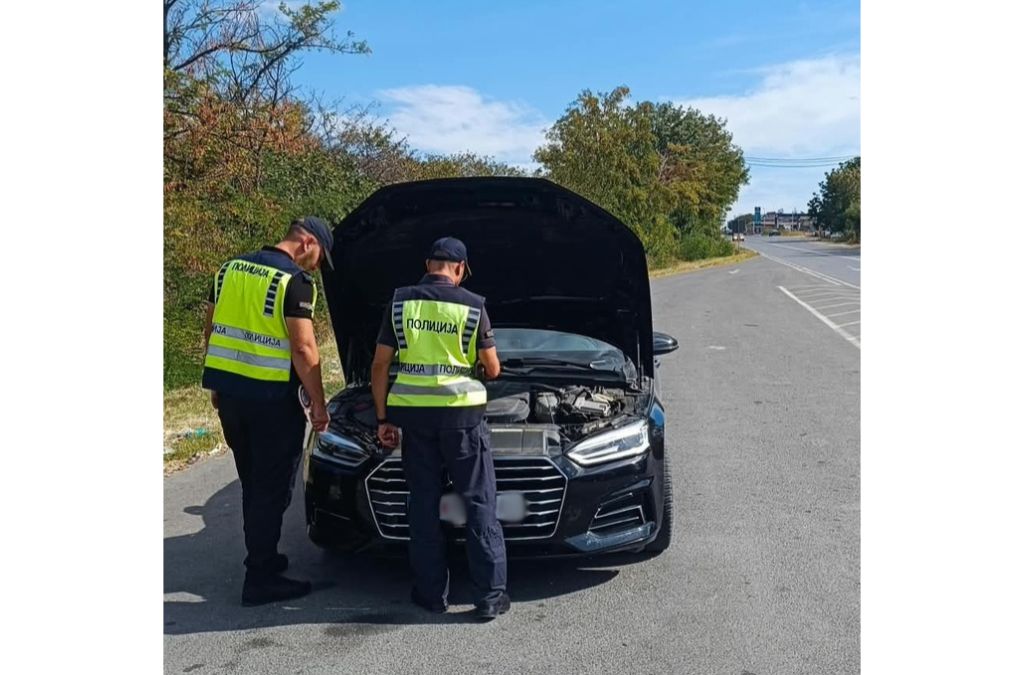
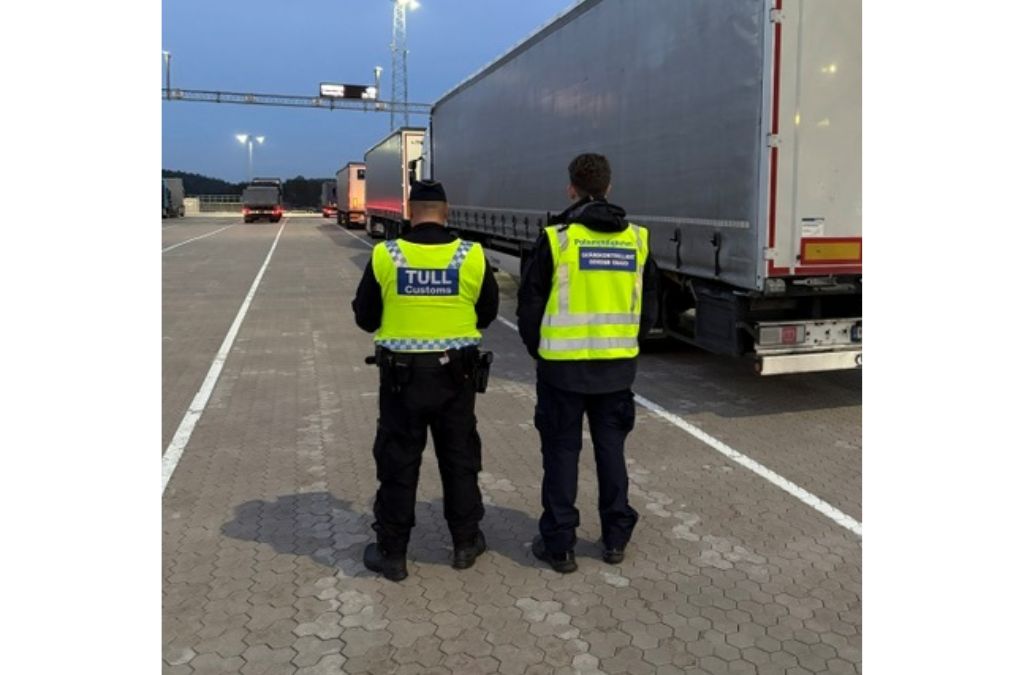
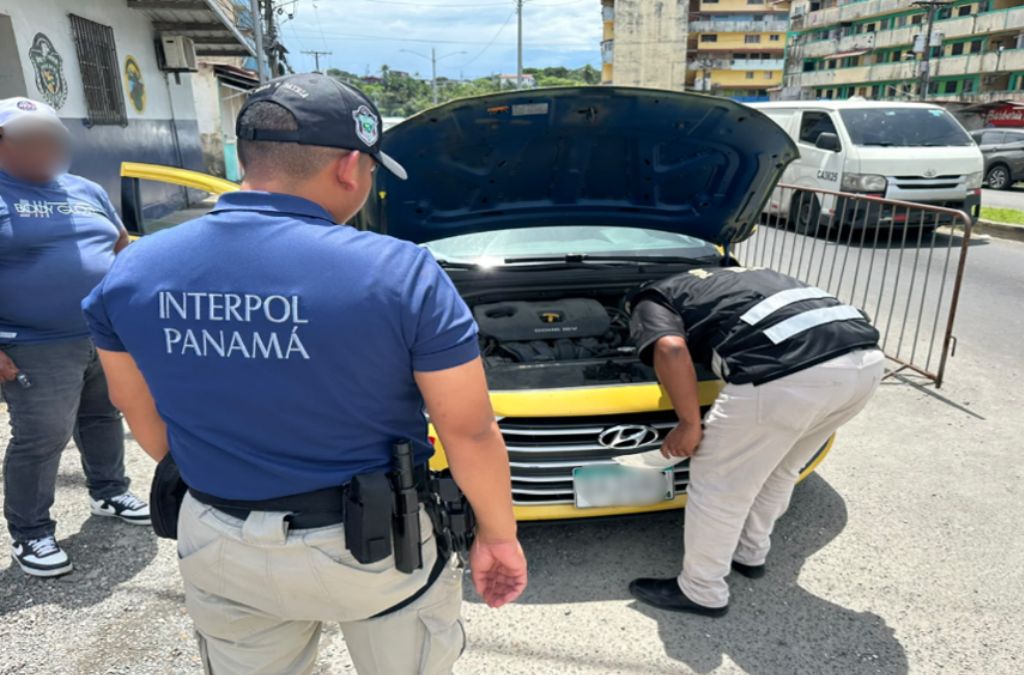
Led by INTERPOL and supported by Frontex, Operation Carback 2 (28 September – 9 October 2026), brought together 65 countries to track and seize stolen vehicles, disrupt and dismantle criminal organizations, uncover modus operandi, and expose links to other serious crimes.
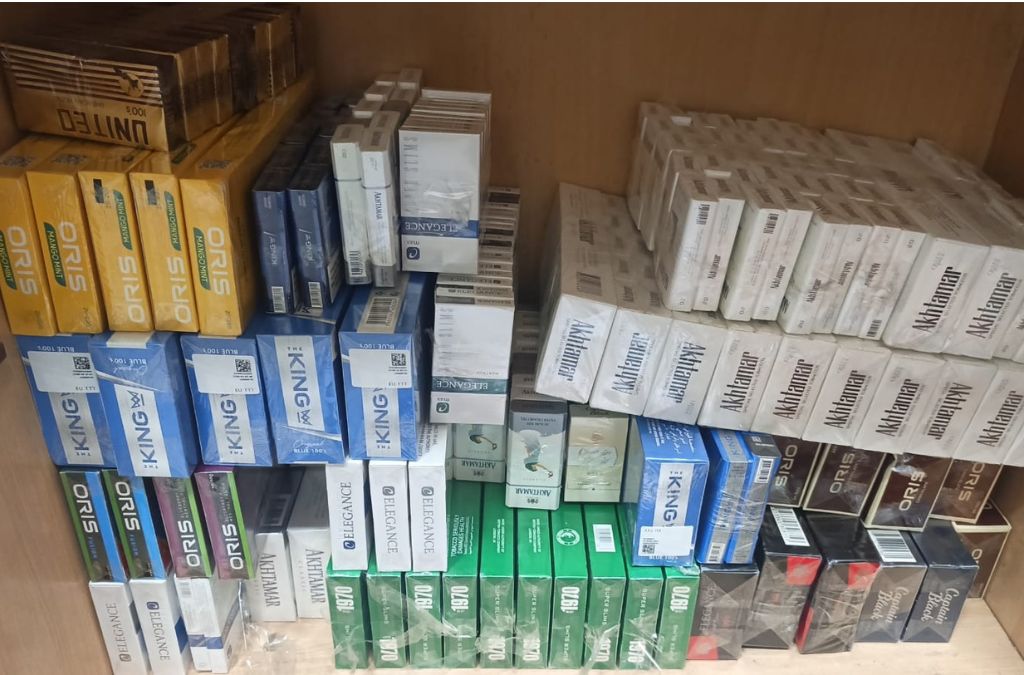
Authorities also seized 1,891 vehicle parts, along with illicit drugs, cash and weapons. Thirty organized crime groups were dismantled and several others remain under investigation.
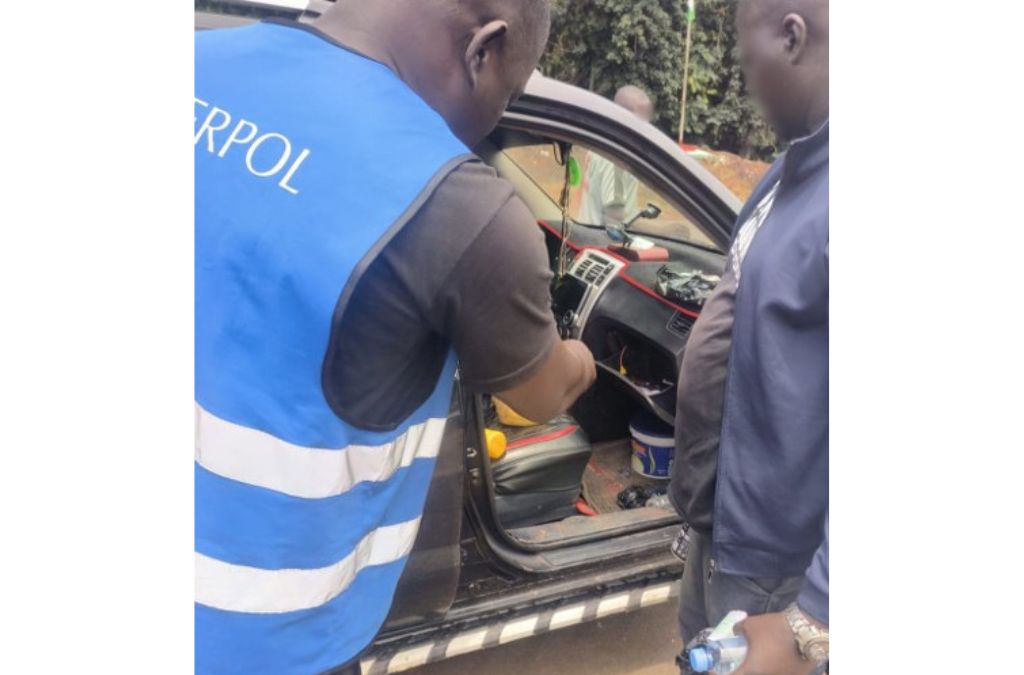
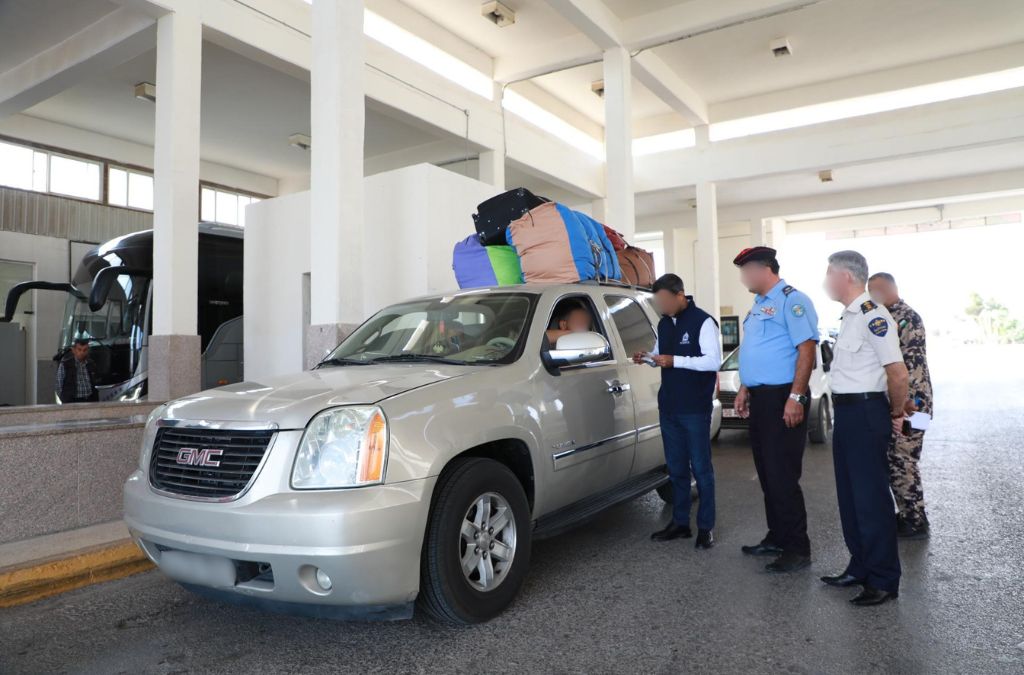
During the tactical phase, participating countries stepped up vehicle, passenger and cargo checks at pre-identified hotspots for vehicle-related crime. More than 1.5 million searches were run against INTERPOL’s databases, returning 1,180 positive hits. Those searches included more than 480,000 vehicle registrations checked against the Stolen Motor Vehicles database.
David Caunter, Director of Organized and Emerging Crime at INTERPOL, said:
“Vehicle crime is far more than a property offence. Every year, criminal networks push hundreds of thousands of stolen vehicles into the criminal underworld, because they are low-risk income and a tool for other crimes. They are sold, used as payment between groups, or used to move drugs, firearms and contraband across borders. Strike the vehicles, and you strike the income that sustains the network.”
Vehicle crime as an enabler of other crime
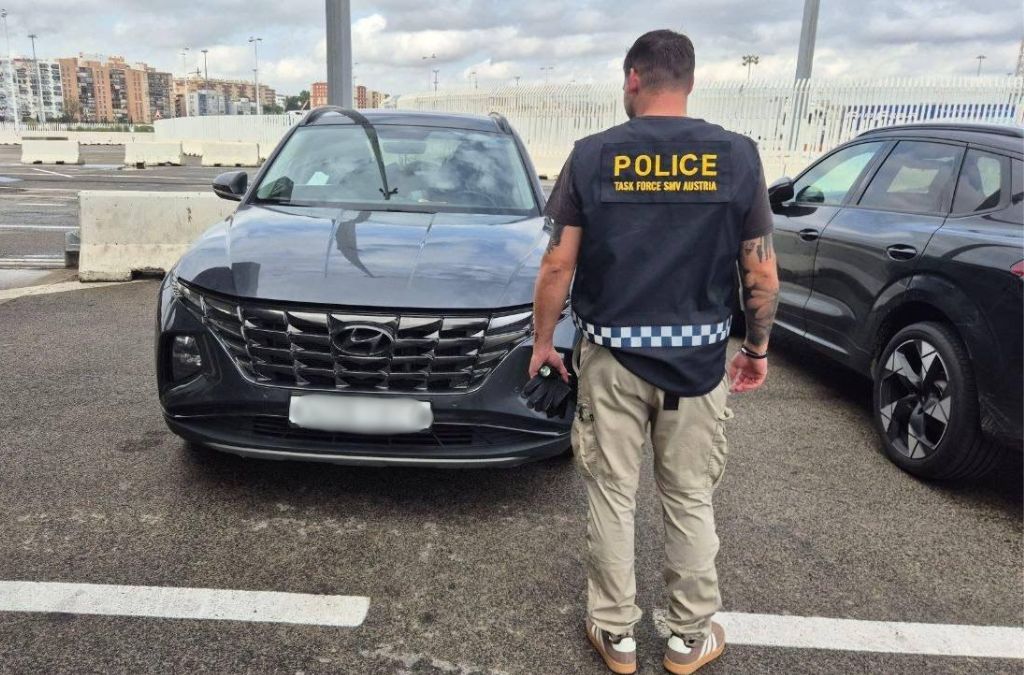
During Operation Carback II, Greek border police detected three individuals in vehicles with valid French registration plates. Suspicious behaviour prompted a check of the registration documents, which were confirmed as forged. Immediate cooperation with French law enforcement authorities established that the vehicles had been leased. The offenders were attempting to move the vehicles out of the European Union before the rental companies could report them as embezzled.
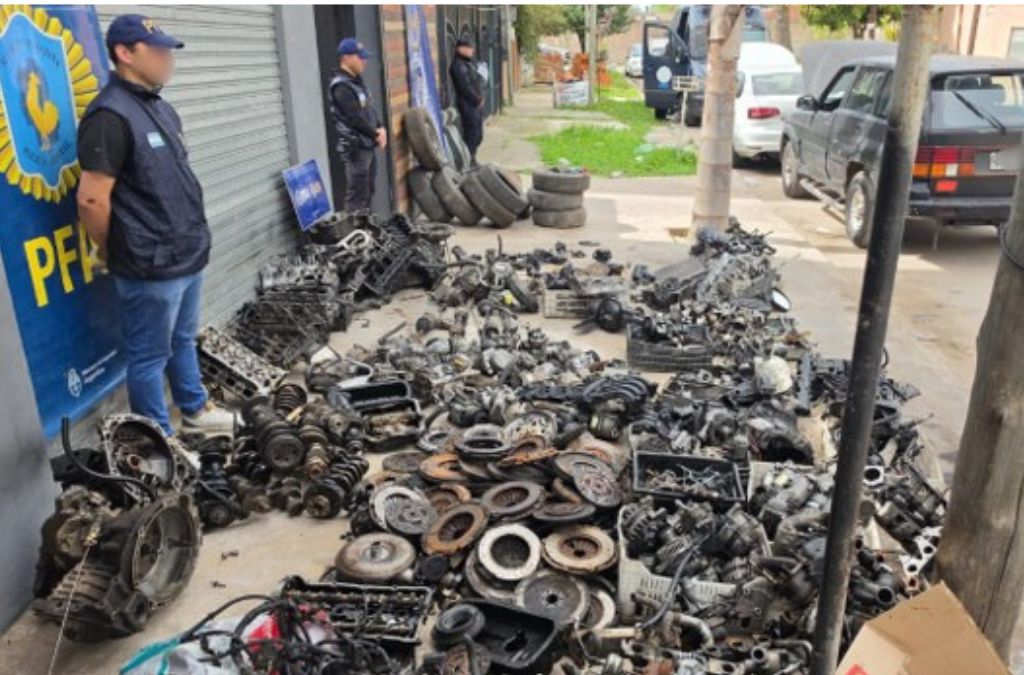
In Argentina, almost 360 vehicle components, including gearboxes, brake discs and engine blocks were seized, causing a significant impact on illicit spare parts trading in the country.
Police in Nicaragua dismantled a group that stole rented motorcycles by drawing up falsified deeds of sale bearing forged owner signatures. The motorcycles were then pawned or resold.
Significant cases also highlighted vehicle crime as a critical enabler of a wide range of transnational criminal activities. In Germany, authorities intercepted a vehicle bearing stolen license plates. A search of the vehicle, its driver and one passenger led to the seizure of an inflatable boat and a stolen boat motor. Analysis of the driver’s phone revealed that the individuals were involved in a migrant smuggling network. The suspects were detained.
Venezuelan authorities seized dozens of vehicles with links to other violent and serious crimes, some in relation to drug, robbery and homicide investigations. While in Côte d’Ivoire the operational activities led to two arrests and the seizure of drugs, illicit medicine, money and stolen assets.
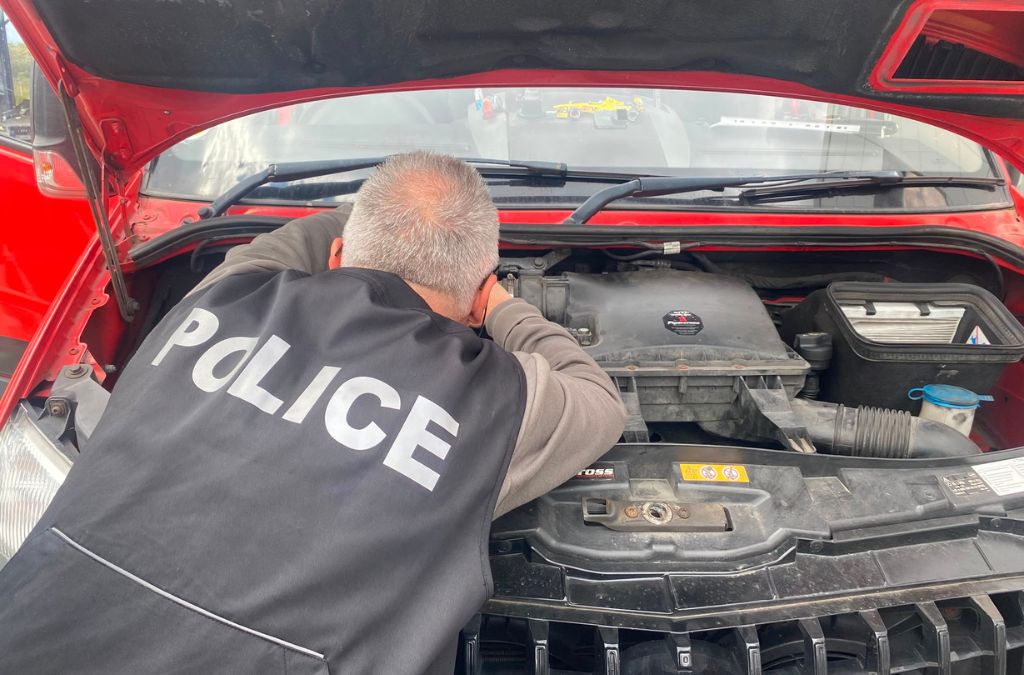
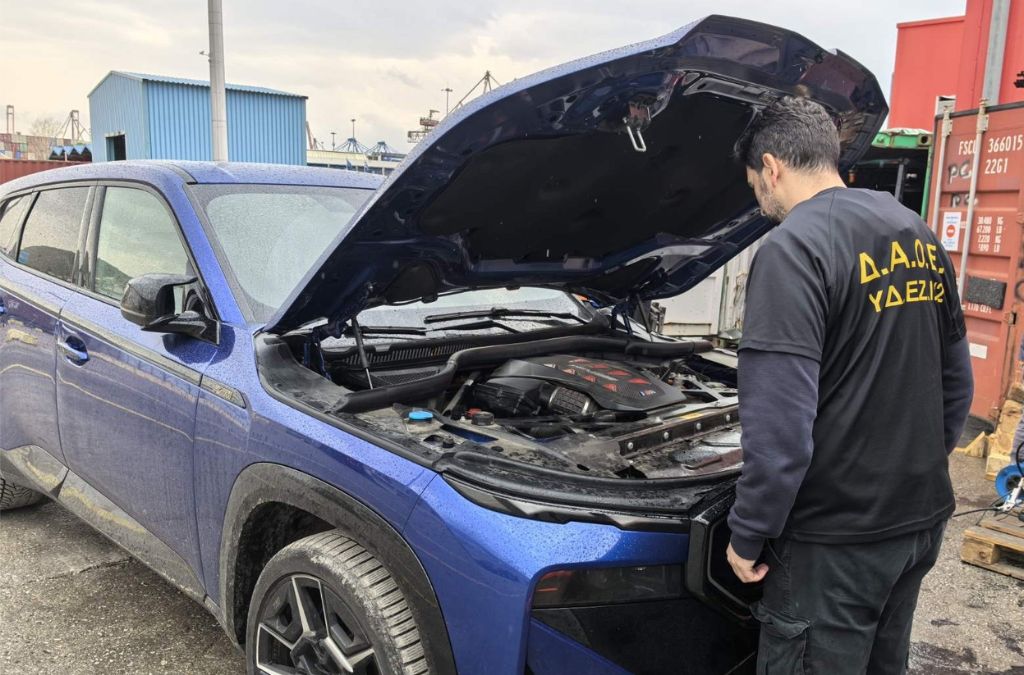
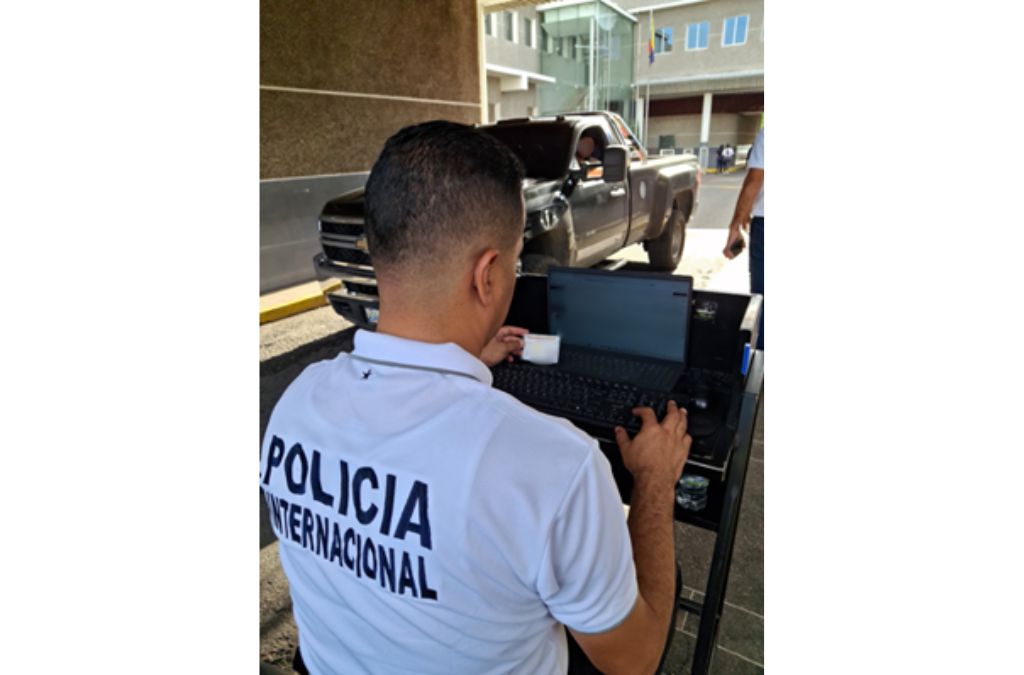
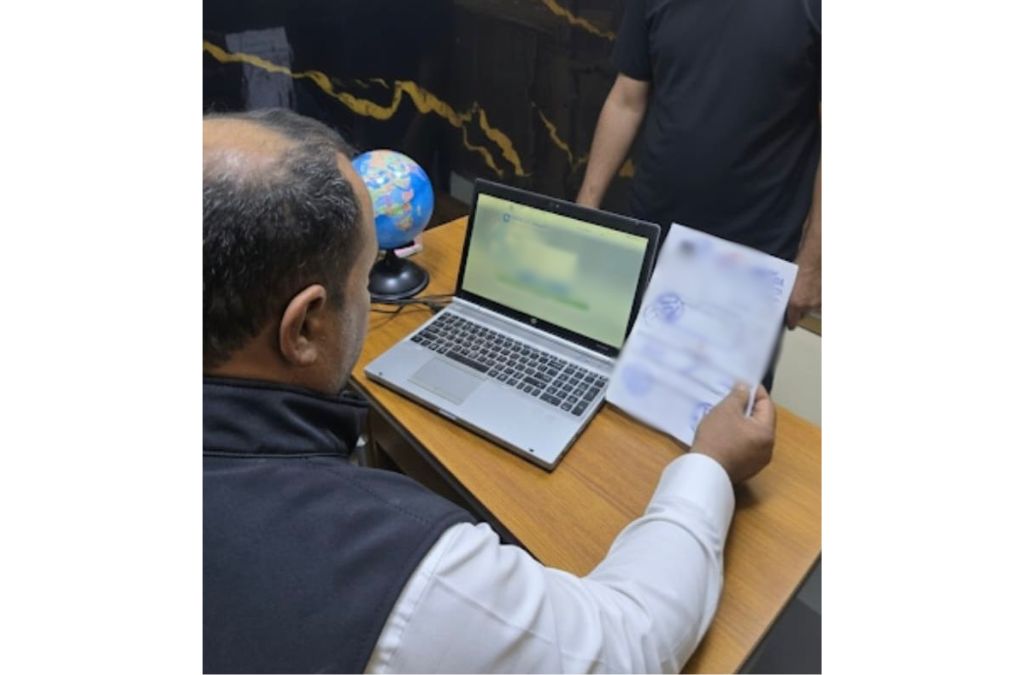
During the action days, two Operational Coordination Units (OCU) were established: one at the INTERPOL Regional Bureau in Buenos Aires, and one at the Joint Action Days (JAD) Mobile 9 Coordination Centre, at the Frontex Headquarters in Warsaw. These OCUs allowed INTERPOL officers to provide continuous support, including real-time monitoring and the facilitation of intelligence sharing between countries.
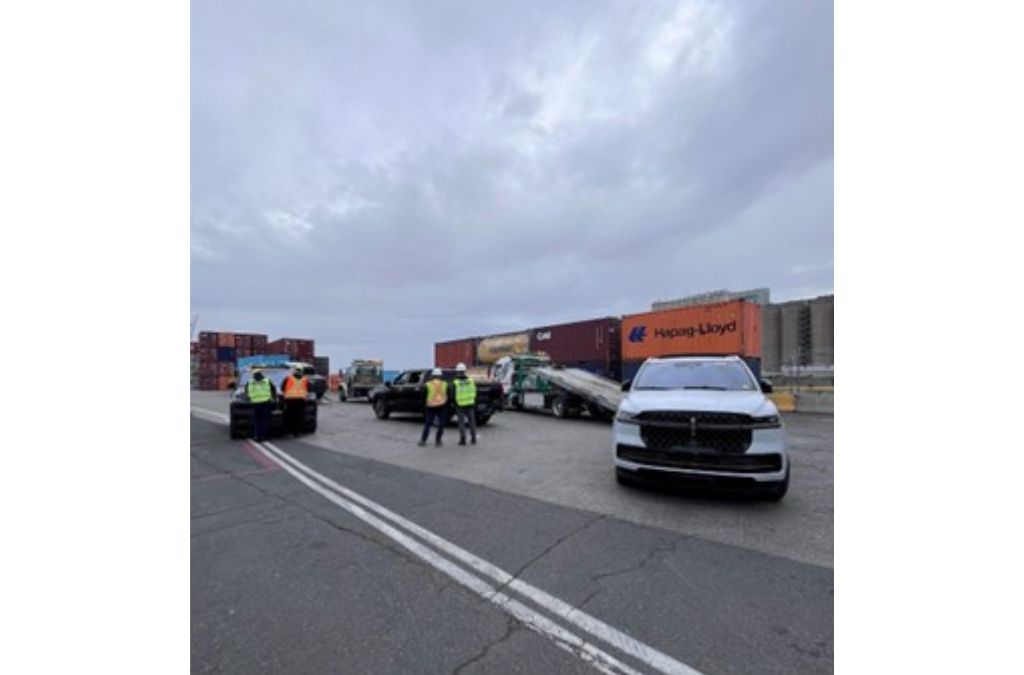
GPS data and intelligence received at the OCU directly led to the location and seizure of several vehicles. In Mauritania, officers seized a stolen French Toyota, while two cars stolen from Portugal were recovered by Senegalese and Nigerian authorities. In Bolivia, a stolen Argentinian car was tracked live and seized by local authorities, and thanks to intelligence provided by Canadian customs authorities on suspicious containers, two high-end vehicles stolen from Canada were intercepted as they transited the Port of Tangiers.
Frontex’s parallel operation, JAD Mobile 9, resulted in a further 710 vehicles seized and 334 arrests in Europe. Working in synergy with INTERPOL’s Operation CARBACK II, the two initiatives were able to amplify operational impact.
Notes to Editors
Operation Carback II was funded by the Government of Canada through Project Drive Out.
Participating countries: Albania, Argentina, Australia, Austria, Bahamas, Bosnia Herzegovina, Bolivia, Botswana, Brazil, Bulgaria, Burkina Faso, Cameroon, Canada, Chile, Colombia, Costa Rica, Côte d'Ivoire, Ecuador, El Salvador, Germany, Ghana, Greece, Guatemala, Honduras, Iraq, Italy, Jordan, Kenya, Lebanon, Lithuania, Mauretania, Mexico, Mongolia, Morocco, Namibia, Netherlands, Nicaragua, Niger, Nigeria, North Macedonia, Palestine, Panama, Paraguay, Peru, Philippines, Portugal, Romania, Rwanda, Senegal, Serbia, Slovenia, South Africa, Spain, Sweden, Switzerland, Tanzania, Tunisia, Togo, Türkiye, Uganda, United Arab Emirates, United Kingdom, Uruguay, Venezuela, Zimbabwe.
About INTERPOL
Headquartered in Lyon, France, INTERPOL is the world’s largest international police organization, connecting 196 member countries. It maintains global databases containing police information on criminals and crime, and provides operational and forensic support, analysis services and training. These policing capabilities are delivered worldwide and support four global programmes: financial crime and corruption; counter-terrorism; cybercrime; and organized and emerging crime.
Follow INTERPOL on X, Facebook, Instagram, LinkedIn, Flickr and YouTube
