




LYON, France – A first-of-its-kind operation to disrupt terrorist networks in the digital domain has harnessed artificial intelligence to identify suspected terrorists.
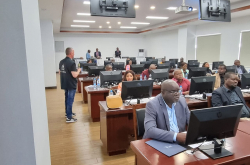
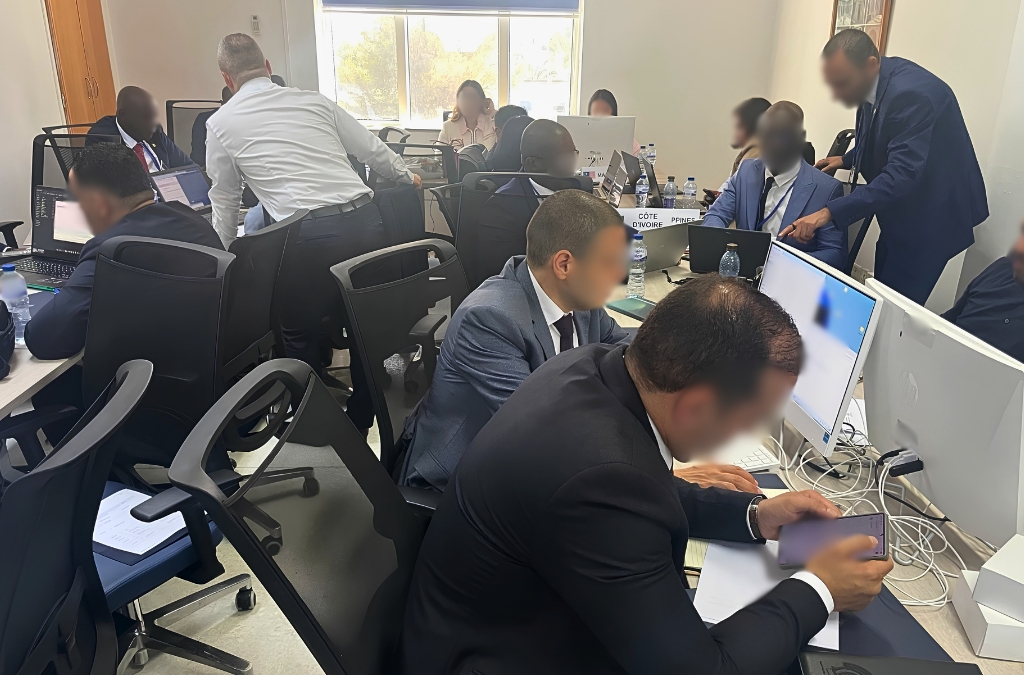
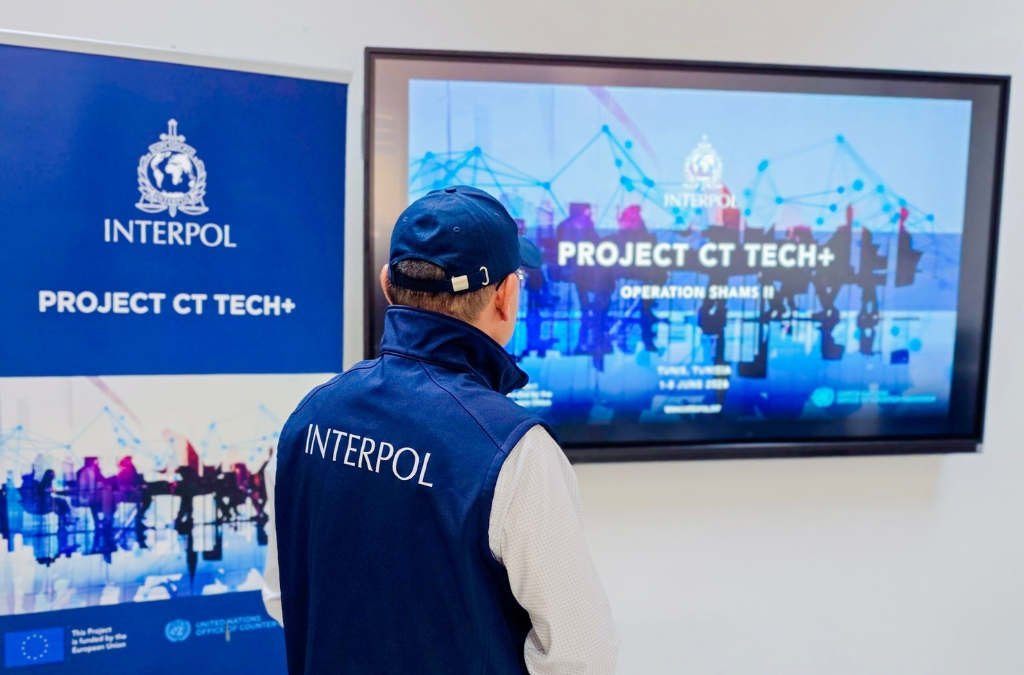
Operation Shams II (1 – 5 June 2026), coordinated by INTERPOL, brought together 28 specialized officers and experts from 11 countries. During the five days of coordinated action, held in Tunis, Tunisia, law enforcement officers extracted 108,076 facial images from visual content published by jihadist groups.
Programmed AI agents and advanced AI-generated scripts were used to automate parts of the data collection and investigative processes, enabling the system to deduplicate and quality-check the images. This narrowed the dataset to 6,362 unique, high-quality facial images ready for processing through INTERPOL’s Facial Recognition System. AI-generated output was subject to review and verification by trained officers and analysts, in accordance with INTERPOL's Rules on the Processing of Data.
In addition to the images obtained from online platforms, officers from INTERPOL’s National Central Bureau in Baghdad, Iraq, provided a large intelligence dataset related to terrorism suspects, adding hundreds more images for extraction and processing.
To date, 126 Foreign Terrorist Fighters have been identified from the images processed during Operation Shams II. These matches will enrich existing intelligence on suspects, including potential locations and social networks. The data is now being integrated into INTERPOL’s databases, reinforcing global efforts to detect, track and disrupt terrorist movements worldwide.
Investigative leads identified during the operation are already being used to support judicial procedures in participating countries, including one case targeting two currently detained suspected Foreign Terrorist Fighters suspects. With thousands more images yet to be processed, further comparisons are ongoing and may identify additional leads.
Operation Shams II also employed cutting edge cryptocurrency tools to trace illicit funding. This led to three urgent requests to a Virtual Asset Service Provider to disclose customer data, aimed at disrupting terrorist financing flows.
Beyond investigative activities, participating countries also met with representatives of the online gaming industry to address youth radicalization in online environments. The engagement strengthened cross-sector cooperation and identified opportunities to improve information sharing.
María Carmen Muñoz González, INTERPOL’s Director of Counter-Terrorism, said:
“The success of Operation Shams II demonstrates the value of combining international law enforcement cooperation with responsible AI-assisted analytical capabilities. The operational model provides a strong foundation for supporting future international law enforcement cooperation targeting criminal actors around the world.”
Notes to Editors
Operation Shams II was carried out under the CT TECH+ Project funded by the European Union’s Foreign Policy Instruments and supported by the United Nations Office of Counter-Terrorism (UNOCT).
Participating countries: Cote d’Ivoire, Ghana, Iraq, Kenya, Malaysia, Nigeria, Philippines, Qatar, Tajikistan, Tunisia, Uzbekistan
See also
Related news
Global experts warn of evolving chemical security threats
1 October 2026
Counter-terrorism operation nets eight Red Notice suspects
16 September 2026