





Environmental crime has a devastating impact on climate, biodiversity, local habitats and the communities that rely on them. A multidimensional challenge that also impacts security, the rule of law and economic resilience, it requires a multidimensional partnership response.
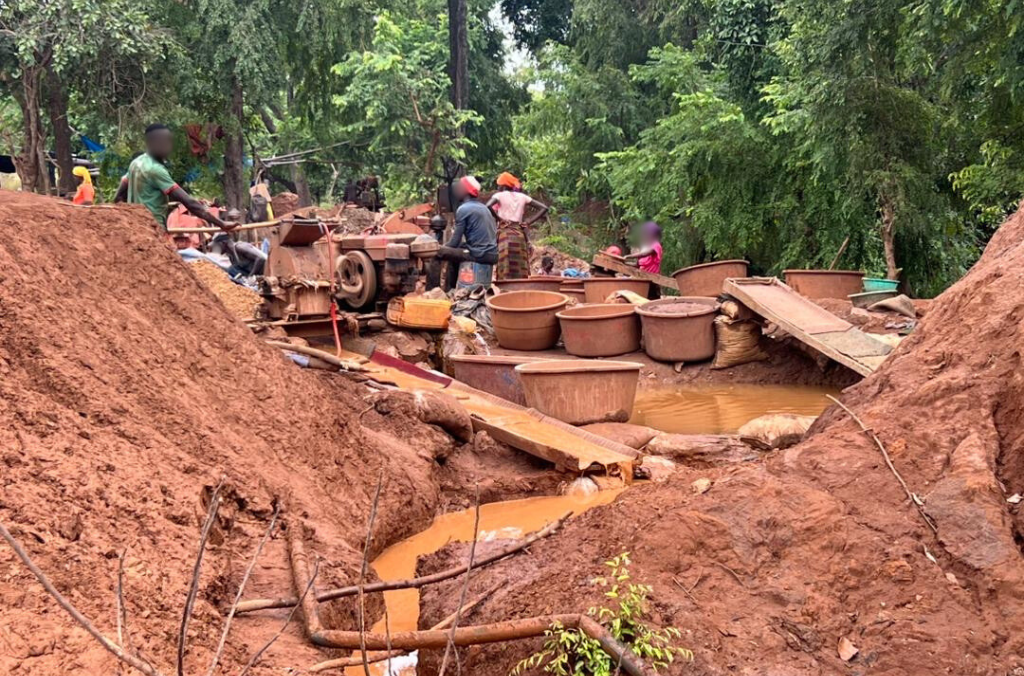
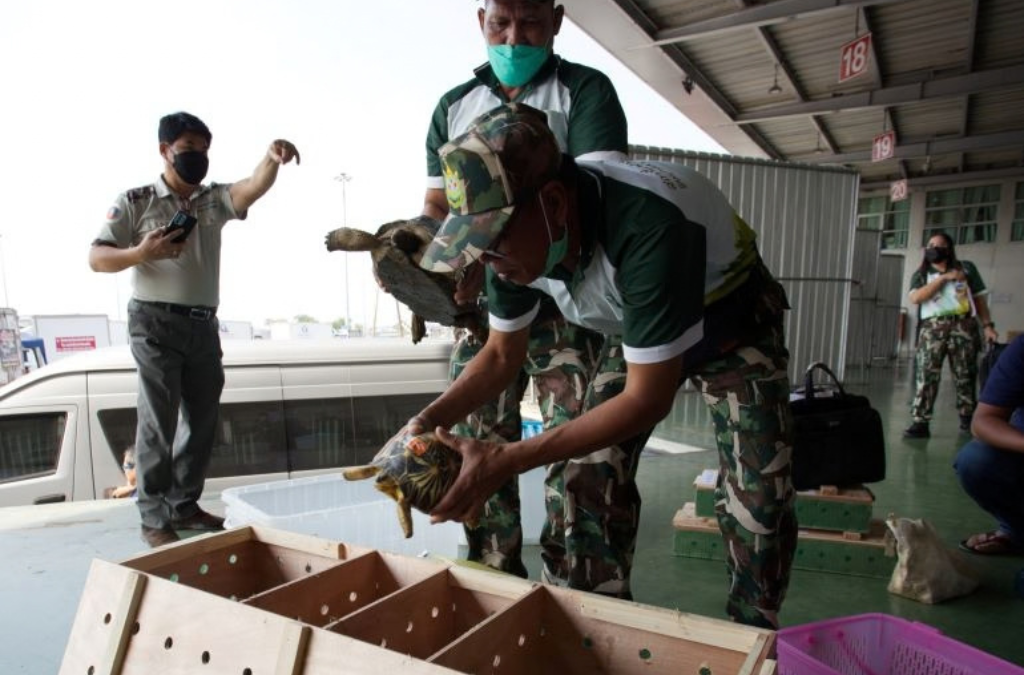
From wildlife trafficking and illegal logging to illegal mining, pollution crime and fisheries-related crime, criminal networks exploit natural resources for profit, often operating across multiple countries and continents. Environmental crime is often linked to corruption, fraud, money laundering, drug trafficking and other serious offences and is now one of the most profitable forms of criminal activity, estimated to generate up to USD 258 billion annually.
Targeting criminal networks
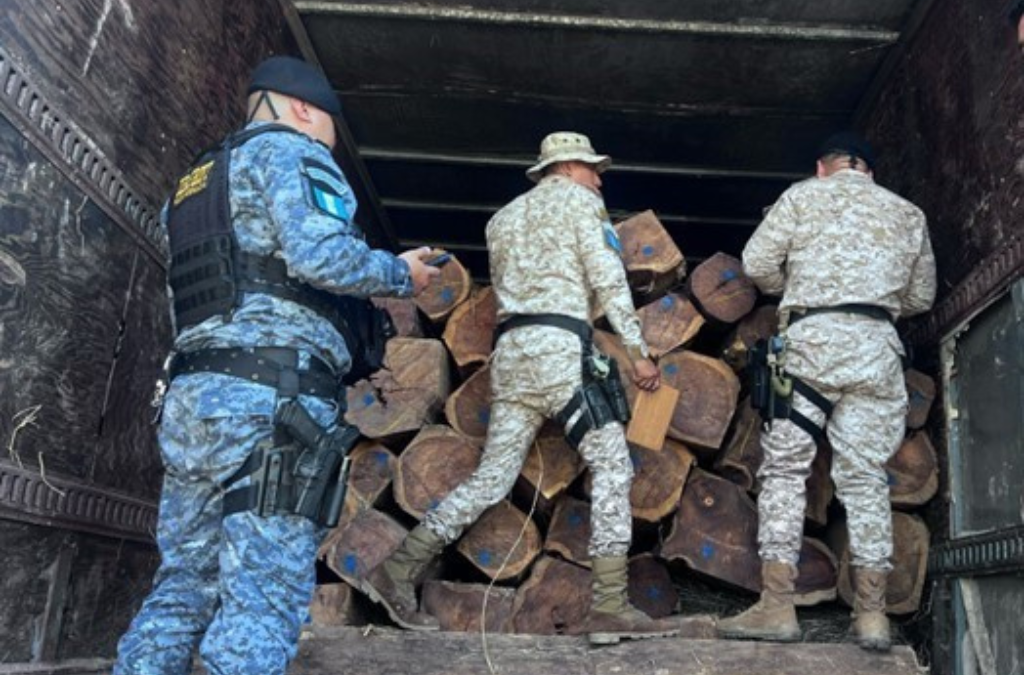
INTERPOL’s specialist teams work closely with both colleagues in member countries and external partners to identify, track, disrupt and dismantle the networks involved in environmental crime and their complex transnational supply chains. Among the initiatives underpinning that work is Gaia, a multi-year project that strengthens law enforcement agencies in countries that are particularly affected by environmental crime, improves data and intelligence sharing and supports joint operations.
Operational success
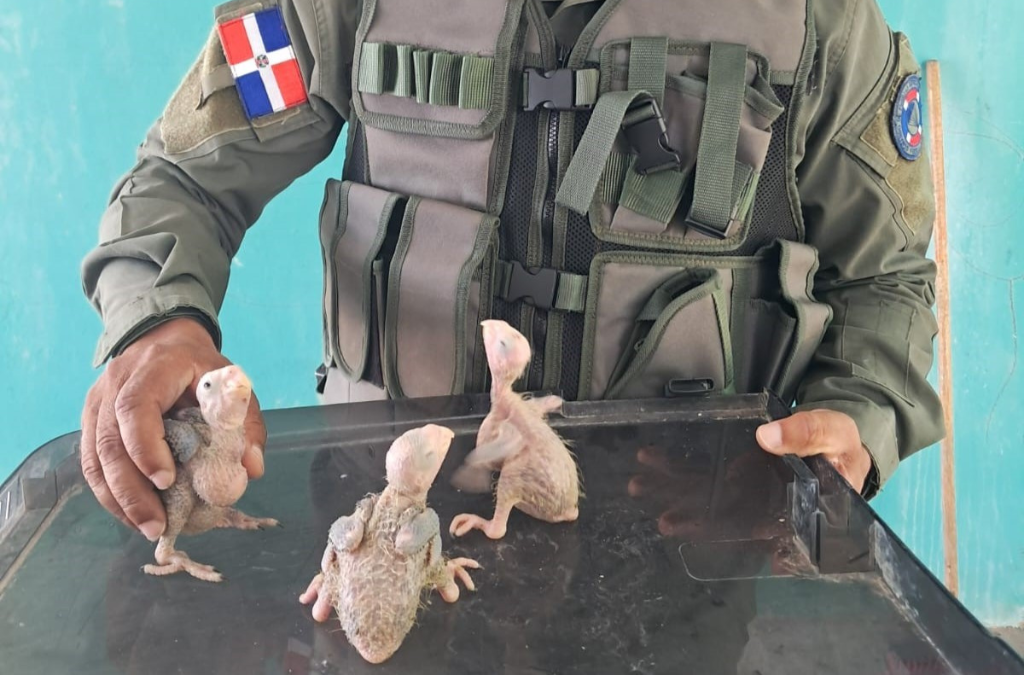
In 2025, the project’s flagship operation, Madre Tierra VII, brought together law enforcement agencies from nine Latin America countries, coordinated by INTERPOL. The operation led to over 200 arrests and identified 15 transnational cases of environmental crime, as well as multiple trafficking routes to Europe and Asia. In the project’s first year as a whole, Gaia’s partner countries in Asia, Africa and Latin America reported more than 500 investigations and identified 262 criminal entities, as well as trafficking routes, hotspots and criminal modus operandi, demonstrating the value of coordinated regional action.
International support
Project Gaia receives support from Germany’s Federal Ministry for the Environment, Climate Action, Nature Conservation and Nuclear Safety (BMUKN) through its International Climate Initiative, which pledged an additional USD 1.5 million earlier this year. “Cross-border environmental crime is not a peripheral issue, but a highly profitable criminal business model. Those who illegally harvest timber, exploit raw materials or illegally dispose of waste are not only destroying the natural foundations of life on Earth, but also undermining government institutions and fuelling regional conflicts,” says Federal Environment Minister Carsten Schneider. “When primeval forests, for example, are destroyed, they can no longer act as the effective climate guardians we depend on,” he continues. “Local communities are the first to feel the direct impacts: when water bodies are overfished, drinking water is poisoned by illegally dumped chemicals and soil is rendered unusable b