





Each year, INTERPOL and our member countries mark the International Days of Police Cooperation in September and Remembrance for Fallen Officers in March. This September, police forces on every continent showed their communities how they work together across borders, while in March, iconic landmarks and police institutions lit up in blue as the sun set across the globe.
Being the voice of global law enforcement means bringing the world’s attention to the threats, trends and challenges in transnational organized crime. It means leading the drive to combat those crimes and advocating for political support and sufficient resources. It also means fostering cooperation between law enforcement agencies across the world and recognizing the men and women who serve their communities, often at great personal risk.
The impact of international police cooperation
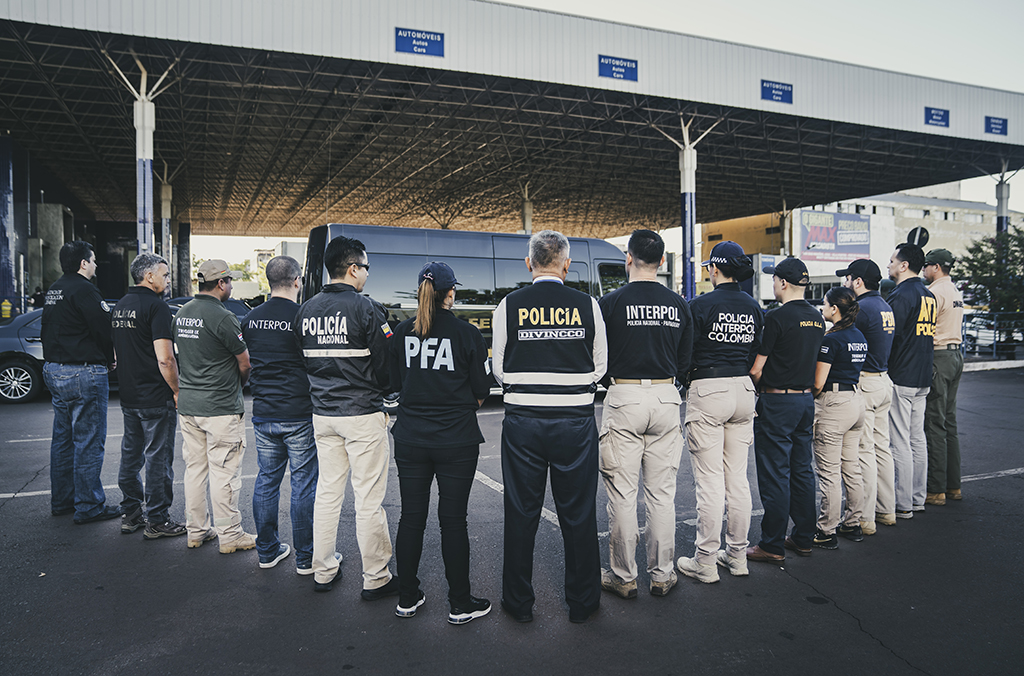
In 2022, the United Nations recognized INTERPOL’s role in bringing together the world’s police forces against crime by designating 7 September, the date when our organization was founded in 1923, as its International Day of Police Cooperation. INTERPOL has marked that date every year since and, in 2026, we invited member countries to mark the day together as a global law enforcement community. The invitation was taken up by police forces on all continents, mainly on social media, with posts showcasing the concrete results of their cooperation on the everyday lives of the communities they serve, as well as the people and partnerships behind it.
Lighting the world in blue
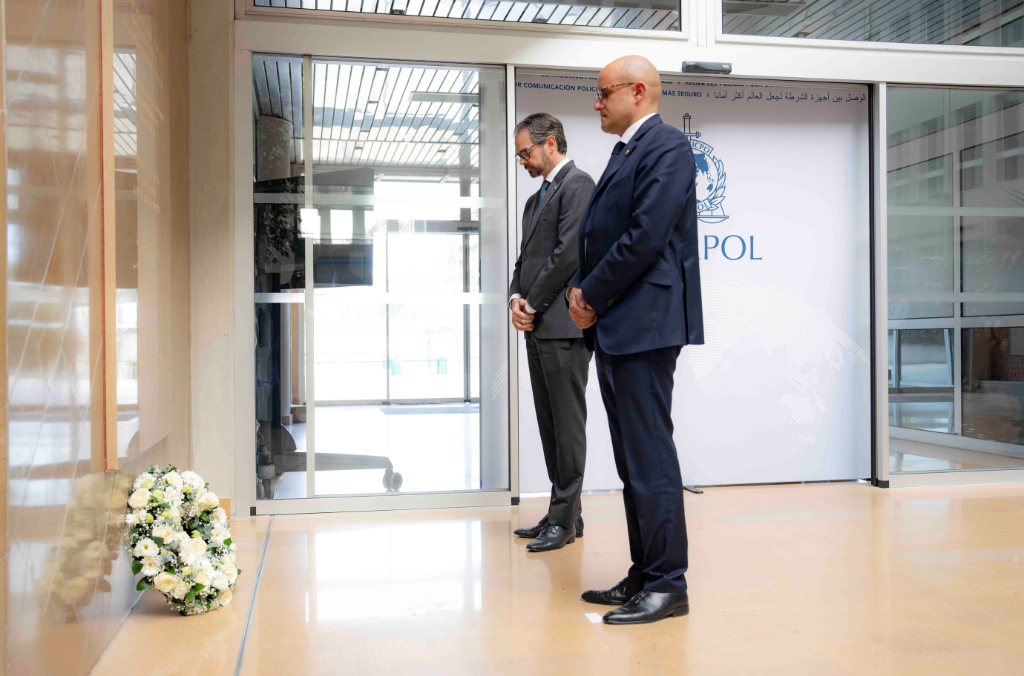
Every 7 March, INTERPOL and our member countries also mark the International Day of Remembrance for Fallen Officers, which was established in 2019. Until recently, most countries had marked the date with a national homage, but this year, in a global first, police forces worldwide lit up iconic landmarks and police buildings in a powerful show of solidarity and commemoration.
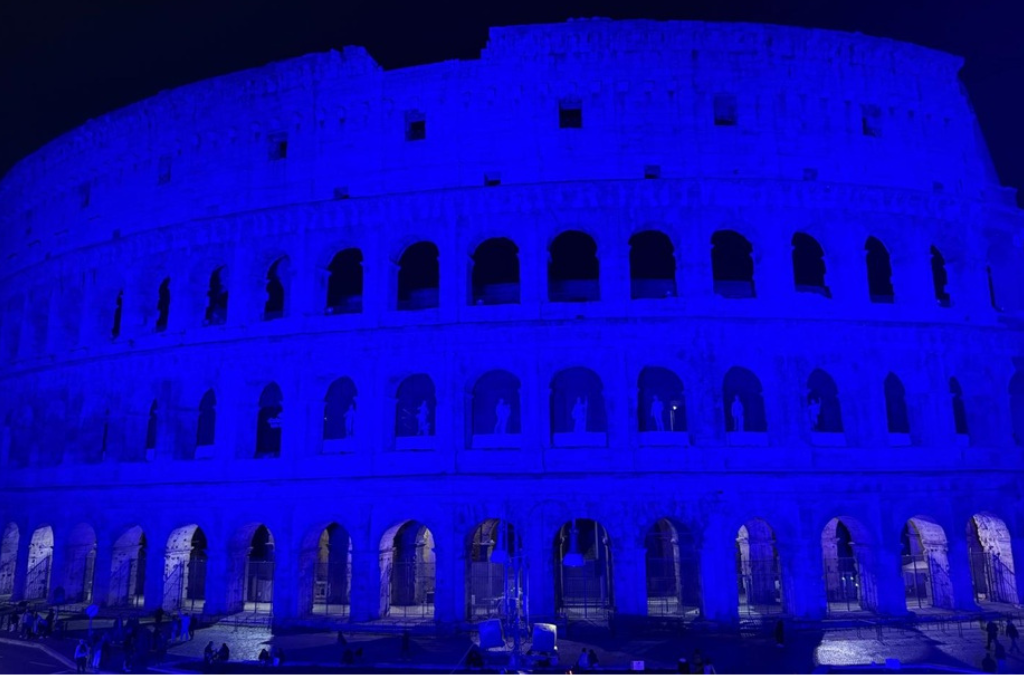
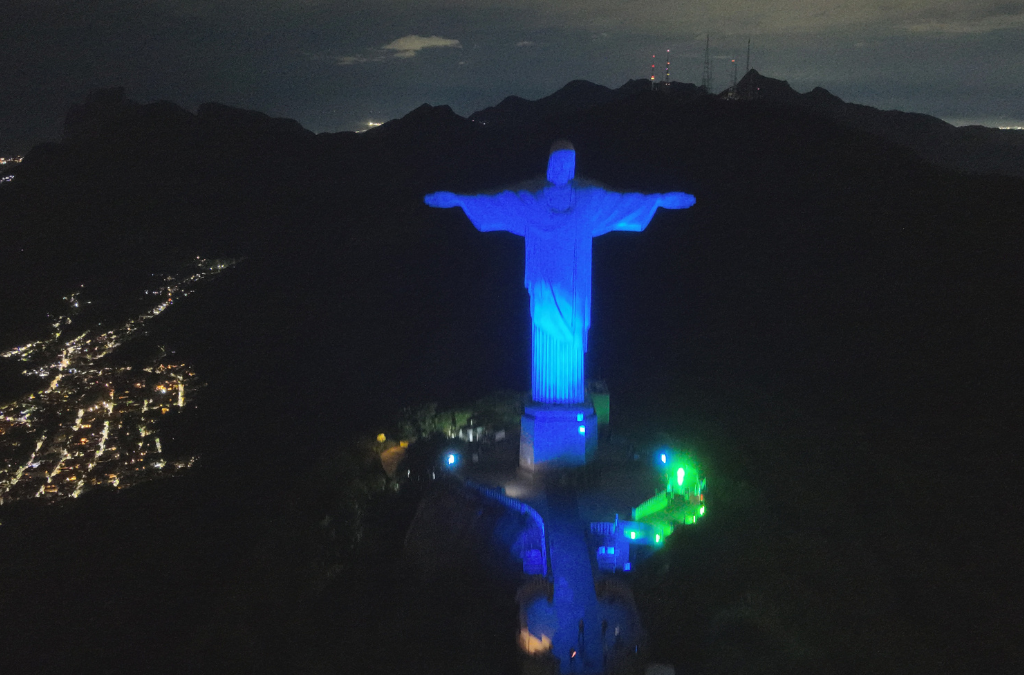
The global blue salute began in Auckland, New Zealand, where the 328-meter-high Sky Tower turned blue. It was followed by over forty other national monuments as night fell across the world, including the Treasury in Petra, Jordan, the Colosseum in Rome, Italy, and the statue of Christ the Redeemer in Rio de Janeiro, Brazil. More than 100 police buildings, from local stations to national headquarters, memorial sites and ministries, as well as INTERPOL headquarters buildings in Lyon, France, and Singapore also shone blue lights into the night sky.
A global law enforcement community
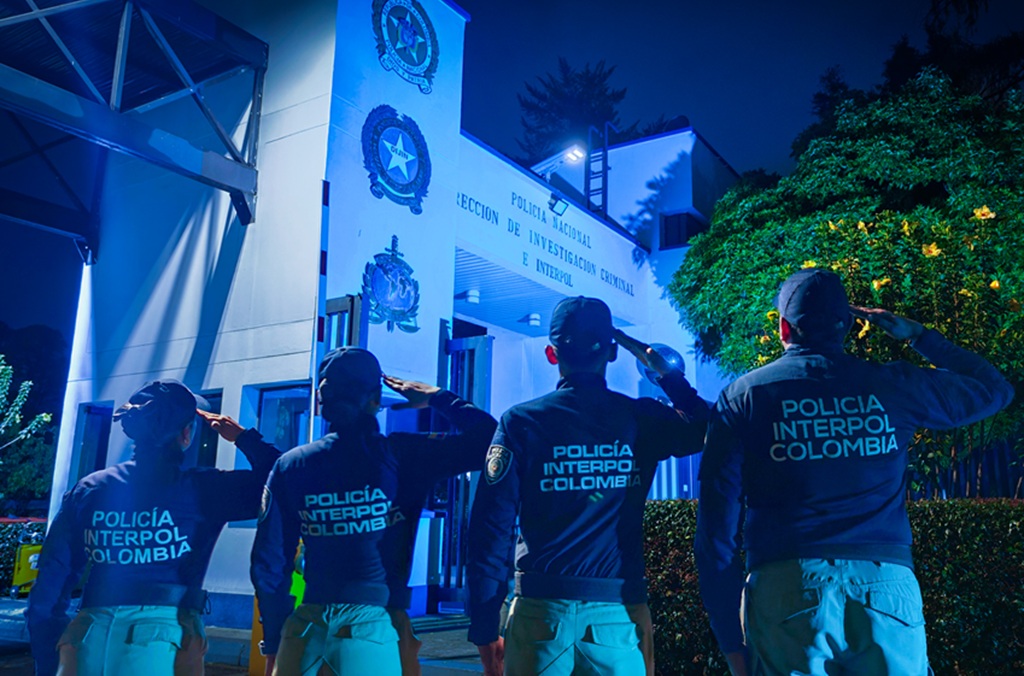
“The idea of a global blue salute resonated with colleagues everywhere because the salute is one of the strongest symbols of respect in policing. It was a rare occasion for them to pause and share their emotion in recognition of the officers that didn’t make it home,” says Alison Keene, INTERPOL Communications Officer. “The significance of both International Days is that police forces across the world chose to stand together recognize the vital role police forces and officers play in communities around the world. Colleagues in many of our member countries have expressed how bringing police from across the world together has given them a real sense that they are all part of a wider law enforcement community.”
"Police forces across the world chose to stand together to mark both International Days,” says Alison Keene, INTERPOL Communications Officer. “On 7 March, as night moved across the globe, officers who had never met joined the same blue salute: a single act of respect for their fallen colleagues that cut across both borders and ranks. On 7 September, that same global community stood together for a different reason,” she continues. “They showed their communities what they and their colleagues in other countries can achieve together and put the spotlight on the people behind the uniforms who make it happen.”