





Always looking to stay ahead of the law, criminals constantly invent new ways to smuggle, swindle, corrupt or conceal. INTERPOL Purple Notices warn police across the world to be on the lookout for these new criminal modus operandi – from making 3D printed bombs to faking pregnancy or finding new ways to transport illegally traded insects.
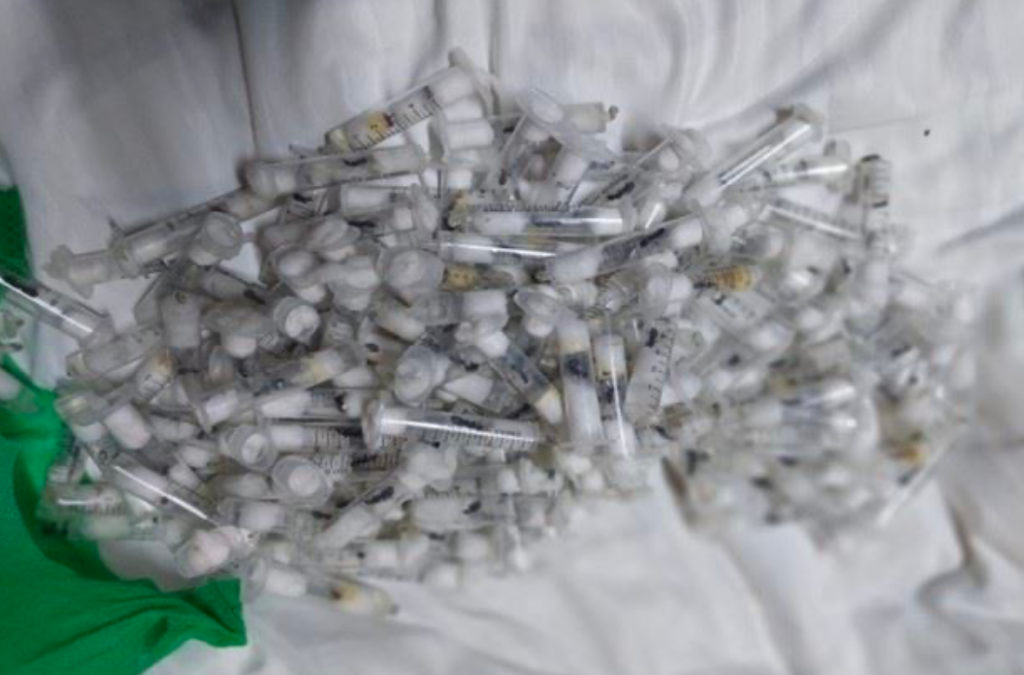
Messor cephalotes is the world’s largest known species of harvester ant. Native to Ethiopia, Kenya and Tanzania, Giant African Harvester queens can measure up to 25 mm and workers up to 19 mm. All are popular with collectors for their size, distinctive red and black markings and ability to create complex colonies, including in captivity. In April 2025, Kenyan police, accompanied by inspectors from the Kenya Wildlife Service, arrested two suspects who were discovered in a hotel room in Naivasha, near the Kenyan capital Nairobi, with luggage containing over 5,000 live messor cephalotes ants. The insects were concealed in cotton wool inside a total of 2,244 plastic test tubes and syringes, designed to keep them alive for up to two months while avoiding detection by airport security systems. At the request of the Kenyan authorities, INTERPOL published a Purple Notice to alert global law enforcement about this new modus operandi and its potential impact on the environment. “This case highlights a recent rise in illegal trading of both ants and insects in general,” says Adrian Sanchez Romero, Senior Operations Coordinator with INTERPOL’s Environmental Security unit. “Insects play a vital ecological role. Their removal destabilizes food chains and introduces invasive species or diseases, posing serious biosecurity and public health risks”.
A pregnancy bump packed with cocaine
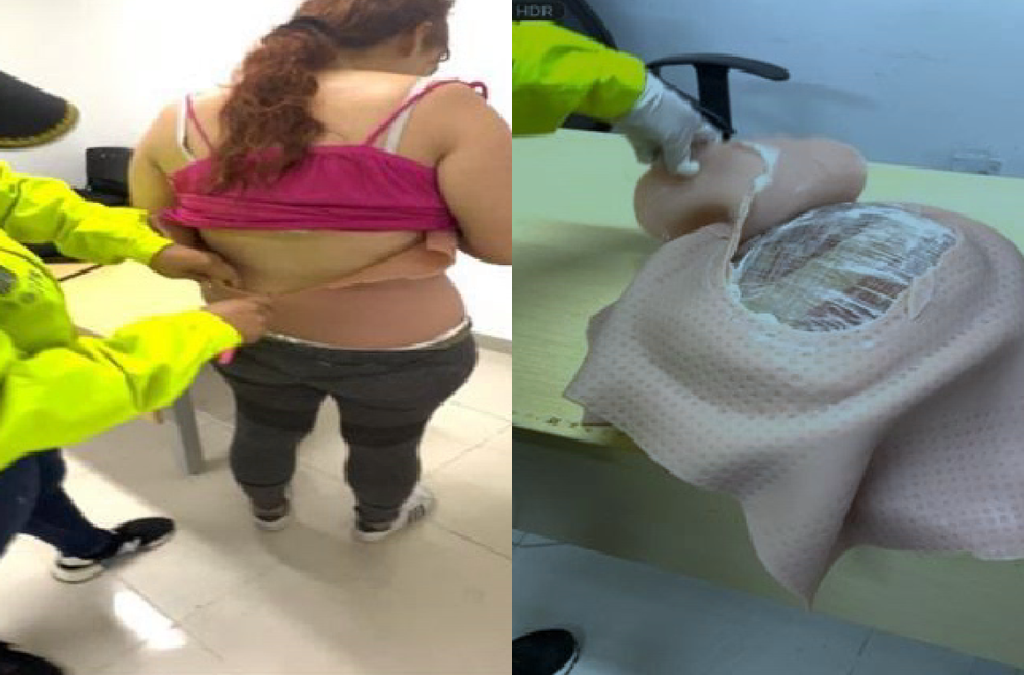
Police combatting drug trafficking are also constantly on the lookout for criminals using novel ways of concealing narcotics. In one recent case leading to the publication of a Purple Notice, officers in the Colombian city of Cali detained a female passenger on a public bus heading to the capital, Bogotá. Apparently heavily pregnant, the woman was in fact wearing a prominent fake latex belly, which contained 5,600 doses of cocaine. Colombia requested publication of a Purple Notice after its investigation revealed that drug trafficking networks had begun purchasing these disguises abroad, replacing the padding with illicit drugs and contacting drug mules who transport them to different regions of the country. “Purple Notices are a highly effective law enforcement tool,” says Lieutenant Colonel Gonzalo Andrés Córdoba Camacho, Head of INTERPOL in Colombia. “As well as alerting our colleagues across the globe, we regularly release simplified versions to the general public here in Colombia, keeping them informed of new criminal tactics and what we are doing to fight them.”
An explosive new use for 3D printing
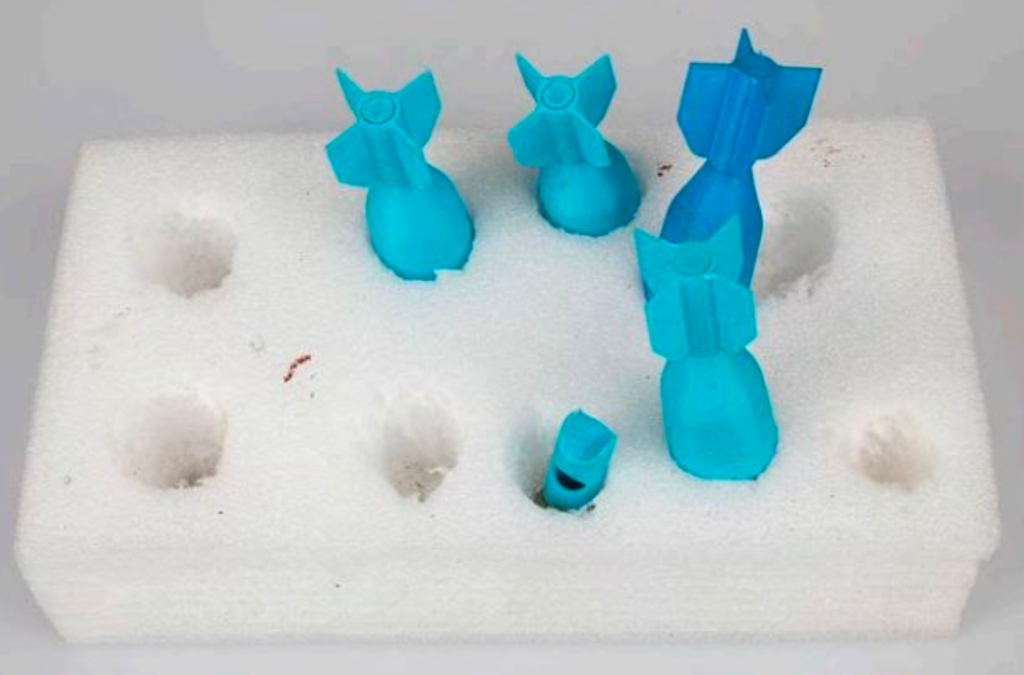
As well as highlighting the inventive methods used by criminals to steal or smuggle illegal or protected goods, Purple Notices document how they use technology to enable or commit crimes – from new types of cryptocurrency fraud to novel chemicals used to synthesize drugs or the interception of satellite systems to fix sporting events. Firearms crime is no exception and, in November 2025, New Zealand police asked for a Purple Notice after seizing 3D printed bomblets at an address in a city near the capital, Wellington. The bomblets contained metal fragments, indicating that they were likely intended to disperse shrapnel on explosion. Although criminal use of 3D printed guns has become increasingly common (3D printed firearms, parts and accessories were also recovered at the scene), use of the technology to make bomblets is new and reflects the growing deployment of drones for both criminal and military ends. “We believe this is the first incident involving 3D printed bomblets of a type that can be fitted to drones, complete with all the components needed for detonation,” says Serge Epouhé, Criminal Intelligence Analyst with INTERPOL’s Firearms unit. “With both drones and 3D printing becoming increasingly accessible and easy to use, it was essential to warn police forces across the globe of a phenomenon that can only get bigger”.
INTERPOL receives requests to publish Purple Notices from across the world on a regular basis. At the time of publication, 25 Purple Notices had already been published in 2026, while a total of 820 Purple Notices published over the years are still active in the system.