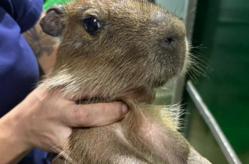





LYON, France — A global operation against the illegal trafficking of wild fauna and flora has led to the seizure of nearly 30,000 live animals and the identification of 1,100 suspects.
From 15 September – 15 October, law enforcement agencies comprising police, customs, border security and forestry and wildlife authorities from 134 countries made a total of 4,640 seizures during Operation Thunder 2025. This record number of seizures included tens of thousands of protected animals and plants and tens of thousands of cubic metres of illegally logged timber, as well as more than 30 tonnes of species classified as endangered under the Convention on International Trade in Endangered Species of Wild Fauna and Flora (CITES).
Coordinated by INTERPOL and the World Customs Organization (WCO), with the support of the International Consortium on Combating Wildlife Crime (ICCWC), the operation sought to intercept and seize illegally traded wildlife and forestry commodities across the global supply chain and identify, disrupt and dismantle criminal networks involved in these types of environmental crime.
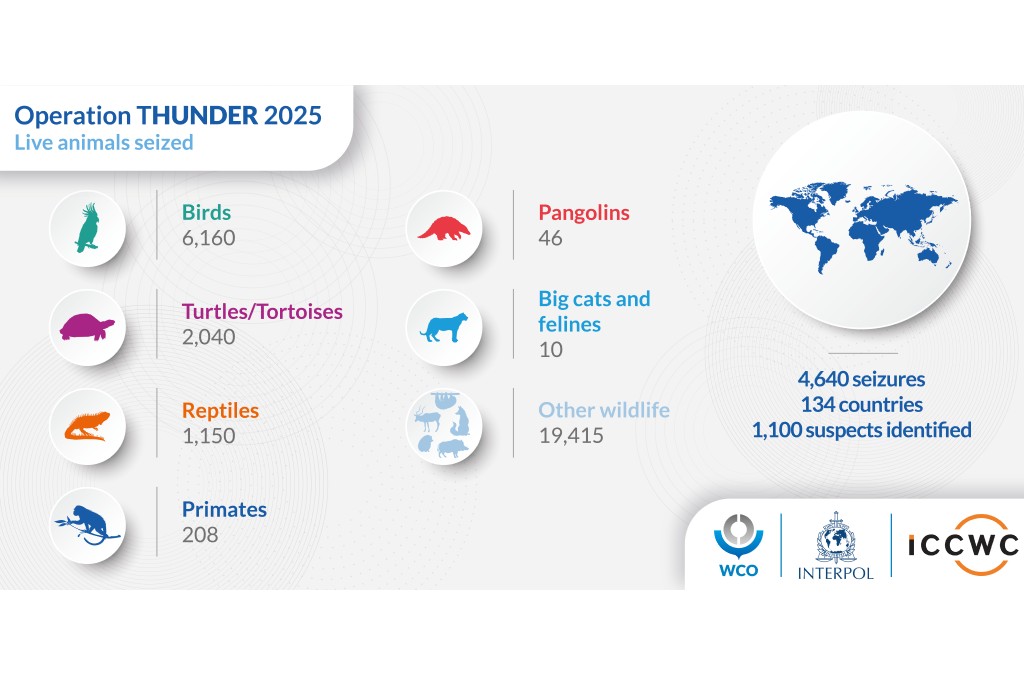
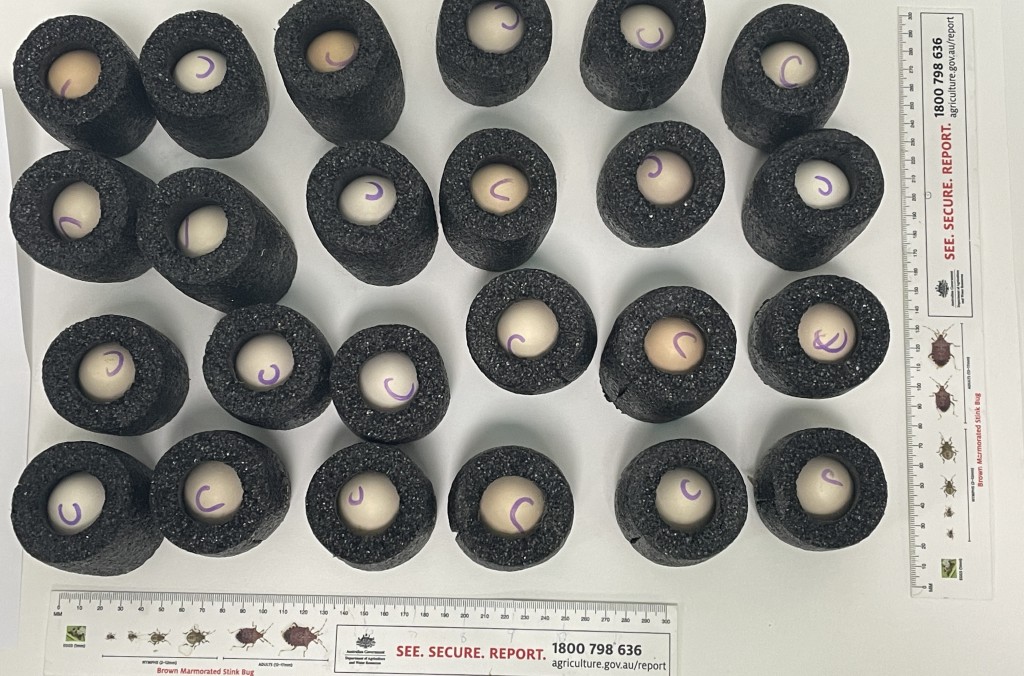
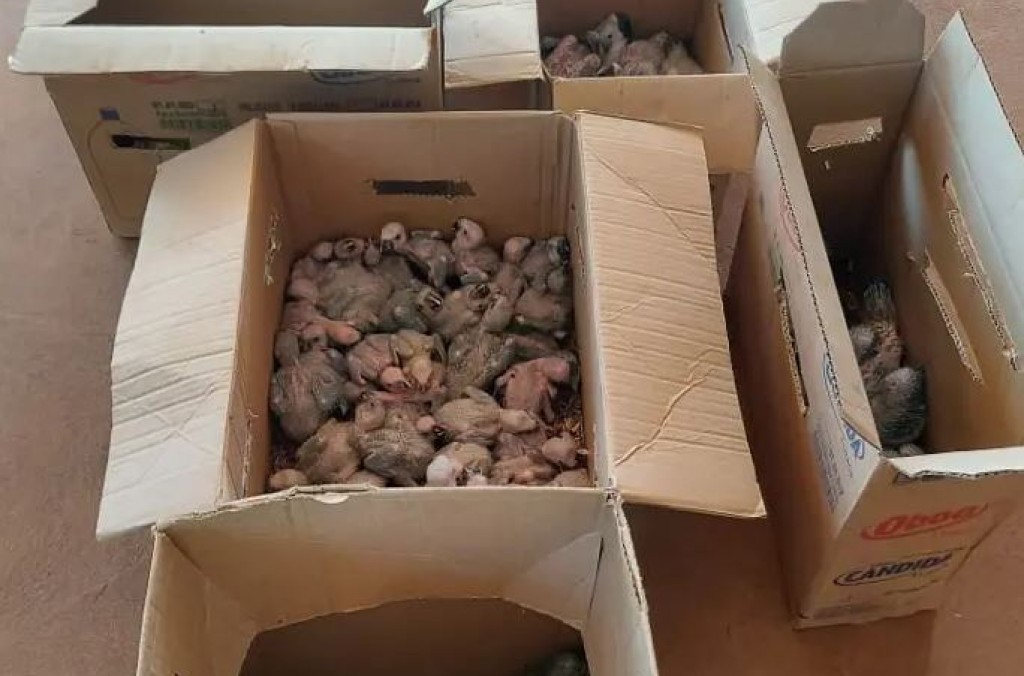
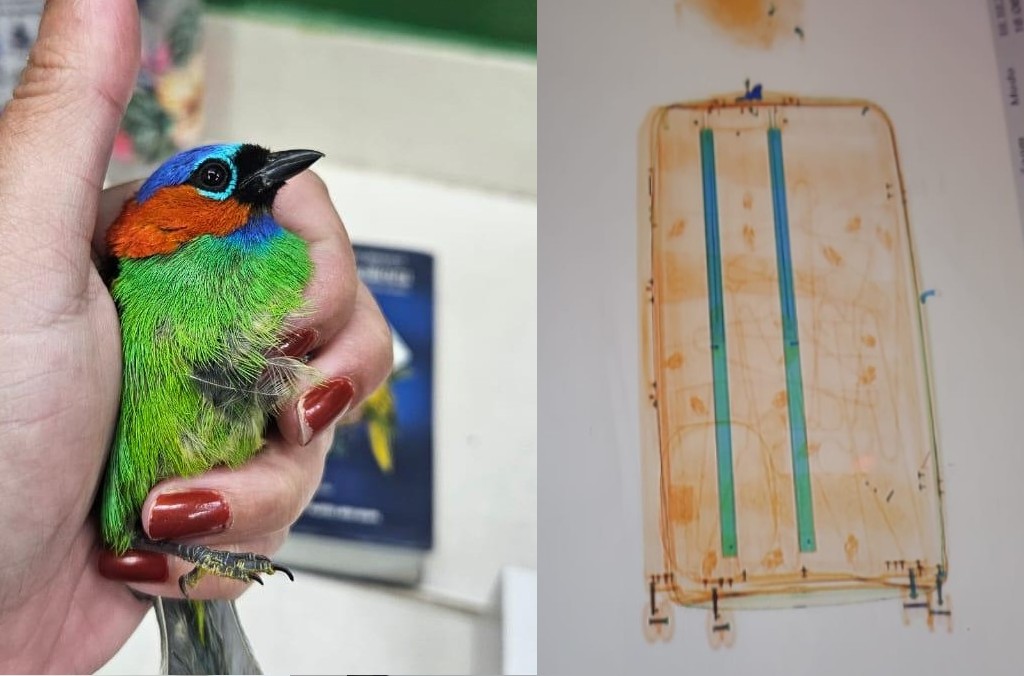
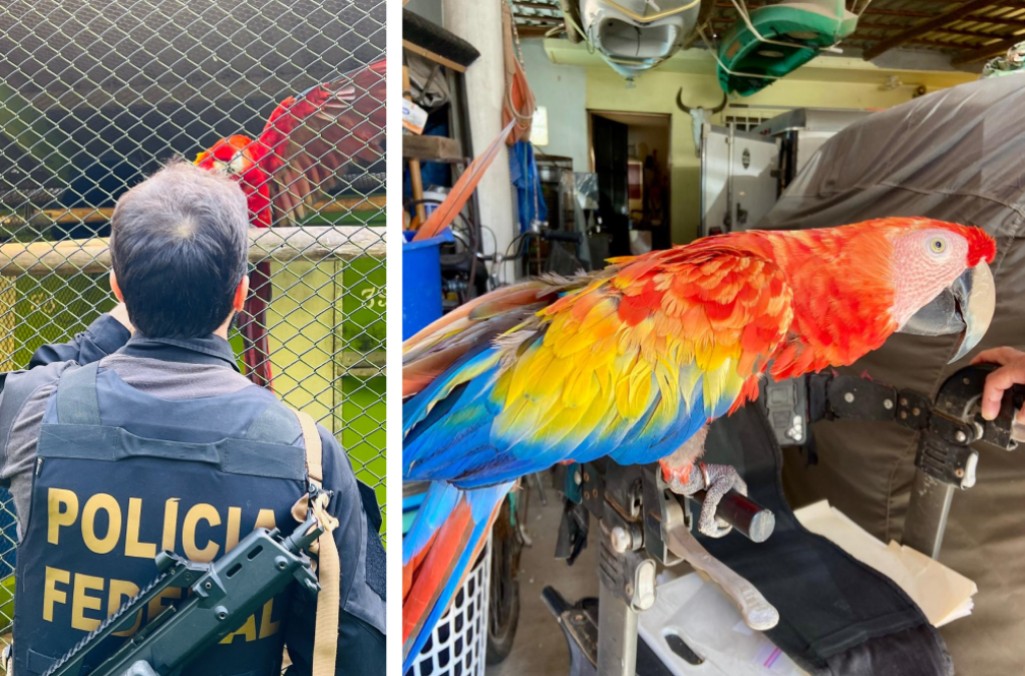
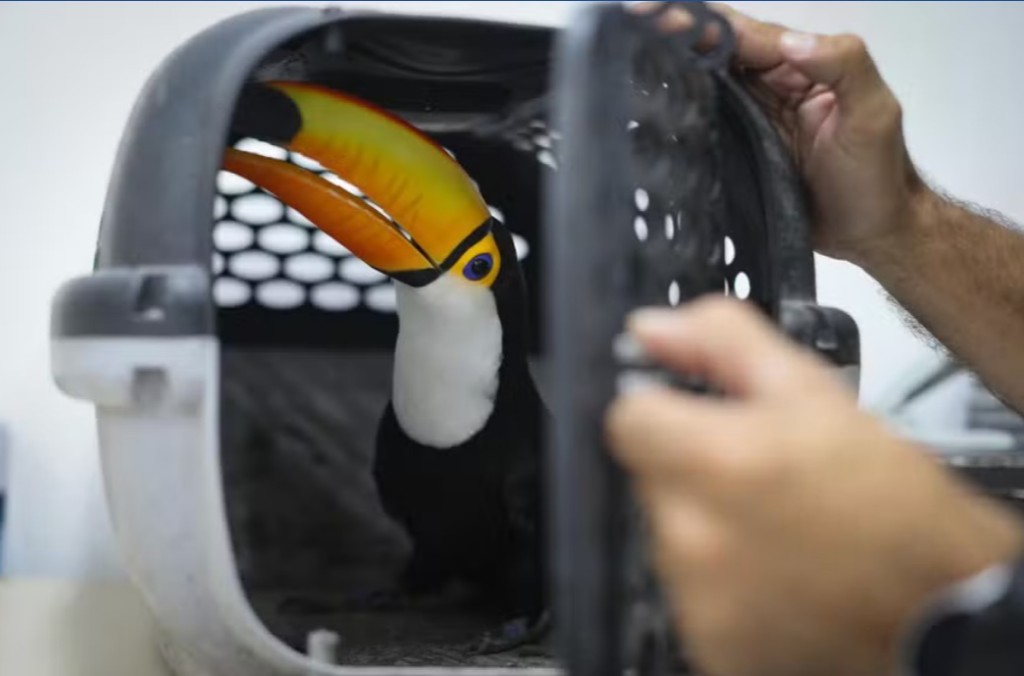
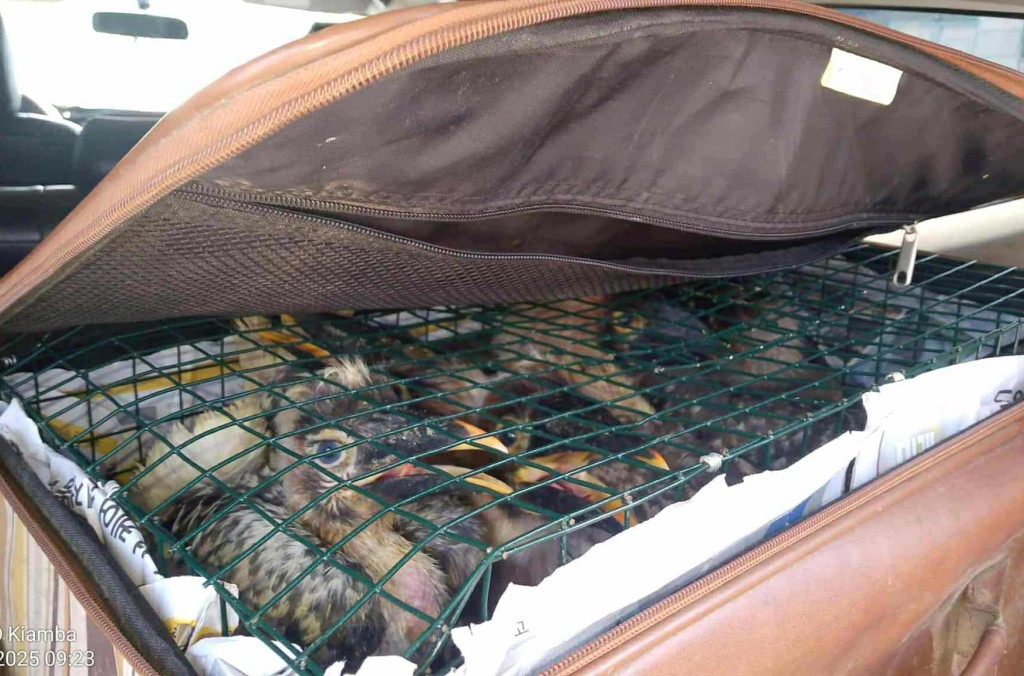
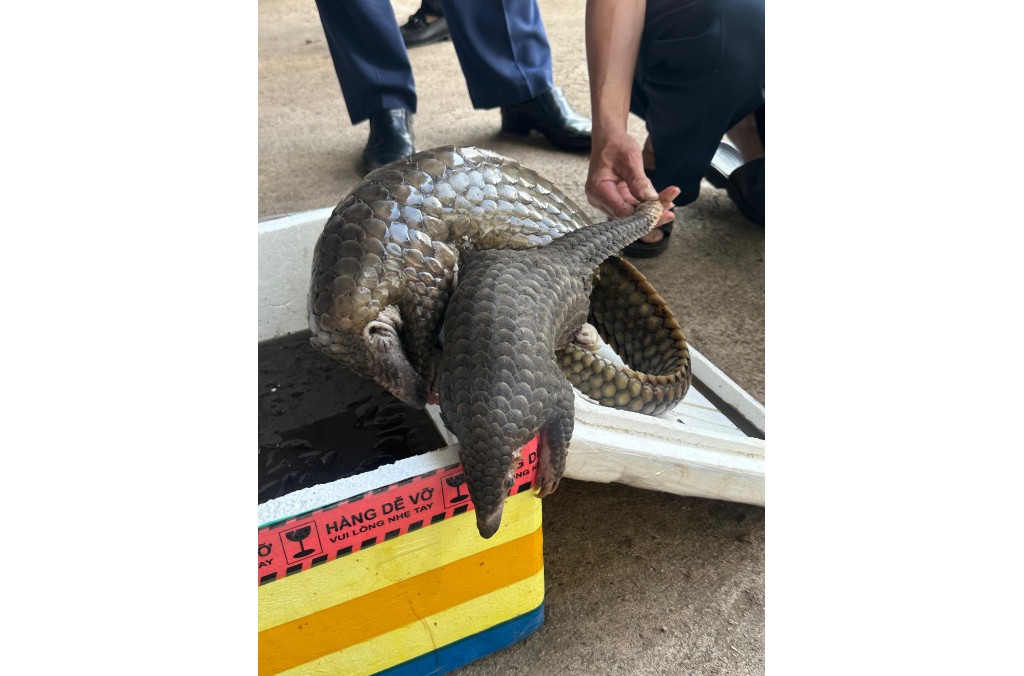
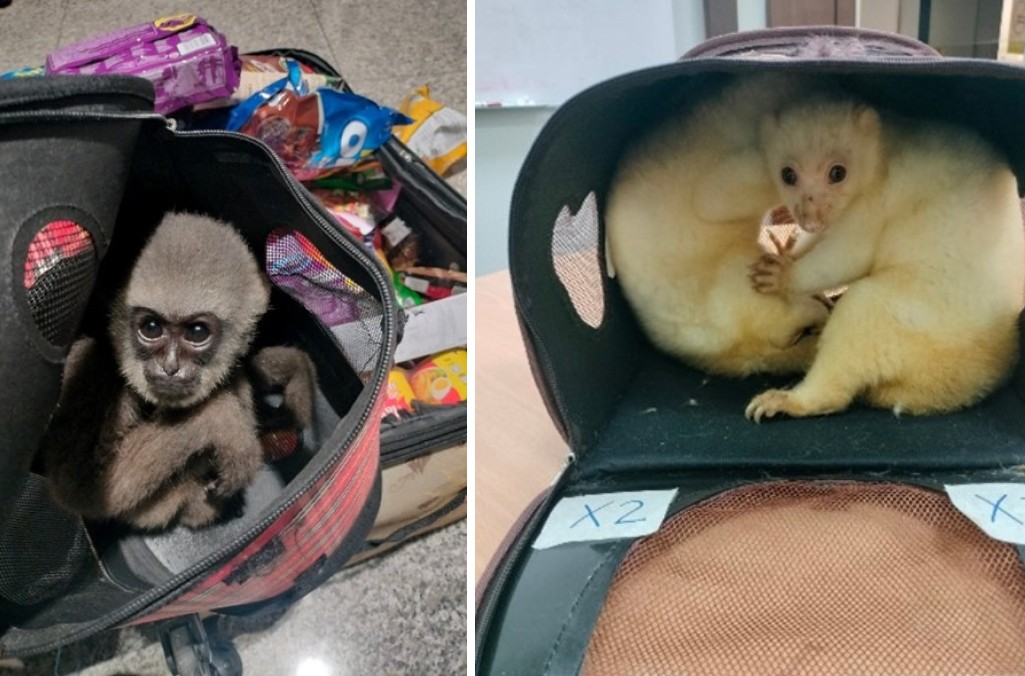
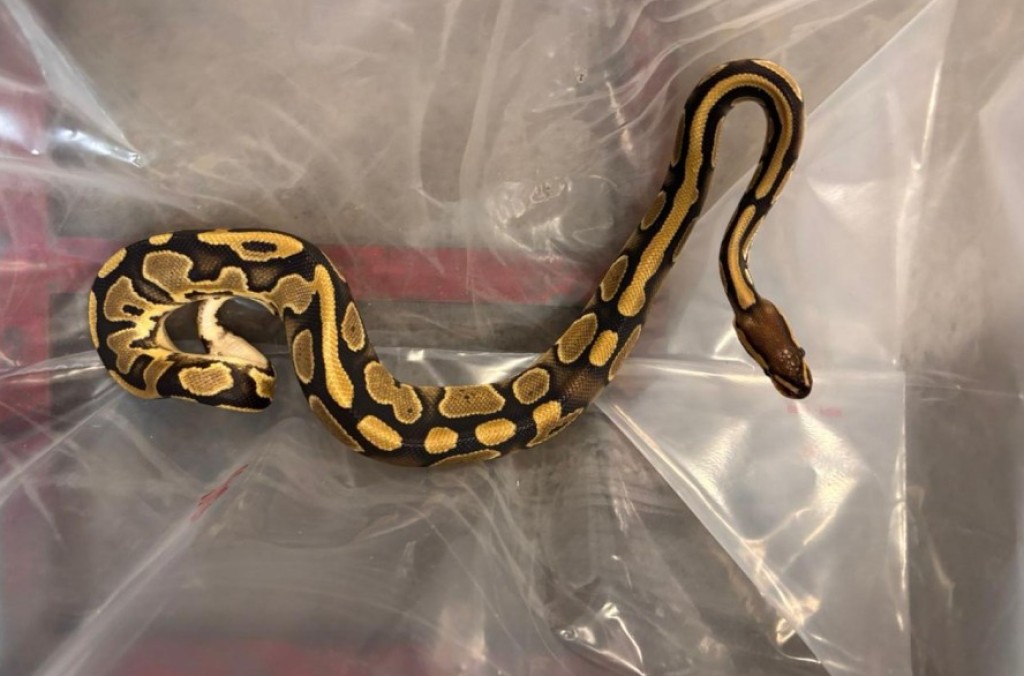
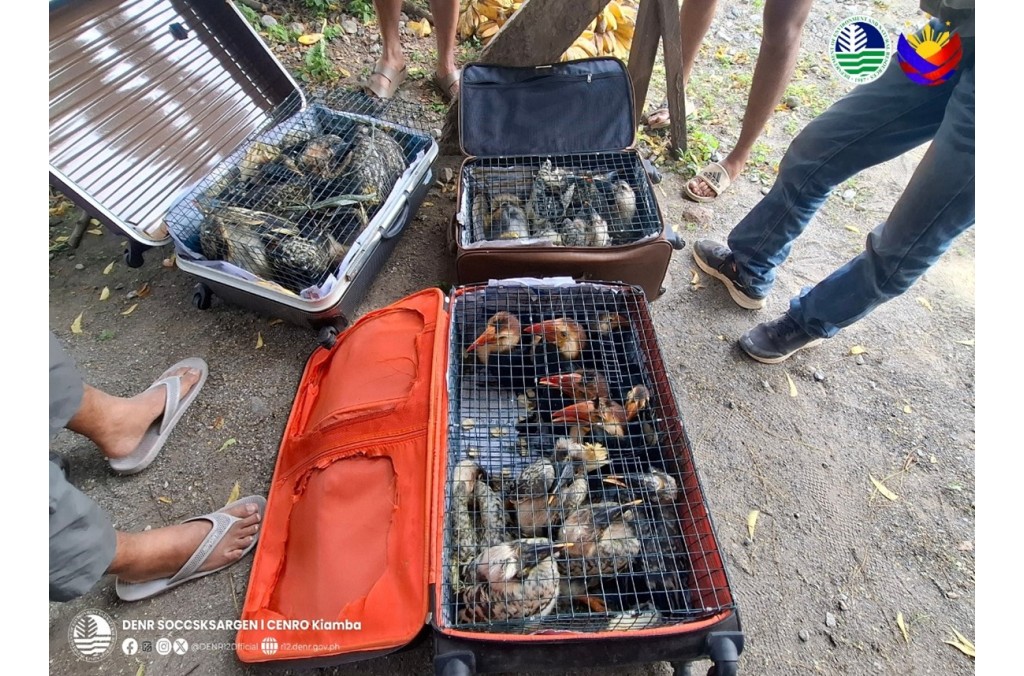
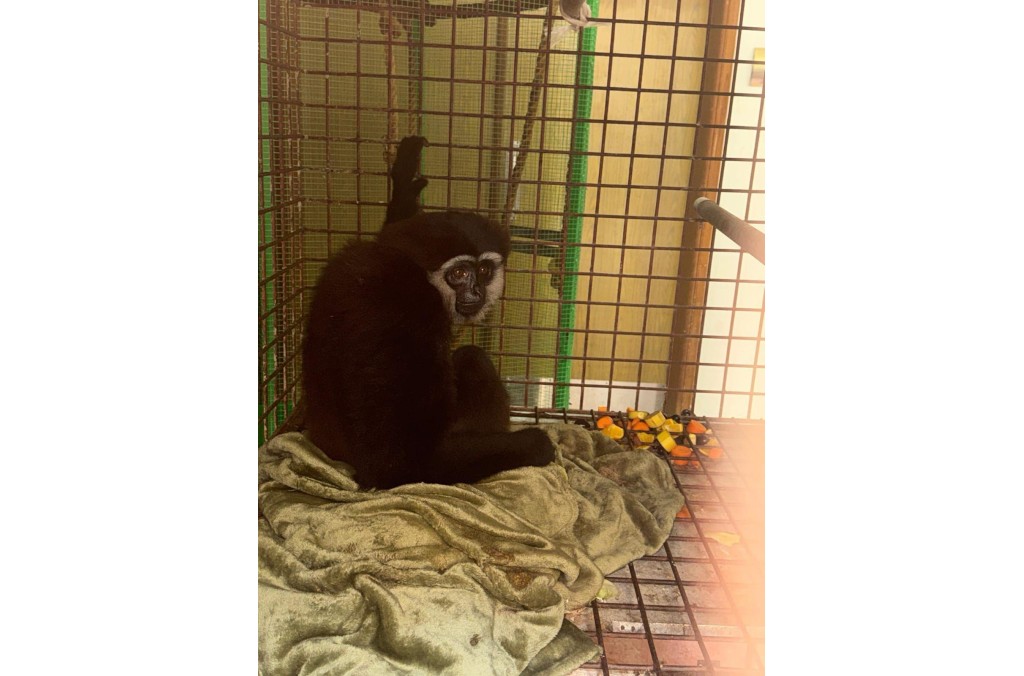
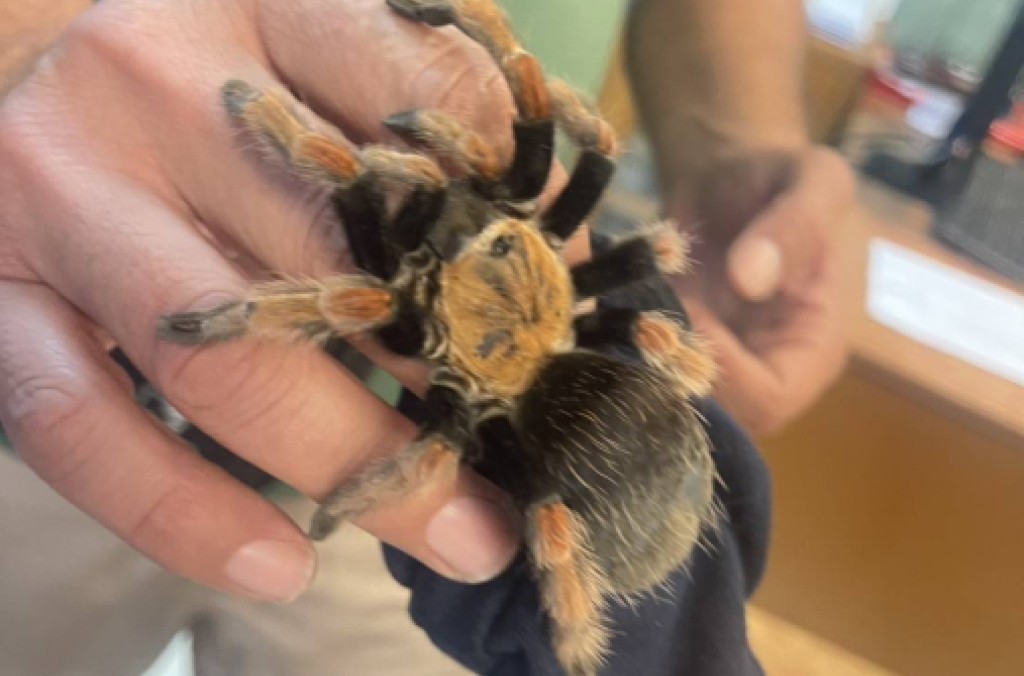

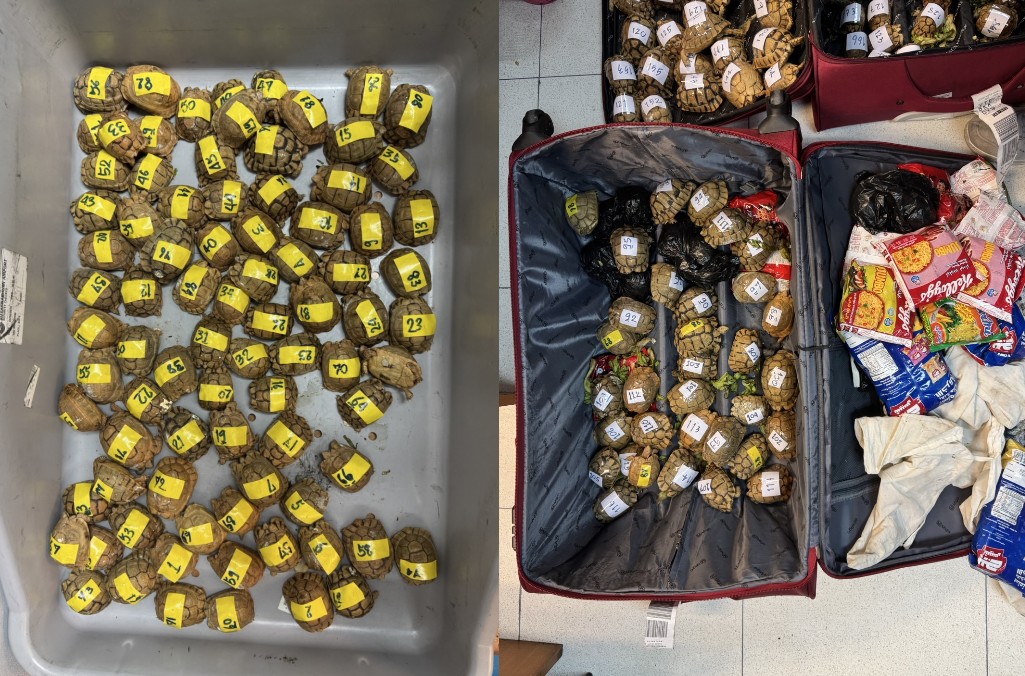
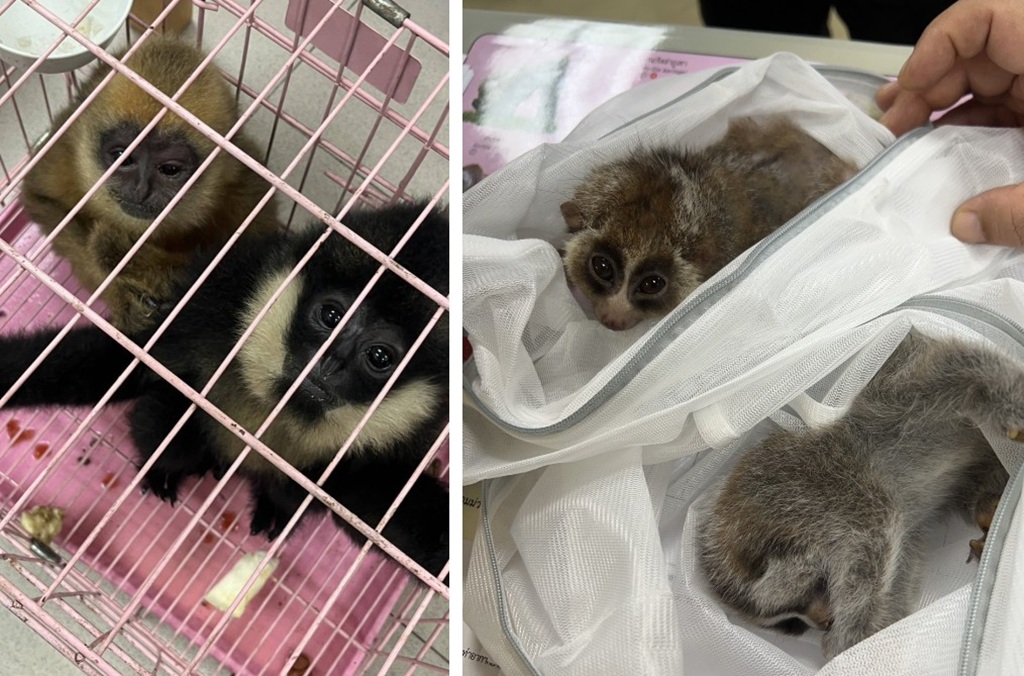
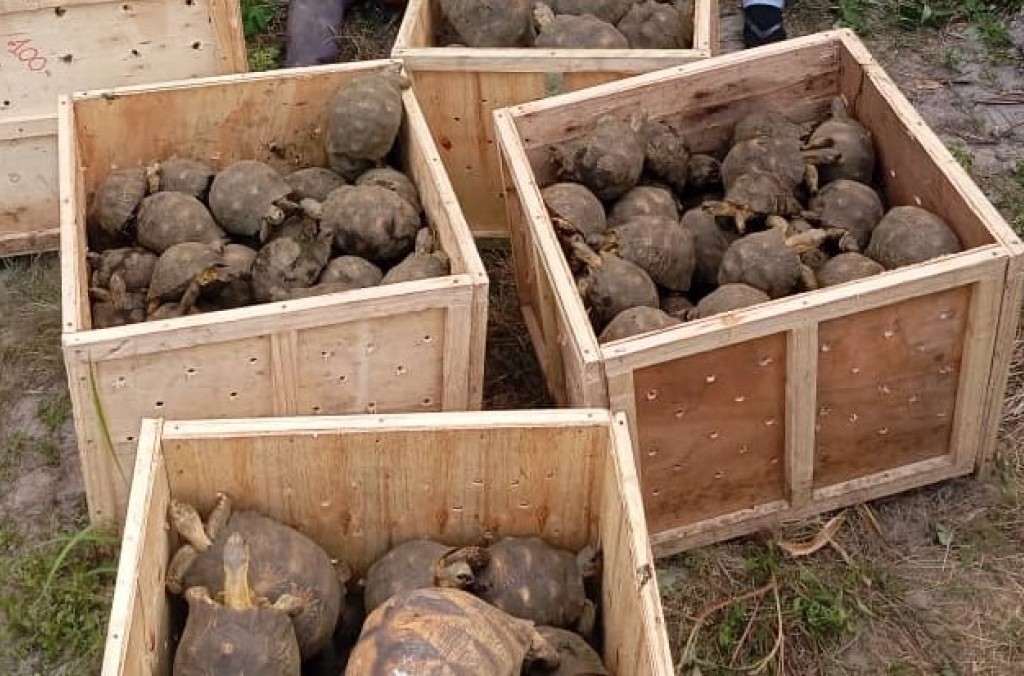
While live animal seizures reached a record high this year — driven largely by demand for exotic pets — most wildlife trafficking involved animal remains, parts and derivatives, often used in traditional medicine or specialty foods.
Estimates put the annual value of wildlife crime at USD 20 billion, but the clandestine nature of the trade suggests that the real figure is likely much higher.
From bushmeat to butterflies: Emerging threats in environmental crime
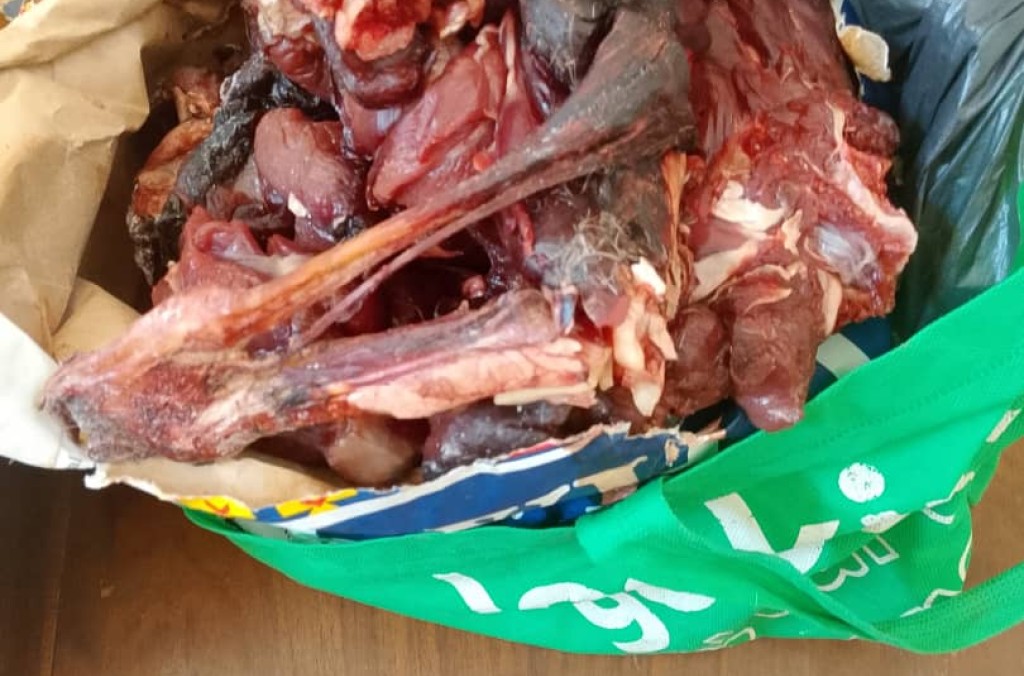
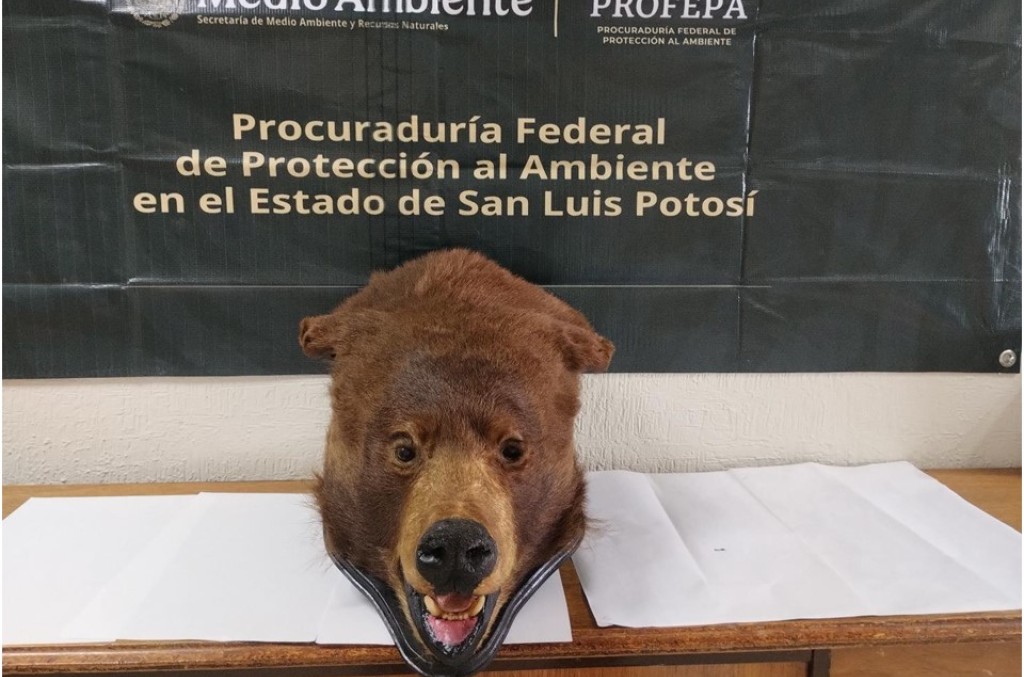
Operation Thunder 2025 revealed an escalating illicit trade of bushmeat, the term used for wild animal meat, especially from tropical regions. Belgian authorities intercepted primate meat, Kenyan officials seized over 400 kilograms of giraffe meat and Tanzanian law enforcement recovered zebra and antelope meat and skins valued at approximately USD 10,000. Globally, a record 5.8 tonnes of bushmeat was seized, with a notable increase in cases from Africa into Europe.
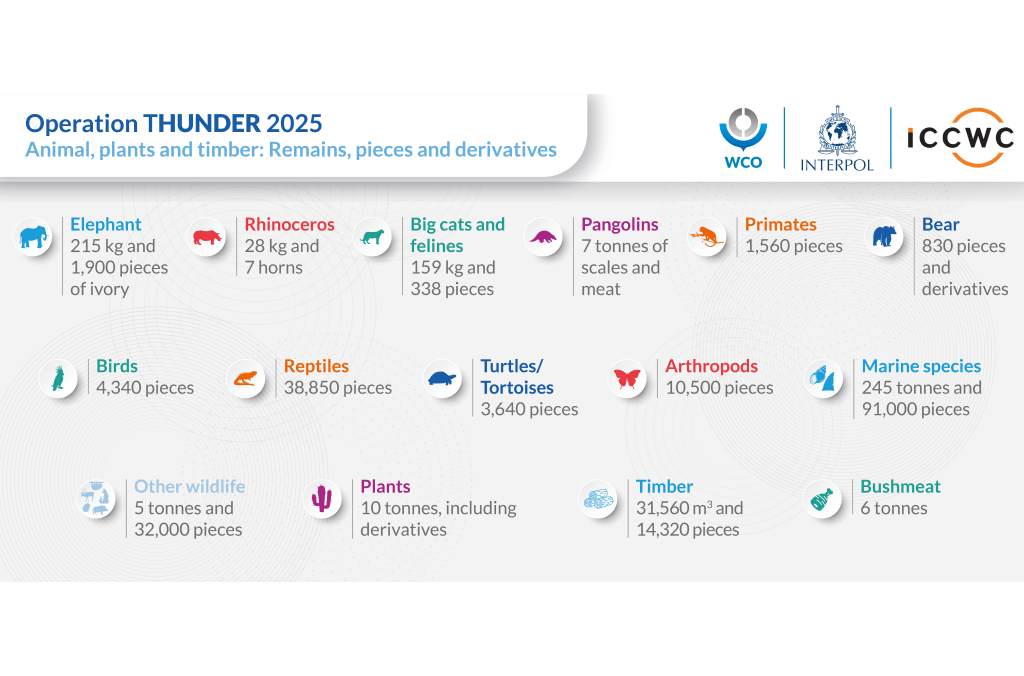
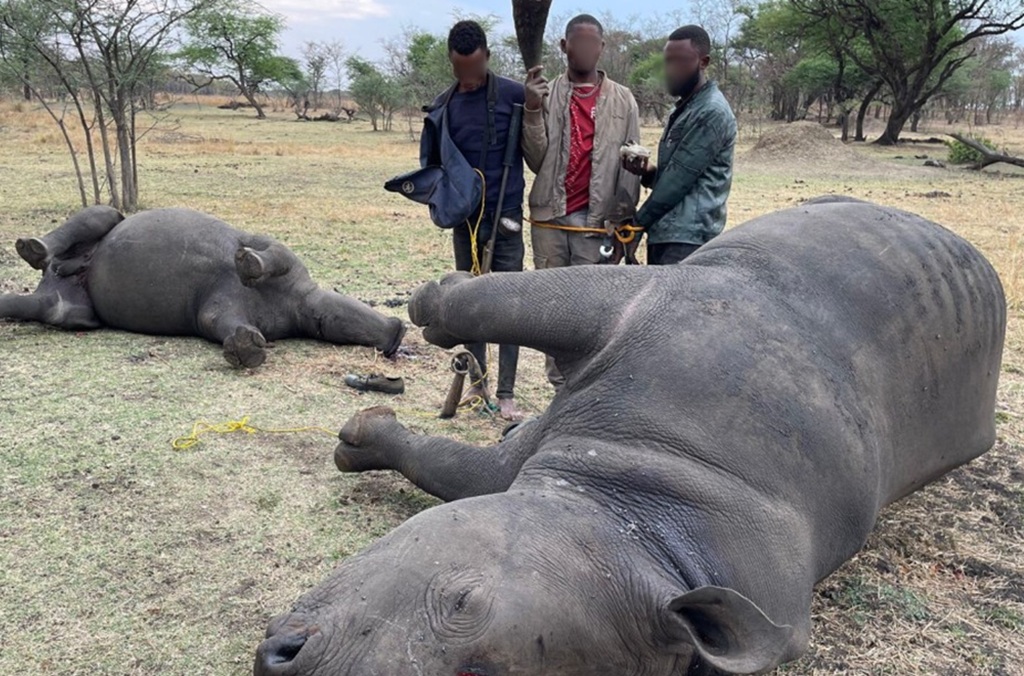
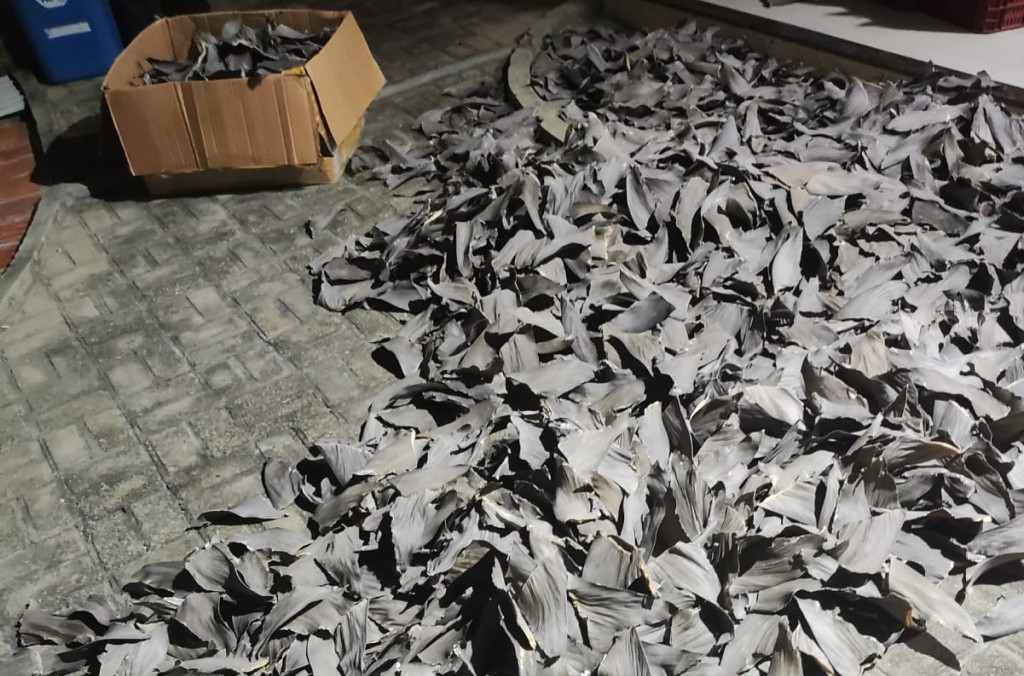

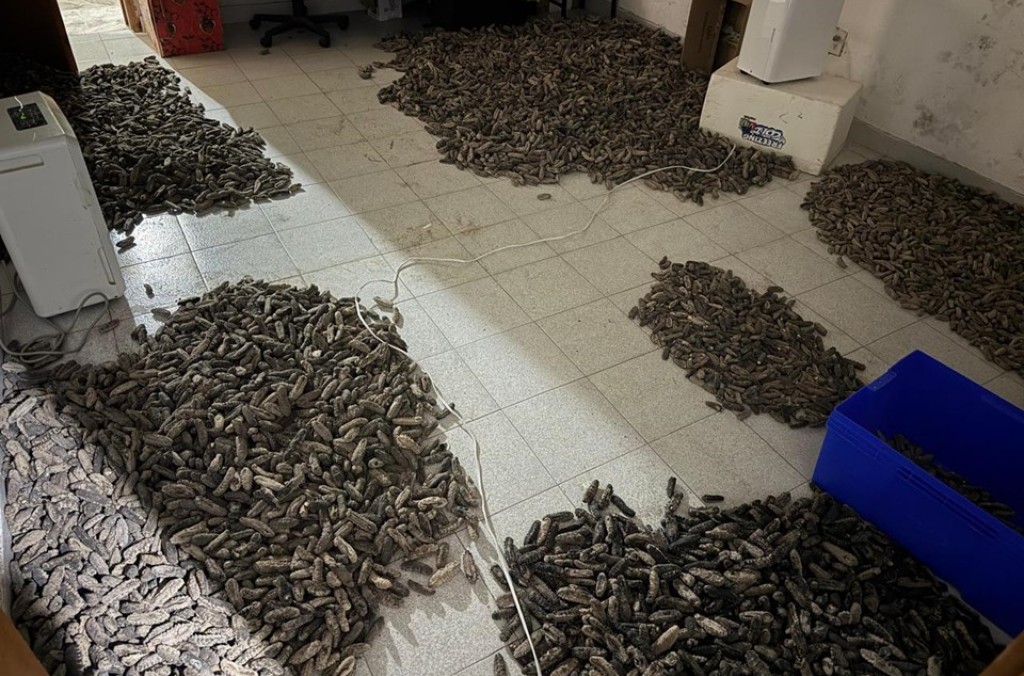

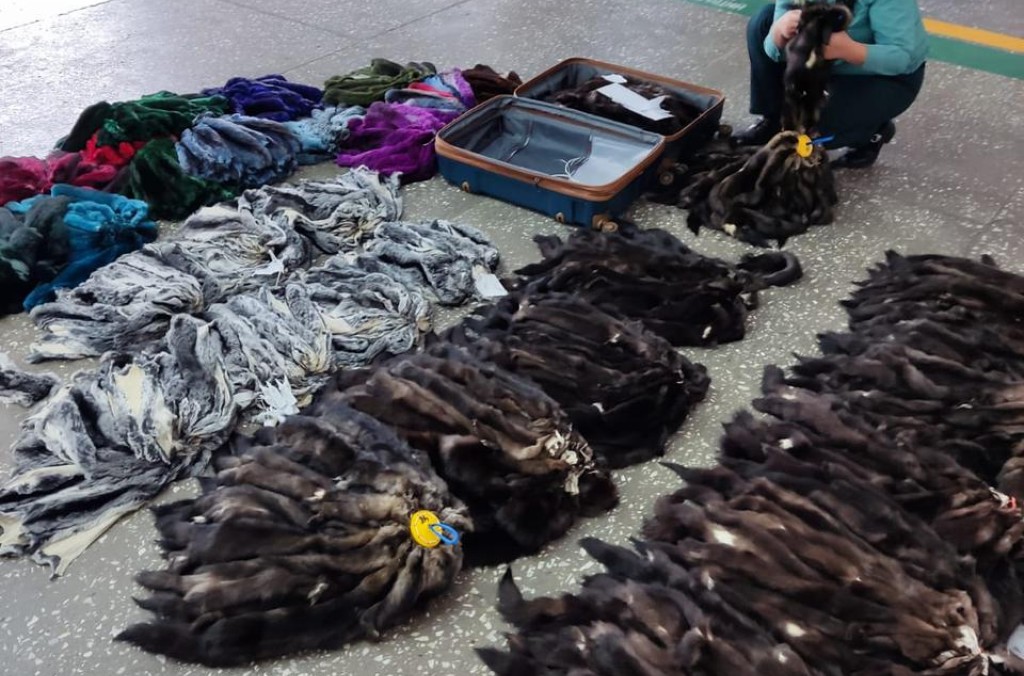
In 2025, enforcement actions also uncovered an increase in the trafficking of marine species, with more than 245 tonnes of protected marine wildlife seized worldwide, including 4,000 pieces of shark fins.
While iconic large mammals often dominate headlines in the fight against environmental crime, growing threats also include the trade of smaller species and plants.
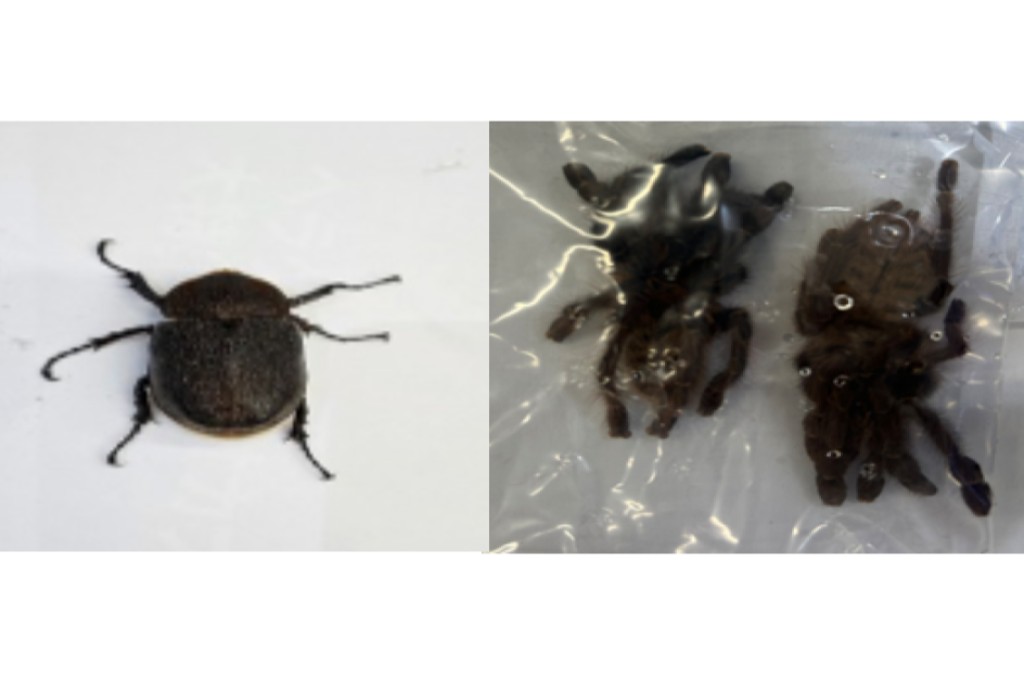
For example, Operation Thunder 2025 revealed a sharp rise in the trafficking of exotic arthropods. Nearly 10,500 butterflies, spiders and insects — many protected under CITES — were seized around the world. Though tiny in size, these creatures play vital ecological roles. Their removal destabilizes food chains and introduces invasive species or diseases, posing serious biosecurity and public health risks.
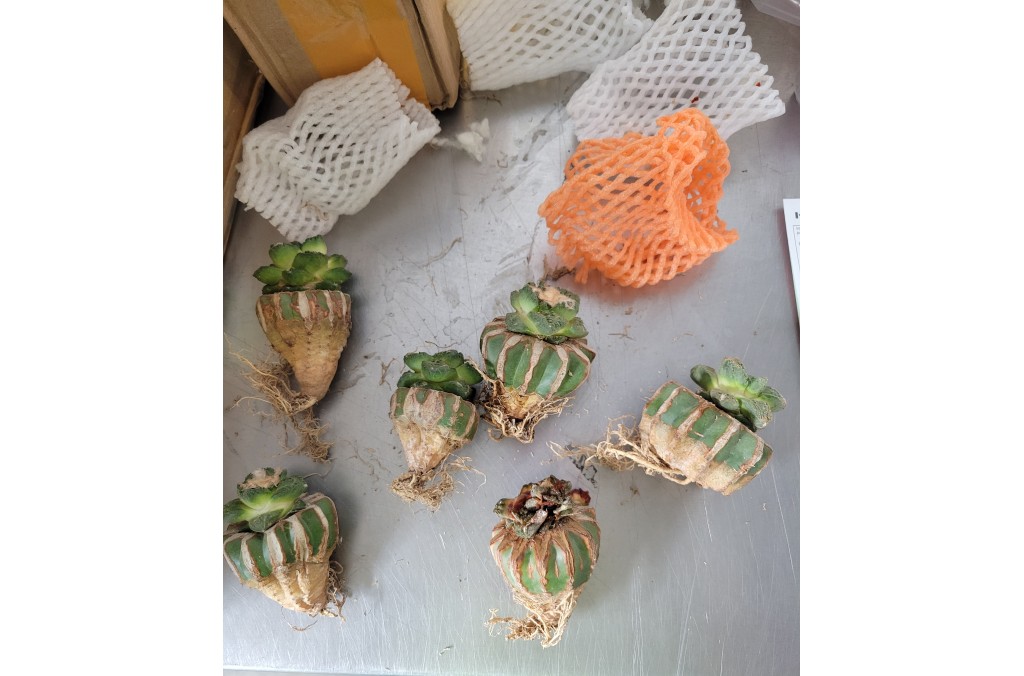
The illegal plant trade also reached record levels in 2025, with over 10 tonnes of live plants and plant derivatives confiscated, driven by demand in horticultural and collector markets.
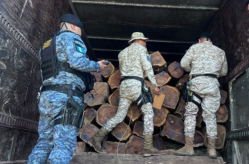
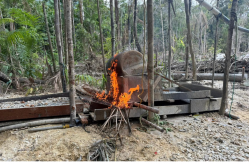
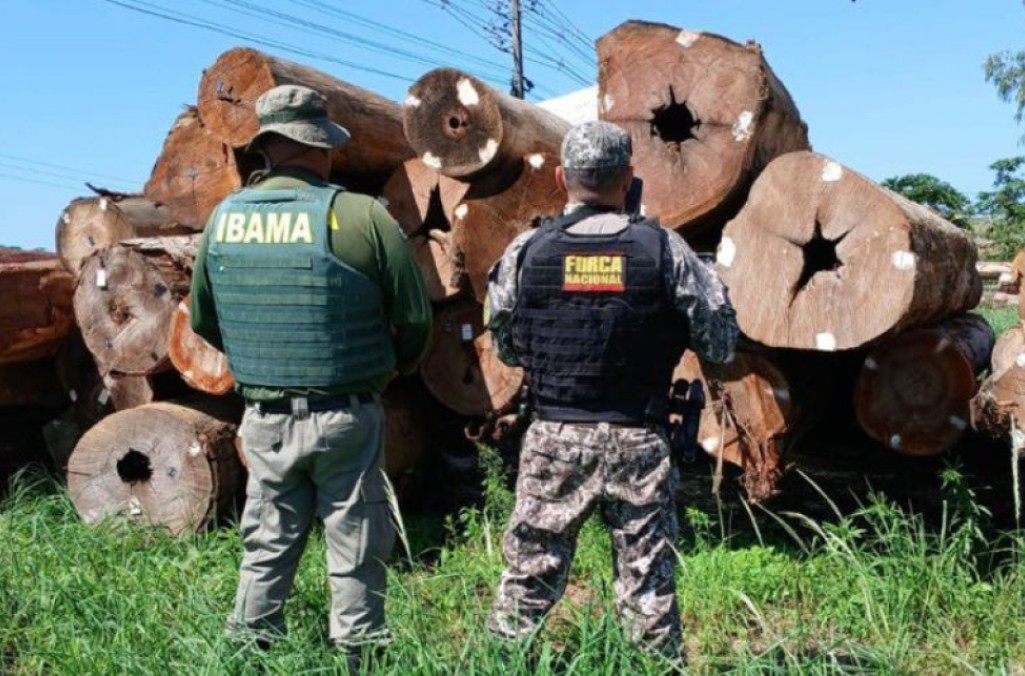
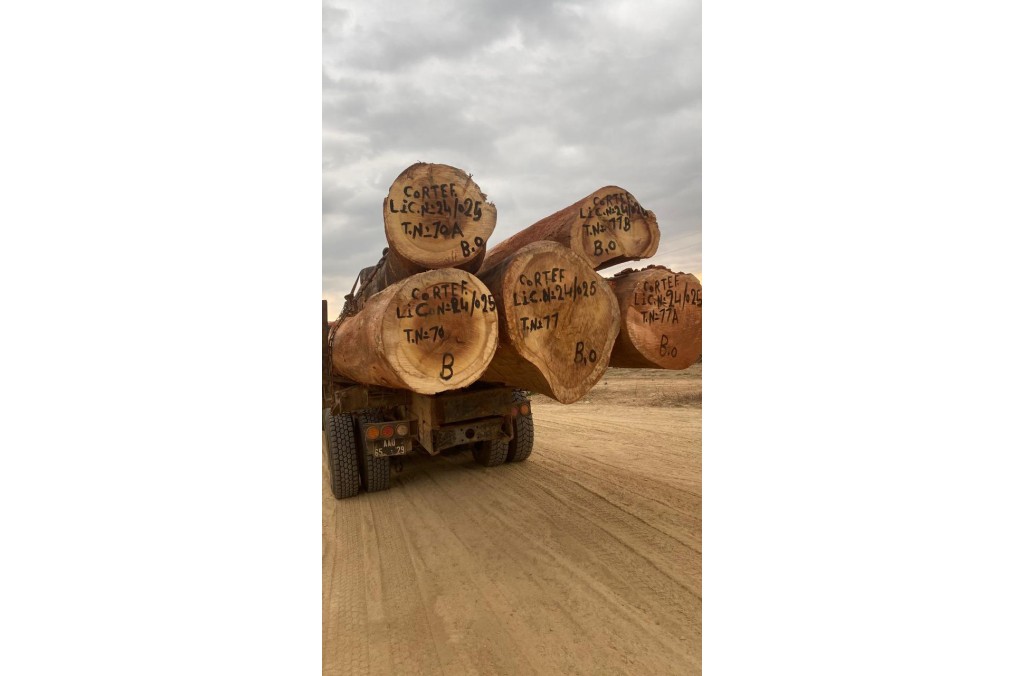
In 2025, illicit timber seizures continued to be significant, with more than 32,000 m3 and 14,000 pieces reported by countries. Illegal logging, which has a major economic, social and environmental impact, is estimated to account for 15-30 per cent of all timber traded globally


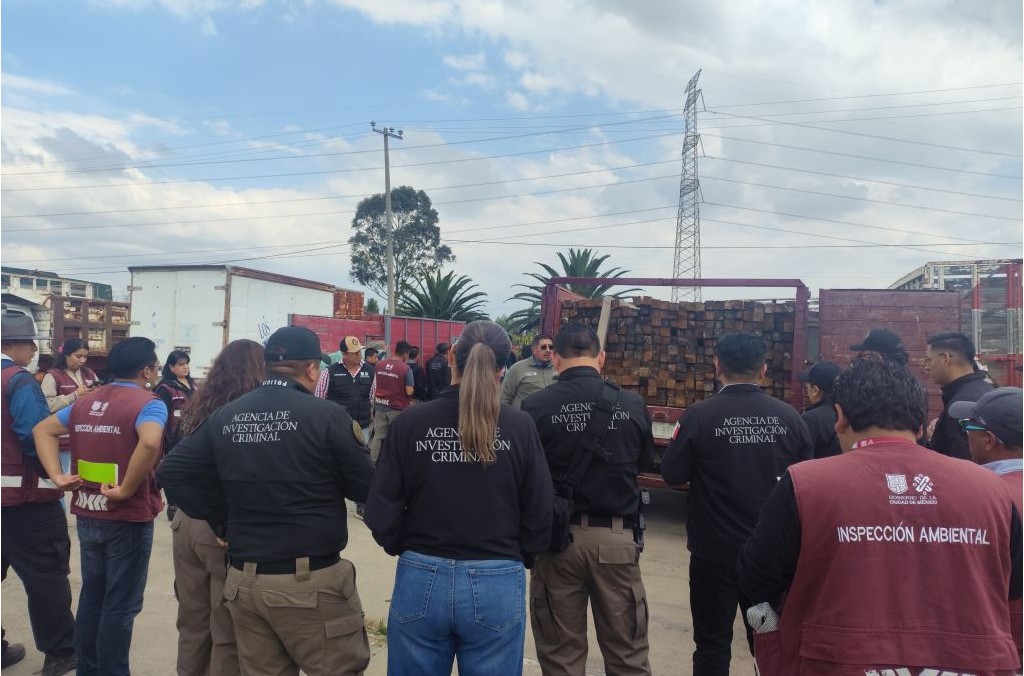
Significant seizures around the world
- South African authorities arrested 24 suspects and seized protected succulents, live pangolins and over 17,000 abalone (sea snails), as well as unlicensed firearms and ammunition.
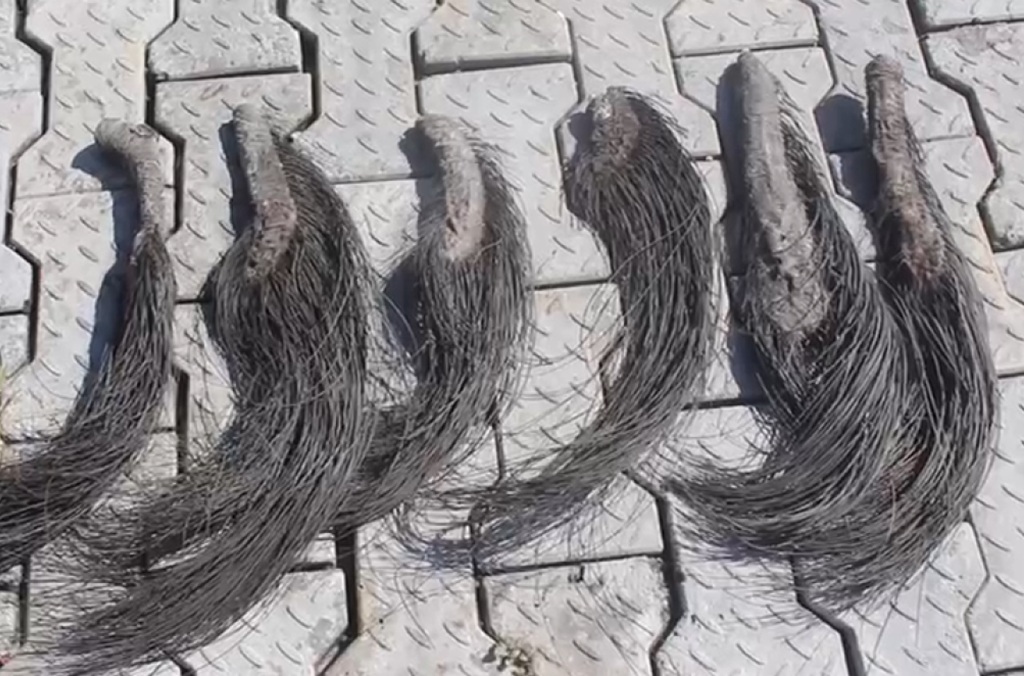
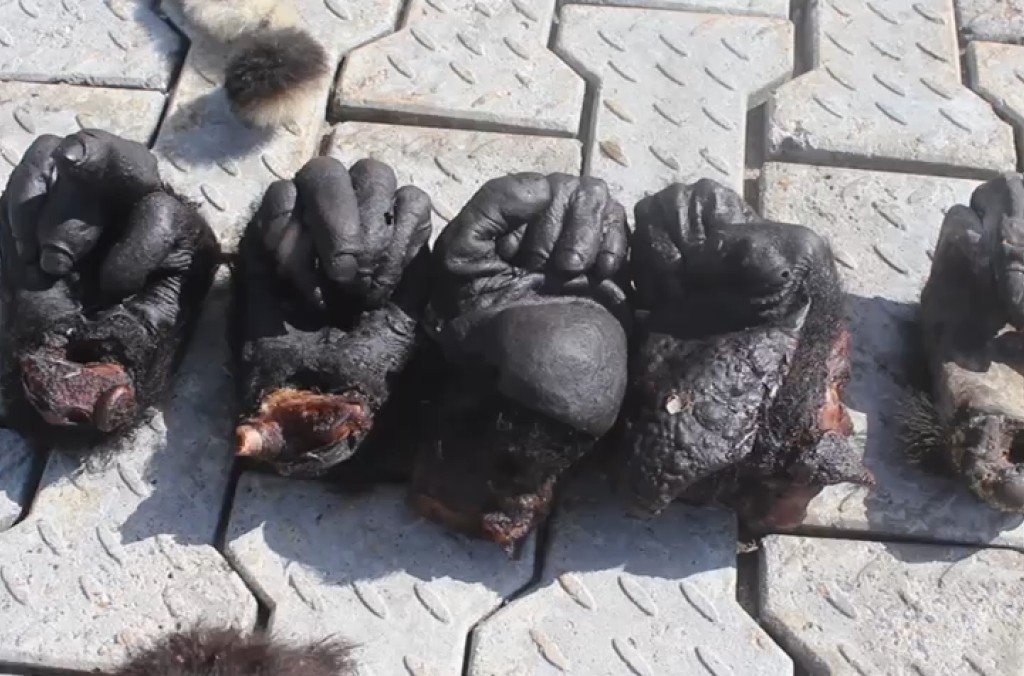
- A shipment from Asia intercepted at a North American mail centre contained over 1,300 primate body parts including bones skulls and other derivatives.
- Indonesian authorities seized over 3,000 birds and 7,000 arthropods including, butterflies, spiders and centipedes.
- Brazilian authorities dismantled a trafficking network, identified 145 suspects and rescued over 200 wild animals, including a crackdown on an international golden lion tamarin trafficking ring.
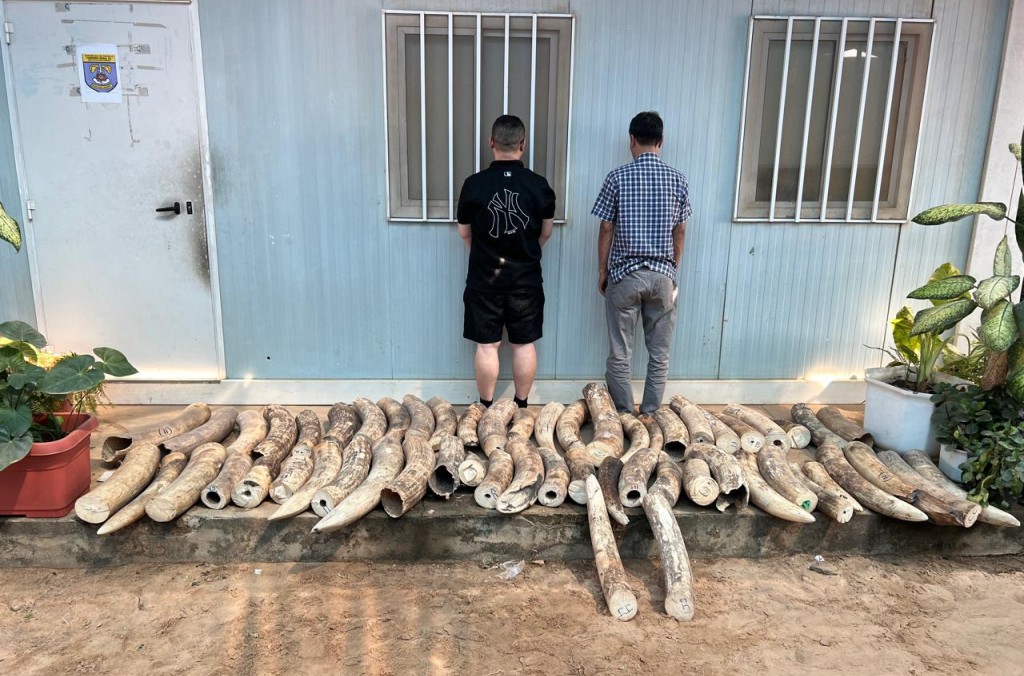
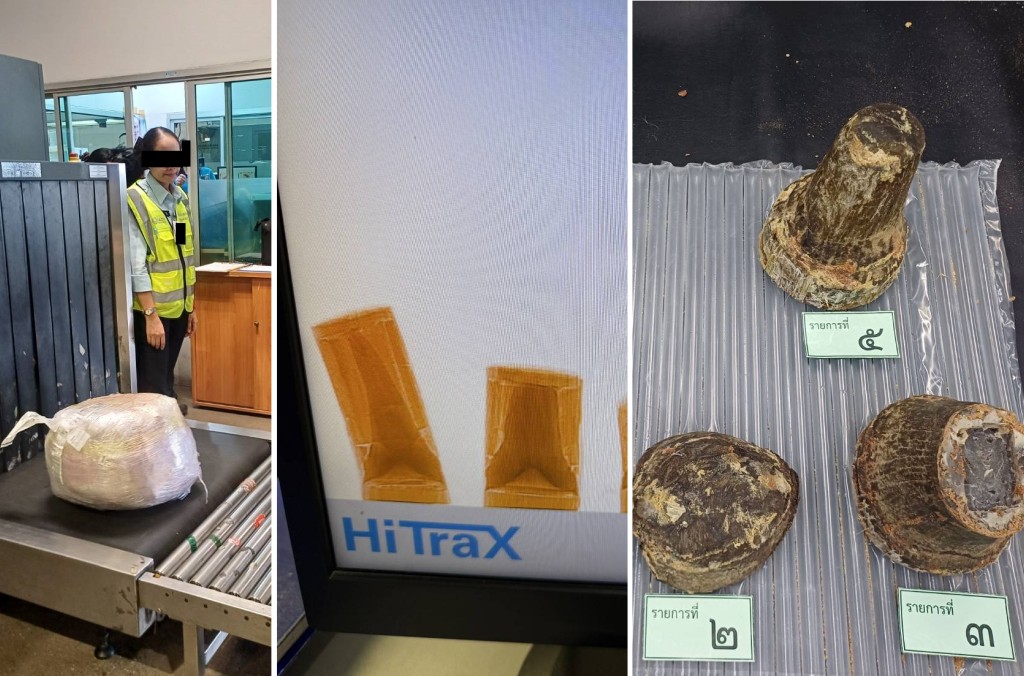
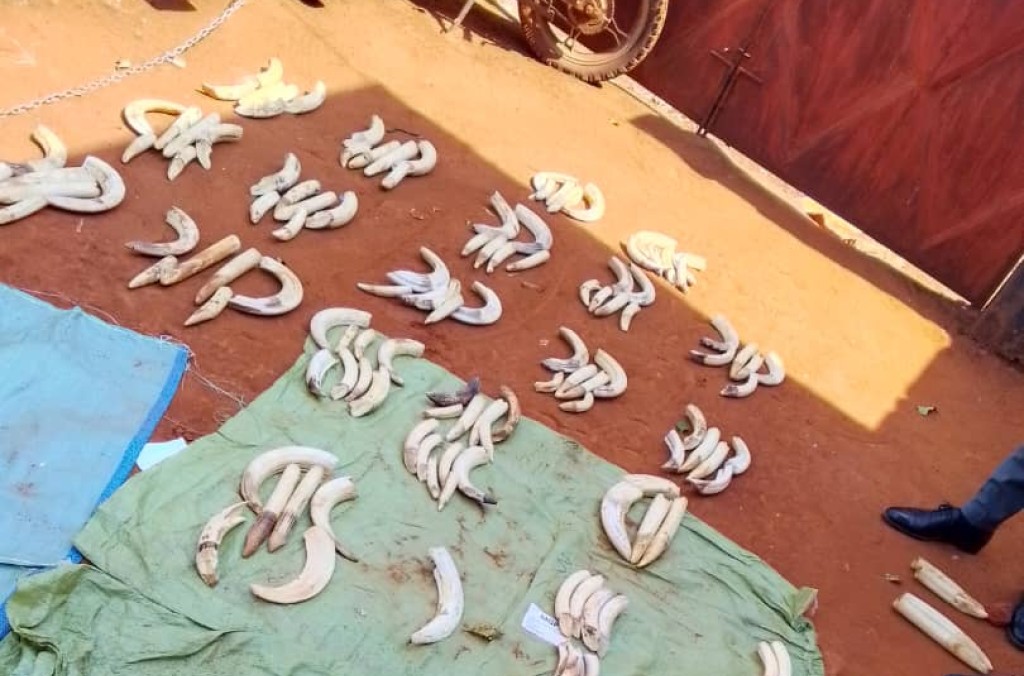
- Tanzanian law enforcement and CITES seized over 100 ivory tusks and pieces worth USD 415,000 and over 140 hippopotamus teeth worth USD 40,000.
- Authorities in Qatar arrested an individual trying to sell an endangered primate for USD 14,000 on social media.
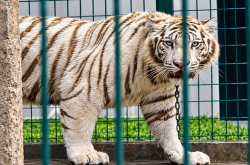
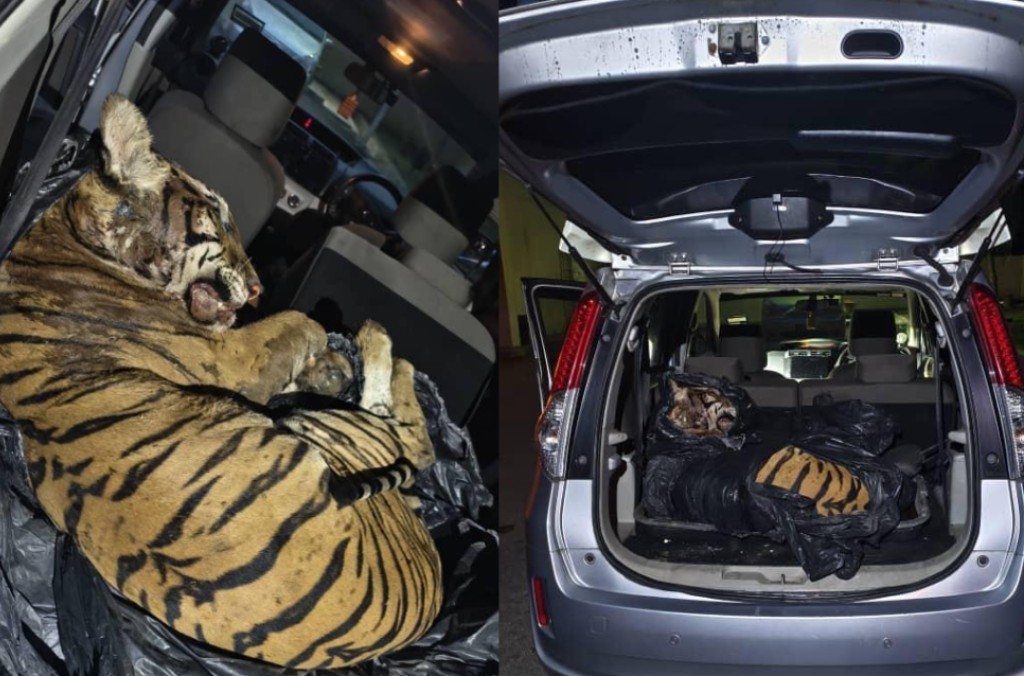
- Mexican authorities seized seven animals in Sinaloa, including two tigers, along with firearm components frequently associated with organized crime activities.
- More than 40 shipments of insects and 80 shipments of butterflies, originating in Germany, Slovakia and the UK, were intercepted at a US mail centre.
- French customs seized 107 ivory pieces from marketplaces, while Austrian customs raided an online ivory dealer’s home and recovered six more pieces.
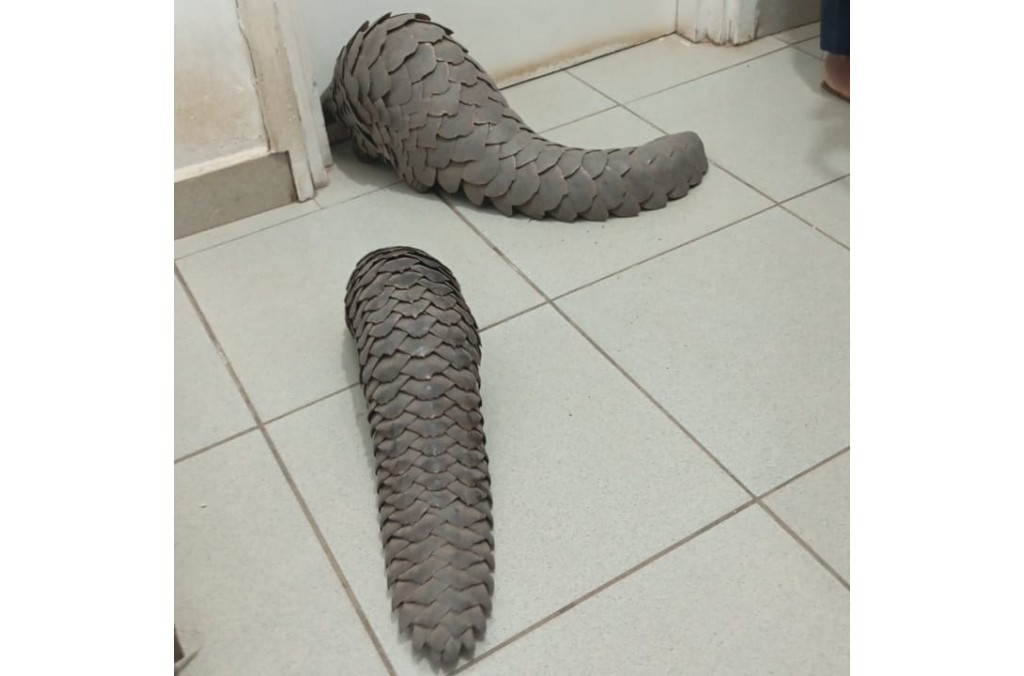
- Vietnamese authorities arrested two individuals on a fishing vessel carrying 4.2 tonnes of pangolin scales and other reptile and bird parts.
- In the Dominican Republic, authorities detained 90 individuals for crimes linked to illegal logging.
- Germany intercepted over 1,000 illegal wildlife and forestry items including ivory, reptile parts, coral, plant derivatives and live specimens, primarily at mail centres and airports.
INTERPOL Secretary General Valdecy Urquiza said:
“Operation Thunder once again exposes the sophistication and scale of the criminal networks driving the illegal wildlife and forestry trade – networks that increasingly intersect with all crime areas, from drug trafficking to human exploitation. These syndicates target vulnerable species, undermine the rule of law and endanger communities worldwide. Recognizing these deeply interconnected crime threats, INTERPOL is committed to strengthening global policing responses, dismantling the entire ecosystem of illicit activity and protecting our planet’s shared natural and human heritage.”
WCO Secretary General Ian Saunders said:
“Customs is the frontline defence against the surge in cross-border wildlife crime. Operation Thunder demonstrates Customs’ role in protecting society by intercepting illicit shipments, disrupting criminal networks, and protecting vulnerable species every day. This global threat demands collective action and the WCO is committed to delivering technical assistance, driving deeper intelligence exchange, and strengthening partnerships across the law-enforcement community to dismantle criminal enterprises and secure a sustainable future for the world’s biodiversity.”
Building a lasting defence against illicit trade
Months of preparation for Operation Thunder 2025 centred on the exchange of information, the sharing of actionable intelligence and the coordination of cross-border investigations among participating countries and regions, INTERPOL and the WCO.
INTERPOL also issued 69 Notices during the tactical phase (11 Red, 11 Purple and 47 Blue) to support the identification, tracking and arrest of potential suspects identified in preliminary investigations.
A critical component of this operation was efficient cross-border collaboration between law enforcement and financial platforms to trace illicit financial flows. As these criminal activities become increasingly tied to cryptocurrency, the inherent opacity of digital assets demands sustained intelligence-sharing to enable successful prosecutions.
Beyond the immediate arrests and seizures, the intelligence gathered during Operation Thunder will help map global criminal networks. These insights will enable law enforcement agencies worldwide to refine their strategies, anticipate emerging criminal tactics and disrupt illicit supply chain activity, ensuring a sustained and effective response to transnational wildlife crime.
Notes to editors
Now in its ninth year, Operation Thunder is a joint operation coordinated annually by INTERPOL and the WCO with the backing of the International Consortium on Combating Wildlife Crime partners.
Operation Thunder is funded by the European Union through the ICCWC GUARD Wildlife Project, by the Department for Environment, Food & Rural Affairs United Kingdom (UK DEFRA) through ICCWC-UK DEFRA Project and by Norway's International Climate and Forest Initiative (NICFI) by LEAP Project.