





INTERPOL’s International Child Sexual Exploitation database leads the world in identifying both the child victims and their abusers. The next step is to develop a new state-of-the-art version to safeguard children even more effectively.
Online photos and videos of child sexual abuse are not virtual. They are evidence of a real crime involving real children and real suffering. In 2024, the first global study of its kind found that over 300 million children are victims of sexual exploitation and abuse involving technology every year, with 10 cases occurring every second. This kind of crime is one of the rare areas where police officers start with the evidence and work their way back to the crime scene, making identifying the victims behind these shocking figures an essential step in investigating, arresting and prosecuting their abusers as well as protecting the victims from further harm. INTERPOL’s International Child Sexual Exploitation (ICSE) database contains over six million images and videos and gives law enforcement agencies in 72 countries the technology and secure data exchange platform they need to bring abusers to justice.
Identifying victims and offenders

“Online child sexual abuse is very much a transnational crime area and our International Child Sexual Exploitation database is the backbone of our efforts to combat it,” says Mark Beavan, Head of INTERPOL’s Crimes against Children unit. “A perpetrator from country A may travel to country B to abuse a child there, after which the material is then shared and viewed in one or many other countries. Our database allows specialist units in our 72 participating member countries to upload videos and photos that show this type of crime or that feature possible victims or offender in other contexts,” he continues. “Colleagues in any of those countries can then analyse the material to see if it may help them with an ongoing investigation in their country or determine if they have information that may help their colleagues elsewhere to identify either the victim or the offender”.
Real-time police connections
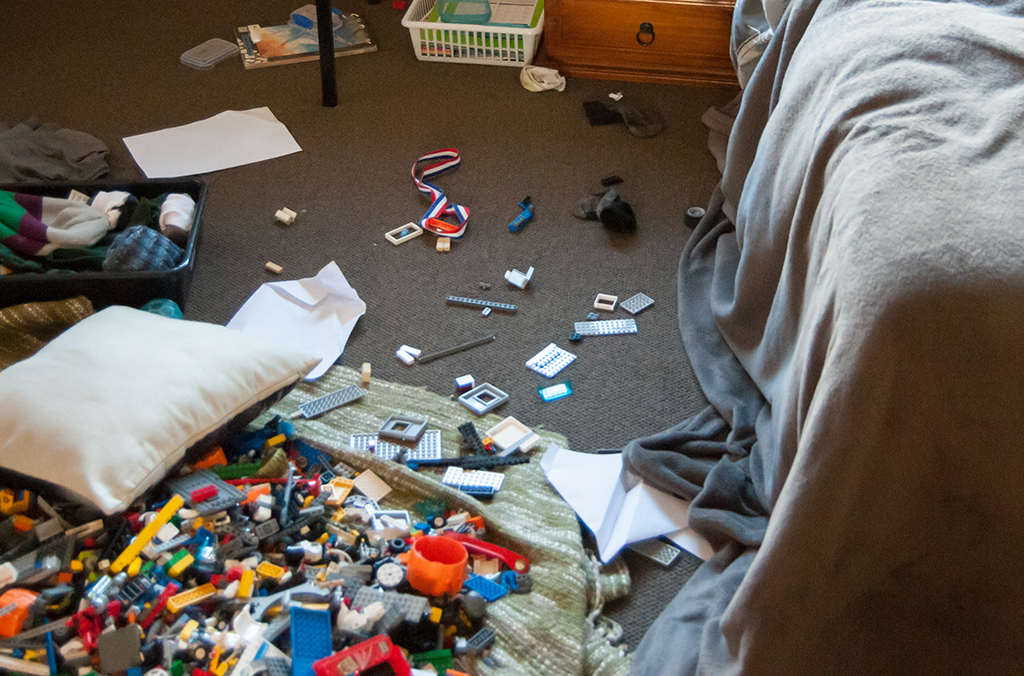
In its current format, ICSE can identify faces or other visual clues such as a room, bedding or clothing, or a name on a seemingly unconnected diploma hanging on a wall. It can also enhance sound and analyse meta-data, such as the serial number of a camera or smartphone used to film the abuse or the location on a computer data where the images were created. The system also groups photos and videos that include the same victim or offender into what are known as series, for faster and more efficient searching, and has a forum for real-time exchanges between police in different countries.
“Colleagues make requests and provide answers or comments on the forum multiple times every day,” says CB, a Criminal Intelligence Officer with the Crimes against Children unit. “They may have recognised the pattern on images of wallpaper or bed linen, for example, or been able to pinpoint the accent of an offender to a specific country or region.”
Multiple victims identified every day
Officers can also flag information on ICSE when they have identified a victim or a suspect, allowing colleagues to focus on other, unsolved cases. By September 2025, ICSE had identified over 24,000 offenders and 56,000 victims - with an average of 14 victims identified every day – and the target is a total of 100,000 victims identified by 2030. To make that possible INTERPOL is investing to make its pioneering technology truly state-of-the-art.

Innovating for even more impact
ICSE New Generation is planned to be modular, scalable and highly user-friendly, as well as being easier to connect to many different external police systems. It will also integrate sophisticated artificial intelligence systems, freeing specialized officers from repetitive and time-consuming tasks, such as sorting and deleting repeated images, but also offering improved detection and identification features such as enhanced facial recognition or lip-reading. “We are currently consulting with our member countries to understand their different needs and we hope that many new countries will sign up to connect to ICSE New Generation,” says Mark Beavan. “Work will begin in earnest in January and, within two years, we hope to be able to equip our organization and our membership with a system that will give our important and difficult work even more impact.”