




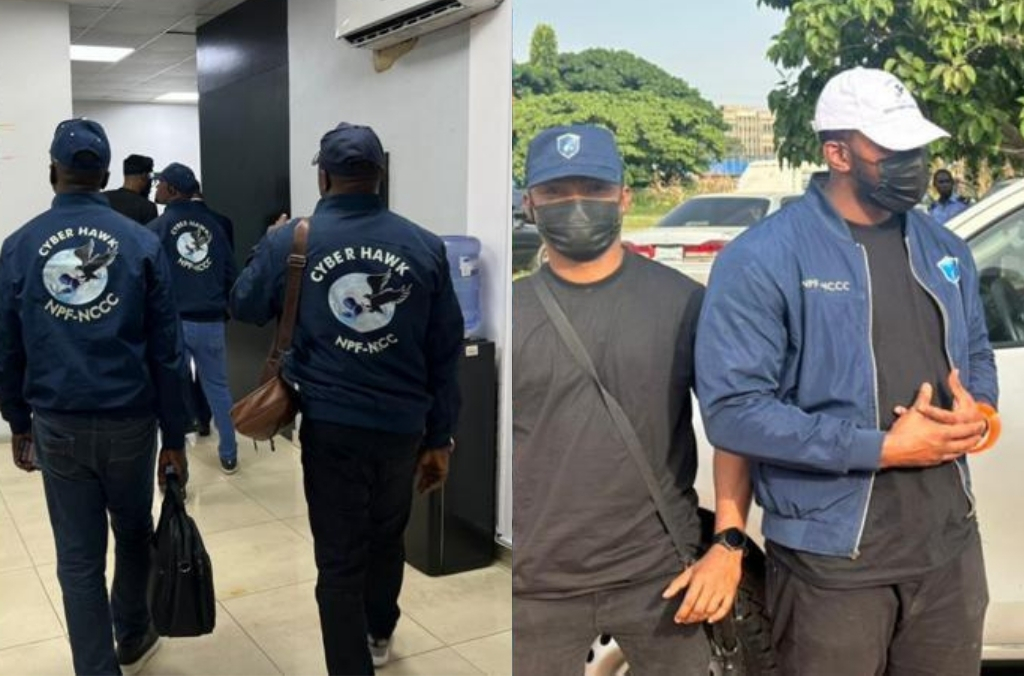
LYON, France – Law enforcement agencies from 16 African countries have made 651 arrests and recovered more than USD 4.3 million in an international cybercrime operation against online scams.
Operation Red Card 2.0 (8 December 2025 to 30 January 2026) targeted the infrastructure and actors behind high-yield investment scams, mobile money fraud and fraudulent mobile loan applications.
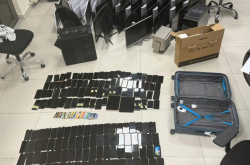
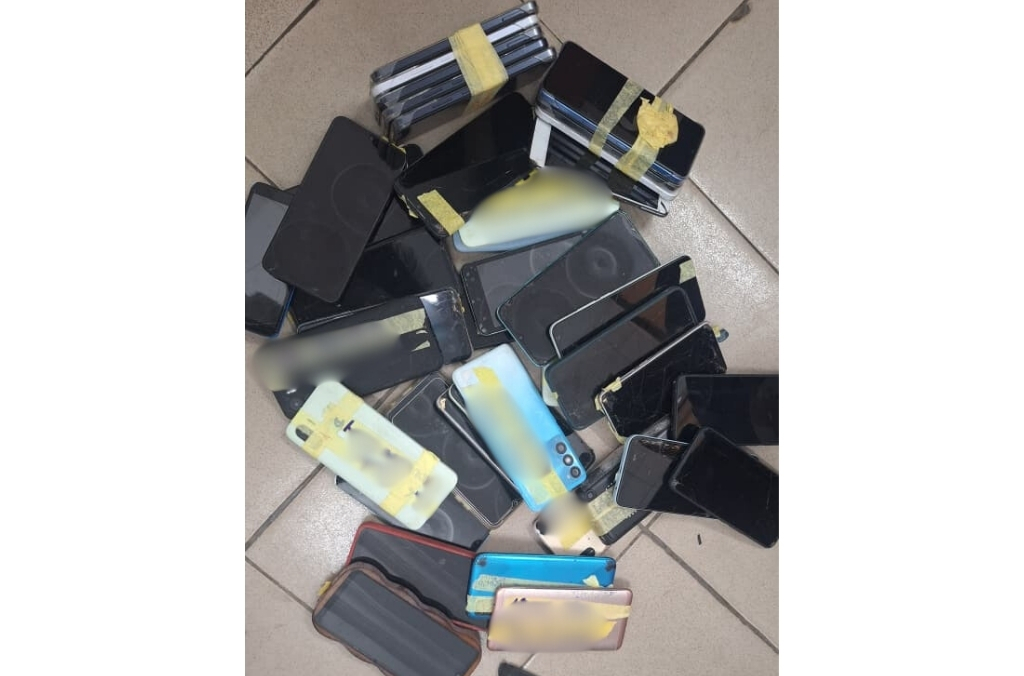
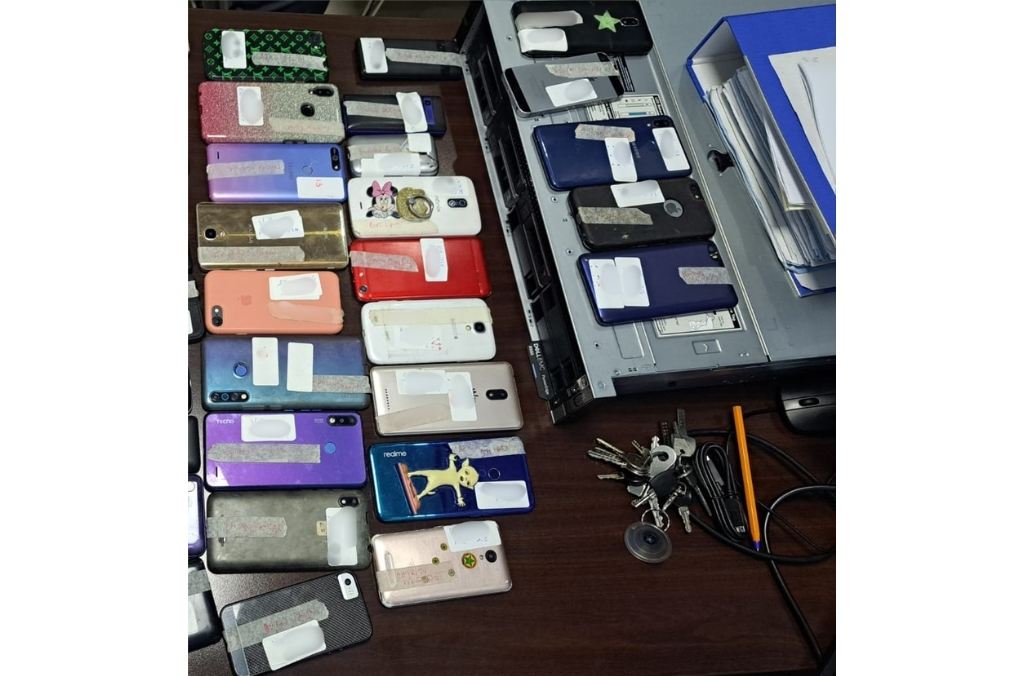
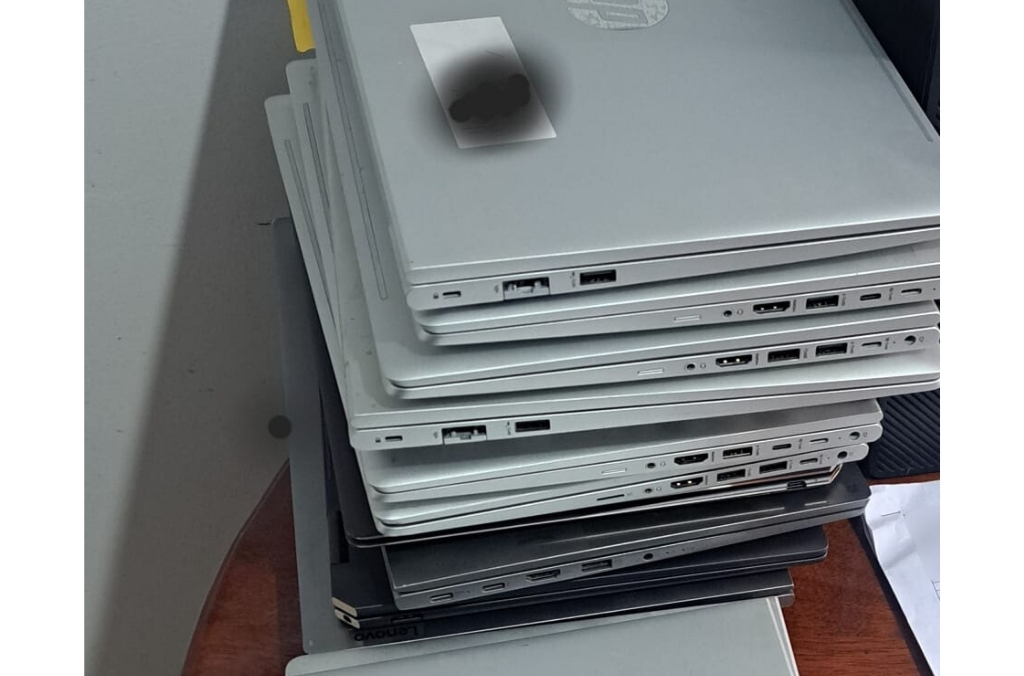
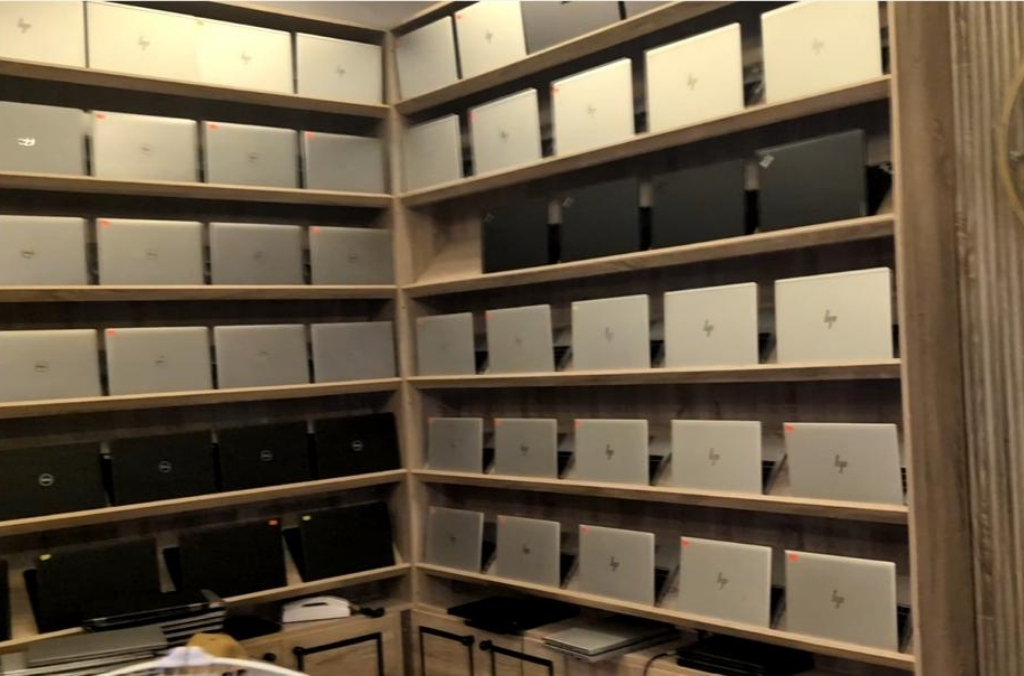
During the eight-week operation, investigations exposed scams linked to over USD 45 million in financial losses and identified 1,247 victims, predominantly from the African continent but also from other regions of the world. Authorities also seized 2,341 devices and took down 1,442 malicious IPs, domains and servers, as well as other related infrastructure.
INTERPOL supported the operation through critical intelligence sharing, real-time information exchange and capacity-building activities, including training on digital forensic tools.
Neal Jetton, INTERPOL’s Director of the Cybercrime Directorate, said:
“These organized cybercriminal syndicates inflict devastating financial and psychological harm on individuals, businesses and entire communities with their false promises. Operation Red Card highlights the importance of collaboration when combatting transnational cybercrime. I encourage all victims of cybercrime to reach out to law enforcement for help.”
The architecture of fraud: Key cases reveal diverse scam models
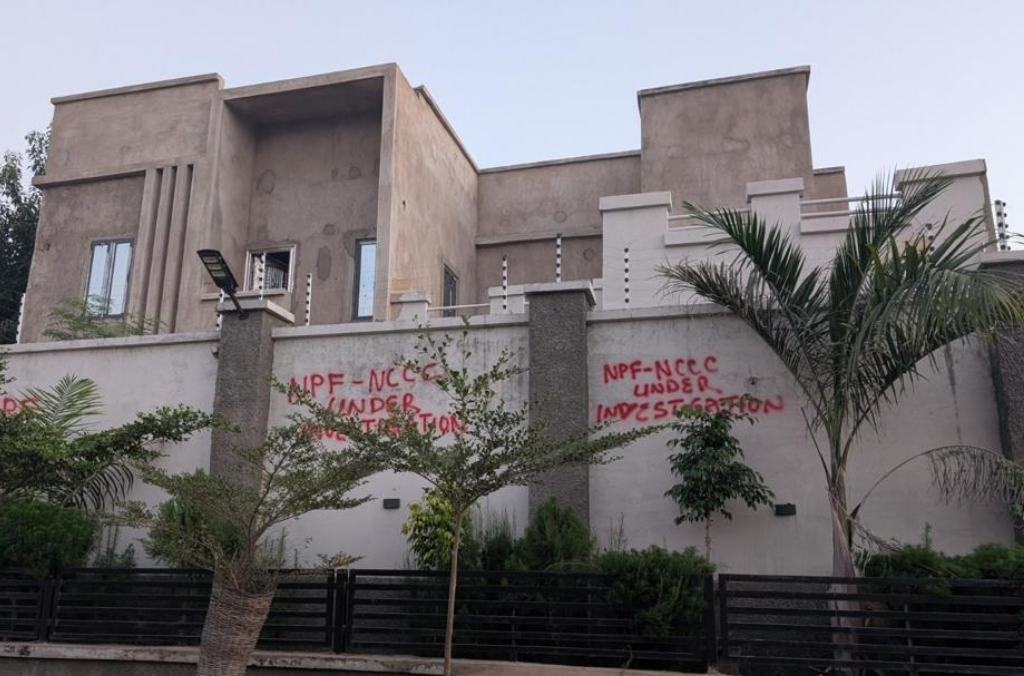
- In Nigeria, police dismantled a high-yield investment fraud ring that recruited young individuals to carry out cyber-enabled crimes using phishing, identity theft, social engineering and fake digital asset investment schemes. Over 1,000 fraudulent social media accounts were taken down and investigators uncovered a residential property constructed by the syndicate ringleader to serve as the operational hub for the criminal activities.
- In Kenya, authorities made 27 arrests linked to fraud schemes that used messaging apps, social media and fictitious testimonials to lure victims into making fake investments in reputable global corporations. Scammers solicited small initial investments ‒ as low as USD 50 ‒ with claims of lucrative returns. Victims were shown fabricated account statements or dashboards but withdrawal requests were systematically blocked.
- In Côte d’Ivoire, law enforcement made 58 arrests and seized 240 mobile phones, 25 laptops and over 300 SIM cards in a targeted operation against mobile loan fraud. These scams predominantly targeted vulnerable populations through deceptive mobile applications and messaging services, attracting victims with promises of quick, unsecured loans, only to impose fees, enforce abusive debt-collection practices and illicitly harvest sensitive personal and financial data.
- In a separate major success for Nigerian authorities, six members of a sophisticated cybercrime syndicate were arrested for infiltrating the internal platform of a major telecommunications provider through compromised staff login credentials. An investigation led to the disruption of the scheme, which involved siphoning significant volumes of airtime and data for illegal resale.
During Operation Red Card 2.0, INTERPOL worked closely with its partners, Cybercrime Atlas, Team Cymru, Trend Micro, TRM Labs and Uppsala Security, leveraging their data and expertise to provide critical intelligence to participating countries.
Notes to editors
The operation was conducted under the African Joint Operation against Cybercrime (AFJOC), an initiative funded by the UK’s Foreign, Commonwealth & Development Office.
The Global Action on Cybercrime Enhanced (GLACY-e) project, a joint initiative of the European Union and the Council of Europe, provided operation-specific support.
Participating member countries
Angola, Benin, Cameroon, Côte d’Ivoire, Chad, Gabon, Gambia, Ghana, Kenya, Namibia, Nigeria, Rwanda, Senegal, Uganda, Zambia and Zimbabwe.